








NEW YORK — In an era defined by hyper-connectivity, relentless digital notifications, and mounting daily pressures, a quiet crisis is unfolding in bedrooms across the world. Modern sleep hygiene statistics paint a grim picture: millions of adults suffer from chronic insomnia, struggling to either drift off or stay asleep through the night. While prescription sleep aids and over-the-counter melatonin supplements have long been the default solutions, a growing wellness movement is turning its attention to a more tactile, sensory-driven approach.
Enter the pre-bedtime sanctuary movement, spearheaded by an unexpected vehicle for tranquility: handmade, aromatherapy-infused "sleep soaps." Replicating the high-end sensory experiences of luxury bath boutiques like Lush, DIY enthusiasts are increasingly crafting their own cloud-patterned, lavender-scented bars at home. Combined with a steaming evening shower, these specialized botanical soaps are revolutionizing nighttime routines, offering a chemical-free pathway to a deeper, more restorative slumber.

The Anatomy of Insomnia: Why Modern Evening Routines Are Failing
To understand the sudden surge in popularity of DIY sleepy soaps, one must first examine the physiological barriers preventing contemporary populations from getting a good night’s rest. According to sleep specialists, a cocktail of chronic stress, hormonal fluctuations, aging, and excessive blue-light exposure keeps the sympathetic nervous system—the body’s "fight or flight" mechanism—stuck in the "on" position long after the sun goes down.
When the nervous system fails to downshift, cortisol and adrenaline levels remain elevated, making it virtually impossible for the body to transition smoothly into the parasympathetic "rest and digest" state required for deep sleep.

For decades, wellness experts have emphasized the importance of environmental cues to signal to the brain that the day is over. Warm water immersion, or a hot shower, has long been recognized as a powerful physiological trigger; as the body warms up in the shower and subsequently cools down upon stepping out, it mimics the natural core body temperature drop that occurs during sleep onset.
However, wellness advocates argue that simply washing with standard, mass-market synthetic soaps misses an opportunity to engage the olfactory system—one of the most direct pathways to the brain’s emotional and regulatory center, the limbic system. By integrating targeted essential oil blends into a bespoke cleansing ritual, individuals can actively rewire their evening wind-down process.

The Chronology of Crafting: How to Make Lush-Inspired Sleep Soap
For those looking to reclaim their evenings, crafting melt-and-pour sleep soap has emerged as both a therapeutic weekend hobby and an effective sleep aid. Unlike traditional cold-process soap making, which requires handling hazardous lye and waiting weeks for the bars to cure, the melt-and-pour method is accessible, forgiving, and rapid.
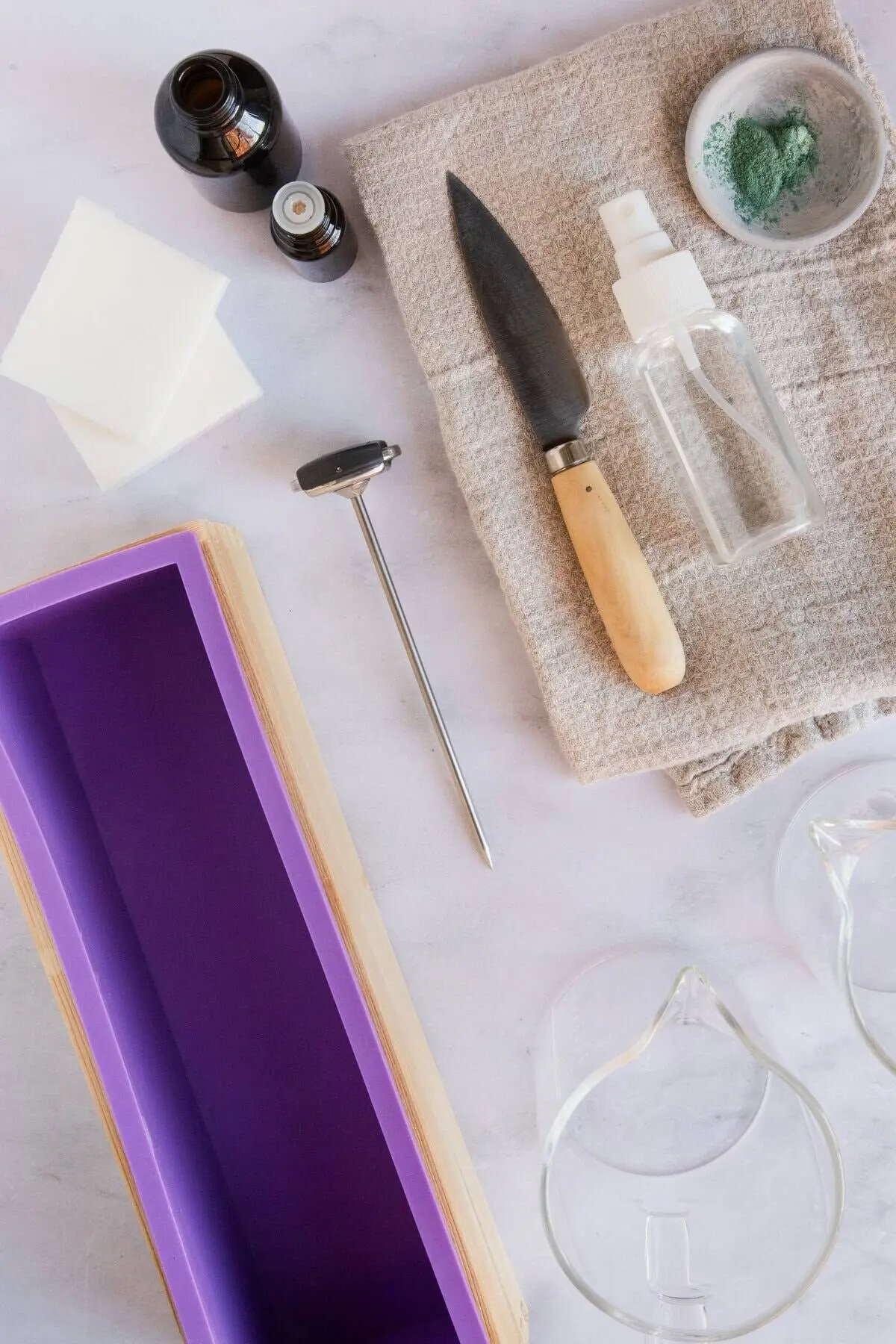
Step 1: Procurement of Supplies
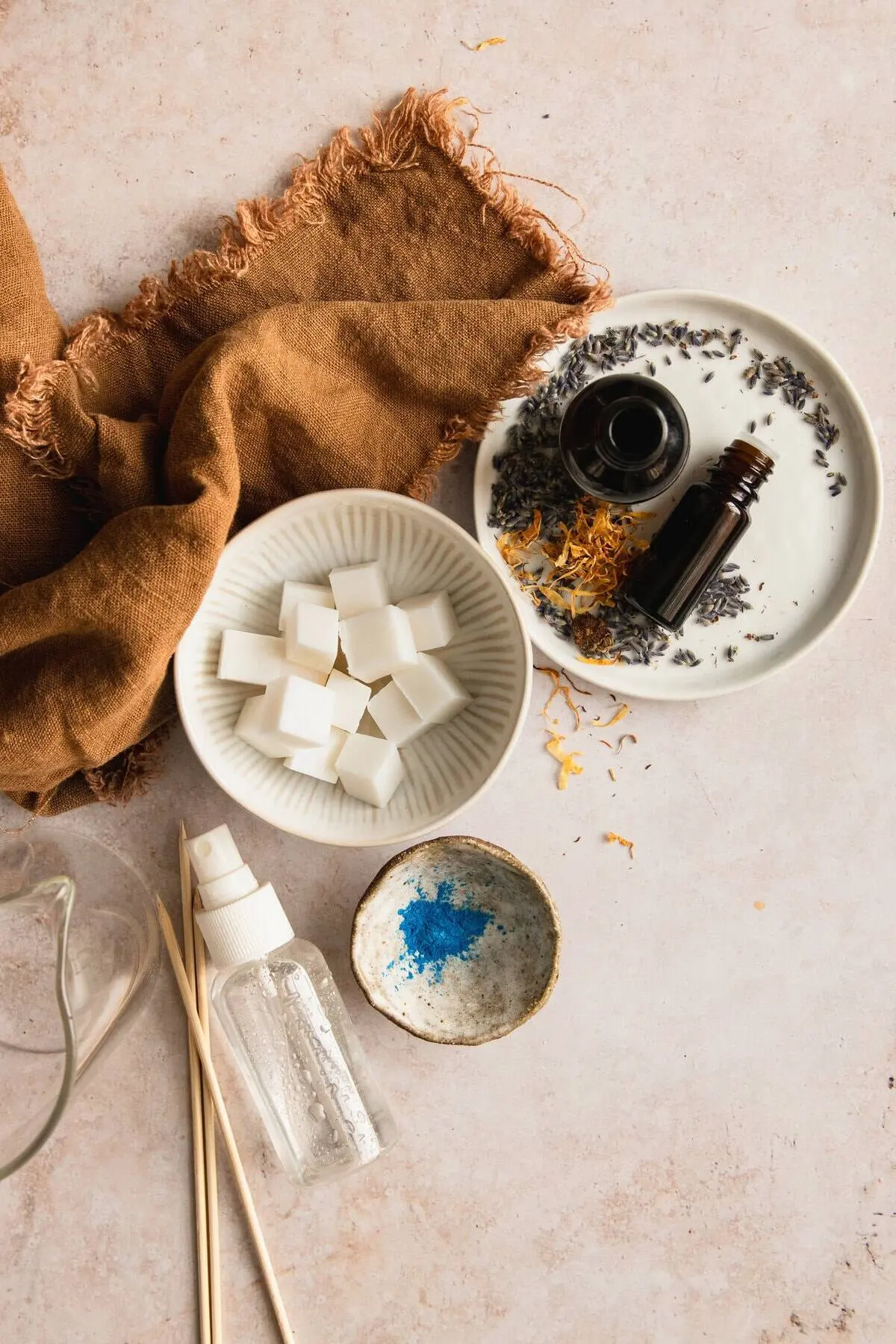
The process begins with gathering raw materials. Creators typically source a high-quality melt-and-pour soap base (such as clear glycerin or a nourishing goat’s milk base), natural colorants (vibrant blues and soft whites are favored for their calming aesthetic), and pure therapeutic-grade essential oils.

Step 2: Melting and Blending
The soap base is chopped into small, uniform cubes and melted in separate containers using either short bursts in a microwave or a gentle double boiler setup. Once liquefied, individual colorants and customized essential oil blends are gently stirred into each batch, ensuring an even distribution of active botanical compounds across the mixture.
Step 3: Managing the Pour and the Swirl
According to experienced artisans, temperature control is the single most critical factor in achieving the signature dreamy, cloud-like aesthetic. If the soap is poured while too hot, the distinct colored layers will bleed into one another, resulting in a muddy appearance.

Instructors recommend allowing the liquid soap to cool down to approximately 120°F (plus or minus a few degrees) until it thickens slightly. Pouring the different colors into the mold simultaneously, followed by a light, single-pass drag of a wooden skewer through the mixture, creates sharp, defined, wispy swirls reminiscent of a calm morning sky.
Step 4: Demolding and Curing
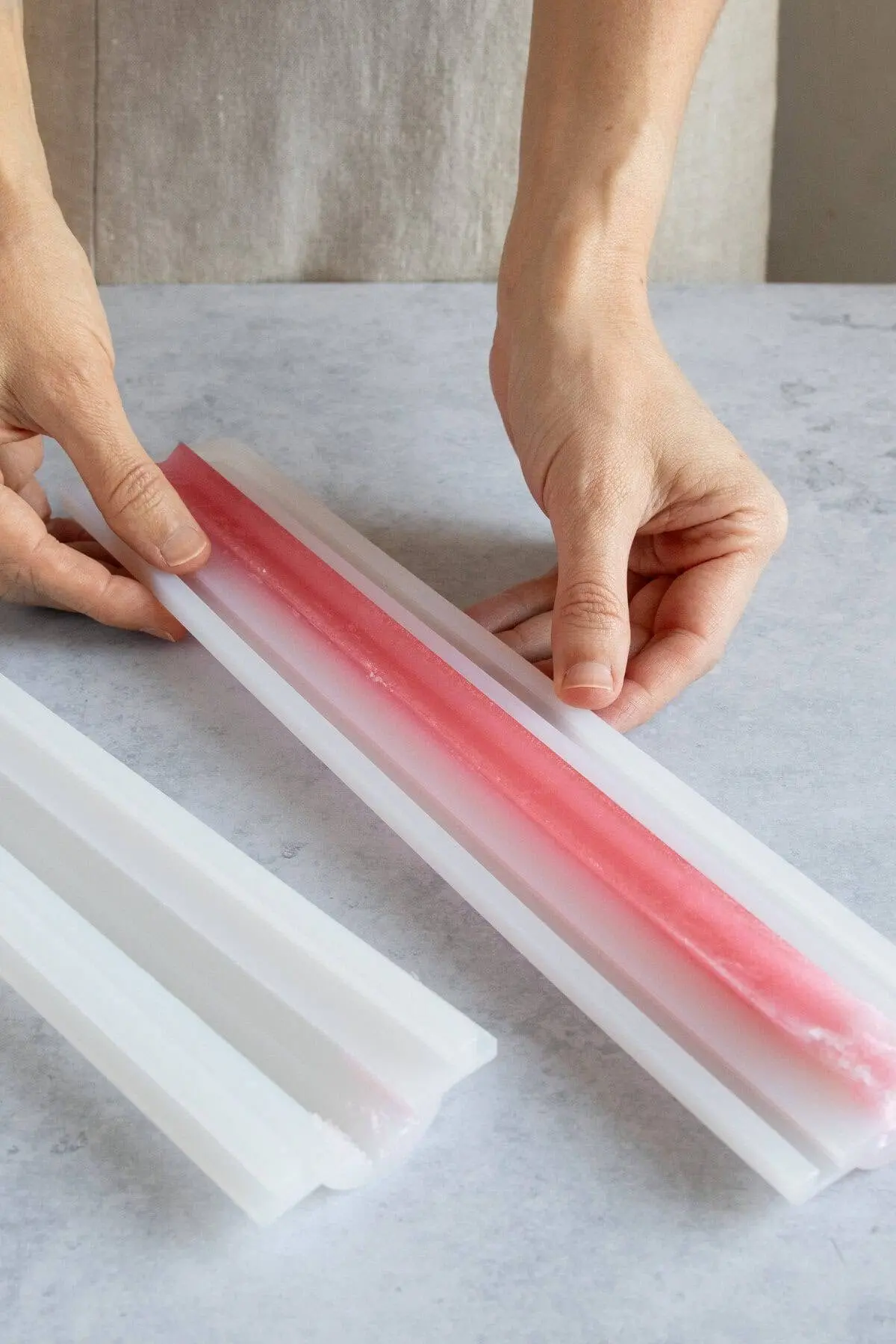
The poured soap requires approximately four to five hours to fully harden at room temperature. For makers dealing with stubborn molds, a quick, five-minute trip to the refrigerator or freezer helps release the bars cleanly. Because melt-and-pour soap naturally attracts ambient moisture—a phenomenon known as glycerin dew—finished bars must be tightly wrapped in plastic film and stored in a cool, dark environment away from direct sunlight to preserve their structural integrity and essential oil potency.

Supporting Data & Aromatherapy Science: The Power of Botanical Blends
The efficacy of sleep soaps relies heavily on the precise chemistry of aromatherapy. Essential oils are concentrated plant extracts containing volatile aromatic compounds that interact directly with olfactory receptors, transmitting rapid signals to the brain’s hypothalamus and limbic system. This interaction can positively influence heart rate, blood pressure, and stress hormone levels.
Industry guidelines suggest utilizing a ratio of one to two teaspoons of essential oil per pound of soap base, scaling up or down depending on personal olfactory sensitivity. Wellness formulators rely on three primary botanical blends to maximize nighttime relaxation:

- The Soothing Lavender Blend: Combining 30 drops of true lavender (Lavandula angustifolia) with 16 drops of grounding cedarwood and 6 drops of uplifting bergamot. Lavender is clinically recognized for its ability to increase slow-wave sleep, slowing heartbeat and relaxing muscles.
- The Nighty Night Blend: A gentle, floral-forward formulation featuring 25 drops of Roman chamomile, 12 drops of lavender, and 8 drops of warm vanilla extract. Roman chamomile is prized for its profound nervous-system-calming properties, often utilized to alleviate nervous tension and anxiety.
- The PM Calm Blend: A deeply earthy and exotic mixture comprising 20 drops of cedarwood, 8 drops of ylang ylang, and 5 drops of lavender. Ylang ylang acts as a mild sedative, balancing blood pressure and soothing frayed nerves after a high-stress workday.
Official Responses and Dermatological Perspectives
As DIY self-care trends gain mainstream traction, dermatologists and sleep researchers have weighed in on the intersection of skincare and sleep medicine.
Dr. Elena Vance, a board-certified dermatologist and integrative health researcher, notes that evening rituals play a profound psychological role in human health. "When we intentionally carve out time to create or utilize sensory-rich products like a lavender-infused soap, we are signaling a psychological boundary between the stressors of the day and the sanctuary of the night," Dr. Vance explains. "Dermatologically, using a gentle, glycerin-based cleanser before bed helps lock in skin moisture while avoiding the harsh synthetic detergents found in commercial body washes, which can cause skin irritation and subsequent nocturnal physical discomfort."

Meanwhile, pediatric sleep specialists have endorsed the use of mild, kid-safe variations of these soaps for children struggling with bedtime resistance. By substituting potent essential oils with gentler alternatives like chamomile or diluted lavender, parents can establish consistent, calming sensory triggers that help children wind down faster.
Broader Implications for the Wellness Industry
The rising popularity of homemade sleep soaps reflects a broader consumer shift away from industrial mass consumption toward intentional, handmade self-care. In a market saturated by high-priced commercial wellness products promising miraculous results, crafting personalized remedies empowers individuals to take direct control of their health and sleep hygiene.

Furthermore, this trend highlights a growing cultural appreciation for slow living. The multi-hour process of measuring, melting, swirling, and waiting for soap to cure stands in stark contrast to the rapid, instant-gratification loops fostered by modern technology. By investing time into the creation of a physical object designed solely to enhance rest, individuals are actively reclaiming their evenings, proving that sometimes the most effective technological antidote to modern insomnia is an old-fashioned, botanical-infused bar of soap.