








In an era defined by rapid technological advancements in emergency medicine, complex pharmaceutical interventions, and highly specialized hospital equipment, a counter-movement is quietly gaining momentum—one that looks inward rather than outward. Imagine facing a sudden, high-stress medical crisis where the most vital piece of emergency equipment you reach for is not a sterile box of bandages, an automated external defibrillator (AED), or an EpiPen, but rather your own two hands.
This striking premise serves as the foundational philosophy behind the Aleph-Tav Body (ATB) training series. Recently, Episode 14 of the "ATB Personal Restoration Class," streamed on August 21, captured widespread attention by presenting a comprehensive catalog of unconventional somatic and bioenergetic techniques. According to the curriculum, specific hand placements and targeted touch methodologies can be utilized to address a remarkably diverse and severe range of physical emergencies.
From minor injuries to life-threatening trauma, the system claims to offer unprecedented avenues for self-reliance. However, it also challenges conventional medical paradigms, inviting a deeper examination into the intersections of ancient philosophy, bioenergy, and modern alternative wellness.
Main Facts: The Core Premises of the ATB System
At its heart, the Aleph-Tav Body (ATB) system is a specialized touch-therapy framework that bridges bioenergetic principles with anatomical awareness. Developed and presented by Dr. Alphonzo Monzo, the system asserts that the human body possesses innate, self-regulatory bioelectric and bioenergetic pathways that can be manually stimulated to initiate rapid physiological changes.
The August 21 broadcast moved rapidly through a dense array of applications, demonstrating how practitioners can intervene during:
- Seizures and neurological disruptions
- Acute thermal and chemical burns
- Asthma attacks and sudden respiratory distress
- Drowning recovery and oxygen deprivation management
- Systemic poisoning and toxic exposures
- Localized and systemic infections
- Foreign object extraction (splinters, metal fragments, venoms)
- Bone fractures and structural trauma
- Appendicitis and internal organ distress
- Strokes and acute cardiovascular events
- Heart palpitations and rhythm irregularities
What sets the ATB methodology apart from conventional first-aid courses is its dual focus: many of these techniques are designed not only to be administered to a peer or family member in distress, but also to be performed independently as a form of self-rescue.
Proponents argue that the primary utility of the system lies in its portability and independence from external resources. In scenarios where professional medical help is delayed, geographically isolated, or overwhelmed, the ATB framework aims to bridge the critical gap between injury occurrence and clinical intervention.
Chronology: A Deep Dive into Episode 14 and Practical Demonstrations
To understand how the ATB system operates in practice, it is helpful to examine the chronological progression of techniques highlighted during the landmark August 21 broadcast. Dr. Monzo structured the session to move progressively from acute, observable trauma to deep-seated internal emergencies.
Phase 1: Neurological and Thermal Interventions
The episode opened with rapid-response protocols for neurological events, specifically targeting seizures. According to Dr. Monzo, a specialized grip involving both thumbs can be systematically applied until neurological activity stabilizes and symptoms recede.
From there, the presentation shifted to thermal trauma. For burns, the instructional guidelines dictate that a practitioner must hold specific anatomical locations for a minimum duration of 20 minutes. Dr. Monzo emphasized a striking qualitative claim regarding this method: “Once applied, the burn will stop in progress.” Beyond halting the cellular degradation caused by heat, the technique is purported to immediately initiate internal cooling, alleviate pain, and mitigate long-term dermal scarring.
Phase 2: Extraction and Bioenergetic Purging
Moving into environmental and physical hazards, the episode tackled the removal of foreign objects and toxins. Dr. Monzo detailed an "extraction" protocol that sounds almost paradoxical to conventional medicine: a hands-on bioenergetic draw capable of pulling splinters, cysts, infections, venoms, heavy metals, and systemic poisons out through the skin without surgical incisions or mechanical tools.
However, the presentation maintained a pragmatic caveat regarding time. While the technique is described as exceptionally thorough, it is by no means instantaneous. During the broadcast, Dr. Monzo recalled a personal or observed case where a standard wooden splinter required approximately 45 minutes of continuous application to completely emerge from the tissue. For larger, more deeply embedded, or chemically complex objects, the required duration would theoretically scale upward.
Phase 3: Critical and Life-Threatening Scenarios
The most ambitious—and heavily scrutinized—segment of Episode 14 addressed high-acuity medical emergencies where every second dictates survival. Dr. Monzo shared historical and anecdotal accounts illustrating the system’s application in extreme trauma.
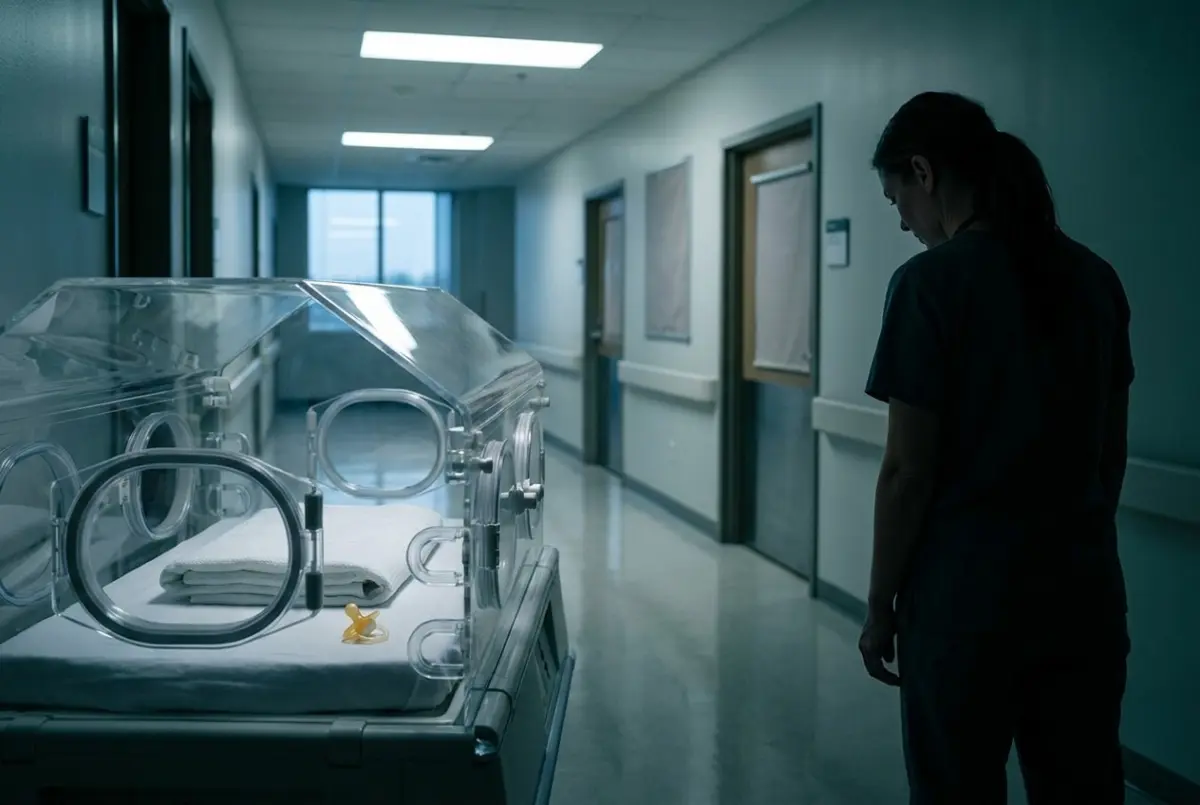
Among the most dramatic narratives was an alleged case of a pediatric patient experiencing a ruptured appendix. According to the account, a mother utilized ATB restorative touch techniques throughout the night while awaiting definitive medical care. When the child was eventually brought to a physician for surgical intervention, the operating surgeon reportedly found no active infection requiring the extensive tissue cleanup typically associated with a ruptured appendix.
Additional segments touched upon protocols for mitigating the ischemic damage of strokes, managing the physiological shock of near-drowning incidents, and stabilizing acute heart-related crises. In each instance, the underlying philosophy remained consistent: utilizing focused intent, bioenergetic alignment, and precise touch to alter the body’s internal state before emergency medical services (EMS) can arrive.
Supporting Data and Theoretical Foundations: Understanding the Framework
To fully contextualize the claims made in Episode 14, one must examine the broader educational ecosystem surrounding the "ATB Personal Restoration Class," currently streaming on BrightU.
The comprehensive video course spans more than 31 hours of exclusive instruction, designed to take learners on a methodical, step-by-step journey through the mechanics of the ATB framework. Rather than presenting the techniques as isolated "tricks," Dr. Monzo roots the curriculum in a multidisciplinary synthesis of three core pillars:
- Biblical and Historical Concepts: The system derives its name ("Aleph-Tav," the first and last letters of the ancient Hebrew alphabet) from foundational theological principles, viewing the human body as a sacred, intricately designed vessel responsive to symbolic and linguistic resonance.
- Scientific and Bioenergetic Principles: The course explores modern understandings of bioelectromagnetism, fascial connectivity, and the nervous system. The premise is that human hands act as natural conductors and transmitters of subtle bioelectric fields capable of influencing cellular communication.
- Philosophical Frameworks: Learners are encouraged to reconsider their relationship with health, moving away from a purely mechanistic view of the body toward an integrative, holistic model of self-restoration.
Upon purchasing the "ATB Personal Restoration Class" package via BrightU, participants gain instant, on-demand access to all 14 core video modules, accompanied by exclusive BrightLearn digital literature designed to reinforce the physical demonstrations with theoretical depth.
Official Responses and Medical Context
While alternative health platforms and holistic practitioners embrace methodologies like the Aleph-Tav Body system for their emphasis on empowerment and non-invasive care, mainstream medical professionals and emergency response organizations maintain a cautious—and often skeptical—stance.
The Medical Consensus on Acute Emergencies
Board-certified physicians, toxicologists, and emergency medicine specialists consistently emphasize that while relaxation techniques and somatic therapies can support overall wellness and stress reduction, they should never replace standard medical interventions during critical health crises.
- Trauma and Burns: Medical standards dictate that severe thermal burns require immediate cool running water, sterile dressings, and evaluation for fluid resuscitation to prevent hypovolemic shock. Relying solely on touch therapy during deep-tissue burns risks deepening tissue necrosis or allowing undetected infections to proliferate.
- Poisoning and Envenomation: Clinical toxicologists stress that systemic venoms (such as those from pit vipers) or ingested poisons require specific antivenoms, gastric lavage, or pharmaceutical binding agents. The notion of drawing heavy metals or complex venoms out through the skin via hands-on bioenergetic extraction lacks empirical, peer-reviewed clinical validation.
- Cardiovascular and Neurological Crises: Conditions like myocardial infarctions (heart attacks), acute ischemic or hemorrhagic strokes, and severe anaphylaxis are time-sensitive medical emergencies. Clinical guidelines universally mandate rapid transit to a designated stroke or cardiac center equipped with thrombolytic agents, surgical interventions, and advanced life support (ALS). Delaying professional care to attempt unverified tactile stabilization protocols carries severe risks of permanent disability or mortality.
The Integrative Perspective
Advocates of the ATB system do not necessarily frame their methods as a hostile replacement for modern medicine, but rather as an immediate, pre-hospital bridge. In remote environments, disaster scenarios, or socioeconomic conditions where emergency services are severely delayed, proponents argue that having a structured, non-pharmaceutical toolkit provides psychological grounding and potential physiological stabilization.
Implications: The Future of Self-Reliance and Holistic Health
The resonance of the "ATB Personal Restoration Class" points to a broader cultural shift. Modern populations are increasingly seeking autonomy over their health and well-being. The rise of digital education platforms like BrightU allows specialized, niche knowledge systems to reach global audiences instantly, bypassing traditional academic or medical gatekeepers.
1. Empowerment vs. Risk
The democratization of health education fosters a profound sense of personal empowerment. Individuals are no longer passive recipients of medical care; they are active learners exploring the latent capacities of the human body. However, this empowerment carries an inherent dual-use risk: the fine line between self-reliance and medical negligence. Educational platforms offering alternative health instruction face the ongoing responsibility of contextualizing their methods responsibly alongside standard safety disclaimers.
2. The Evolution of Touch Therapy
Historically dismissed as purely psychological or anecdotal, somatic and bioenergetic therapies are slowly gaining incremental traction in integrative health spaces. As modern quantum biology and biophoton research continue to explore how cells communicate via subtle electromagnetic signals, frameworks like the ATB system invite researchers to look closer at phenomena that currently elude traditional diagnostic tools.
3. Preparedness in an Uncertain World
Ultimately, the popularity of classes focusing on needle-free, equipment-free healing reflects a growing societal anxiety regarding supply chain vulnerabilities, institutional stability, and emergency response times. Whether viewed as an innovative frontier in bioenergetic restoration or an intriguing philosophical exploration, programs like the "ATB Personal Restoration Class" challenge participants to rethink the boundaries of human capability in times of crisis.
Want to Know More?
To explore the principles of the Aleph-Tav Body System and dive deep into the intersection of bioenergy, ancient philosophy, and human restoration, you can access the complete "ATB Personal Restoration Class" streaming package directly on BrightU.com.
The comprehensive package includes instant access to all 14 video modules, exclusive BrightLearn literature, and guided step-by-step instruction led by Dr. Alphonzo Monzo.
For a preview of the curriculum, you can watch a featured snippet discussing a needle-free path to healing via the BrightU Series Snippets channel on Brighteon.com.