By Global Wellness & Psychology Desk
Published: October 24, 2023
Main Facts
In an era dominated by self-care culture, mindfulness apps, and the ubiquitous wellness mantra of "protecting your peace," a growing body of psychological critique suggests that modern coping mechanisms are frequently misapplied. According to personal essays, emotional wellness experts, and clinical observations, the boundary between healthy emotional preservation and outright avoidance has become dangerously blurred.
What many individuals—particularly chronic overthinkers and people-pleasers—label as "setting boundaries" or "conserving energy" often manifests as active emotional evasion. In high-stakes situations, such as family crises, medical diagnoses, or grief, utilizing wellness terminology to justify silence can shift disproportionate psychological burdens onto loved ones. True emotional resilience, psychologists argue, is not the eradication of discomfort through detachment, but the capacity to remain present amid relational and emotional friction.
Chronology of an Evasion: A Case Study in Modern Coping
The mechanics of emotional avoidance rarely announce themselves with dramatic flair; instead, they accumulate in micro-moments. A detailed retrospective shared by author and emotional sovereignty advocate Dakota J. Dawson illustrates how ordinary communication breakdown turns into systemic avoidance:
- The Precursor (Two Months Prior): A family patriarch undergoes routine medical testing. While no definitive diagnosis is initially delivered, a palpable shift in familial communication—such as tightening silences in group chats—signals an impending crisis.
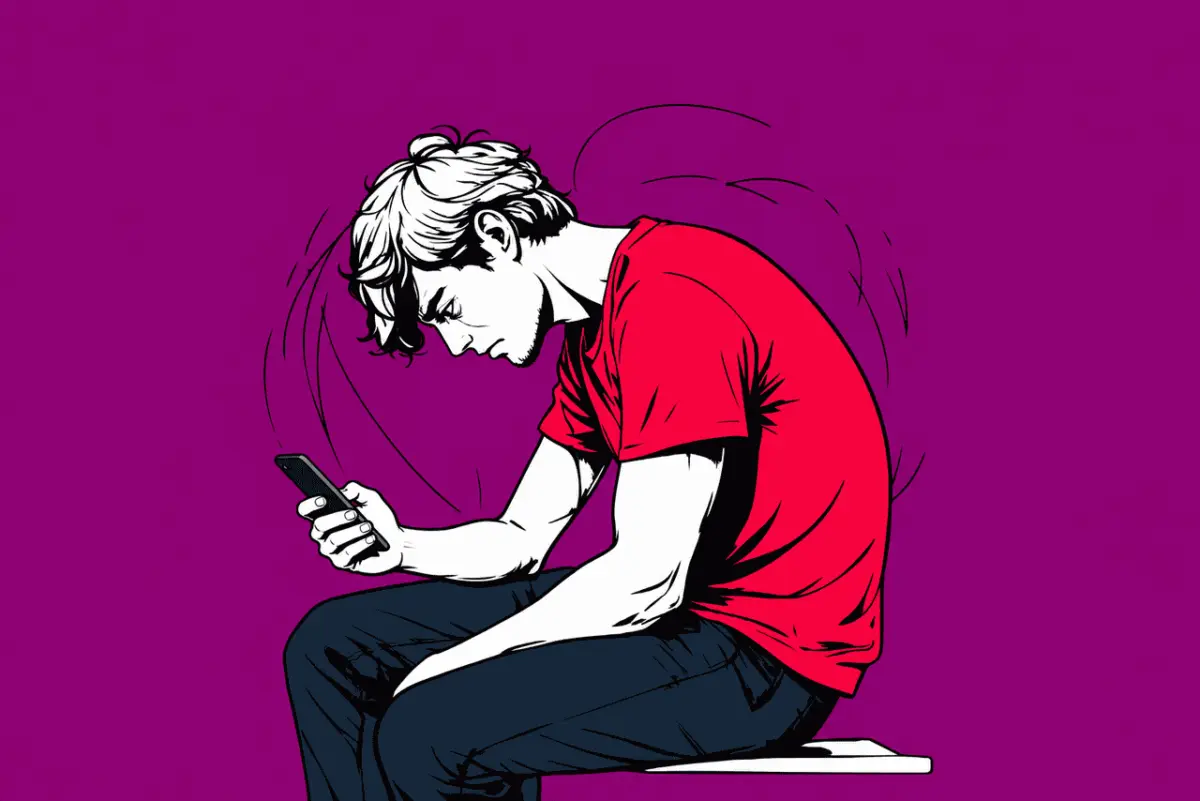
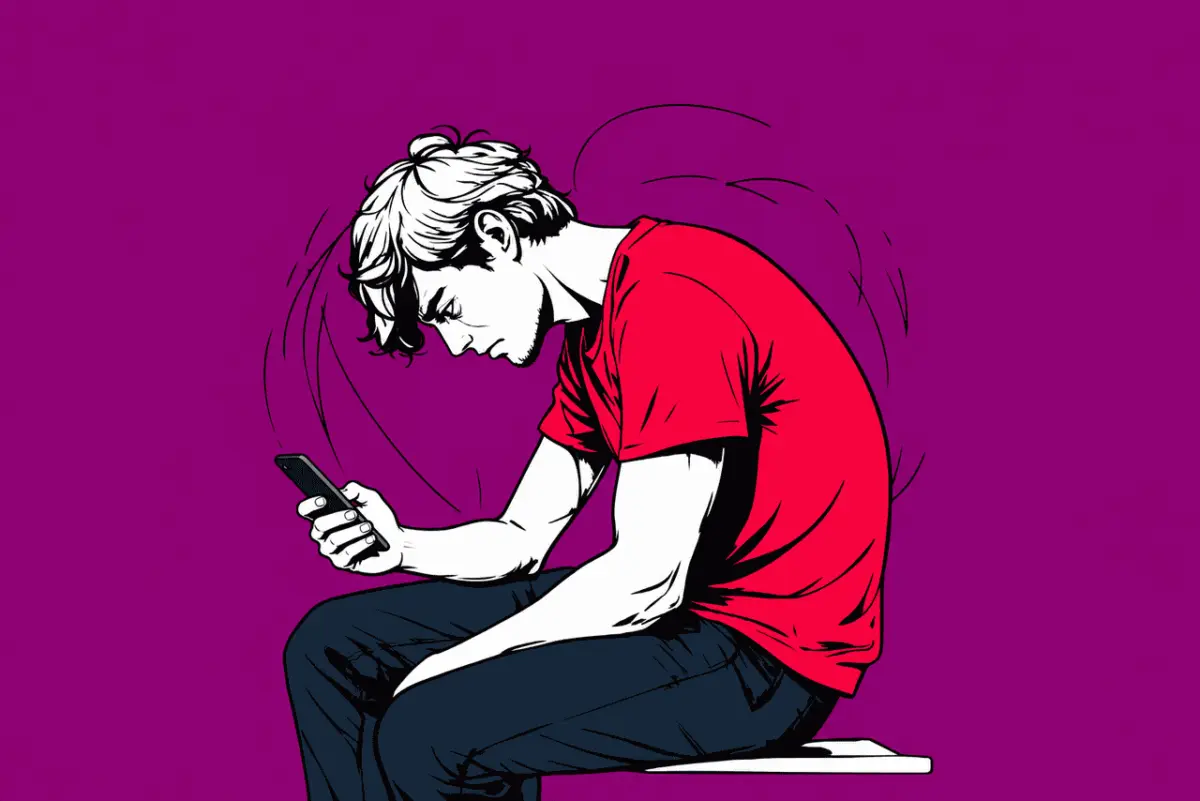
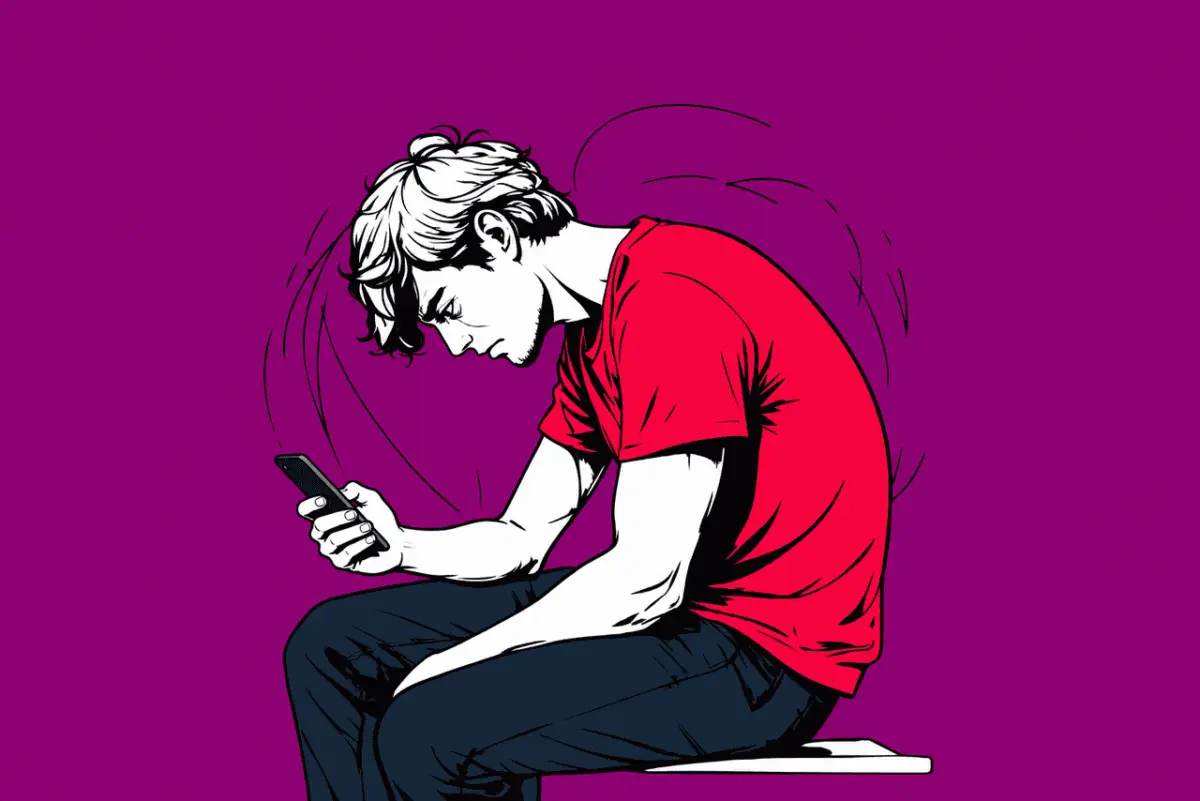
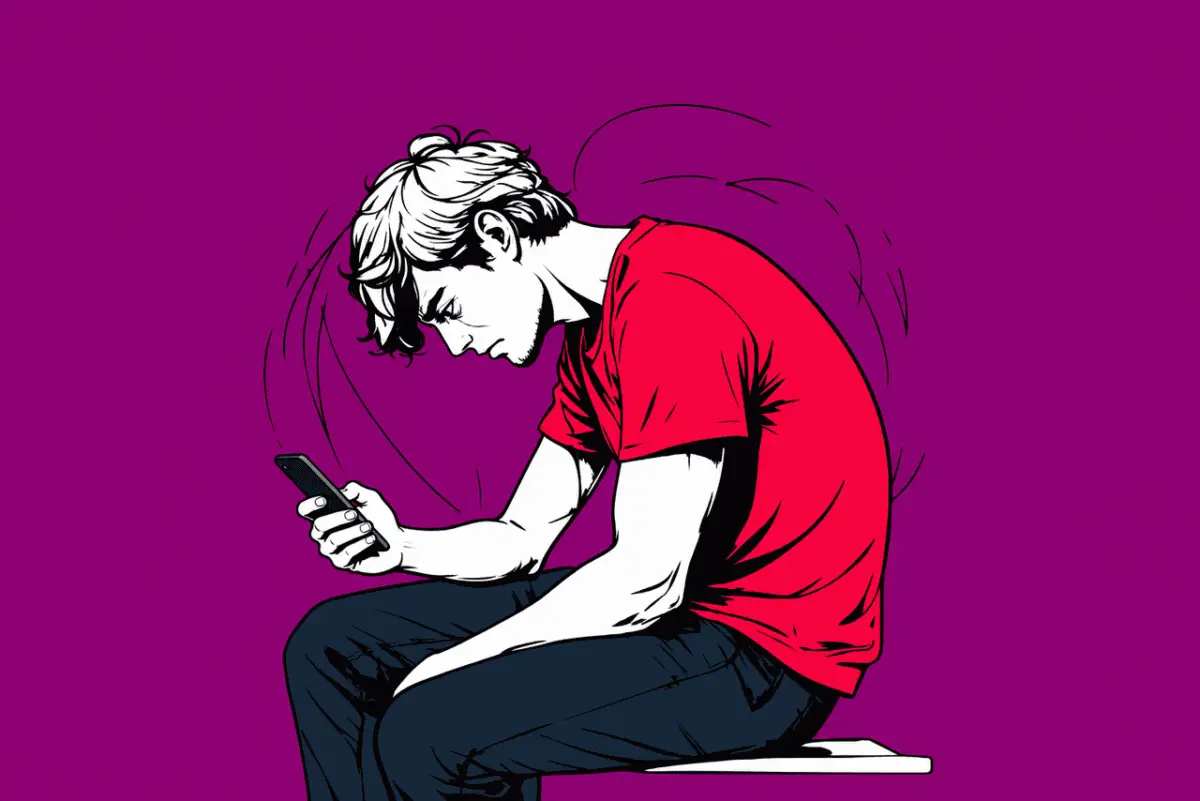
- The Escalation (Weeks One to Three): A sister attempts to call the narrator four times over a three-week period. Each incoming call triggers a physical stress response (chest tightness), prompting the narrator to place the phone face-down.
- The Rationalization Phase: The narrator actively weaponizes contemporary wellness vocabulary, convincing herself that ignoring texts, letting voicemail boxes fill up, and increasing yoga and meditation practices constitute "self-care" and "protecting energy."
- The Breaking Point (A Thursday Afternoon): The reality of the situation breaches the artificial barrier. The narrator’s mother calls with the official medical diagnosis, revealing that the sister had been desperately trying to prevent the narrator from receiving the news in total isolation.
- The Reconciliation: A belated return call reveals that the sister internalized the silence not as abandonment, but as a misguided form of independent coping—turning the narrator’s avoidance into an unearned grace.
- The Resolution: The narrator attends the initial medical treatment session, recognizing that real peace is found not in the avoidance of hard rooms, but in physically and emotionally showing up for them.
Supporting Data and Psychological Insights
The cultural saturation of phrases like "protecting your peace" reflects a broader societal pivot toward hyper-independence. While psychological boundaries are vital for mental health, behavioral scientists distinguish between functional detachment and maladaptive avoidance.
The Anatomy of Avoidance Behavior
- The Illusion of Wellness: Engaging in high-frequency wellness activities (e.g., excessive meditation, fitness regimes, or professional pacing) can serve as a sophisticated distraction technique. Rather than regulating the nervous system, it can insulate the individual from acute emotional triggers.
- The Relational Cost: When one family member withdraws under the guise of boundary-setting during a crisis, the emotional labor does not disappear; it is redistributed. It forces other members of the support system to carry double the weight while simultaneously navigating their own grief.
- The Linguistic Loophole: Modern digital communication (unread read-receipts, delayed text responses, and voicemail screening) provides technical avenues for psychological avoidance, allowing individuals to maintain the illusion that an event "has not yet happened" if it has not been actively consumed.
Official Responses and Expert Perspectives
Mental health professionals and authors specializing in emotional sovereignty have increasingly sounded the alarm regarding the weaponization of therapy-speak in everyday interactions.
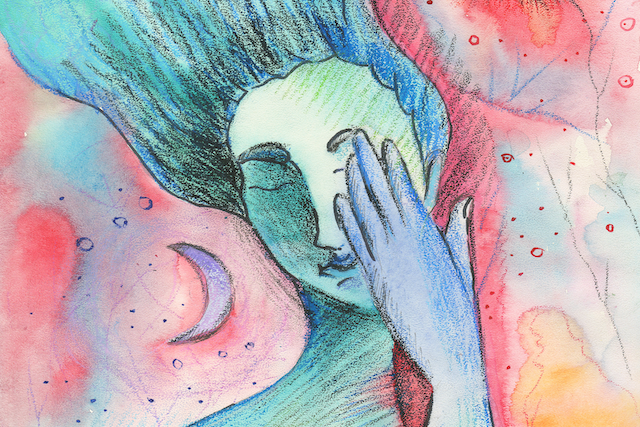
"Peace is not the absence of conflict, but the ability to cope with it." — Anonymous Proverb
According to clinical psychologists, the commercialization of wellness has inadvertently promoted an unsustainable standard: that a "healthy" life is one devoid of distress. When individuals consume media that equates discomfort with toxicity, they naturally seek to excise all difficult relational dynamics from their lives.
However, true psychological maturity requires what existential therapists call "radical presence." Experts emphasize that while boundaries protect individuals from toxic manipulation, abuse, or chronic exploitation, they should never be used as an evasion tactic to escape shared human grief, familial responsibility, or necessary vulnerability. True self-care fortifies the individual so they can show up for others, rather than shrinking their world until no one is left to hurt—and no one is left to love.
Implications for Modern Self-Care Culture
The cultural reckoning surrounding "peace-protecting" carries profound implications for how society approaches mental health, community resilience, and interpersonal relationships.
- Redefining Boundaries: Therapy and wellness communication must begin making a sharper distinction between defensive boundaries (designed to stop harm) and avoidant behaviors (designed to escape discomfort).
- The Danger of Isolation-Disguised-as-Healing: As digital connectivity makes physical presence optional, individuals run the risk of building hyper-curated, lonely bubbles where challenging truths are muted out. True healing is communal, messy, and frequently inconvenient.
- A Shift in Practice: The ultimate takeaway for overthinkers, people-pleasers, and wellness enthusiasts alike is a return to radical honesty. Before invoking the shield of "protecting your peace," individuals are encouraged to ask a singular, piercing question: “Am I protecting my nervous system, or am I just protecting myself from feeling something I don’t want to feel yet?”
By confronting this distinction, society can move past superficial, Instagram-infographic wellness and toward a deeper, more resilient understanding of what it means to truly care for oneself and others in times of crisis.