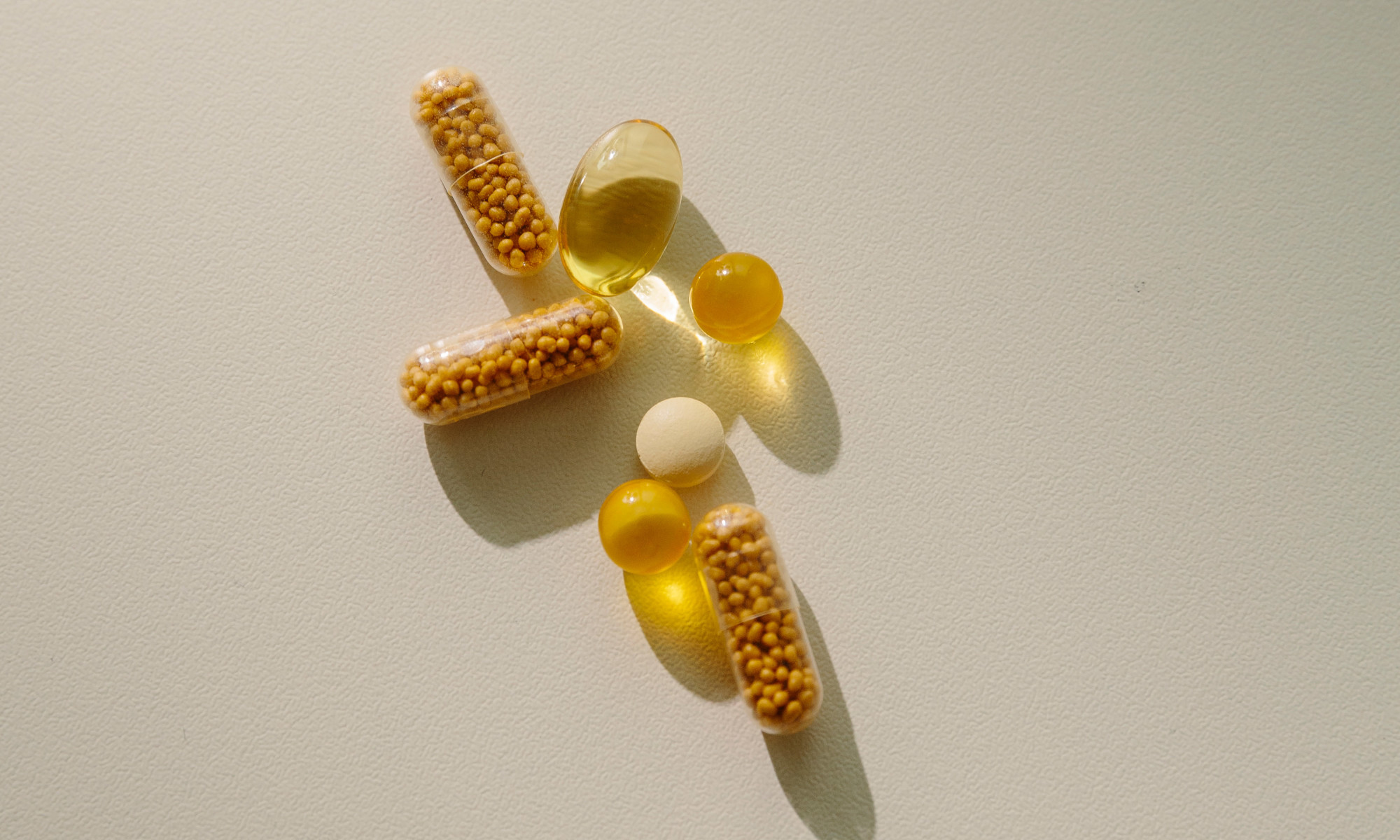
In the endless scroll of modern wellness media, few compounds have enjoyed the meteoric rise of berberine. For the past few years, a quick swipe through social media platforms reveals the plant-based alkaloid framed as the ultimate biological hack: "nature’s Ozempic." Touted as a seamless, plant-derived shortcut to optimized blood sugar, accelerated weight loss, and effortless metabolic health, it commands a seductive narrative. After all, who wouldn’t prefer a botanical supplement over a pharmaceutical prescription if the promises are identical?
Yet, experienced researchers and metabolic scientists view these viral claims with caution. Human physiology and metabolic networks are rarely so simple.
A landmark scientific review recently published in the International Journal of Molecular Sciences steps back from internet hype to address a more grounded, rigorous question: What is berberine actually doing inside the human body? The answers emerging from this comprehensive evaluation are far more nuanced than viral headlines suggest—and ultimately, much more fascinating.
Main Facts: Deconstructing the Berberine Phenomenon
To understand the core of the recent scientific review, it is essential to first separate the internet myth from clinical reality. Berberine is a bioactive compound extracted from several different plants belonging to the genus Berberis, including goldenseal, barberry, and Oregon grape. For centuries, it has held a prominent place in traditional Chinese medicine and Ayurveda, primarily used to treat gastrointestinal distress and infections.
In recent decades, Western science has taken notice of berberine’s apparent influence on glucose and lipid metabolism. This led to its popularization as a metabolic support supplement. However, calling berberine "nature’s Ozempic" is fundamentally misleading.
The Pharmaceutical Mechanism: Prescription GLP-1 receptor agonists, such as Ozempic or Wegovy, act with high precision. They bind directly to specific hormone receptors in the brain and pancreas, precisely modulating insulin secretion, suppressing glucagon release, and slowing gastric emptying to strongly regulate appetite and systemic blood sugar.
The Berberine Mechanism: Berberine does not target these specific hormone receptors in a direct, pharmaceutical fashion. Instead, the latest molecular and clinical data show that its primary theater of action is the gastrointestinal tract. Rather than acting as a direct hormone mimic, berberine influences metabolic health indirectly by modifying the gut environment—reshaping the microbiome, reducing localized intestinal inflammation, and altering systemic metabolic signaling cascades from the inside out.
Chronology: From Ancient Roots to Modern Metabolic Scrutiny
The journey of berberine from an obscure botanical remedy to a front-page wellness fixture spans centuries of traditional use and decades of modern pharmacological investigation.
Phase 1: Traditional and Ethnobotanical Roots (Pre-20th Century)
For generations, practitioners of traditional herbal medicine utilized berberine-rich root extracts to treat dysentery, acute diarrhea, and parasitic infections. Its bitter taste and potent antimicrobial properties made it a staple remedy for combating microbial imbalances in the gut, long before modern microbiology mapped out the intestinal microbiome.
Phase 2: Early Pharmacological Discoveries (Late 20th Century)
As modern science began isolating plant alkaloids, researchers identified berberine’s potential antimicrobial and anti-inflammatory properties. In the late 1990s and early 2000s, clinical observations began noting an unexpected side effect in patients taking berberine for gut infections: improvements in their lipid profiles and blood glucose levels. This sparked a wave of preliminary animal and human trials investigating its potential role in managing type 2 diabetes and dyslipidemia.
Phase 3: The Social Media Boom and the "Ozempic" Comparison (2020–2025)
As the obesity and metabolic health crises accelerated globally—and prescription weight-loss medications faced severe supply shortages and high costs—wellness influencers seized upon berberine’s historical association with blood sugar control. Lacking nuance, the internet christened it "nature’s Ozempic." Sales surged across e-commerce platforms as consumers sought accessible, over-the-counter alternatives to injectable peptide drugs.
Phase 4: The Empirical Reckoning (Late 2026)
With the publication of the recent comprehensive review in the International Journal of Molecular Sciences, the scientific community has attempted to recalibrate the conversation. By consolidating over 126 specialized studies, researchers have shifted the focus away from unrealistic weight-loss comparisons and toward a rigorous examination of how berberine interacts with the gut barrier and microbial ecosystem.
Supporting Data: Inside the Comprehensive Review
Rather than conducting a single isolated trial, the authors of the new review cast a wide investigative net. They synthesized data from over 126 individual studies spanning molecular biology, animal models, clinical trials, and microbiome research. Their primary objective was to evaluate berberine’s precise impact on three interconnected systemic factors:
Gut inflammation
Intestinal barrier integrity
Microbial composition
The Microbiome Connection
The review underscores a vital truth of modern physiology: metabolism is not solely a matter of calories consumed versus calories expended, nor is it governed by insulin alone. Instead, human metabolic health is deeply intertwined with the gut microbiome—the trillions of bacteria, fungi, and micro-organisms living inside the digestive tract.
Berberine acts as a potent modulator of this microbial community. It selectively inhibits certain pathogenic bacterial strains while encouraging the proliferation of beneficial, short-chain fatty acid (SCFA)-producing bacteria. Short-chain fatty acids, such as butyrate, propionate, and acetate, play critical roles in regulating host energy metabolism, strengthening the intestinal epithelial barrier, and dampening systemic inflammation.
By improving the health of the intestinal lining, berberine prevents endotoxins (like lipopolysaccharides) from leaking out of the gut and into the bloodstream—a phenomenon known as metabolic endotoxemia, which is a key driver of chronic, low-grade systemic inflammation and insulin resistance.
Why Results Are Inconsistent Across Individuals
If you have ever recommended a supplement to a friend that worked wonders for them, only for it to do absolutely nothing for your own biomarkers, you have witnessed the reality of microbiome-dependent pharmacology.
Because berberine exerts its primary metabolic effects through the gut microbiome, its efficacy is tied directly to the unique microbial fingerprint of the individual consumer. No two people possess the exact same microbial landscape. Factors such as baseline diet, chronic stress levels, sleep quality, genetic variations, and recent antibiotic use drastically alter an individual’s gut ecosystem. Consequently, two people taking the exact same dose of berberine can experience radically divergent health outcomes—not because the supplement is flawed, but because the biological environment in which it operates is entirely unique.
Official Responses and Expert Perspectives
As the wellness industry processes the findings of this latest review, integrative physicians, gastroenterologists, and clinical researchers have weighed in on the appropriate place for berberine in modern health routines.
Medical professionals generally agree that while berberine is a fascinating and potent botanical compound, it has been dangerously oversimplified by commercial marketing.
"Berberine is a powerful tool, but it is a pharmacological agent with real biological activity—it is not a benign wellness vitamin," notes clinical pharmacologists reviewing metabolic interventions. "When patients treat it casually like a daily multivitamin, they overlook the fact that it actively alters hepatic enzyme pathways and microbiome populations."
Furthermore, experts emphasize that berberine carries a distinct profile of potential side effects and drug interactions. Because it is metabolized significantly in the liver and gut via specific cytochrome P450 enzyme pathways, it can interfere with the metabolism of numerous prescription medications.
Metformin and other glucose-lowering drugs: Combining berberine with prescription diabetes medications can lead to synergistic effects, potentially precipitating dangerous episodes of hypoglycemia (low blood sugar).
Blood thinners (Anticoagulants): Berberine can influence platelet aggregation and interact with medications like warfarin, increasing bleeding risks.
Cyclosporine and immunosuppressants: Alterations in gut and liver enzyme activity can change blood concentrations of these critical drugs.
Gastroenterologists also note that high doses of berberine frequently trigger gastrointestinal side effects, including cramping, diarrhea, flatulence, and abdominal discomfort, particularly in individuals with pre-existing gut sensitivities or irritable bowel syndrome (SIBO/IBS).
Implications: A Better Framework for Metabolic Health
The true takeaway from the latest berberine research extends far beyond a single botanical supplement. It challenges a pervasive cultural desire: the search for a single, universal lever to pull—a magic bullet or dietary shortcut that yields identical, effortless results for everyone.
Human metabolism does not operate according to a one-size-fits-all model. It is responsive, context-dependent, and deeply dynamic. It is shaped by complex lifestyle patterns accumulated over years and decades, rather than a quick fix added to a shopping cart on a whim.
Foundations Over Fads
For those considering berberine, clinical experts recommend viewing it as a targeted, short-term therapeutic tool for specific clinical indications—such as managing certain forms of dysbiosis or addressing specific markers of metabolic dysregulation—rather than a foundational health staple. Crucially, its use should always be discussed with a qualified physician or endocrinologist.
Ultimately, sustainable metabolic health relies on consistent lifestyle foundations that support the internal environment from the ground up:
Nutrient-Dense, Fiber-Rich Diets: Providing diverse prebiotics to nourish a resilient, multi-strain gut microbiome.
Regular Physical Activity: Enhancing insulin sensitivity and glucose disposal directly through muscular contraction.
Circadian Alignment and Sleep Hygiene: Protecting hormonal balance and metabolic signaling through consistent rest cycles.
Stress Mitigation: Lowering chronic cortisol elevations that directly impair gut barrier function and glucose regulation.
Berberine may have a legitimate and scientifically supported role to play in modern medicine, but it remains a supporting actor, not the main event. True metabolic resilience requires honoring the intricate, personalized ecology of the human body.