By Global Wellness Desk
Published: October 2026
Main Facts
In an era defined by hyper-connectivity, remote work blurriness, and relentless economic pressures, contemporary society is facing an unprecedented mental health crisis centered around chronic stress and burnout. According to recent public health observations, modern adults increasingly mistake constant motion for progress, adopting coping mechanisms that masquerade as relaxation while actually deepening physiological and emotional fatigue.
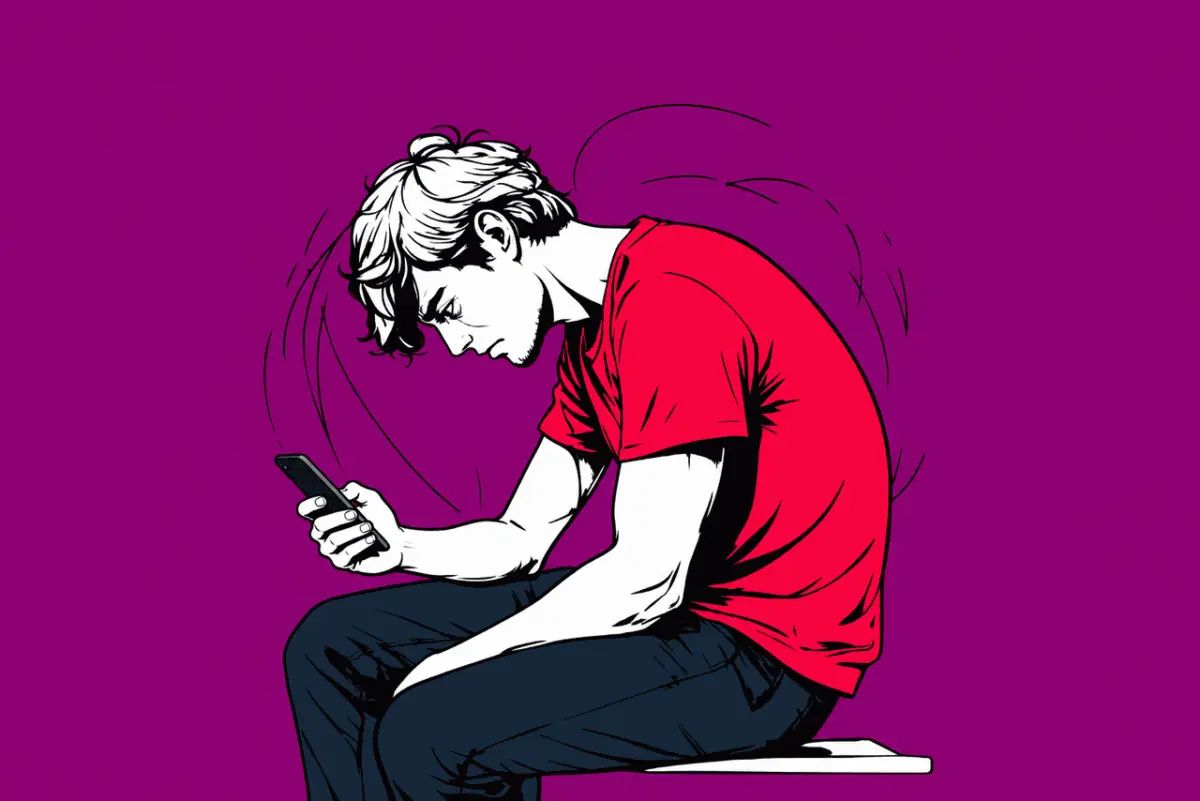
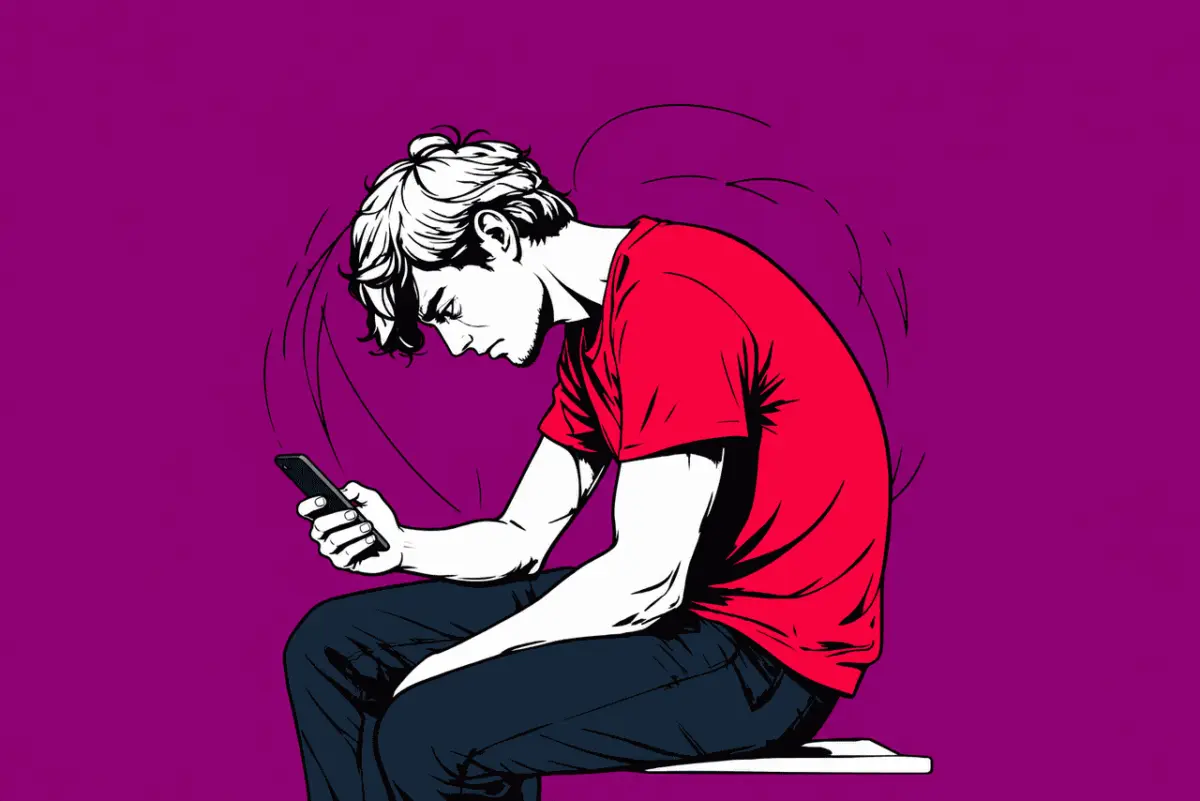
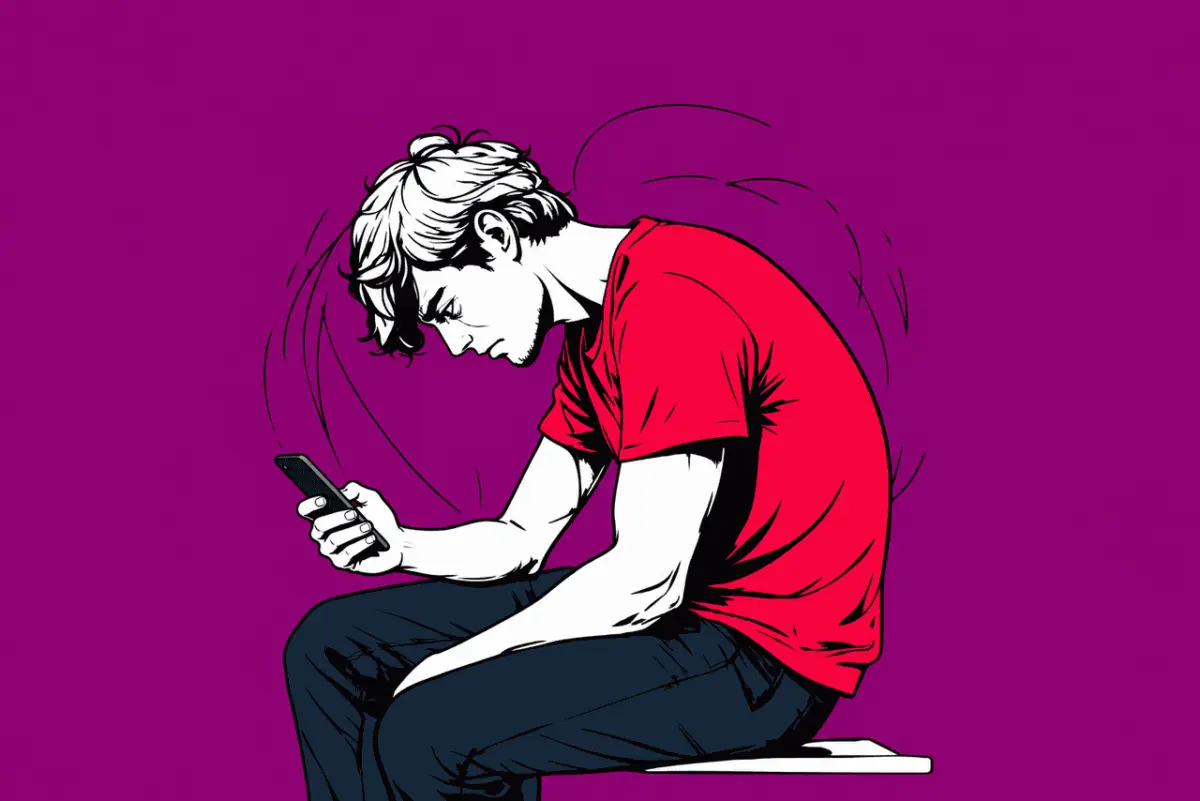
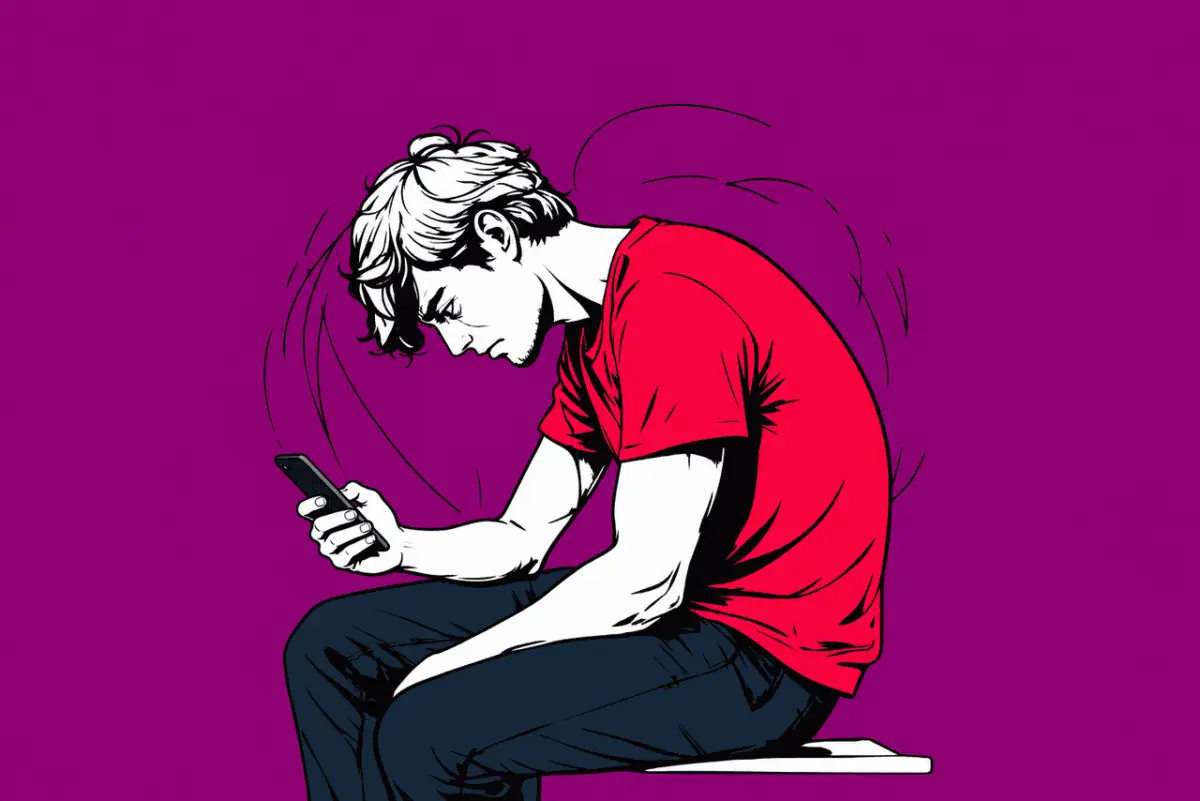
At the core of this cultural phenomenon is a toxic conditioning that ties human self-worth directly to daily productivity. Rather than addressing emotional exhaustion through restorative practices, millions of individuals turn to digital escapism, emotional suppression, and temporary dopamine loops—such as endless social media scrolling, binge-watching, or compulsive shopping.
Mental health advocates, psychologists, and wellness writers are now pushing for a paradigm shift. They argue that true recovery is not a reward to be earned after exhausting every ounce of one’s energy, but a fundamental biological requirement. Healing, experts emphasize, requires individuals to dismantle the narrative that stress is a personal failure and instead treat their nervous systems with the same compassion they would offer a distressed child.
Chronology of a Cultural Shift: From the "Ice Castle" to Conscious Recovery
To understand how modern society arrived at its current relationship with stress, one must examine the generational evolution of domestic and professional expectations.
- The Mid-to-Late 20th Century (The Era of Rigidity): For many individuals raised in traditional, highly structured households, life was historically framed as a series of mandatory obligations rather than personal pursuits. Emotional suppression was normalized; children were taught that enduring discomfort, maintaining a flawless public facade, and prioritizing order over emotional well-being were simply standard parts of the human experience.
- The Counter-Culture of Warmth and Intuition: Running parallel to rigid domestic structures were pockets of intuitive living—exemplified by older generations who prioritized creative fulfillment, connection with nature, and emotional honesty over sterile perfection. These environments served as early blueprints for nervous system regulation, though they were often dismissed by mainstream society as impractical.
- The Digital Age and Accelerated Burnout (2000s–2020s): The advent of smartphones and social media algorithms fundamentally altered human downtime. What was once unstructured quiet time transformed into an endless loop of digital consumption. The boundary between labor and leisure dissolved entirely, leading to exponential spikes in generalized anxiety disorders, chronic fatigue, and burnout across global populations.
- The 2026 Reckoning: Today, a growing cultural movement challenges the "hustle culture" of the previous two decades. Writers, holistic health practitioners, and everyday individuals are publicly redefining recovery. By rejecting the emotional masks of the past ("I’m fine," "It wasn’t that bad"), contemporary society is beginning to recognize chronic stress not as a badge of honor, but as an urgent distress signal from the mind and body.
Supporting Data & Psychological Insights
The psychological toll of modern productivity culture is heavily documented by behavioral scientists and neurological researchers.
- The Algorithmic Trap: Studies on screen time and cognitive fatigue indicate that average adults spend upwards of three to four hours daily on smartphones post-work, primarily engaging in passive scrolling. Rather than resting the prefrontal cortex, this behavior overstimulates the brain, increasing cortisol levels and preventing the nervous system from entering a restorative state.
- The Cost of Emotional Suppression: Clinical psychology demonstrates that unexpressed emotions do not dissipate; they manifest somatically. Chronic emotional suppression is directly linked to muscle tension, sleep disorders, weakened immune responses, and heightened systemic inflammation.
- The Myth of the "Earned Rest": Sociological surveys on workplace habits reveal that over 65% of professionals experience guilt when taking leisure time without first completing an exhaustive, often self-imposed, task list. This psychological barrier prevents genuine neural recovery, keeping the brain locked in a perpetual "fight-or-flight" loop even within the safety of the home environment.
Official Responses and Expert Perspectives
Mental health professionals and wellness advocates are increasingly vocal about the urgent need to restructure how society approaches rest, emotional expression, and daily recovery.
Dr. Elena Vance, a clinical psychologist specializing in somatic trauma and nervous system regulation, notes that modern society has fundamentally misunderstood the biological purpose of stress.

"Stress is not a moral failing or an indicator of weakness," Dr. Vance explains. "It is biological data. When our shoulders ache and our thoughts race, our bodies are not telling us to work harder; they are telling us our boundaries have collapsed and we require safety. Until we stop treating rest as a luxury item earned through exhaustion, systemic burnout will remain our baseline."
Writers and cultural commentators who draw from personal narratives of recovery echo these sentiments. Authors such as Oleksandra Fomichova have championed the concept of transitioning from "production" to "creation"—moving away from algorithmic expectations and toward authentic self-expression.
"For a long time, many of us confuse constant motion with meaningful progress," notes Fomichova in her recent reflections on modern empathy and self-worth. "When you are always running, you rarely notice where you are actually going. True healing begins the moment we stop performing our lives for others and begin allowing ourselves the grace of a clean slate every single morning."
Implications for the Future
The cultural pivot away from hustle culture and toward compassionate recovery carries profound implications for workplaces, family dynamics, and individual longevity.
1. Workplace Culture and Productivity Reimagined
As burnout rates force organizations to rethink labor models, forward-thinking companies are beginning to prioritize mental health infrastructures. The realization that exhausted employees produce fragmented, uninspired work—while rested employees foster genuine creativity—is shifting corporate policies toward flexible schedules, mandatory unplugging, and holistic wellness initiatives.
2. Parenting and Generational Healing
A vital implication of this cultural shift lies in how the next generation is raised. By discarding the generational mandate to "endure everything and smile through the pain," modern parents are teaching children that emotional literacy is a strength. When children are allowed to express frustration, sadness, and vulnerability without judgment, they develop resilient nervous systems capable of navigating adult stressors without resorting to emotional masking.
3. Redefining Personal Success
Ultimately, the movement against toxic productivity challenges the very definition of a successful life. It urges individuals to trade the moving finish line of endless achievement for a sustainable rhythm of creation and recovery.
As society continues to navigate an increasingly demanding technological landscape, the whispered advice of holistic recovery remains clear: the to-do list will always be waiting tomorrow, but the nervous system requires our attention today. True bravery in the modern world is not found in how much pain one can endure or how many tasks one can crush, but in the quiet, radical act of becoming a safe harbor for oneself.