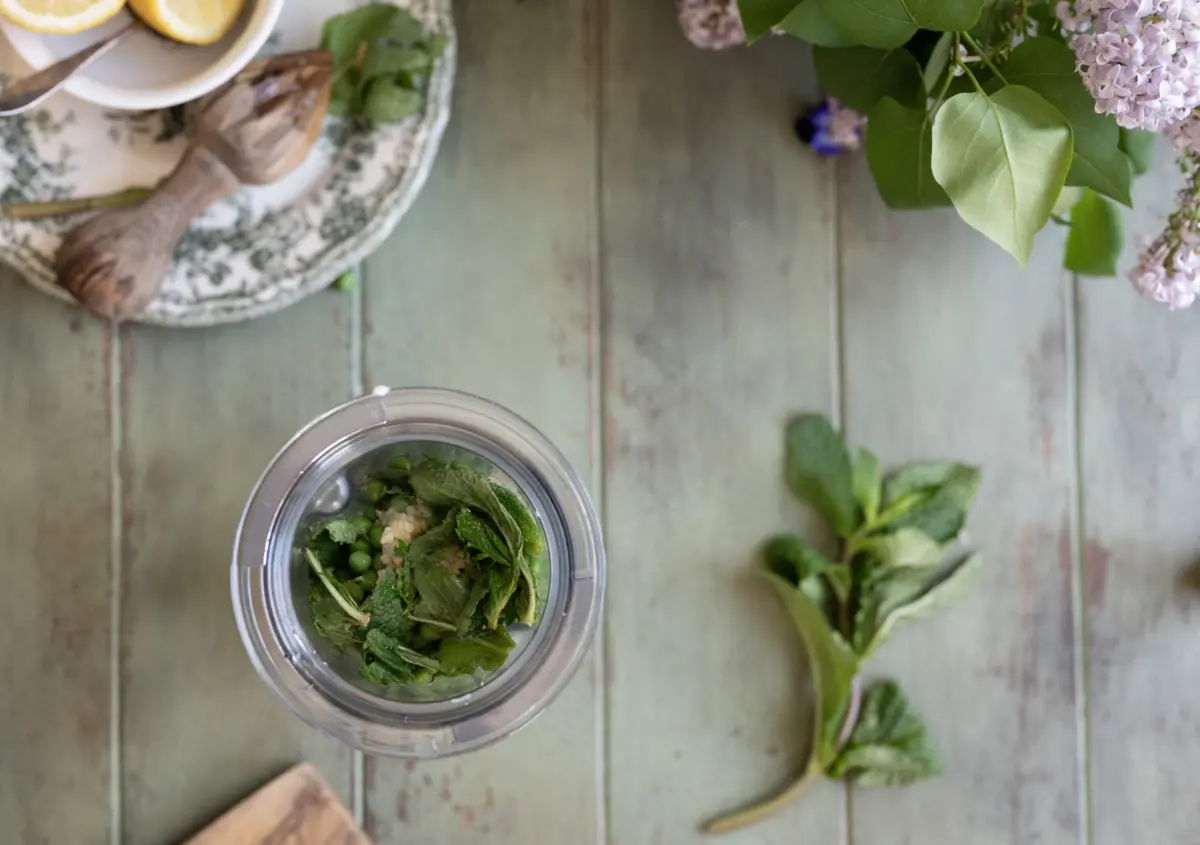
CULINARY TRENDS — In the modern landscape of home entertaining, the pendulum has decisively swung away from heavy, processed party foods toward nourishing, plant-forward creations that prioritize both aesthetic beauty and functional health. Leading this culinary movement is a deceptively simple dish that is rapidly capturing the attention of food stylists, holistic nutritionists, and home cooks alike: the Pea and Mint Crostini.
Blending sweet green peas, cooling fresh mint, and creamy ricotta over crisp toasted sourdough, this vibrant green spread offers a high-protein, high-fiber profile without sacrificing elegance. Whether gracing the table at an afternoon garden party or served alongside an assortment of crisp spring crudités, this dish encapsulates the growing appetite for food that functions simultaneously as nourishment and visual art.
Main Facts: Anatomy of a Botanical Masterpiece
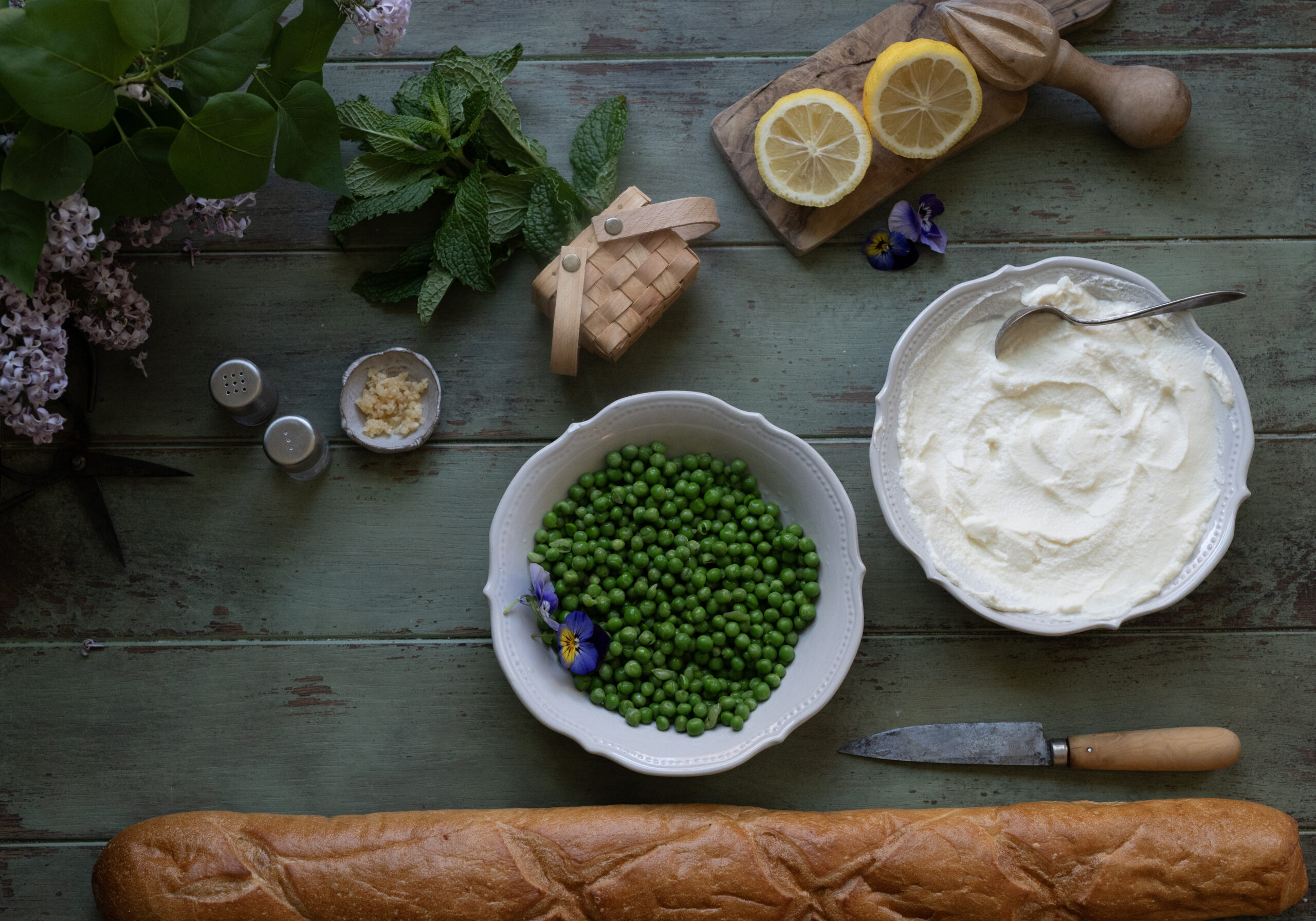
At its core, the Pea and Mint Crostini is an exercise in ingredient-driven simplicity. Rather than masking flavors with heavy sauces or artificial additives, the recipe relies on the natural brightness of wholesome, time-tested staples.
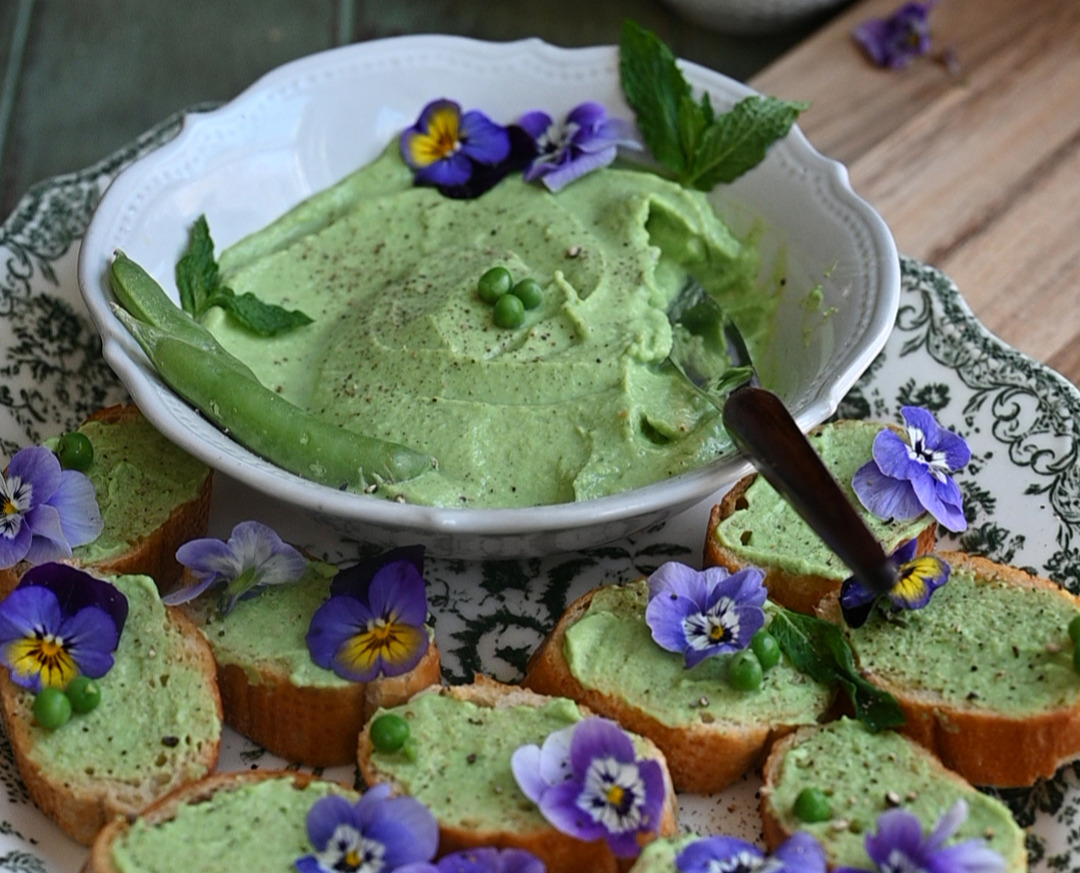
The nutritional backbone of the spread is the green pea (Pisum sativum). Often relegated to winter comfort foods like split pea soup, green peas shine brilliantly in warmer-weather preparations. A single cup provides an impressive 8 grams of protein and nearly 9 grams of dietary fiber. When whipped together with whole-milk ricotta cheese, the peas create a lush, creamy foundation that feels indulgent while remaining light on the palate.
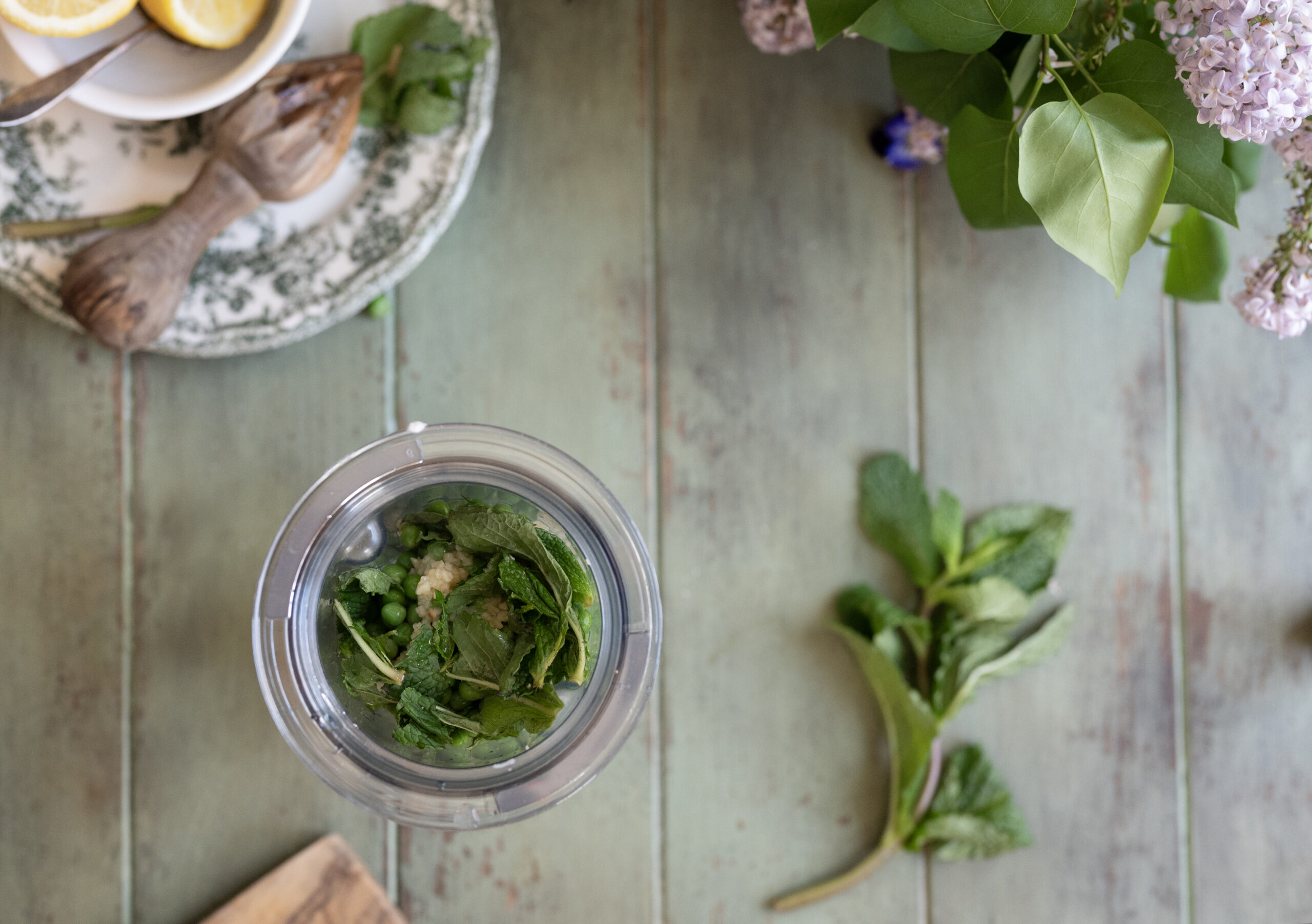
Accompanying the peas is an aromatic ensemble of fresh mint (Mentha spp.), sharp lemon juice (Citrus x limon), raw garlic (Allium sativum), and freshly ground black pepper (Piper nigrum). Spread generously over toasted sourdough baguette slices brushed with extra virgin olive oil, the result is a masterclass in textural and flavor contrast: the crunch of the bread meets the velvety bite of the spread, balanced by herbal freshness and a zesty citrus finish.
Chronology: From Ancient Ayurvedic Wisdom to Modern Table Spread
While the pairing of peas, mint, and dairy feels distinctly contemporary—frequently trending across lifestyle blogs and fairy-inspired garden spreads—the culinary and medicinal lineage of these ingredients spans centuries.
- Ancient Roots and Ayurvedic Traditions: Long before appearing on modern appetizer platters, the individual components of this dish were prized for their therapeutic properties. According to traditional Ayurvedic texts (such as those outlined by Lad & Lad in Ayurvedic Cooking for Self-Healing), green peas are classified as astringent, cooling, and purifying—making them an ideal dietary choice for warm weather. Similarly, the sour profile of lemon juice and the digestive fire (agni) stimulated by black pepper have long been utilized to optimize metabolic function and fat digestion.
- The Rise of Botanical Cuisine: In recent decades, the intersection of herbalism and gastronomy has grown exponentially. As holistic self-care guides like Maria Noël Groves’ Body into Balance popularized the integration of everyday medicinal herbs into daily routines, cooks began looking closer at kitchen staples like garlic and mint not just for flavor, but for their wellness attributes.
- The Contemporary Renaissance: Today, this historical knowledge has converged with the digital-age demand for photogenic, accessible cooking. The Pea and Mint Crostini has emerged as a viral sensation across culinary platforms, praised for delivering high-end restaurant aesthetics with minimal kitchen friction.
Supporting Data: The Nutritional and Functional Profile
What elevates this recipe from a standard party snack to a functional food is its impressive nutritional density. Each component contributes specific health-promoting compounds supported by both traditional use and modern nutritional science.
Green Peas
Boasting high levels of plant-based protein and soluble fiber, green peas support stable blood sugar levels and promote prolonged satiety. From a holistic perspective, their cooling energetic properties help soothe the body during high-activity days or warm seasonal climates.
Lemon Juice
Rich in ascorbic acid (vitamin C), fresh lemon juice is a potent immune-system ally. When consumed in water or integrated into food, it exerts an alkalizing effect and provides essential electrolytes. Furthermore, the acid stimulates hepatic bile production, assisting the body in breaking down dietary fats.

Mint Leaf
Beyond providing the striking emerald hue that defines the dish, mint acts as a natural carminative, gently easing digestive discomfort. Peppermint and spearmint varieties contain volatile oils that have been clinically and traditionally associated with soothing tension headaches, freshening breath, and promoting cognitive clarity.
Garlic and Black Pepper
Raw garlic functions as a powerful natural antimicrobial, offering cardiovascular support by helping to relax blood vessels and regulate blood pressure. Pairing it with freshly ground black pepper introduces piperine, which not only provides a pleasant warming contrast to the cooling peas and mint, but also enhances the bioavailability of surrounding nutrients while stoking digestive fire.
Official Perspectives and Culinary Insights
Culinary experts and holistic health practitioners alike champion the recipe for its effortless bridge between pleasure and wellness.
"We often complicate healthy eating, assuming that vibrant, nourishing food requires hours of preparation or hard-to-find specialty ingredients," notes a spokesperson for contemporary herbal education platforms. "Dishes like the Pea and Mint Crostini remind us that the most potent medicines and the most delightful flavors are often sitting right in our refrigerators and gardens."
Chefs emphasize the versatility of the preparation. For individuals with sensitivities to raw garlic—which can occasionally cause mild gastrointestinal irritation—the recipe accommodates a simple modification: lightly sautéing the minced garlic in olive oil until golden brown before blending softens its bite while preserving its aromatic depth. Furthermore, the spread transitions seamlessly from a crostini topping to a versatile dip for raw vegetable crudités, gluten-free crackers, or grain bowls.
Implications: The Shift Toward Mindful Entertaining
The widespread popularity of the Pea and Mint Crostini signals a broader cultural shift in how society approaches social gatherings. As consumers become increasingly mindful of the impact of ultra-processed foods on metabolic and gut health, party menus are evolving.
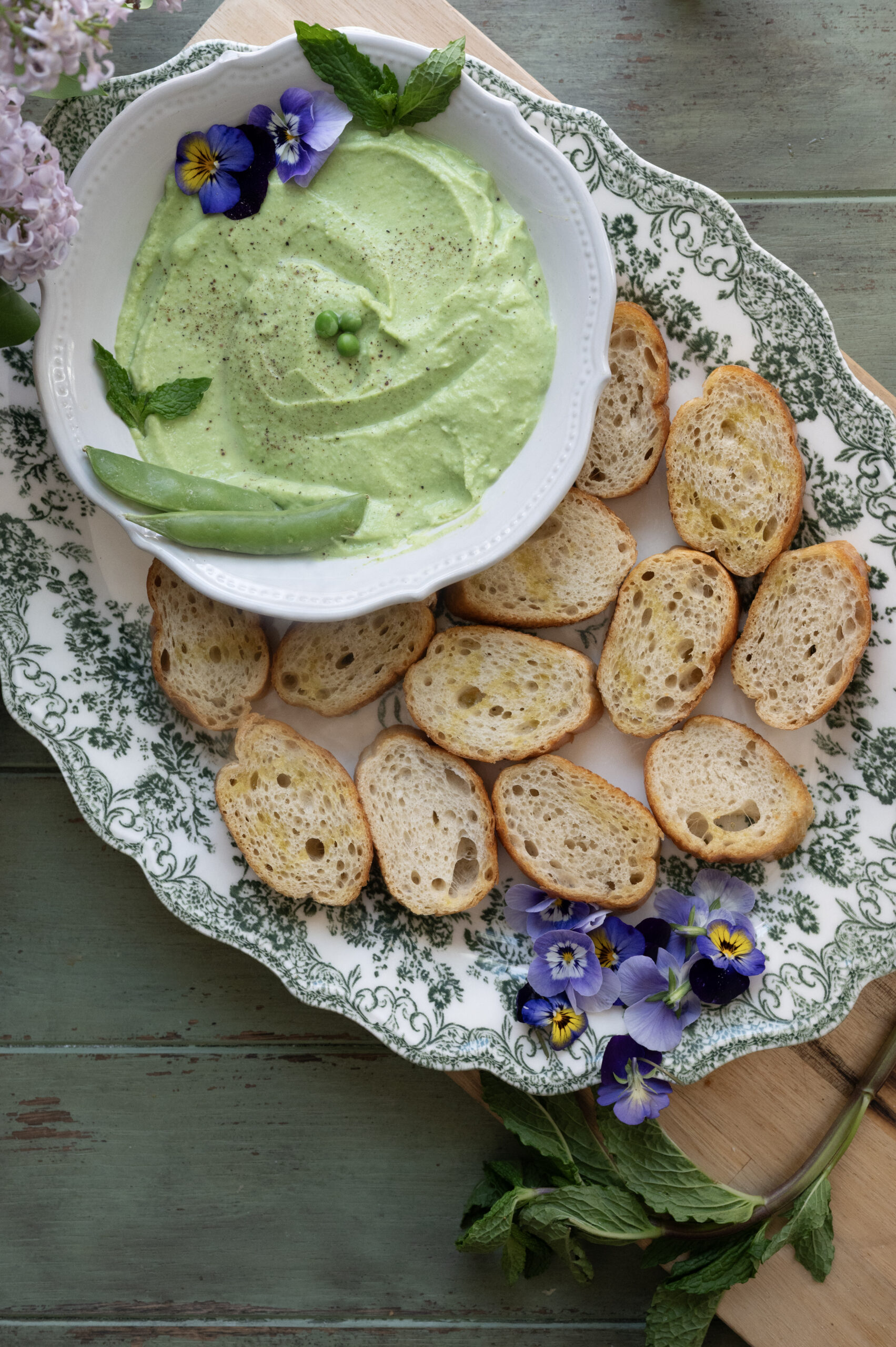
Hosts are moving away from heavy, lipid-laden canapés that induce sluggishness, opting instead for dishes that leave guests feeling energized, nourished, and mentally refreshed. By harnessing the functional properties of everyday herbs and vegetables—turning simple legumes and garden leaves into a high-protein pick-me-up—this recipe demonstrates that luxury in modern dining is no longer about extravagance or excess. Rather, it is defined by vitality, simplicity, and a deep connection to the natural world.
As home cooks increasingly seek out recipes that require minimal time investment while delivering maximum visual and nutritional impact, the Pea and Mint Crostini has firmly secured its place not just as a seasonal novelty, but as a staple of the modern culinary rotation.