By The Culinary & Wellness Desk Published: Autumn 2026
Main Facts: The New Frontier of Specialty Coffee
The global coffeehouse culture is undergoing a quiet, highly aromatic revolution. While rose and lavender lattes have enjoyed years of dominance as Instagram-friendly café staples, a sophisticated new contender has quietly claimed the spotlight: The Orange Blossom Latte.
Melding the sharp, invigorating punch of espresso with the ethereal, floral top notes of orange blossom water and the warming, familiar embrace of chai-inspired spices, this botanical concoction represents a broader shift in consumer behavior. Modern coffee drinkers are no longer seeking merely a morning caffeine jolt or a cloyingly sweet flavored syrup; they are demanding functional, sensory-rich experiences that merge artisanal craftsmanship with holistic wellness.
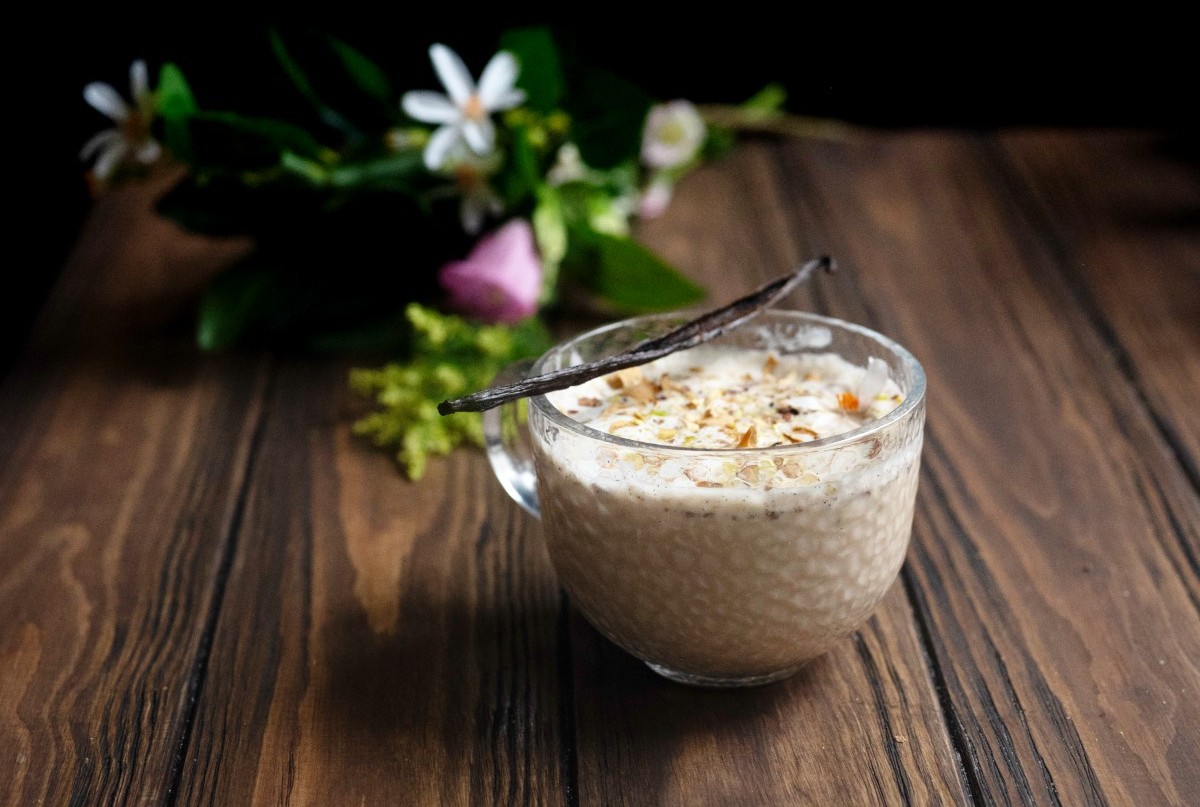
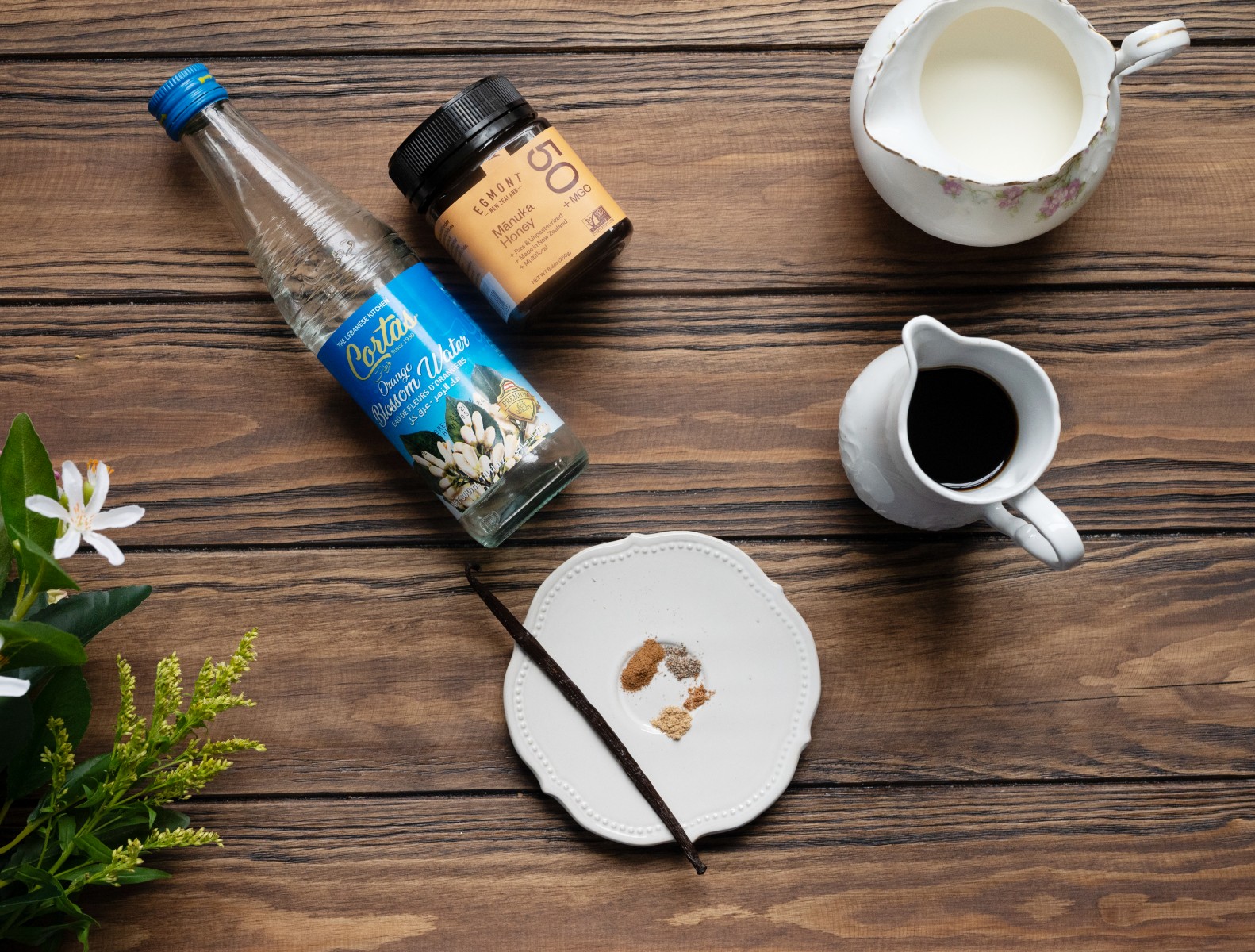
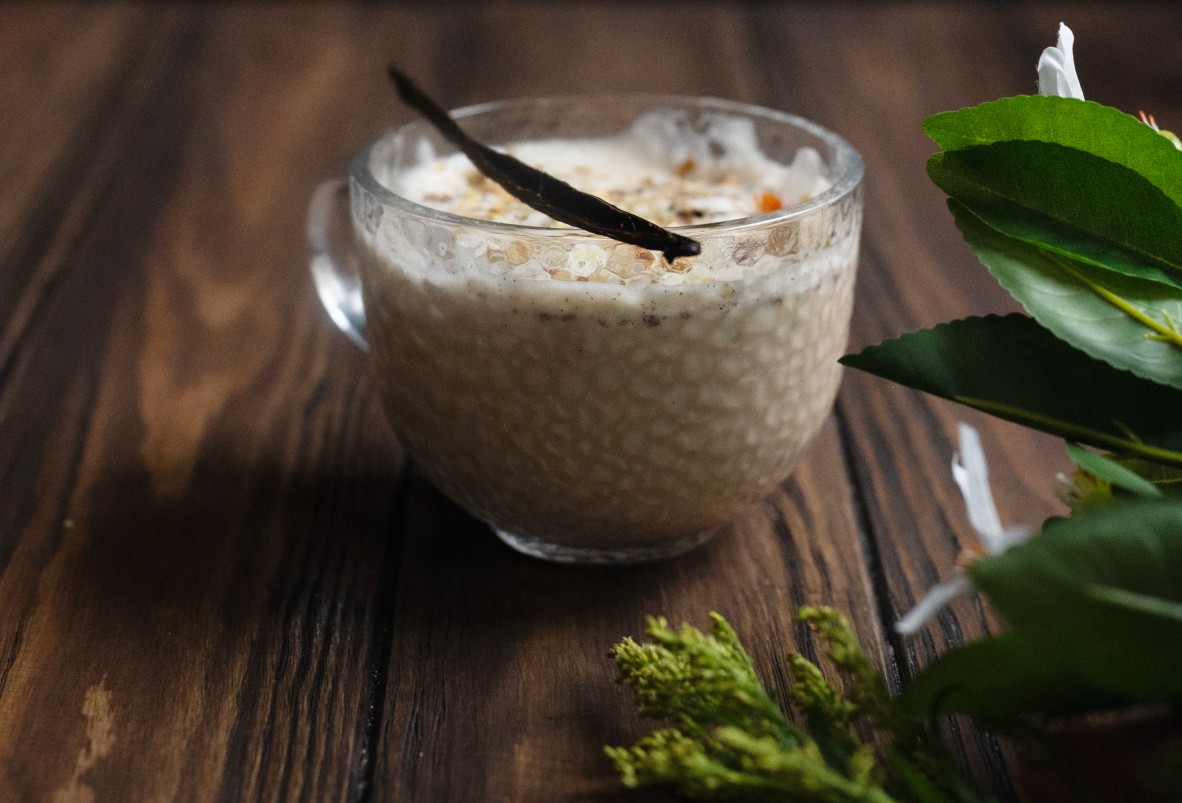
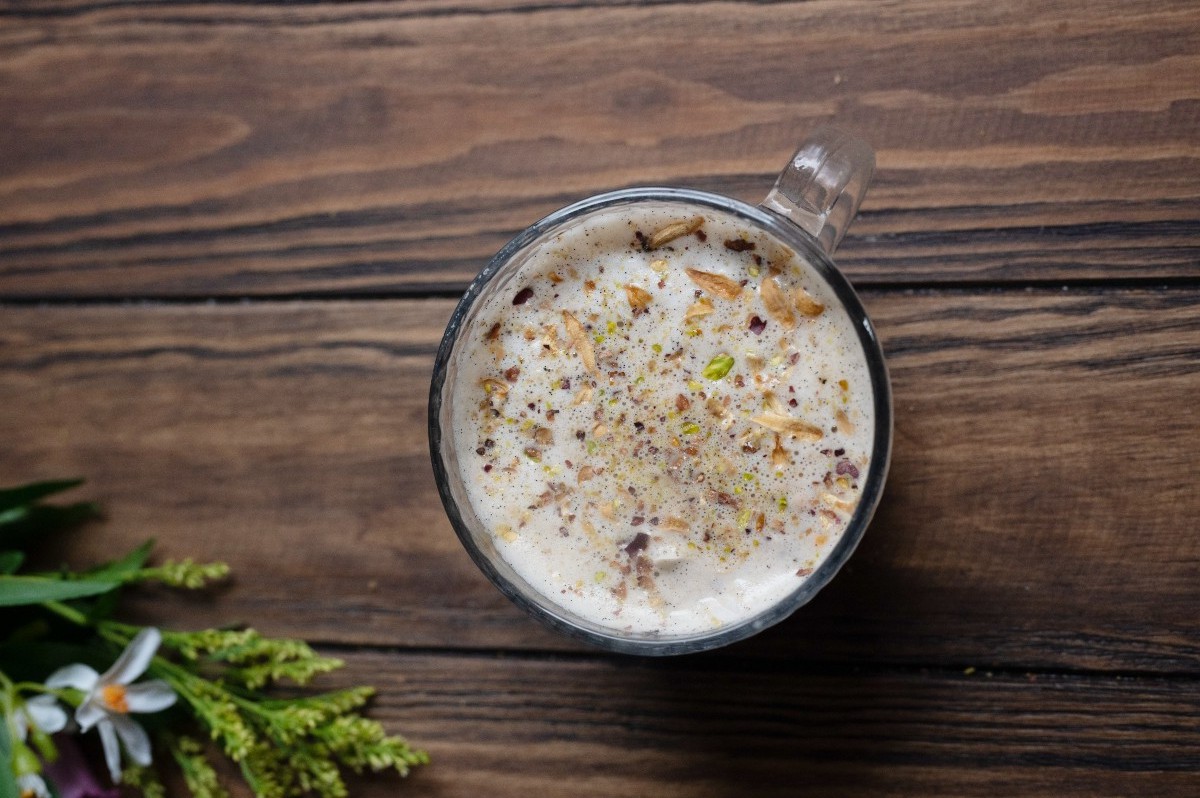
At its core, the Orange Blossom Latte is an intentional symphony of botanicals. It pairs standard espresso or strong brewed coffee with milk (dairy or plant-based), bitter orange blossom water (Citrus sinensis or Citrus aurantium), freshly ground nutmeg, warming ginger rhizome, aromatic cardamom, and a hint of vanilla pod. Finished optionally with an ornate topping of crushed pistachios, sugar, and dried edible orange blossoms, the beverage bridges the gap between high-end pastry arts and traditional herbal medicine.
Chronology: From Ancient Apothecaries to Modern Espresso Bars
To understand how a Middle Eastern floral water found its way into the Western coffee bar, one must trace a historical lineage that spans centuries of trade, traditional medicine, and culinary evolution.
The Ancient Roots of Botanical Distillation
Long before the invention of the espresso machine, civilizations in the Mediterranean and the Middle East utilized citrus blossoms for both culinary and medicinal purposes. Orange blossom water—often known as ma-zahr—has historical roots deeply embedded in Persian, Arabic, and North African traditions. Traditionally created through the steam distillation of bitter orange tree blossoms, this fragrant water was prized for its ability to cool the body, flavor delicate sweets, and calm frayed nerves.
The Rise of the Floral Coffee Wave
The modern trajectory of floral coffees began in earnest during the mid-2010s, catalyzed by the third-wave coffee movement. Specialty roasters began experimenting with culinary lavender, culinary rose, and elderflower syrups. These ingredients transformed the traditional café into a playground for botanical flavors.
However, many early iterations relied heavily on synthetic extracts or high-sugar syrups that masked the underlying notes of the coffee bean. By the early 2020s, consumers began pivoting toward authentic, herb-infused recipes. Culinary herbalists and wellness educators—most notably organizations like the Herbal Academy—began popularizing whole-plant preparations that utilized genuine hydrosols, whole spices, and raw plant materials.
The Introduction of the Orange Blossom Latte
The culmination of this culinary trajectory is the Orange Blossom Latte. Emerging across independent specialty cafés in metropolitan hubs, the drink gained traction as home baristas sought elevated, comforting routines during times of heightened stress. By combining the digestive-supporting properties of cardamom and ginger with the nervous-system-soothing qualities of orange blossoms, the recipe quickly transitioned from herbal blogs to mainstream menus.
Supporting Data: The Science Behind the Cup
Behind the sensory appeal of the Orange Blossom Latte lies a robust profile of botanical compounds that science is only beginning to fully validate. Each ingredient contributes not only to the flavor profile but also to the physiological impact of the beverage.
Orange Blossom Water and Nervous System Support
The star of the beverage, bitter orange blossom water, contains active phytochemicals such as linalool, linalyl acetate, limonene, coumarin, and various flavonoids. These compounds are well-documented for their anxiolytic (anti-anxiety) properties.
A landmark randomized controlled clinical trial published in PloS One (Dehghan et al., 2024) investigated the effects of bitter orange blossom distillate on mothers of infants admitted to neonatal intensive care units—a demographic experiencing extreme psychological stress. The study revealed that bitter orange blossom syrup had a statistically significant positive effect on sleep disorders, mitigating both insomnia and anxiety. In traditional Iranian and Mediterranean medicine, these blossoms have long been utilized as a premier nervine to soothe nervous tension.
Spices as Digestive and Physiological Allies
The chai-like spice profile of the latte is not merely a stylistic choice; it serves a functional purpose:
Nutmeg (Myristica fragrans): Known primarily as a baking spice, nutmeg seed contains active constituents that promote calm and induce mild sedative effects. According to Ayurvedic practitioner Dr. Vasant Dass (2013), nutmeg is indicated for gas, abdominal pain, and bloating, while its astringent qualities support gastrointestinal health. A pinch of fresh nutmeg in warm milk has long served as a folk remedy for insomnia.
Ginger (Zingiber officinale): A powerhouse rhizome, ginger is universally recognized for its ability to quell nausea, stimulate digestion, and mitigate inflammation. Research cited by herbalist Maria Noël Groves (2016) highlights dried ginger as a potent warming agent useful for easing muscle tension and inflammatory discomfort.
Cardamom (Elettaria cardamomum): Celebrated as a carminative in both Ayurvedic and Western herbalism, cardamom assists in breaking down heavy foods and dairy. Ayurveda views cardamom as a sattvic herb—one that promotes mental clarity, unblocks subtle energetic pathways (prana), and brightens the senses.
Vanilla (Vanilla planifolia): Beyond its luxurious aroma, pure vanilla adds a psychological layer of comfort and sweetness, balancing the sharper, resinous qualities of the spices and the bitter floral notes of the citrus water.
Coffee and the Gut Microbiome
While excessive caffeine consumption can overstimulate the adrenal system, moderate coffee intake offers distinct health advantages. Research presented by Dr. Li Jiao at the American College of Gastroenterology (2019) demonstrated that consuming approximately two cups of coffee daily exerts a beneficial modulation on the colonic mucosa-associated gut microbiota. Participants with this intake level exhibited a higher proportion of anti-inflammatory gut microbes and a lower abundance of bacteria linked to metabolic disorders.
Official Perspectives and Expert Insights
Culinary experts, herbalists, and clinical researchers view the integration of botanical ingredients into daily coffee rituals as a positive evolution in modern dietary habits.
"Flowers and spices have such a wonderful way of weaving magic and joy into our everyday dishes and drinks," notes the educational team at the Herbal Academy. "Whether you are looking to soothe frayed nerves or simply elevate an ordinary morning, botanical additions transform a standard stimulant into a moment of mindful self-care."
Clinical herbalists emphasize that the synergy between caffeine and nervine herbs creates a balanced energetic profile. While espresso provides a sharp, upward spike in alertness, the calming phytochemicals found in orange blossom water and the grounding, digestive nature of cardamom and ginger help smooth out the nervous system response, preventing the jittery crash often associated with plain coffee.
Furthermore, culinary historians point out that infusing beverages with floral hydrosols reflects a return to pre-industrial flavor profiles, where kitchens and apothecaries were intrinsically linked.
Implications: The Future of Functional Beverages
The popularity of the Orange Blossom Latte carries significant implications for the food and beverage industry, home-cooking trends, and consumer wellness habits.
1. The Expansion of Functional Cafés
As consumers increasingly view food and drink as medicine, traditional coffee shops are expanding their repertoires. The successful adoption of botanical lattes signals that menus of the future will rely less on artificial corn-syrup flavorings and more on culinary-grade hydrosols, adaptogenic roots, and whole spices. Cafés that successfully curate these functional sensory experiences are capturing a growing demographic of health-conscious, exploratory patrons.
2. Mindful Consumption at Home
The accessibility of ingredients like orange blossom water—found readily in Mediterranean specialty markets or the baking aisles of conventional supermarkets—empowers home consumers to replicate artisanal experiences in their own kitchens. This trend aligns with the broader "slow living" movement, wherein individuals carve out intentional morning rituals centered on sensory engagement, tactile preparation (such as grinding whole nutmeg or foaming milk), and mental well-being.
3. Sustainable Sourcing of Specialty Botanicals
As demand grows for ingredients like authentic vanilla pods, high-grade cardamom, and edible dried flowers, supply chains face increased scrutiny. The shift toward premium botanical add-ins encourages more sustainable, traceable agricultural practices, benefiting small-scale producers of vanilla, spices, and organic citrus orchards worldwide.
Recipe: Crafting the Orange Blossom Latte at Home
For those eager to experience this botanical marvel firsthand, the following recipe provides a blueprint for an elevated morning ritual.
Prepare the Spice Blend: In a small bowl, combine the ground nutmeg, ginger, and cardamom.
Infuse the Milk: In a small saucepan over medium-low heat, gently warm your choice of milk along with the vanilla pod piece and the spice blend. Bring it just to a simmer, allowing the milk to extract the aromatic and medicinal properties of the spices. Remove the vanilla pod.
Incorporate the Florals: Stir the orange blossom water and honey (if using) directly into the warm, spiced milk.
Brew the Coffee: Pull a fresh shot of espresso or brew a half-cup of strong coffee. Pour it into your favorite mug.
Combine and Froth: If you prefer a traditional café texture, froth the spiced, floral milk using a steam wand or handheld frother. Gently pour the warm milk over the espresso, allowing the foam to rise to the top.
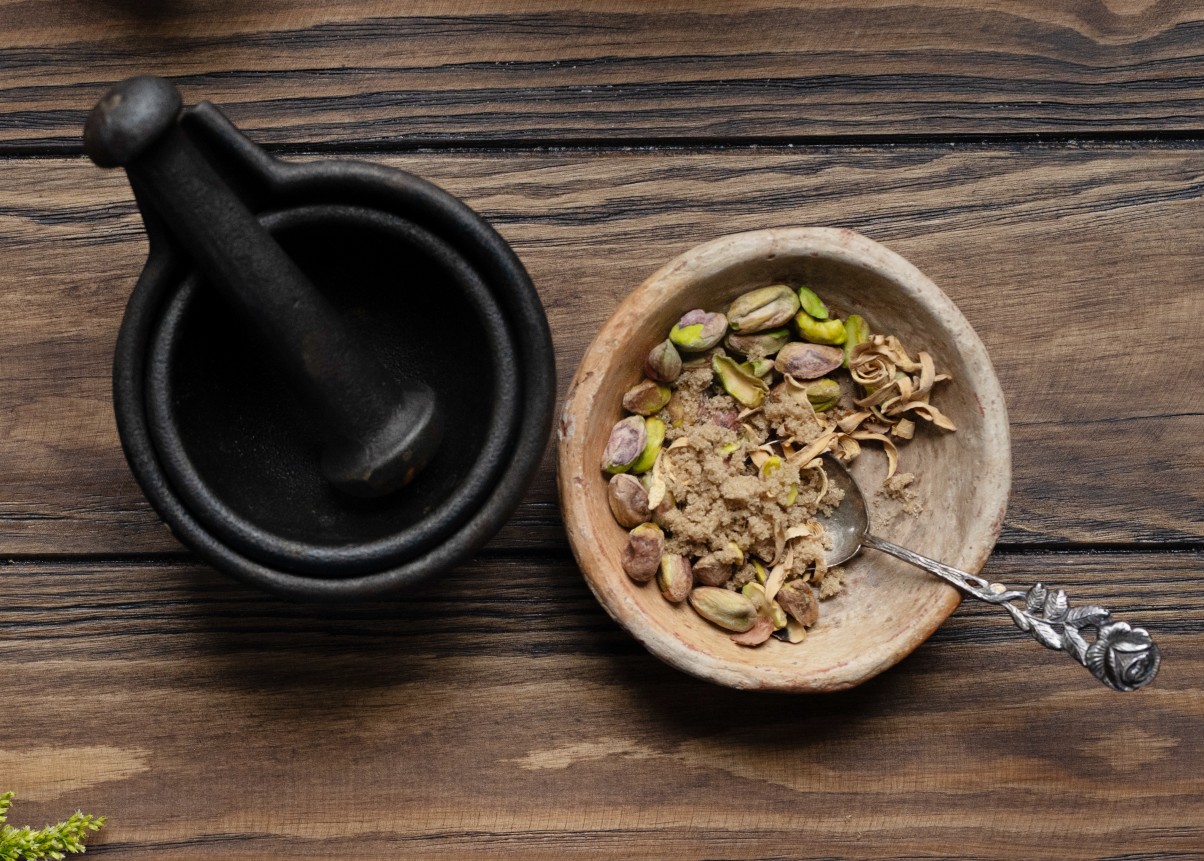
Garnish: If desired, mix the chopped pistachios, sugar, dried orange blossoms, and a pinch of orange zest together, then sprinkle delicately over the foam.
Savor: Inhale the delicate aroma, sip slowly, and enjoy the harmonious balance of bright citrus, comforting spice, and rich coffee.
In Closing
Whether reserved for a leisurely weekend morning or utilized as an intentional weekday pick-me-up, the Orange Blossom Latte demonstrates how traditional botanicals can revitalize modern culinary arts. By merging the rigorous heritage of herbalism with contemporary coffee culture, this beverage offers a sensory-rich escape that nourishes both the palate and the nervous system.