By Global Wellness & Psychological Trends Desk
Published: June 2026
Main Facts
In an era dominated by instant communication, algorithmic feeds, and the relentless promise of connectivity, the human relationship with waiting has undergone a profound psychological shift. According to recent essays and psychological observations from writers, educators, and advocates such as Edward “Tony” Collins, EdD, MFA—a documentary filmmaker living with progressive macular degeneration—the modern habit of repeatedly checking digital devices is rarely about the messages themselves. Instead, it has transformed into a physiological and emotional coping mechanism designed to ward off the deep-seated anxiety of an uncertain future.
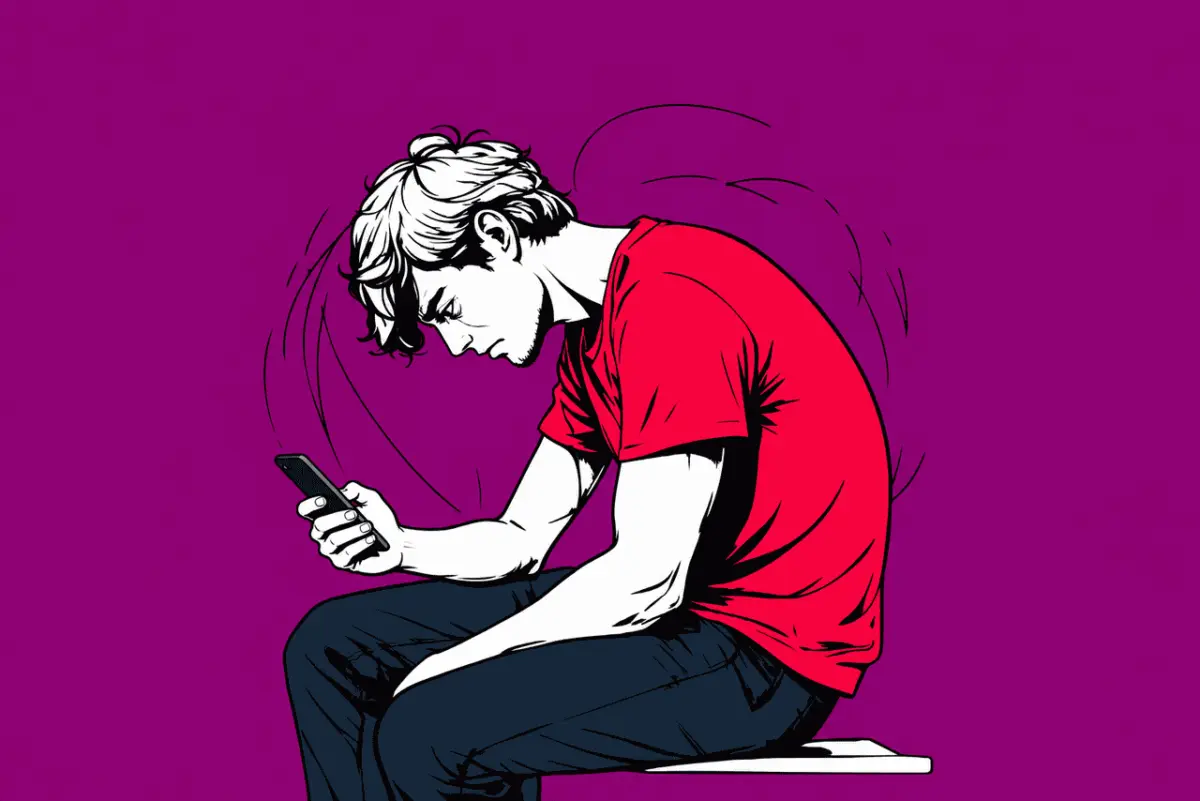
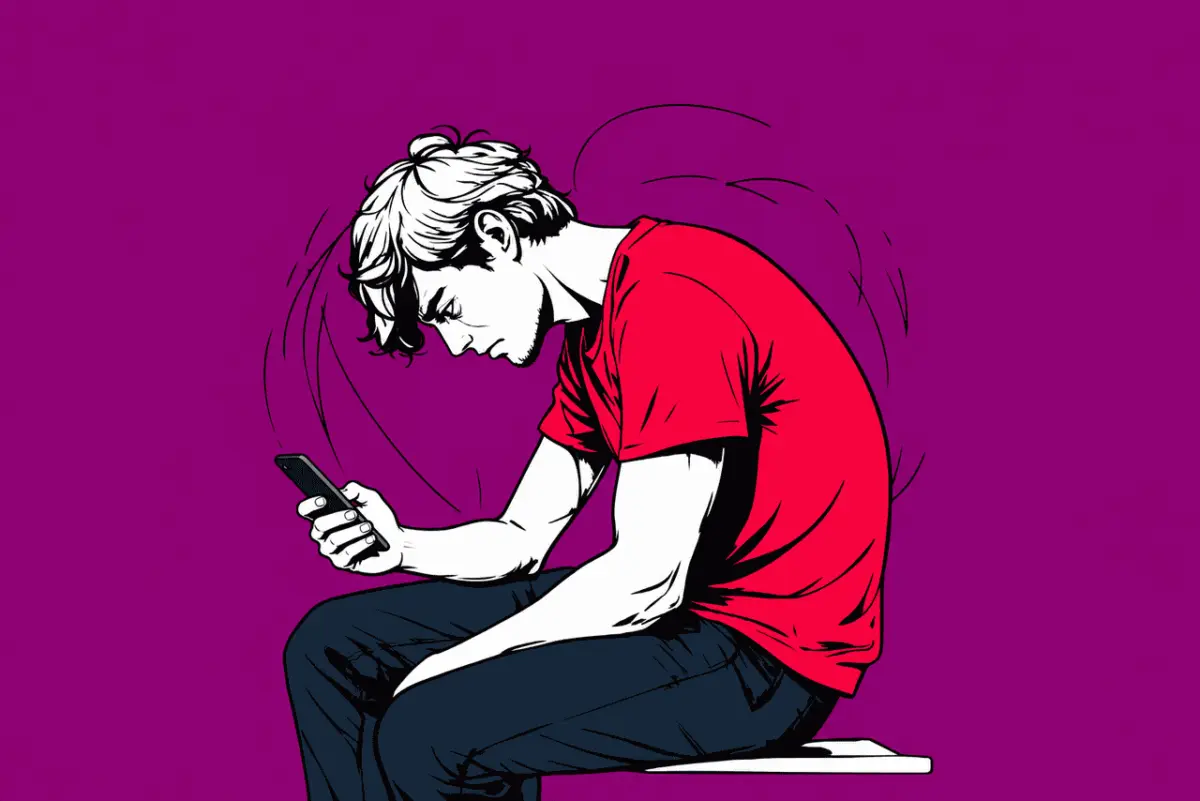
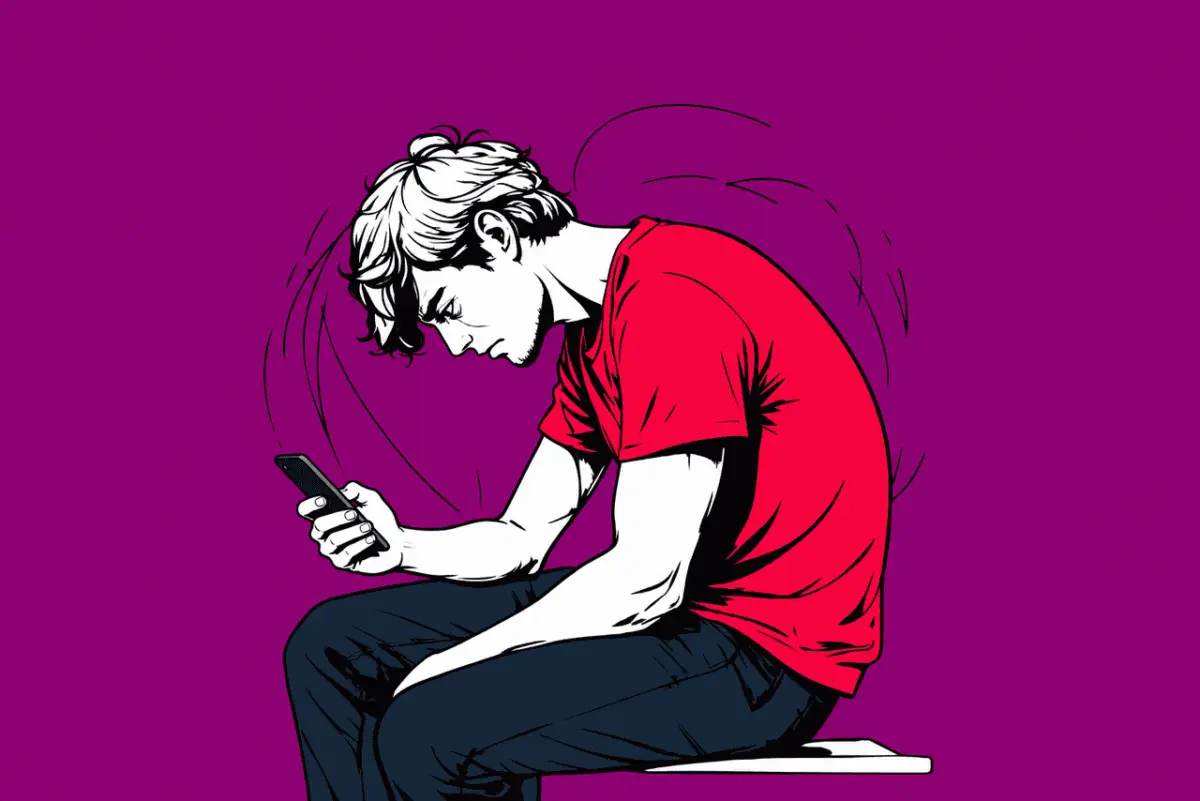
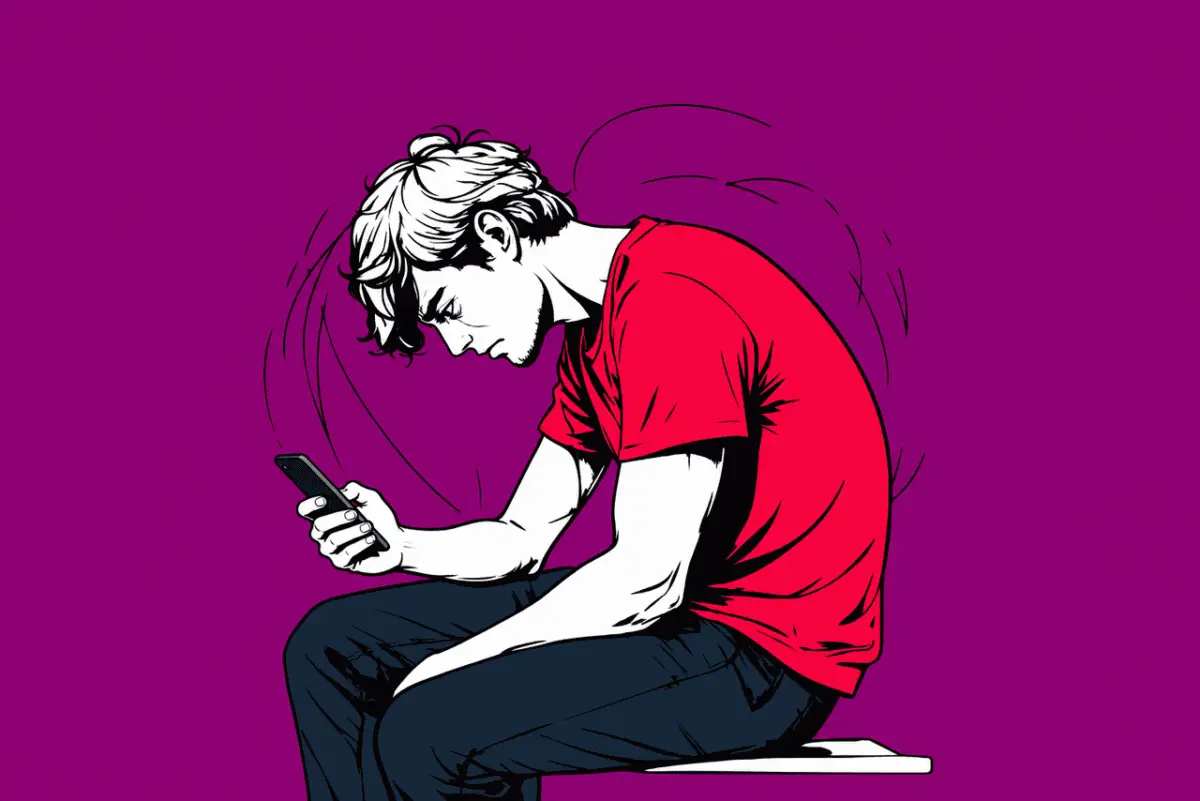
At the core of this behavior lies a craving for control. Whether individuals are waiting for medical test results, navigating the emotional complexities of caregiving for aging parents, or anticipating professional opportunities, the human mind frequently treats the digital inbox as a proxy for resolution. When physical reality feels precarious and unyielding, the smartphone screen offers an illusion of agency. Each downward swipe of the thumb ("refresh, nothing, refresh, nothing") acts as a micro-ritual meant to extract certainty from a vacuum.
Psychologists and mindfulness experts note that this modern phenomenon bridges ancient philosophical traditions with contemporary digital habits. The discomfort of waiting is not merely an inconvenience of modern infrastructure; it is a fundamental existential condition. When individuals attempt to escape this discomfort through constant digital distraction, they often exacerbate their internal suffering, trading present-moment awareness for projected futures characterized by fear, loss, and isolation.
Chronology
To understand how waiting has evolved from a passive, albeit tedious, component of daily life into an active psychological battleground, it is helpful to examine the timeline of modern connectivity and its intersection with human behavior:
- The Pre-Digital Era of Anticipation: For generations, waiting was defined by physical distance and structural delays. Letters took days to arrive, phone calls required stationary placement, and news traveled slowly. Anticipation was a sustained, unavoidable state that required individuals to sit with their thoughts, hobbies, or immediate physical environments.
- The Dawn of Instant Communication (Late 1990s – 2010s): The proliferation of email, text messaging, and smartphones fundamentally compressed time. The expectation of an immediate response became the cultural baseline. Consequently, gaps in communication shifted from being perceived as natural delays to anomalies or rejections.
- The Algorithmic Loop (2010s – Present): Social media platforms and modern operating systems introduced variable reward mechanisms—such as the "pull-to-refresh" feature—which mirror the psychological architecture of slot machines. Waiting became gamified, turning every check of an inbox or notification feed into a potential jackpot of relief or validation.
- The Intersection of Aging and Digital Reliance (Current Context): As global populations age, multi-generational households face unprecedented caregiving challenges. Individuals balancing the care of elderly parents (such as those in their late nineties) alongside their own health vulnerabilities or professional uncertainties experience heightened anticipatory anxiety. The smartphone becomes the immediate, accessible tool to check for emergencies, medical updates, or professional lifelines, blurring the line between practical necessity and compulsive distraction.
Supporting Data and Psychological Insights
While the digital age has accelerated the urge to check and consume information, the underlying mechanisms are deeply rooted in human psychology and neuroscience.
- The Dopamine Loop: Behavioral studies indicate that variable reinforcement schedules—where rewards (or good news) are unpredictable—release higher levels of dopamine than predictable rewards. This makes the act of refreshing an inbox feel compulsive, as the brain anticipates a potential positive outcome despite frequent disappointment.
- The Five Hindrances of the Mind: Drawing from Buddhist psychology, contemporary wellness frameworks identify recurring mental states that cloud clarity during periods of uncertainty:
- Restlessness: The physical and mental itch that drives compulsive checking.
- Doubt: The internal whisper questioning one’s self-worth and relevance.
- Aversion: A deep-seated resentment toward silence and stillness.
- Fear: The projection of worst-case scenarios onto an unwritten future.
- Exhaustion: The eventual depletion that occurs when the mind continuously fights reality.
- The Physiological Toll of Anticipation: Chronic waiting triggers low-grade, sustained activation of the sympathetic nervous system. Physical manifestations include a tightening chest, elevated heart rate, shallow breathing, and muscular tension—all of which occur without any immediate physical threat being present.
Official Responses and Expert Perspectives
Mental health professionals, mindfulness practitioners, and disability advocates are increasingly addressing the psychological toll of digital hyper-vigilance and the fear of the unknown.

Dr. Tony Collins, whose documentary work and personal writings explore resilience, caregiving, and vision loss, emphasizes that the primary source of suffering is often not the external situation, but the refusal to let a moment remain unfinished. In his reflections on living with progressive macular degeneration and caring for aging family members, he notes that individuals frequently demand guarantees from life before they are willing to experience it.
"Happiness still comes and goes," Collins observes, reflecting on practices like meditation and Nada Yoga (the yogic practice of listening to inner sound). "But calmness asks less. It does not require answers. It does not require permanence. It does not even require the waiting to end. Only attention. Only presence."
Clinical psychologists echo these sentiments, advocating for a shift away from "problem-solving tomorrow" and toward grounding techniques that anchor individuals in the immediate present. Therapeutic frameworks such as Acceptance and Commitment Therapy (ACT) and Mindfulness-Based Stress Reduction (MBSR) encourage patients to observe their urge to check devices or catastrophize the future without acting on autopilot. By labeling the urge—recognizing it as a bid for comfort rather than a productive action—individuals can reclaim agency over their attention.
Implications
The societal and individual implications of how we handle waiting extend far beyond personal productivity or screen-time statistics. As the pace of life quickens and global uncertainties mount, our collective capacity to tolerate ambiguity is being tested.
1. The Erosion of Deep Focus and Inner Stillness
When every pause in activity is immediately filled with a screen check, the brain loses its capacity for incubation, daydreaming, and deep cognitive processing. The modern intolerance for silence stifles creativity and prevents individuals from processing complex emotional grief, such as anticipatory loss regarding aging loved ones or shifting career landscapes.
2. Redefining Self-Worth Beyond External Validation
Much of the anxiety tied to waiting for emails, calls, or professional opportunities stems from a misplaced equation: equating silence from the outside world with personal irrelevance or failure. Cultivating mindfulness shifts this paradigm. As practitioners learn to separate their inherent worth from external responses, waiting ceases to be a measure of adequacy and transforms into an ordinary, neutral component of human existence.
3. A Cultural Shift Toward "Participatory Living"
Ultimately, the journey through prolonged periods of waiting points toward a fundamental philosophical realignment. Life has never offered ironclad guarantees; it offers participation. By learning to remain present amidst uncertainty—whether listening to the hum of household sounds, the rhythm of one’s breath, or the inevitable shifts of an aging world—individuals can transition from a state of paralyzed expectation to an active, attentive engagement with the fragile life that is unfolding directly in front of them.