When fitness enthusiasts discuss muscle groups, the conversation almost invariably gravitates toward the aesthetic and the conspicuous: the biceps, quads, abs, and glutes. We obsess over hypertrophy, track our macronutrients to support them, and build entire training blocks around their development. We ice tight hamstrings, diligently foam-roll our IT bands, and carve out hours for dedicated shoulder mobility routines.
Yet, how often do we consider the flexor digitorum brevis? The quadratus plantae? The plantar interossei?
For most of us, the 29 small, intricate muscles, 26 bones, and countless tendons housed within each of our feet are a complete afterthought. We subject them to high-impact activities, slide them into narrow-toed sneakers, and call it a day. But according to a growing body of biomechanical research and longevity experts, this oversight is a glaring blind spot in modern wellness. Our feet are not just passive shock absorbers; they are the primary neurological and muscular foundation of human movement.
Main Facts: The Anatomy and Mechanics of the Foot
To understand why foot health is suddenly taking center stage in physical culture, we must first look at the sheer complexity of the human foot.
- Complex Architecture: Each foot contains 26 bones, 33 joints, and 29 muscles. This intricate network is designed to be mobile, adaptive, and exceptionally strong.
- The Primary Contact Point: The feet serve as the absolute first point of contact between the human body and the external world. Every single step is a complex neurological and muscular feedback loop.
- Proprioceptive Hubs: The soles of the feet are densely packed with thousands of mechanoreceptors. These sensory neurons constantly communicate with the brain, processing spatial awareness, terrain texture, load distribution, and postural stability.
- The Kinetic Chain: Foot dysfunction rarely remains isolated. Deficits in foot strength or mobility travel upward through the ankle, cascade into the knee, destabilize the hip, and ultimately manifest as chronic lower back tension or spinal misalignment.
Chronology: The Shift from Cushioning to Functional Footwear
The evolution of footwear over the last several decades has closely mirrored industrial trends toward comfort and automation, often at the expense of biological function.
The Era of Hyper-Cushioning (Late 20th Century to 2010s)
For decades, the athletic footwear industry competed fiercely on the premise of maximum cushion and motion control. Running shoes and daily trainers were engineered with thick, plush foam midsoles and narrow toe boxes designed to mold feet into tapered shapes. While these designs offered immediate comfort, they inadvertently muffled the sensory input from the foot’s mechanoreceptors.

The Minimalist Awakening (2010s to Early 2020s)
The publication of foundational books like Christopher McDougall’s Born to Run sparked a cultural shift toward minimalist and barefoot running. Runners began questioning whether heavily engineered shoes were actually weakening intrinsic foot muscles. However, the initial wave was often characterized by abrupt transitions, leading to a wave of overuse injuries for those who stripped away support too quickly.
The Mainstreaming of Foot Longevity (Present Day)
By 2026, foot health has evolved from a niche running subculture into a core pillar of functional longevity. Experts in biomechanics, physical therapy, and sports medicine are no longer just treating acute foot injuries like plantar fasciitis; they are proactively training the foot as a foundational metric for healthy aging, mobility, and structural integrity.
Supporting Data and Expert Insights: The Longevity Connection
The modern conversation around foot health extends far beyond preventing sore arches after a long hike. It has become a critical biomarker for healthy aging.
Dr. Courtney Conley, a leading chiropractic physician and renowned expert in foot and gait mechanics, notes a direct correlation between declining foot strength and broader physiological decline in older adults. According to clinical observations and mobility research:
- Gait Speed and Independence: Declining foot strength directly correlates with reduced gait speed, a metric that geriatricians frequently use as a vital sign for overall health and life expectancy.
- Fall Risk: Weak intrinsic foot muscles diminish balance and proprioception, significantly elevating the risk of dangerous falls in aging populations.
- Compensatory Pain: Chronic micro-instabilities originating in the foot force the knees, hips, and spine to compensate under load. Over decades, this cumulative wear-and-tear contributes to non-contact joint degradation and chronic musculoskeletal pain.
Furthermore, heavy cushioning in modern shoes has been shown to dampen sensory feedback. When the brain receives less precise information about ground reaction forces, it struggles to optimize movement patterns, particularly under heavy loads (such as during squats, lunges, or lateral cutting movements on a pickleball or tennis court).
Personal Experiment: A Month of Foot-First Living
To understand the practical realities of foot retraining, wellness advocates and everyday athletes are increasingly turning to self-experiments. A typical month-long protocol to rehabilitate and awaken neglected foot muscles generally involves four key interventions:
1. Integrating Toe Spacers
Initially popularized by barefoot enthusiasts, silicone toe spacers have entered the mainstream wellness routine. Worn while relaxing on the couch or post-workout, they help reverse the chronic toe-squeezing caused by narrow footwear.
- The Experience: For individuals accustomed to structured sneakers, the first few sessions with toe spacers can feel deeply uncomfortable—not painful, but strangely unfamiliar. However, after a couple of weeks of consistent use, the toes begin to splay naturally, relieving built-up tension from high-impact sports.
2. Dedicated Foot Strength Work
Just as one would train the core or back, the intrinsic muscles of the foot respond to targeted, low-load resistance work. This includes:
- Slow, eccentric calf raises (focusing heavily on the lowering phase).
- "Short-foot" exercises to actively engage and lift the arch.
- Barefoot balance drills on unstable surfaces.
- Humbling attempts at independent toe isolation (e.g., trying to lift only the big toe while keeping the others flat).
3. Shedding the Slippers at Home
Many urban dwellers spend virtually all their waking hours cocooned in plush footwear—even inside their homes. Eliminating house slippers and increasing barefoot time on indoor flooring forces the intrinsic muscles of the arch and toes to switch on and support the body weight independently.
4. Auditing Daily Footwear
A comprehensive footwear audit involves looking closely at the shoes worn for hours at a time—walking shoes, gym trainers, and casual footwear. Transitioning toward functional footwear characterized by:
- Wide Toe Boxes: Allowing the toes to splay naturally rather than compressing them together.
- Zero-Drop or Low-Drop Soles: Maintaining a level plane from heel to toe to encourage natural Achilles tendon and calf mechanics.
- Appropriate Ground Feel: Striking a balance between protection and sensory feedback so the brain can accurately map the body’s position in space.
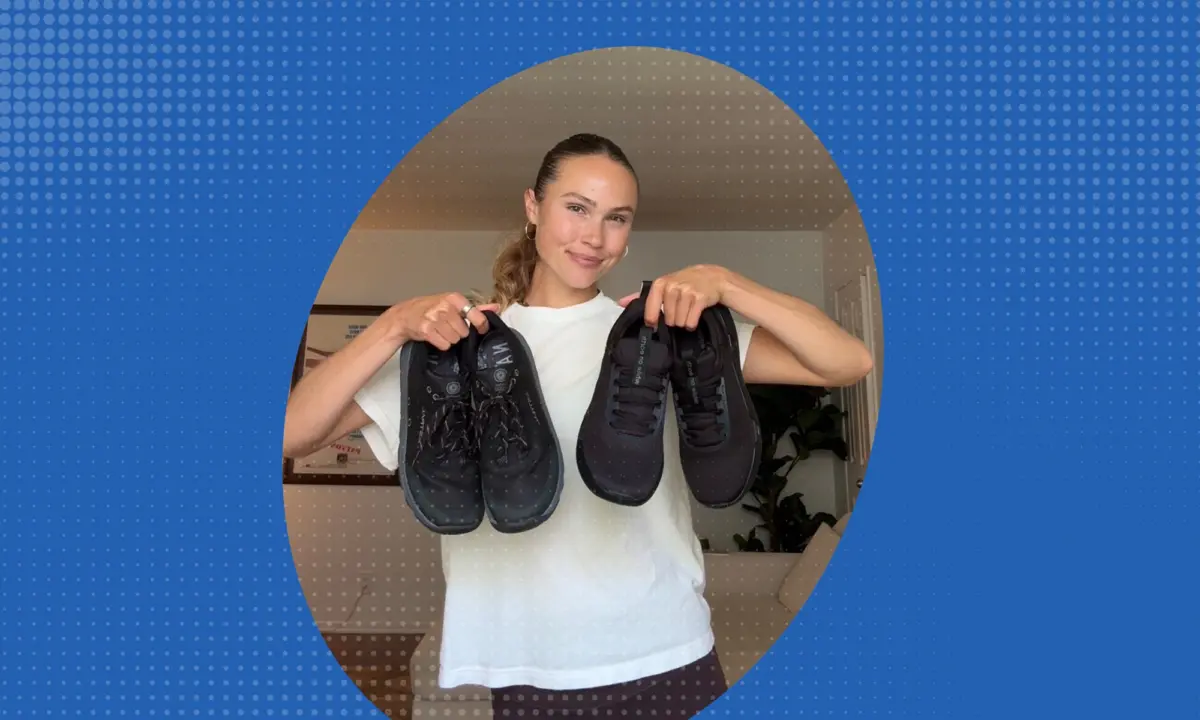
Popular options emerging in this space—such as the Astral TR1 Sensi HT (known for its wide toe box, natural fibers, and zero-drop design) and While on Earth’s Move Trainer (featuring a minimal 6mm drop and slightly more cushion for high-impact training days)—have become go-to choices for those transitioning away from hyper-cushioned shoes. Experts, however, consistently advise a gradual transition to avoid overloading unconditioned tendons.
Implications: Building a Better Foundation for the Future
The shift toward proactive foot care carries profound implications for both everyday wellness and long-term physical autonomy.

For Athletes and Fitness Enthusiasts
Training with improved foot awareness and functional footwear yields immediate dividends. Practitioners report greater stability during single-leg movements (such as Bulgarian split squats or Romanian deadlifts), reduced foot fatigue after endurance events or court sports, and an enhanced sense of grounded power during heavy barbell lifts.
For Public Health and Aging
On a macro level, reframing foot health as a longevity practice could transform how we approach preventative healthcare. By maintaining strong, communicative feet well into our later decades, we preserve gait speed, enhance balance, and mitigate the cascade of compensatory joint pain that so often limits mobility in older age.
The Ultimate Takeaway
We invest immense time and resources into chasing visible fitness metrics—the muscles we see in the mirror, the aesthetics of our physiques, and the numbers on a barbell. While these goals are valuable, they rest entirely upon an overlooked foundation: 29 small muscles, 26 bones, and a neurological feedback loop operating silently underfoot.
Every athletic aspiration, every longevity milestone, and every hiking trail or recreational game you hope to enjoy in the future begins at ground level. Because ultimately, your physical foundation is quite literally underfoot.