Main Facts: The Rise of "Blue Rose Quartz" and Marketplace Mislabeling
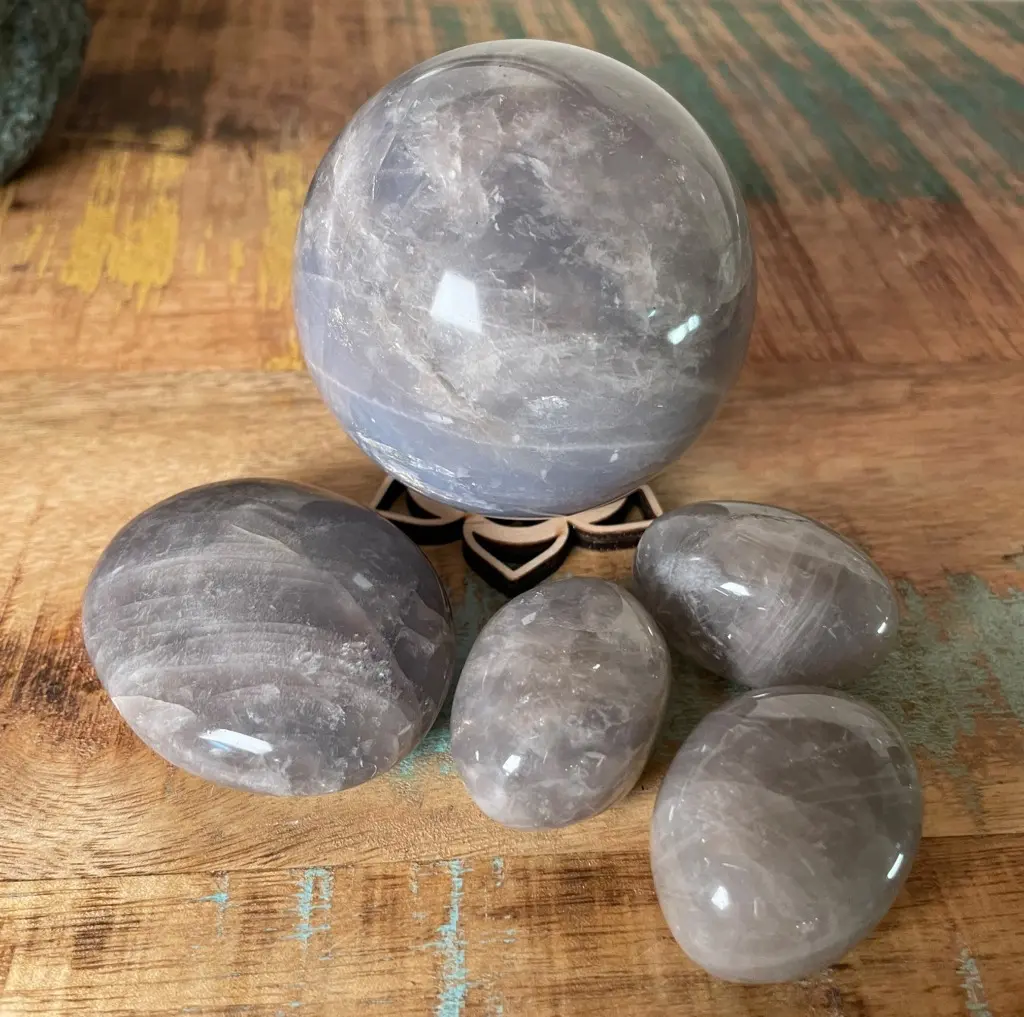
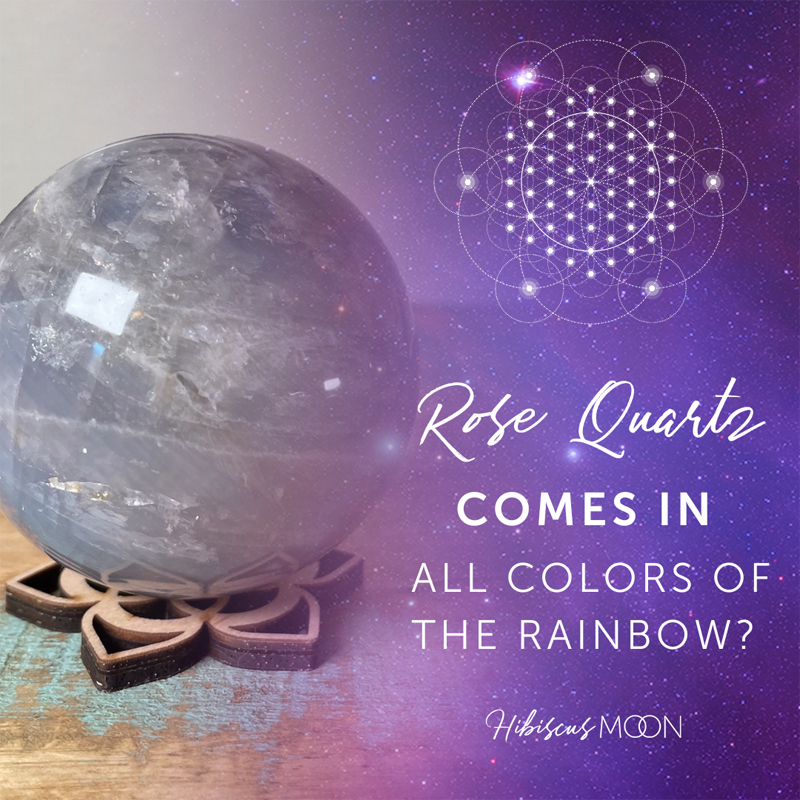
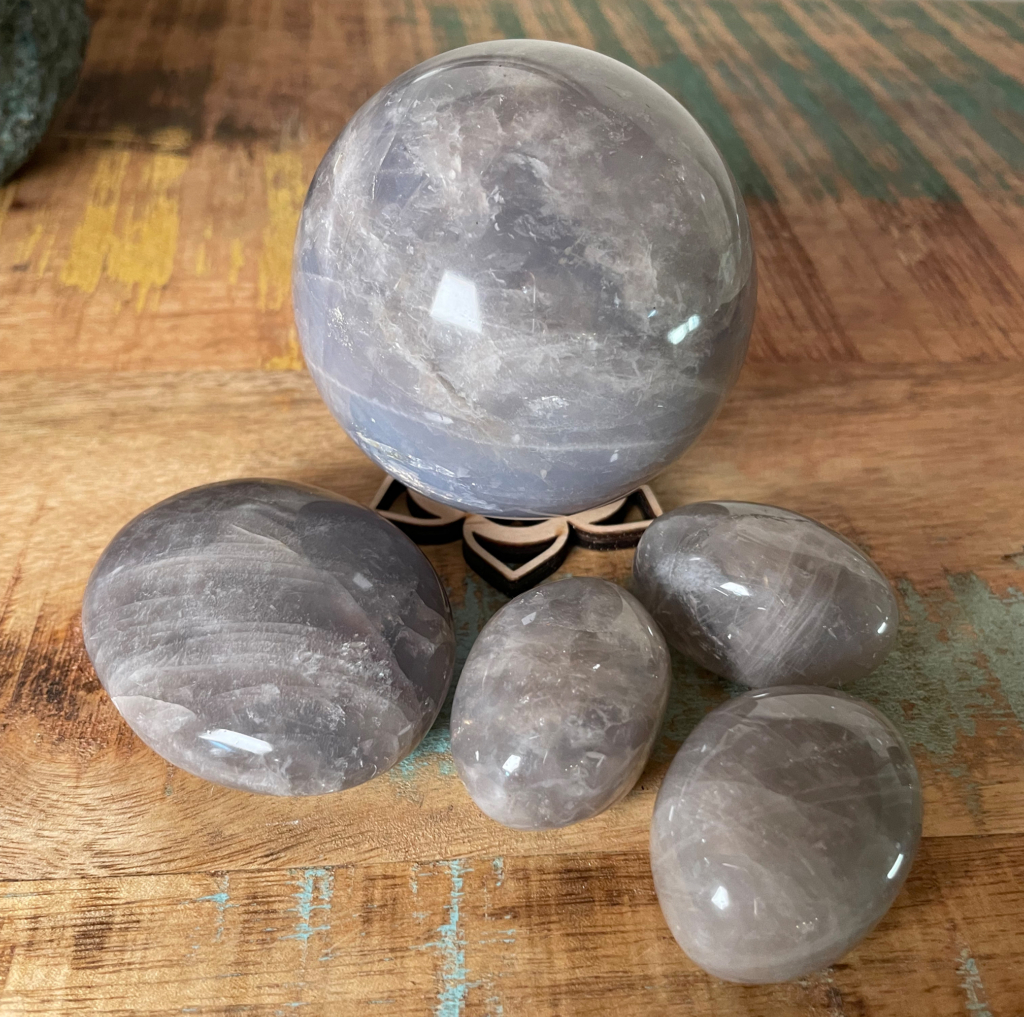
The global crystal and gemstone market is facing a wave of creative marketing tactics, renamings, and outright misrepresentations. At the center of this controversy is a product frequently marketed to unsuspecting buyers as "Blue Rose Quartz"—often claimed to originate from Madagascar.
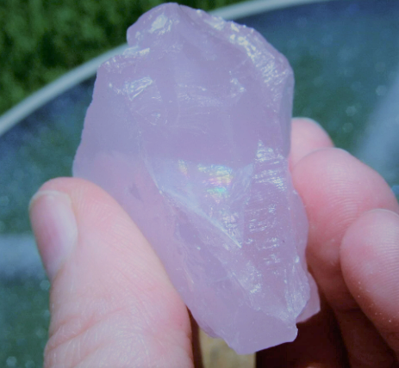
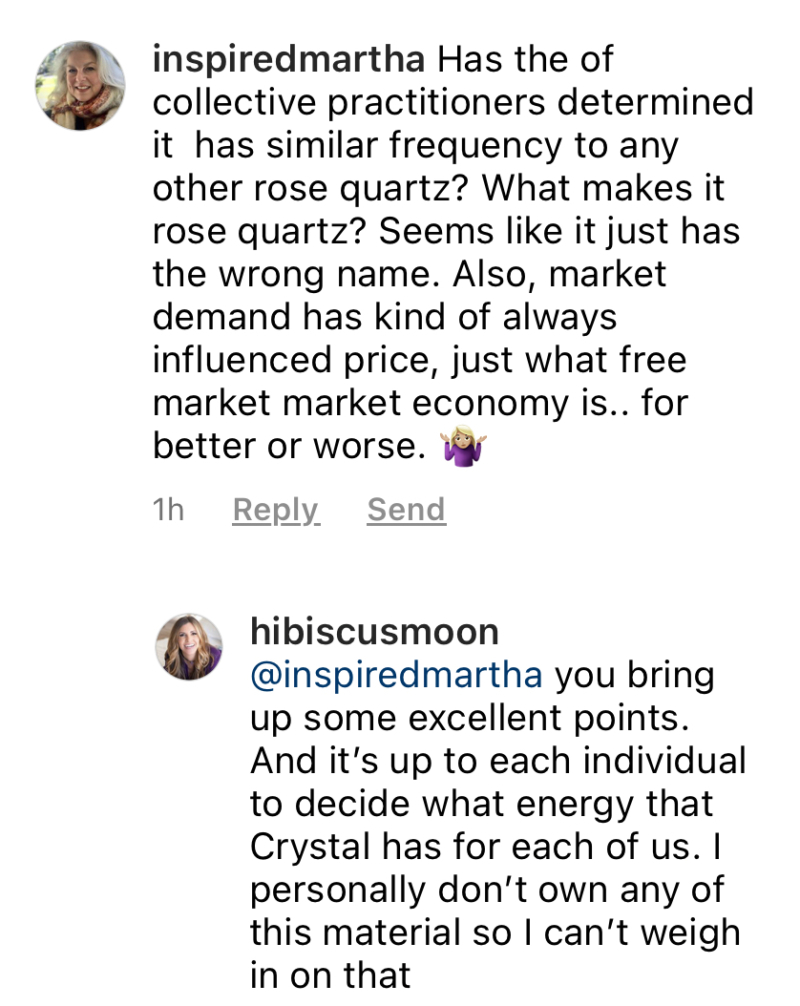
According to geologists, mineralogists, and crystal educators, "Blue Rose Quartz" is a misnomer. True rose quartz, by definition, is a pink variety of the mineral quartz (silicon dioxide, or $textSiO_2$) whose coloration is attributed to microscopic, fibrous inclusions of minerals closely related to dumortierite. By geological and mineralogical definition, if a crystal does not possess its characteristic pink hue, it cannot scientifically be classified as rose quartz.
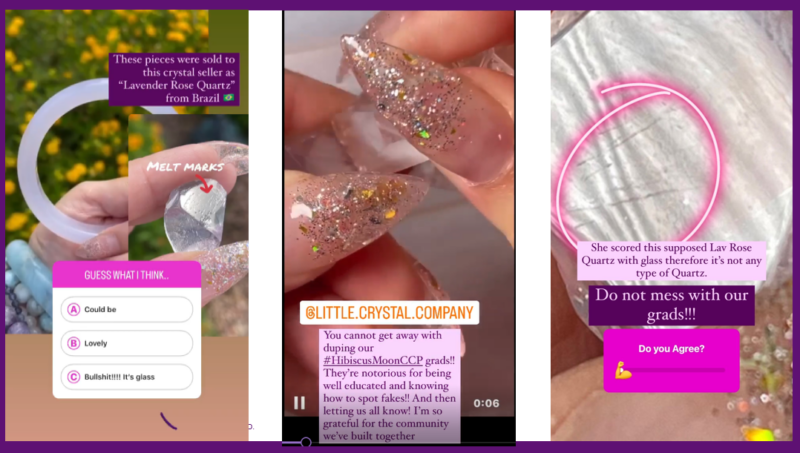
Instead, what is frequently sold under this ethereal, high-end moniker is actually lower-grade quartz or hazy, translucent material. Geological testing and analyses—such as those conducted by independent vendors like Little Lemuria—reveal that much of this circulating material is either low-grade, milky quartz, heat-treated amethyst, or occasionally, opalized quartz (often referred to in the trade as "Girasol"). In some cases, vendors have even marketed variations under names like "Black Rose Quartz," further stretching geological reality for commercial gain.
Experts point out that while these stones are often visually appealing and hold personal energetic value for collectors, the practice of rebranding abundant, lower-grade minerals with mystical, inflated names creates artificial scarcity and drives up prices unjustifiably. This trend highlights a broader issue within the metaphysical community: a persistent information gap that leaves buyers vulnerable to paying premium prices for common, mislabeled stones.
Chronology: How the Trend and the Backlash Evolved
To understand how "Blue Rose Quartz" flooded the market, it is necessary to trace the timeline of crystal marketing trends and the grassroots efforts to counter them.
Pre-2010 (The Traditional Grading Era): Historically, the gemstone and mineral wholesale industry utilized a standard grading system—comparable to the diamond industry’s letter grades (ranging from "AAA" down to "D")—to classify stones based on clarity, color saturation, and structural integrity. Under these metrics, milky, hazy, or pale-colored quartz and low-grade amethyst were designated as lower-tier stock and priced accordingly.
2010 (The Genesis of Fake-Busting): Recognizing a severe lack of accessible, scientifically grounded geological data within the crystal healing community, educators and geology experts began publishing foundational educational series and blog posts aimed at identifying fake, altered, or mislabeled stones.
Late 2022 (The "Blue Rose Quartz" Surge): A sudden influx of items labeled as "Blue Rose Quartz" and "Black Rose Quartz" began appearing across online storefronts, social media marketplaces, and crystal shops. Certified Crystal Practitioners (CCPs) and students began flooding crystal education academies with questions regarding the legitimacy of these "rare new finds."
Late 2022 (Mineral Testing and Community Investigations): Independent mineral companies, alongside advanced crystal practitioners, began investigating the chemical makeup of these trending stones. Mineral assays were commissioned, confirming that the stones were standard quartz or opalized variants rather than a novel blue variety of rose quartz. Concurrently, online communities and digital creators launched educational campaigns, using Instagram highlights and blog features to educate buyers and discourage fraudulent marketing.
Present Day (Passing the Torch): As wholesale markets continue to adapt to consumer scrutiny, the responsibility of identifying misrepresentations has shifted heavily toward an empowered network of educated buyers and practitioners determined to maintain transparency in the trade.
Supporting Data and Mineralogical Analysis
To demystify the claims surrounding "Blue Rose Quartz," it is essential to examine the underlying geology and the results of recent mineral assays.
What is the Material Actually Made Of?
Mineralogical testing of samples sold as "Blue Rose Quartz" has consistently demonstrated that the material falls into a few distinct scientific categories:
Low-Grade Rose Quartz or Milky Quartz: Much of the material is simply common, cloudy, or fractured quartz that lacks the vivid, saturated pink coloration required for premium rose quartz. Rather than utilizing the traditional "D-grade" or low-tier classification system, modern opportunistic sellers have rebranded these lower-value inventories with spiritualized names to command higher profit margins.
Heat-Treated Amethyst: Low-grade, pale amethyst subjected to intense temperatures (exceeding 932°F or 500°C) can lose its original purple hue. This thermal treatment bleaches the stone while promoting the formation of microscopic water droplets within the matrix, resulting in a milky, opalescent appearance often marketed as "neon blue quartz."
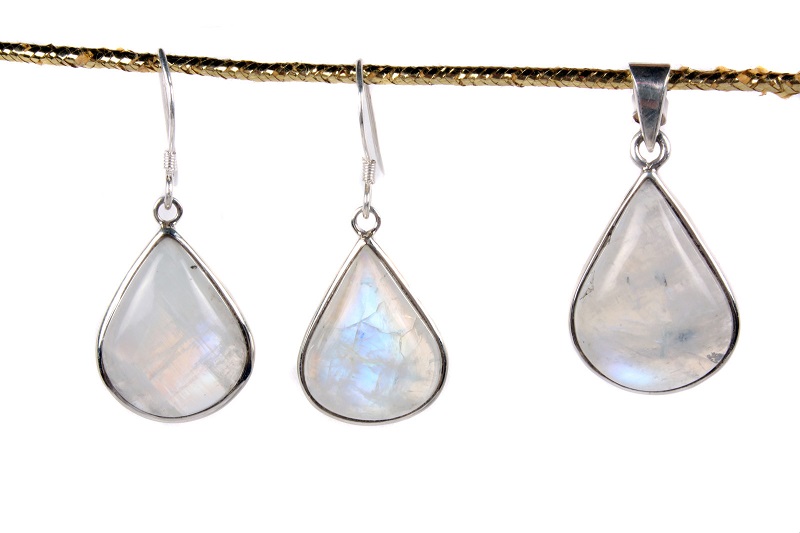
Girasol (Opalized Quartz): Girasol originates from silica dissolved in water. When this silica solution fills empty cavities left by dissolved minerals and hardens—similar to setting gelatin in a mold—it forms an opalized copy of the original structure. Girasol exhibits a characteristic "girasol effect," displaying a cloudy, bluish-white or ghost-like glow caused by the scattering of light. While stunning, it is structurally and mineralogically distinct from rose quartz.
The Financial Disconnect
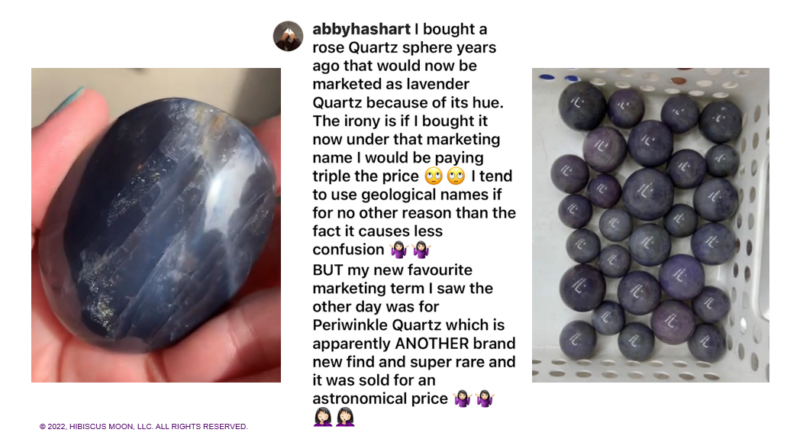
In the wholesale market, low-grade milky quartz and pale quartz varieties have historically been abundant and inexpensive. By applying terms like "Blue Rose Quartz" or "Black Rose Quartz," sellers bypass the traditional grading hierarchy. This linguistic shift transforms an otherwise common, low-cost mineral into an exclusive, high-ticket item, exploiting consumer enthusiasm for rare and exotic energetic tools.
Official Responses and Industry Perspectives
The emergence of "Blue Rose Quartz" has sparked robust discussions among geologists, crystal shop owners, and metaphysical educators.
Educational platforms, such as the Hibiscus Moon Crystal Academy—led by former science department heads and geology postgraduates—have taken a definitive stance on the matter. Industry leaders emphasize that while the energetic or aesthetic value of a crystal is subjective and personal, factual accuracy in labeling is non-negotiable.
"By definition, Rose Quartz is a pink form of Quartz due to particular nanofibrous inclusions of something closely related to dumortierite… If it’s blue (or any other color other than pink to your eyeball), it cannot be called Rose Quartz. To me, if the pink hue is not there, it’s not Rose Quartz. End of story."
Independent crystal retailers have also stepped forward to promote transparency. Forward-thinking business owners have taken the initiative to commission official geological assays and share the results publicly with their customer bases. This level of dedication has been widely praised by academic and metaphysical communities alike, serving as a benchmark for ethical retail practices.
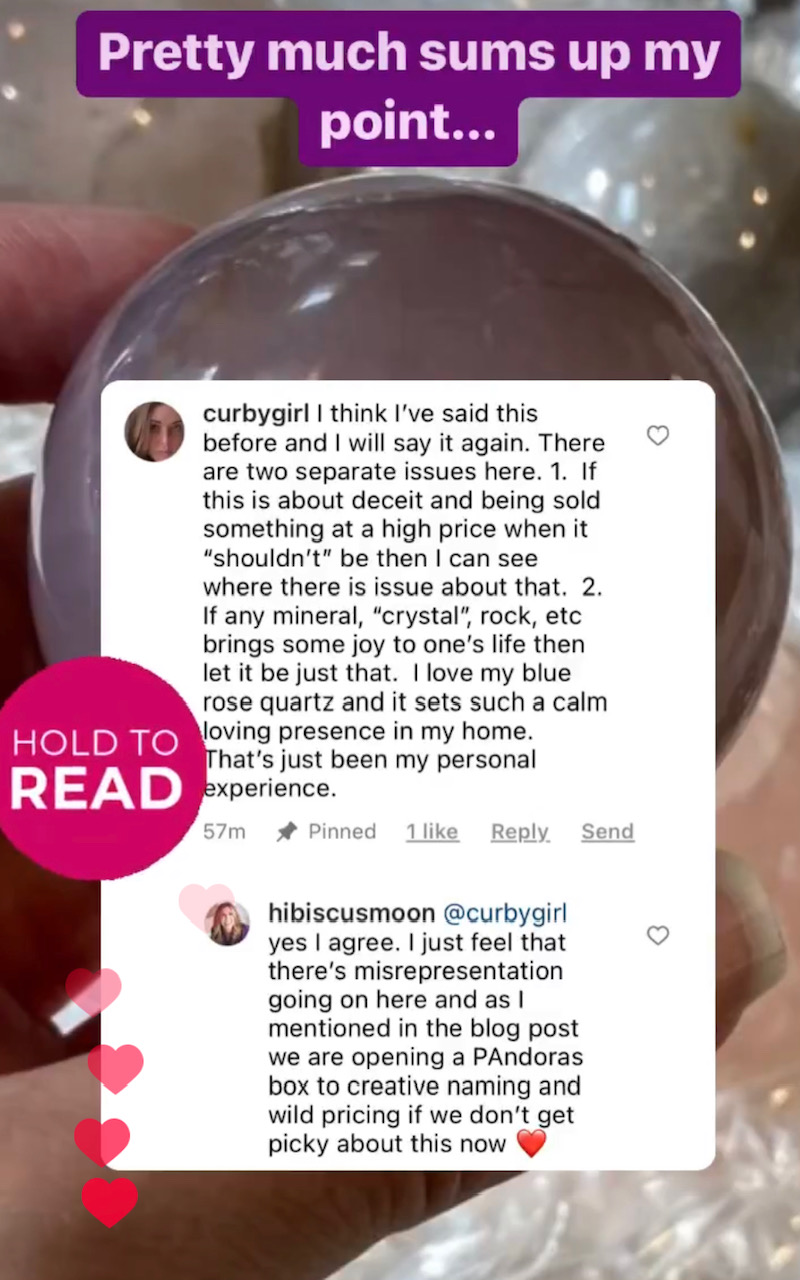
At the same time, industry veterans urge consumers to adopt a balanced perspective: recognizing that a stone is mislabeled does not diminish its potential to bring joy, comfort, or psychological focus during meditation. The primary objection centers not on the beauty or utility of the stone itself, but on deceptive marketing practices and inflated pricing models.
Implications for Consumers and the Metaphysical Market
The proliferation of marketing terms like "Blue Rose Quartz" carries significant implications for both individual buyers and the broader crystal community.
1. Financial Exploitation and Buyer Fatigue
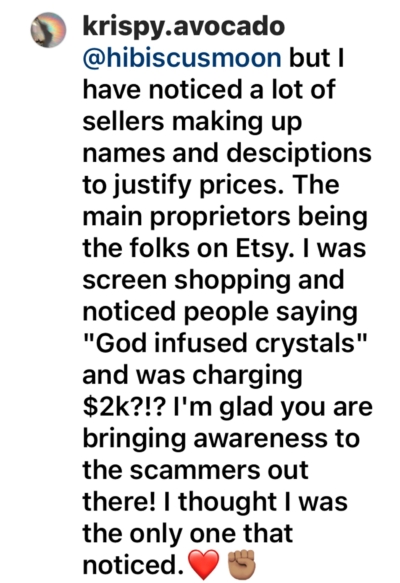
When common minerals are deceptively rebranded, consumers end up overpaying for abundant materials. This practice wastes financial resources and erodes trust between buyers and retailers. Furthermore, repeated exposure to fakes and misrepresentations can lead to consumer confusion, making it difficult for practitioners to achieve consistent results in their crystal work due to misconceptions about stone properties.
2. The Slippery Slope of Commercial Renaming
Industry experts warn that if the market accepts "Blue Rose Quartz" and "Black Rose Quartz" without pushback, it will pave the way for an endless cycle of fabricated commercial names. Without strict adherence to standard mineralogical nomenclature, buyers could soon face thousands of misleading varietal names designed solely to artificially stimulate demand.
3. The Power of Grassroots Consumer Education
Despite these challenges, the situation highlights the profound impact of an informed community. Decades of "fake-busting" initiatives have proven that when practitioners, students, and independent sellers collaborate to call out misleading descriptions, wholesale markets adapt. Many vendors quickly alter their listings when confronted with factual, geological evidence.
Conclusion: Protecting Yourself Through Education
Ultimately, the best defense against market deception is foundational education. Experts advise buyers to adopt a healthy skepticism toward newly coined, highly marketable crystal names that sound too exotic to be true. By combining basic geological knowledge with common sense—and purchasing exclusively from reputable, transparent sources—crystal enthusiasts can protect their investments while continuing to appreciate the genuine wonders of the natural world.