In the modern fitness landscape, our mental real estate is almost exclusively occupied by the muscles we can see in the mirror. We meticulously track our biceps, obsess over quad definition, scrutinize our abdominals, and build entire training blocks around our glutes. We ice our hamstrings, foam roll our IT bands, and spend precious pre-workout minutes dedicated to shoulder mobility.
Yet, how often do we consider the flexor digitorum brevis? What about the quadratus plantae or the plantar interossei?
For most of us, the answer is never. While fitness culture champions visible strength, an entire ecosystem of 29 small, intricate muscles, 26 bones, and thousands of sensory mechanoreceptors working tirelessly inside each foot remains an afterthought. We cram these complex structures into narrow-toed, heavily cushioned sneakers, seal them away, and call it a day.
As a growing body of biomechanical research and longevity experts point out, this oversight is a glaring blind spot. Foot health is no longer just a localized orthopedic concern—it is the foundational cornerstone of total-body movement, stability, and long-term vitality.
Main Facts: The Anatomy and Mechanics of the Foot
To understand why foot health matters, one must first look at the sheer complexity of the human foot. Each foot contains nearly a quarter of all the bones in the human body (26 bones), alongside 33 joints and 29 muscles. Together, they form a dynamic architecture designed to absorb shock, adapt to uneven terrain, and propel us forward with immense efficiency.
Your feet serve as the primary point of contact between your body and the physical world. Every single step is a continuous neurological and muscular feedback loop. The brain constantly communicates with thousands of mechanoreceptors embedded in the soles of the feet. This data stream informs the central nervous system of spatial orientation, load distribution, and the necessary adjustments to keep the body upright.

When this intricate system functions properly, movement is fluid and balanced. However, when foot function deteriorates, the consequences rarely remain localized. Dysfunction in the foot travels upward—affecting the ankle joint, migrating into the knees, destabilizing the hips, and ultimately translating into chronic lower back tension. A tight, underused arch or a compressed forefoot creates invisible compensation patterns that ripple up the kinetic chain, setting the stage for chronic injuries over time.
Chronology: The Shift from Hyper-Cushioning to Functional Footwear
The neglect of human foot health is not an ancient tradition; it is a byproduct of modern footwear evolution.
- The Mid-20th Century to Late 2000s: The footwear industry revolutionized athletic and casual wear by prioritizing hyper-cushioning, arch support, and narrow, tapered toe boxes. Shoes were engineered to prioritize immediate, passive comfort over active muscular engagement.
- The 2010s: Early pioneers in barefoot and minimalist running began questioning the long-term effects of highly structured shoes, sparking a niche movement toward minimalist footwear and natural gait mechanics.
- The Early 2020s: Longevity science began intersecting heavily with functional movement. Researchers and physical therapists started highlighting foot strength as a direct predictor of aging outcomes, such as fall prevention and gait velocity.
- Present Day (2026): Foot health has officially gone mainstream. Functional footwear, toe spacers, and dedicated foot-strengthening routines are transitioning from fringe biohacking trends into essential components of comprehensive wellness and athletic programming. Brands specializing in wide toe boxes, zero-drop platforms, and tactile ground feedback are rapidly reshaping consumer choices.
Supporting Data and Expert Insights: The Longevity Connection
The argument for foot health extends far beyond avoiding localized foot pain like plantar fasciitis; it is deeply intertwined with healthy aging and lifespan longevity.
Dr. Courtney Conley, a leading chiropractic physician and expert in foot and gait mechanics, emphasizes that declining foot strength directly correlates with reduced gait speed, increased fall risk, and a progressive loss of independence as we age. These are not merely orthopedic nuisances—they are critical health metrics. A loss of balance and stability in older adults is a primary catalyst for severe injuries, hospitalizations, and a decline in overall healthspan.
Furthermore, biomechanical studies demonstrate that overly cushioned running and training shoes dampen sensory input from the foot’s mechanoreceptors. By insulating the foot from the ground, the brain receives degraded spatial data. Under load—such as during a barbell squat, a heavy lunge, or a lateral cut on a tennis or pickleball court—this reduced clarity produces micro-instabilities. Over years and decades of training, these tiny compensatory shifts accumulate into chronic joint wear and tear.
Personal Experiment: A Month of Prioritizing Foot Health
Intrigued by the growing consensus among longevity experts, a month-long self-experiment was conducted to test the impact of deliberate foot awareness and training. The protocol was straightforward: no extreme regimens, just consistent integration of foot-focused habits into daily life.
1. Embracing Toe Spacers
Toe spacers were introduced during evening downtime, typically while relaxing on the couch. The initial experience was marked by discomfort—not pain, but a novel, unfamiliar sensation after decades of confinement in standard footwear. Inspired by the alarming visual of elite athletes’ toes compressed and deformed by years of high-impact training in narrow shoes, the habit stuck. Using spacers after high-lateral-movement activities like pickleball or long walks quickly transformed from an awkward chore into a welcome relief.
2. Implementing Foot-Specific Strength Work
Training the intrinsic muscles of the feet proved surprisingly humbling. The routine incorporated slow, eccentrically focused calf raises (where the lowering phase challenges stabilization), short-foot exercises, barefoot balance drills, and attempts at independent toe isolation. Because these exercises could be performed easily at a standing desk during the workday, the barrier to entry was practically zero. The primary takeaway was realizing just how dormant those muscles had been.
3. Eliminating House Slippers and Increasing Barefoot Time
In an urban environment, going barefoot outdoors is rare. To compensate, indoor cushioned slippers were abandoned in favor of direct floor contact at home, activating the intrinsic foot muscles rather than letting them idle inside plush footwear. Training sessions at the gym were also transitioned to socks, particularly for single-leg work and heavy squats.
4. Conducting a Footwear Audit
A critical assessment of everyday footwear revealed that modern shoes heavily prioritize cosmetic aesthetics and passive comfort at the expense of biomechanical function. To correct this, the experiment incorporated specialized functional footwear:
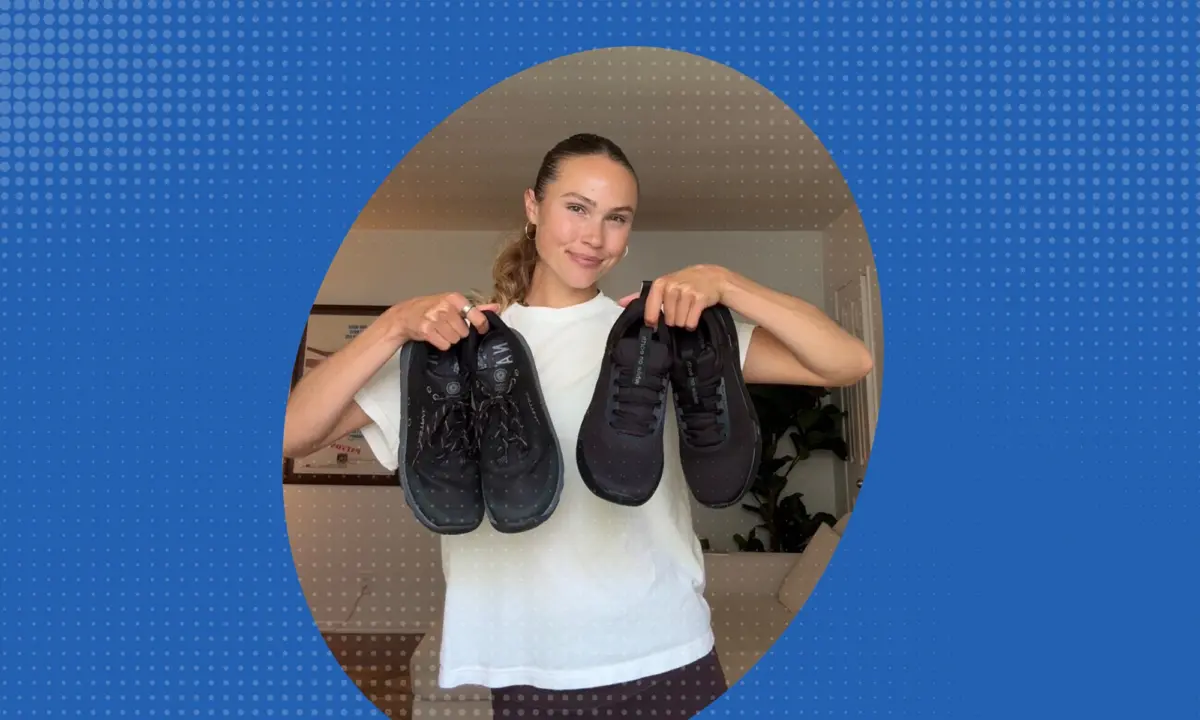
- Astral TR1 Sensi HT: Featuring a wide toe box, zero-drop platform, and natural fibers, these shoes maximized ground feel without sacrificing support. Transitioning to them required a gradual, week-by-week approach to allow the feet to adapt.
- While on Earth’s Move Trainer: Worn on higher-activity days, this shoe offered a wide toe box and a minimal 6mm heel-to-toe drop, providing slightly more cushion for high-impact workouts while maintaining structural integrity.
The contrast was stark. Returning to traditional, narrow-toed, heavily cushioned shoes quickly felt restrictive, highlighting just how much sensory feedback had been suppressed.
Implications: What Changed and What It Means for the Future
After a month of dedicated foot care, the changes were subtle yet profound:

- Enhanced Stability: Single-leg movements, such as split squats and Romanian deadlifts (RDLs), felt markedly more secure, rooted, and balanced.
- Reduced Fatigue: Post-activity foot fatigue following long walks, runs, or court sports decreased significantly.
- Heightened Awareness: The most profound transformation was neurological. A heightened consciousness of posture, weight distribution, and biomechanical alignment carried over into everyday life, making it easier to self-correct imbalances instantly.
Actionable Takeaways for Everyday Life
You do not need a month-long overhaul to begin improving your foot health. Experts recommend simple, accessible adjustments:
- Invest in Toe Freedom: Choose footwear with a wide toe box that allows your toes to splay naturally rather than compressing inward.
- Gradually Transition to Minimalist Gear: If moving toward zero-drop or low-profile shoes, do so incrementally to allow your tendons and muscles time to adapt safely.
- Incorporate Barefoot Time: Spend more time barefoot indoors to stimulate dormant stabilizing muscles.
- Train the Feet: Dedicate a few minutes each week to intrinsic foot strengthening, toe isolation, and eccentric calf work.
Conclusion
Fitness culture often fixates on the visible—the aesthetics reflected in the mirror, the numerical milestones on a barbell, and the outer shell of physical achievement. While these goals have merit, they rest entirely upon an overlooked foundation: 29 small muscles, 26 intricate bones, and a sophisticated sensory feedback network.
Whether your ambitions involve athletic performance, long-term healthspan, hiking rugged trails, or simply moving through life with grace and autonomy, every journey begins from the ground up. The foundation, quite literally, is underfoot.