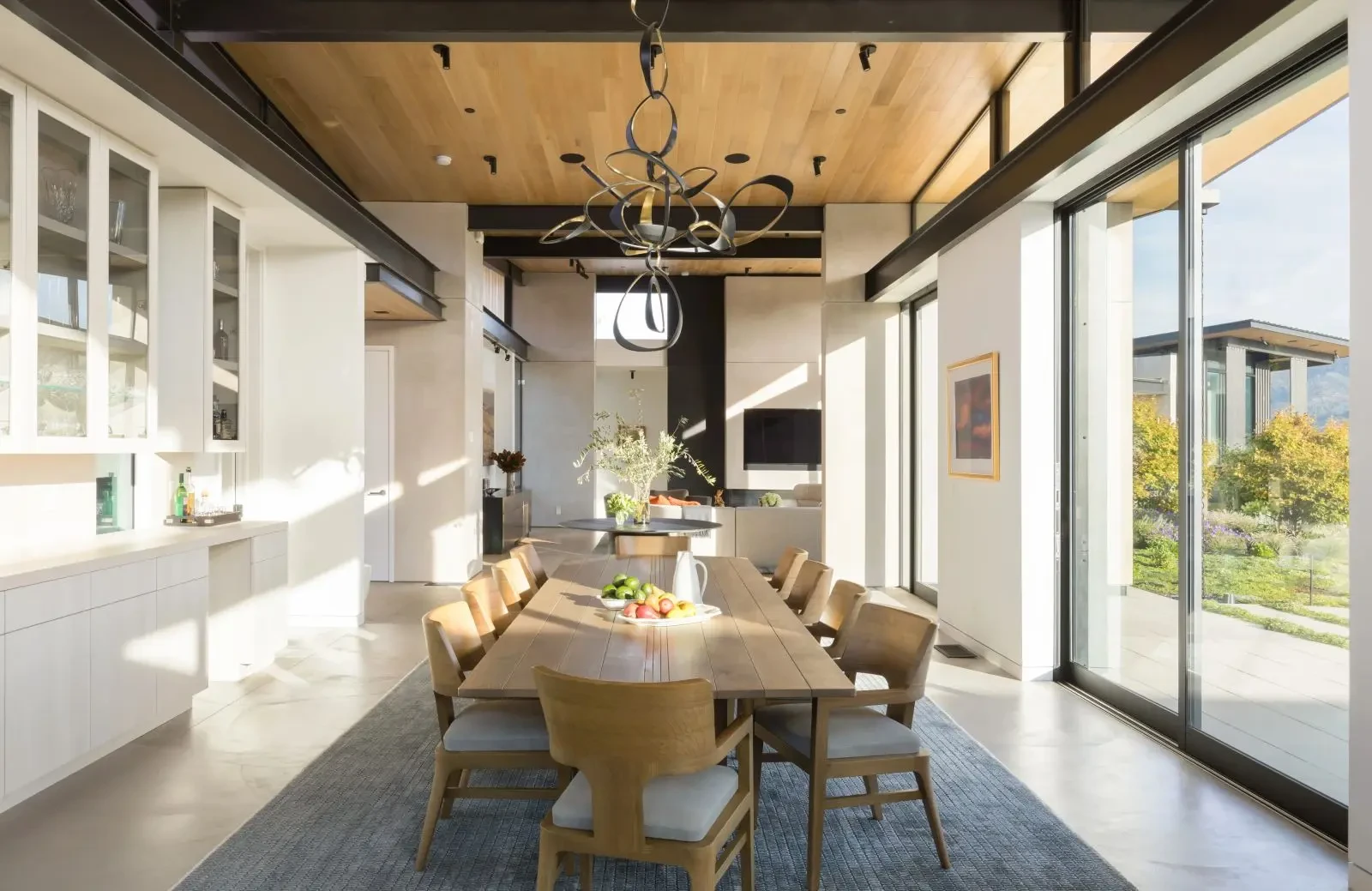
By the Roomhints Editorial Team
Part of the Roomhints Designer Spotlight Series
Main Facts
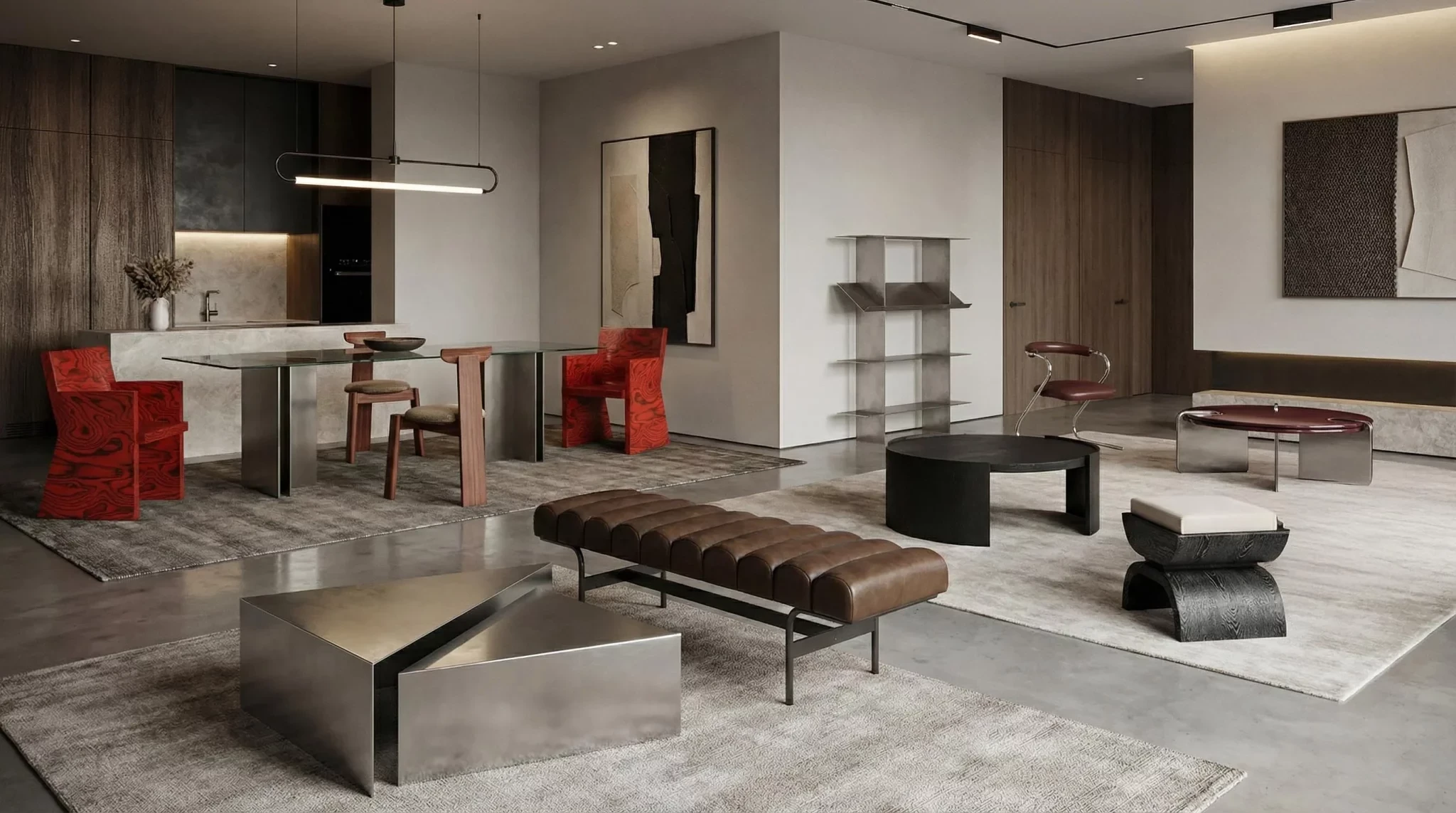
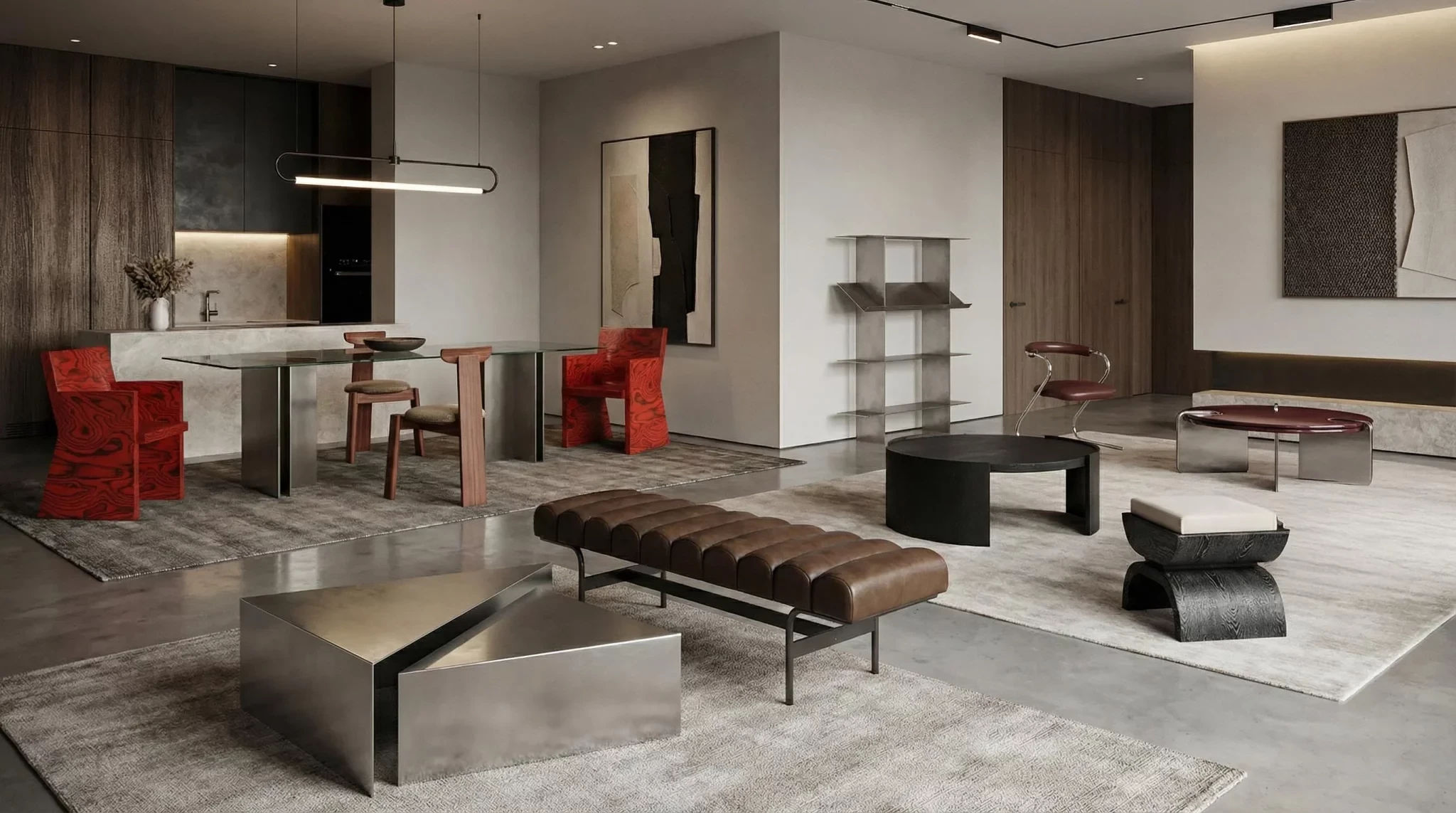
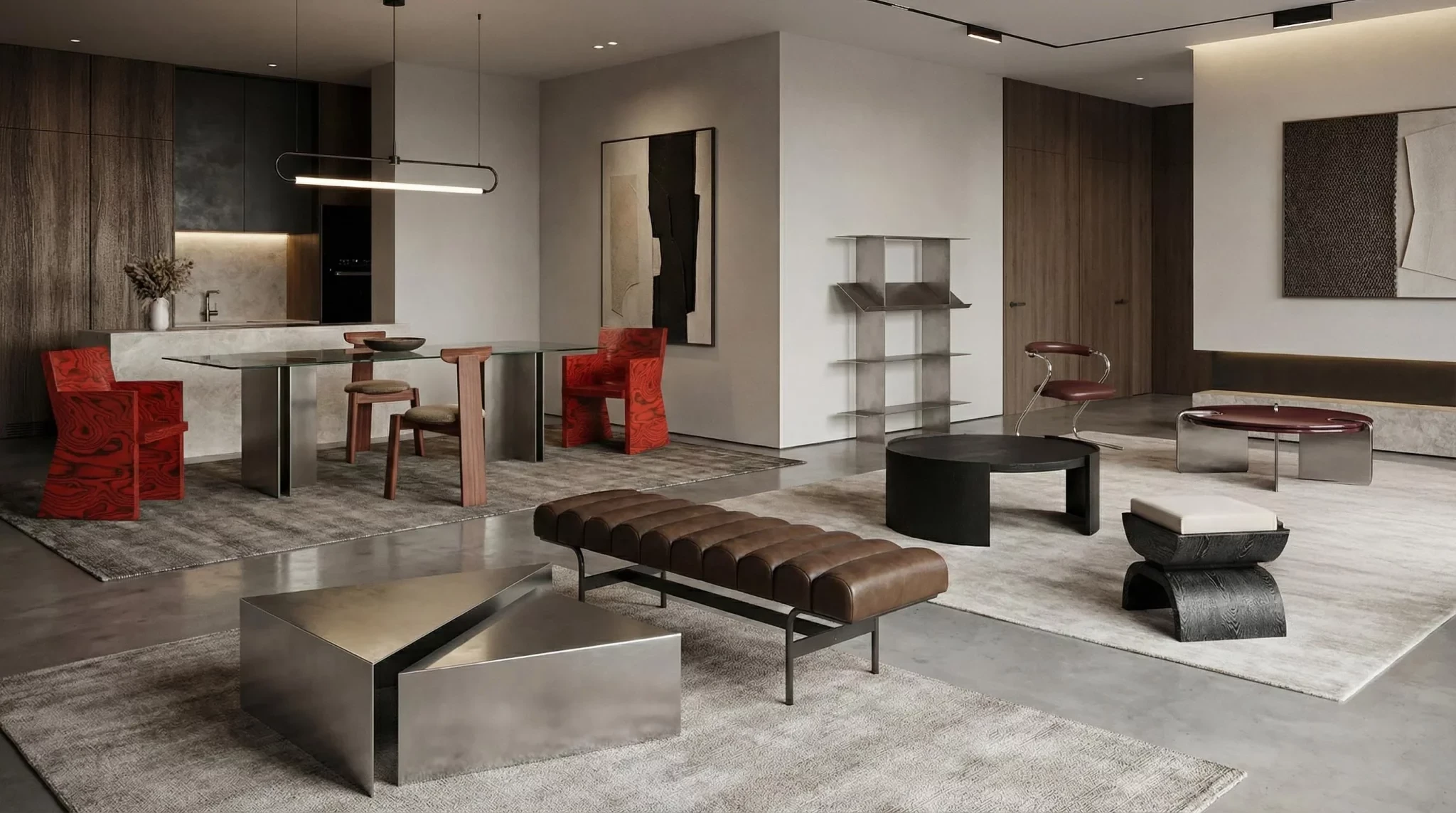
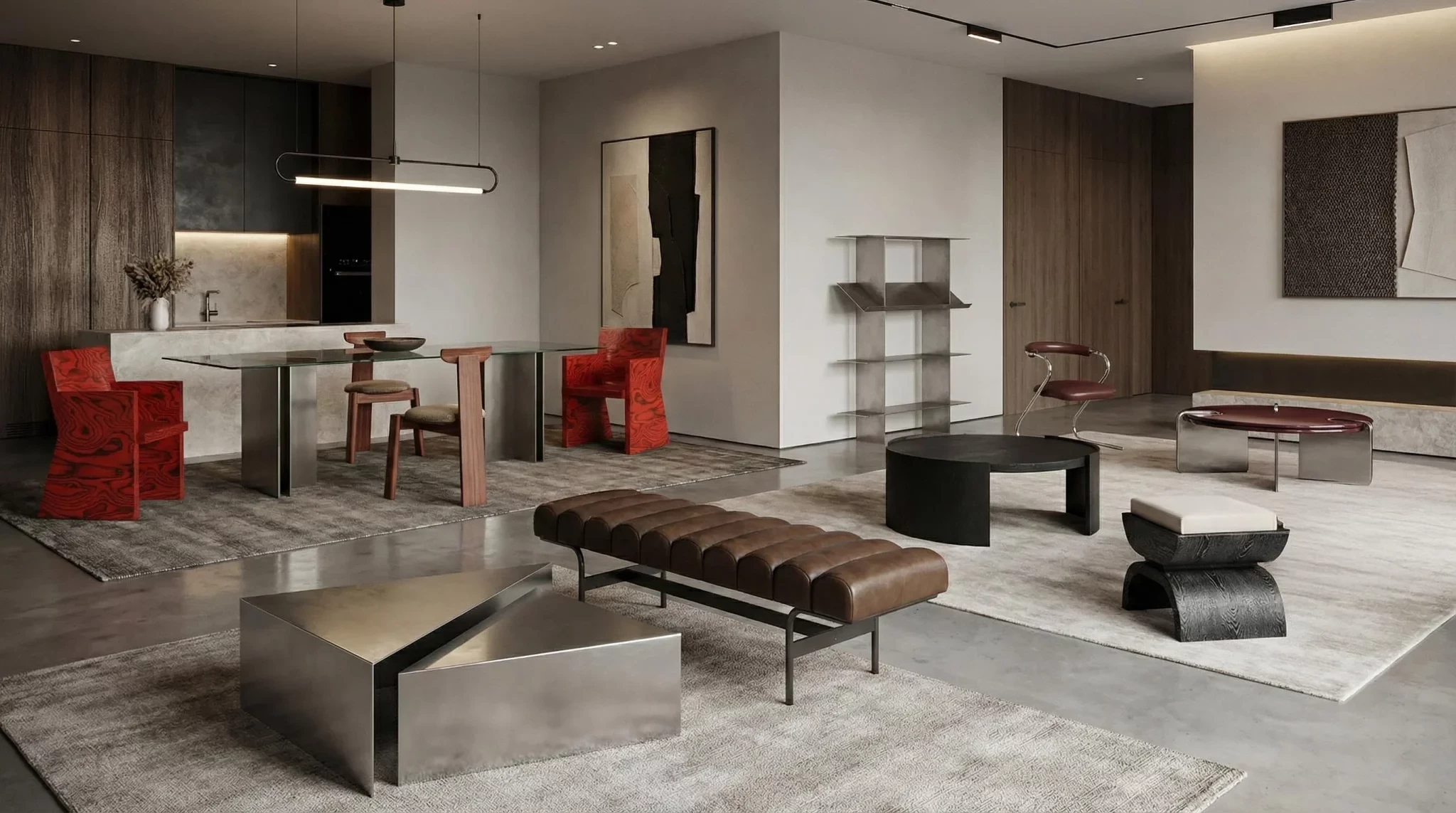
In the upper echelon of residential interior architecture, the difference between a decorated house and a deeply considered home usually comes down to discipline. For Martin Kobus, founder of the prominent U.S.-based firm Kobus Interiors, that discipline is anchored by three non-negotiable pillars: cleanliness, subtlety, and luxury.
Rather than treating these terms as vague aesthetic aspirations, Kobus approaches them as a strict professional framework. A native of the Netherlands, Kobus brings an innate European precision and spatial awareness to every commission his firm undertakes. His design philosophy is built upon a delicate yet resolute paradox: a designer must honor the desires of the client while simultaneously steering the vessel toward its inevitable architectural and functional destination.
Kobus Interiors has cultivated a stellar reputation for crafting sophisticated, highly edited environments that prioritize tactile materials, spatial flow, and emotional resonance. Among the firm’s crowning achievements is a sprawling, master-planned desert estate in Rancho Mirage, California—a project that crystallizes the studio’s mastery over harsh natural lighting, expansive footprints, and modern luxury. Yet, despite his formidable portfolio of high-end residential spaces, Kobus insists that the core of interior design is not merely visual or material-driven; rather, it is deeply psychological, sensory, and rooted in an absolute commitment to spatial flexibility.
Chronology
To understand the architectural rigor and refined eye that Martin Kobus brings to modern American interiors, one must look at the foundational trajectory of his life and career.

- Early Years in the Netherlands: Immersed in a European design culture from a very young age, Kobus developed an early appreciation for structure, historical context, and material honesty. Growing up surrounded by Dutch design sensibilities laid the groundwork for his lifelong obsession with clean lines and functional elegance.
- The Formation of Kobus Interiors: Transitioning his lifelong immersion in the arts and spatial planning into a formal practice, Kobus established his eponymous firm. From its inception, the studio rejected superficial trend-chasing in favor of a restrained, enduring aesthetic heavily influenced by masters of the craft, such as the legendary French designer Christian Liaigre.
- Expanding Global Horizons: Through extensive international travel and a constant study of elite hospitality spaces—particularly high-end luxury resorts—Kobus broadened his design vocabulary. He observed how the world’s finest boutique environments solve complex spatial challenges while remaining deeply inhabitable.
- The Rancho Mirage Masterpiece: A defining watershed moment for Kobus Interiors was the completion of a dream estate in the unforgiving, light-drenched desert landscape of Rancho Mirage, California. This project served as a proving ground where the firm’s philosophy of clean, subtle luxury was tested against dramatic topography and extreme sunlight, ultimately resulting in a masterclass of residential architecture.
- Present Day: Today, Martin Kobus continues to helm high-profile residential projects across the United States, operating as both a visionary creative director and a master psychologist for discerning clients seeking spaces that transcend temporary decoration.
Supporting Data & Design Philosophy
The work of Martin Kobus cannot be categorized by a single color palette or a specific historical era. Instead, it is defined by a rigorous set of operating principles that guide every floor plan, material selection, and lighting layout.
The Client-Designer Dynamic
“We are a design firm that believes in giving the client what they want, but to drive the project in our direction. Clean, subtle, luxurious interiors are our hallmark.”
According to Kobus, the finest rooms are born out of constructive tension. Clients arrive with a collage of dreams, Pinterest boards, and personal desires. The designer’s job is not to capitulate to every whim, nor is it to impose an ego-driven vision that ignores the homeowner’s lifestyle. Instead, Kobus listens intently before taking the helm. The success of a project relies on navigating this dynamic with unwavering confidence.
The Psychology of Space
Kobus frequently asserts that more than 50% of high-end interior design has little to do with fabrics, stones, or furniture specifications. It is, at its core, applied psychology.
- Understanding the Unspoken: A successful designer must decode how a client actually lives, identifying underlying anxieties, daily friction points, and deep-seated aspirations that the client may not yet know how to articulate.
- The Conversation as the Medium: While the physical room is the final product, Kobus views the investigative design dialogue as the true test of a designer’s skill. Building trust allows the client to surrender control at critical moments, opening the door to bold, cohesive design decisions.
Inspiration from Masters and Hospitality
When conceptualizing a project, Kobus draws heavily from references outside traditional residential architecture.

- Christian Liaigre’s Legacy: The influence of Christian Liaigre is palpable in Kobus’s work. Liaigre’s revolutionary focus on restrained luxury, tactile natural materials (such as dark woods, supple leathers, and heavy linens), and understated elegance provides a philosophical touchstone for Kobus Interiors.
- The Hospitality Benchmark: Luxury resorts represent the ultimate design stress-test: how to make monumental, highly trafficked spaces feel intimately inhabitable, deeply considered, and entirely devoid of generic corporate polish. Kobus translates the effortless tranquility of elite resorts into private residential compounds.
The Sensory Layer: Fragrance
When asked about the ultimate finishing touch that transforms a space, Kobus offers an answer that surprises many conventional interior designers: fragrance.
While art, lighting, and decorative accessories are standard elements of any styling checklist, Kobus places scent at the pinnacle of sensory architecture. This perspective underscores a holistic philosophy—a home is not merely a visual artifact to be photographed; it is an immersive, multi-sensory environment that envelops everyone who crosses the threshold.
Official Responses & Insights
In exclusive commentary gathered as part of the Roomhints Designer Spotlight series, Martin Kobus elaborated on the foundational tenets of his practice, offering rare insights into what separates a competent decorator from an exceptional spatial architect.
Discussing the realities of executing complex residential projects, Kobus emphasized the supreme value of flexibility:
"The single most important principle in this profession is flexibility. The ability to respond—to a difficult space, to a shifting client need, or to the unexpected structural realities of a building as it unfolds—is what separates competent interiors from exceptional ones. No architectural plan ever survives contact with a real, physical building entirely intact. The designer who can adapt fluidly without ever losing their core vision is the one whose rooms are truly worth living in."
Kobus also addressed the unique challenges of building in extreme environments, pointing to his Rancho Mirage estate project:

"Desert architecture is unforgiving. The light in places like Rancho Mirage is blinding, stark, and dramatic. It strips away hiding places for bad design. If your lines aren’t clean, if your materials don’t have natural weight and substance, the desert light exposes it immediately. Designing there forced us to double down on our commitment to subtlety and precision. When you get it right in a landscape that intense, the architecture feels like it has risen organically from the earth."
Implications for the Future of Luxury Interior Design
The philosophy and body of work championed by Martin Kobus carry significant implications for the broader trajectory of the interior architecture and design industry.
- A Shift from Ostentation to Quiet Luxury: For decades, high-end residential design frequently equated luxury with overt display—ornate moldings, flashing chandeliers, and loud, branded furniture pieces. Kobus’s steadfast adherence to clean, subtle, and tactile environments mirrors a larger cultural shift toward "quiet luxury." Modern ultra-high-net-worth clients increasingly value sanctuaries of peace, authenticity, and emotional well-being over architectural statements designed solely to impress.
- The Evolution of the Designer-Client Relationship: By framing a large portion of the design process as psychological counseling and strategic leadership, Kobus redefines the professional boundaries of the interior designer. In an era where digital platforms and AI-driven mood boards can simulate visual aesthetics instantly, the irreplaceable human value of a designer lies in their ability to mediate human emotion, manage expectations, and steer complex, multi-year projects to completion.
- Holistic Sensory Integration: Kobus’s emphasis on olfactory design—treating fragrance as a structural layer of the room—challenges the ocular-centric bias of contemporary media. As architectural photography and social media dominate how design is consumed, creators like Kobus remind the industry that a home is experienced through the body, demanding an integration of sound, touch, scent, and spatial psychology.
As Kobus Interiors continues to shape exceptional residential properties across the United States, Martin Kobus remains a benchmark for what it means to lead with conviction, design with restraint, and elevate interior architecture to a true discipline.
Explore more of Martin Kobus’s portfolio by visiting martinkobushome.com.
This feature is part of the ongoing Roomhints Designer Spotlight series, dedicated to illuminating the visionaries shaping the rooms that matter.