By the Roomhints Editorial Team Part of the Roomhints Designer Spotlight Series
Main Facts
In the upper echelon of residential interior architecture, true distinction is rarely born from excess. Instead, it emerges from a rigorous commitment to editing, a deep understanding of spatial psychology, and an uncompromising artistic vision. Few practitioners embody this philosophy more completely than Martin Kobus, founder of the American-based practice Kobus Interiors.
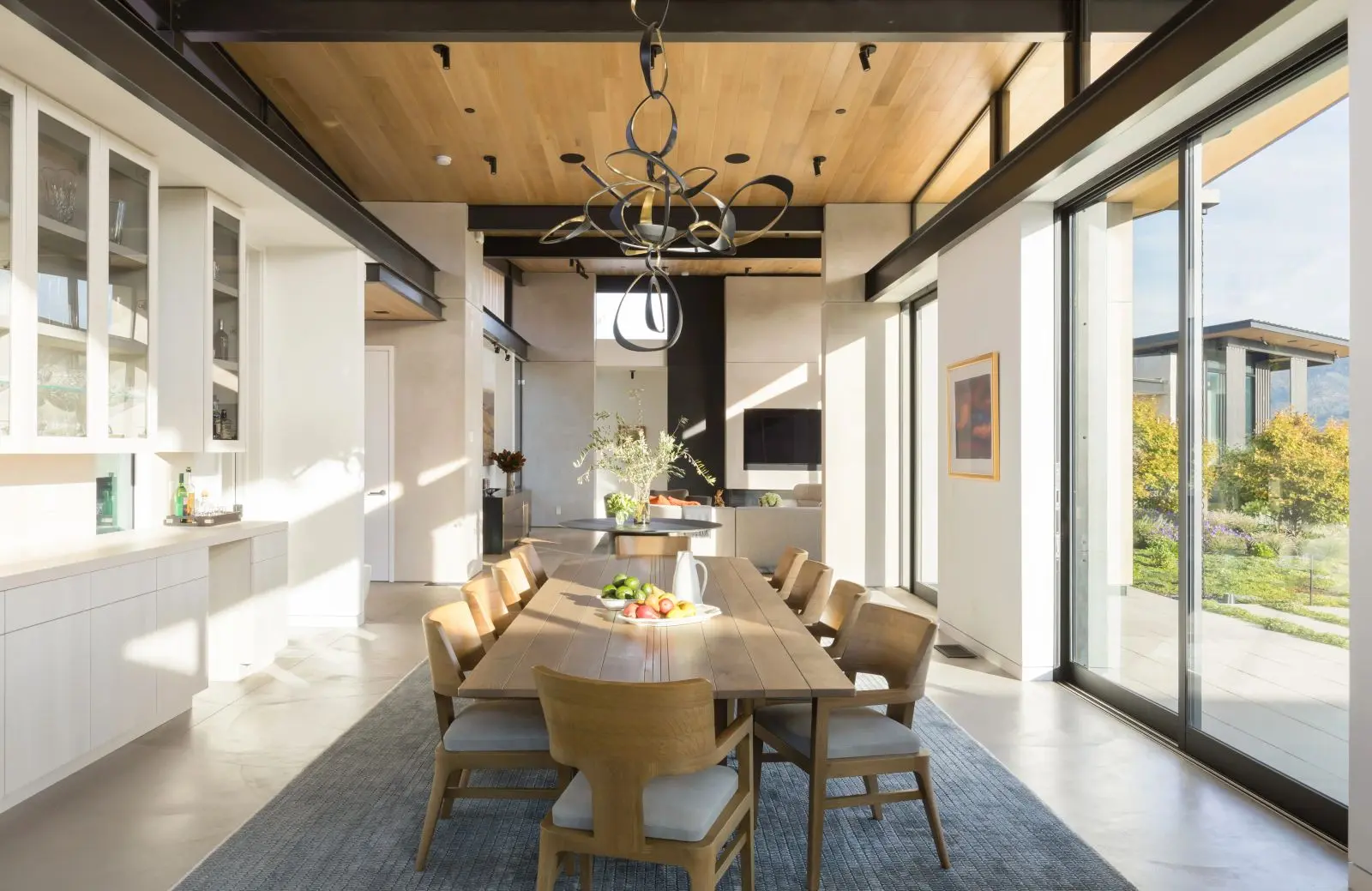
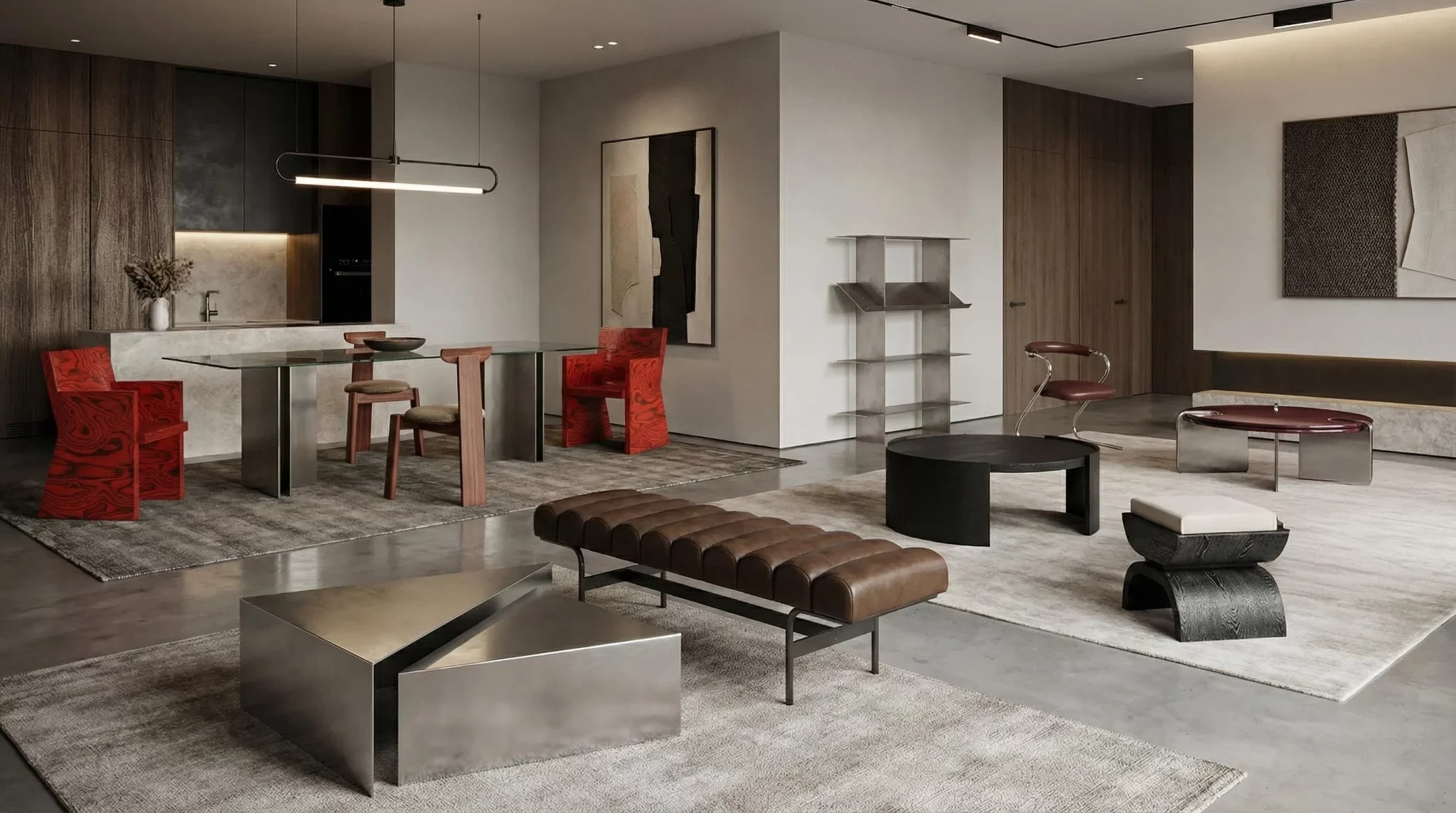
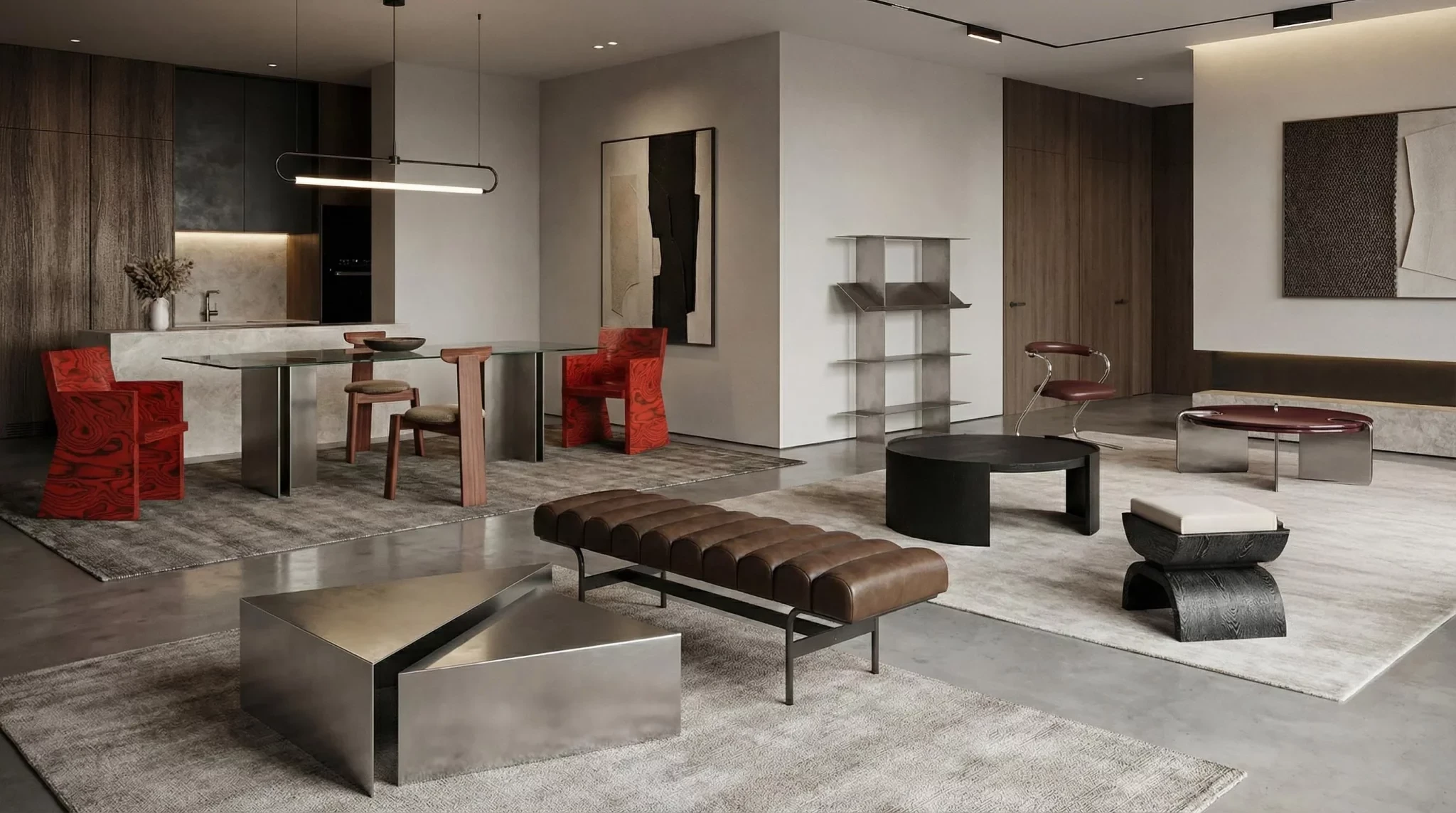
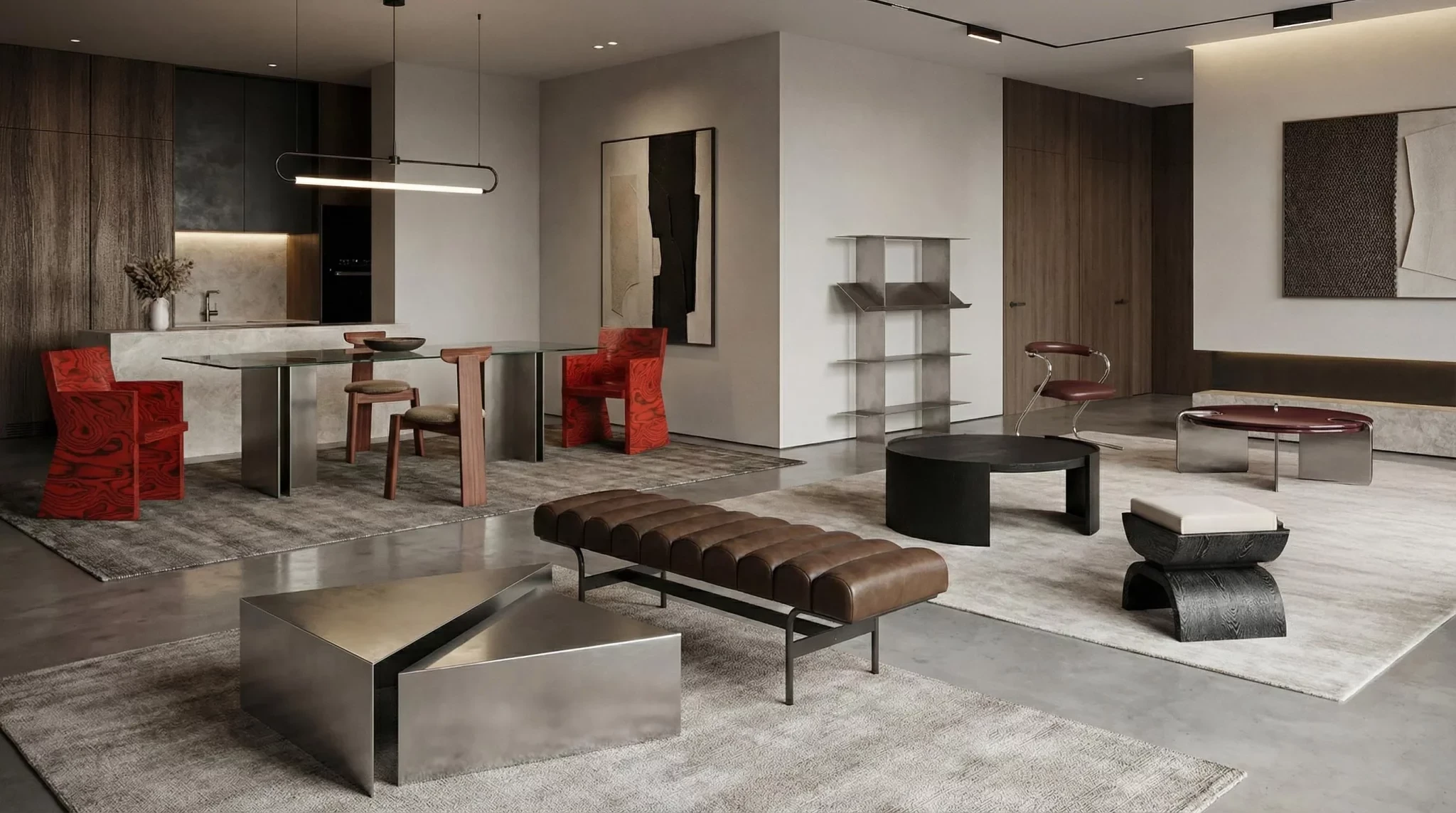
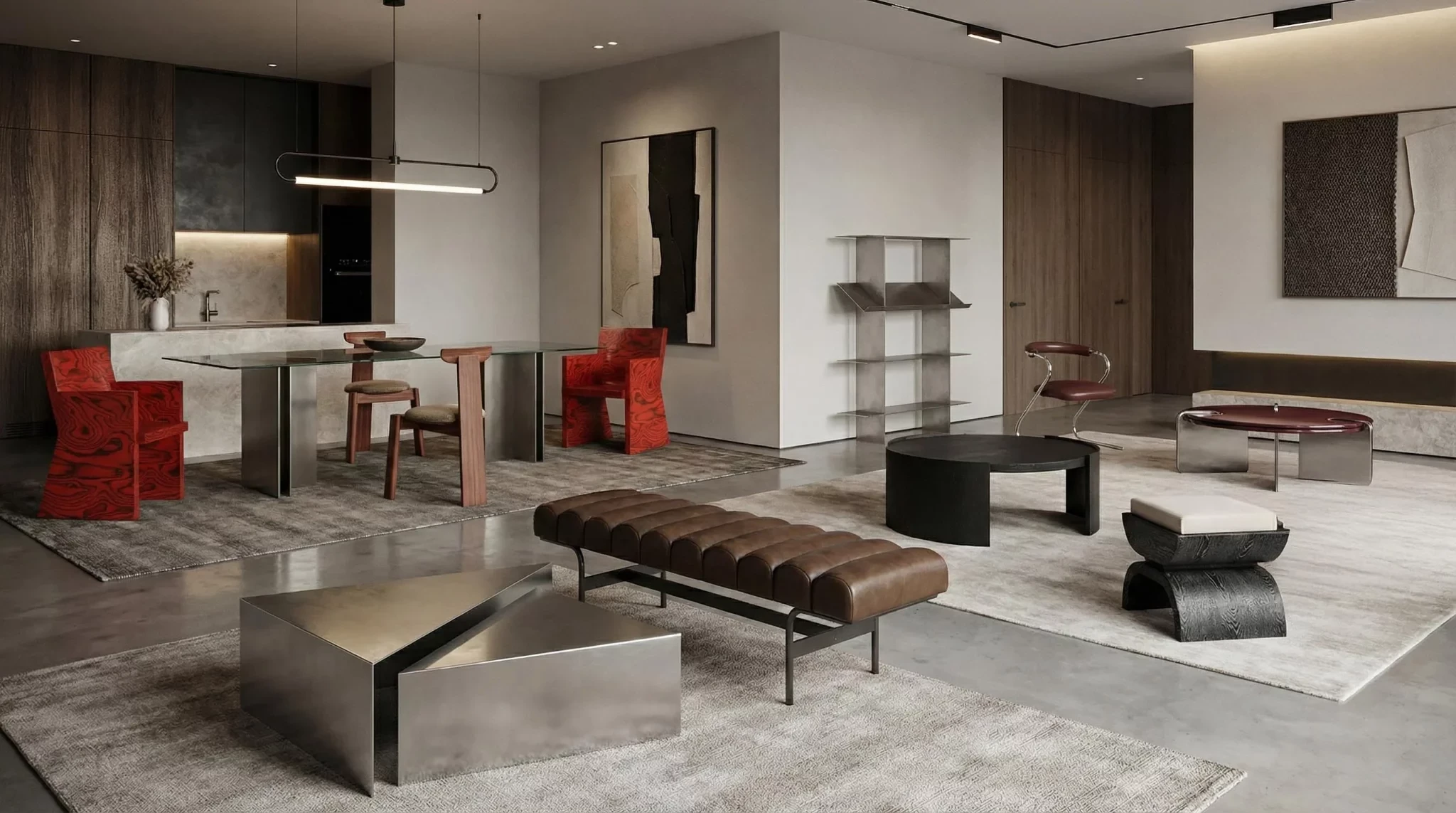
A native of the Netherlands, Kobus brings a distinctly European sense of precision, proportion, and structural calm to every project bearing his name. For Kobus, interior design is not merely a service industry focused on surface ornamentation, but a disciplined architectural art form. His signature style is defined by a triad of operational principles: clean lines, subtle gestures, and quiet luxury.
Operating at the intersection of client desires and visionary leadership, Kobus Interiors has built a reputation for crafting spaces that transcend ephemeral trends. Rather than simply executing a client’s initial wishlist, Kobus views his role as a collaborative journey of translation—listening closely to understand how a client lives, while steering the aesthetic trajectory toward what a space truly demands. From sprawling desert compounds in Southern California to high-end residential estates across the United States, his portfolio stands as a testament to the power of restraint, material honesty, and spatial harmony.
Chronology
To understand the evolution of Martin Kobus as a master designer, one must trace a trajectory shaped by a lifetime of immersion in the visual arts, global exploration, and a steady ascent through the competitive ranks of high-end residential architecture.
Early Foundations and European Sensibilities
Growing up in the Netherlands, Kobus was surrounded by an architectural and cultural landscape that historically values efficiency, craftsmanship, and a seamless relationship between interior spaces and the natural world. This upbringing instilled a foundational appreciation for structural clarity and light. Unlike designers who discover their passion later in life, Kobus’s immersion in the design continuum has been lifelong. This deep-seated familiarity allows him to navigate spatial challenges instinctively, translating abstract concepts into grounded, habitable realities with effortless grace.
The Rise of Kobus Interiors
Upon establishing his practice in the United States, Kobus quickly differentiated himself in a crowded market dominated by maximalist tendencies and transient fads. By championing a philosophy rooted in timelessness and quiet luxury, Kobus Interiors attracted a discerning clientele seeking sanctuaries rather than showcases. Over the years, the firm’s body of work expanded steadily, moving from sophisticated urban residences to ambitious architectural marvels in challenging natural environments.
The Rancho Mirage Milestone
If a designer’s career is marked by defining chapters, the completion of a dream masterpiece estate in Rancho Mirage, California, stands as the zenith of Kobus’s portfolio to date. Tasked with designing a luxury residence in a desert community where intense light, dramatic desert landscapes, and brutal heat intersect, Kobus delivered a masterclass in spatial balance. The project required an acute sensitivity to the surrounding environment, testing the limits of material durability, light diffusion, and thermal comfort. The successful realization of the Rancho Mirage estate cemented Kobus Interiors’ status as a leading force in modern luxury residential design, proving that his minimalist philosophy could not only survive but elevate the most unforgiving architectural landscapes.
Supporting Data & Design Philosophy
The work of Martin Kobus is underpinned by a distinct set of philosophies, inspirations, and methodological frameworks that distinguish his practice from traditional interior decoration.
The Psychology of Space
A central tenet of Kobus’s professional ethos is that the physical realization of a room accounts for only a fraction of the design process. More than half of the work, he notes, is psychological. Understanding the client—how they move through their day, what anxieties they carry, and what unspoken desires they hold—is just as critical as specifying textiles or custom millwork.
Active Listening vs. Directing: Kobus believes in giving clients what they think they want while simultaneously guiding the project toward the direction it needs to go. This healthy tension between client imagination and professional expertise is where exceptional design occurs.
The Principle of Flexibility: When asked to name his single most vital design principle, Kobus offers a single word: flexibility. No master plan survives contact with a real, physical building entirely intact. The ability to pivot, adapt to unforeseen structural realities, and respond organically to a space as it unfolds separates competent designers from visionary leaders.
Influences and Inspirations
Kobus’s aesthetic vocabulary is heavily informed by historical and global touchstones:
Christian Liaigre: The legendary French interior designer, renowned for his restrained, material-focused approach that defined modern luxury, serves as a primary philosophical touchstone for Kobus. Like Liaigre, Kobus champions timber, leather, bronze, and natural stone, allowing the inherent beauty of raw materials to take center stage.
Luxury Hospitality: Kobus frequently looks to high-end global resorts for inspiration. These spaces operate under the ultimate design pressure: they must feel immediately inhabitable, deeply considered, and entirely un-generic to thousands of transient guests. Translating this resort-style ease into a private residential setting is a hallmark of the Kobus approach.
Global Travel: Exploration acts as a continuous catalyst for Kobus, expanding his design lexicon by exposing him to diverse vernacular architectures, regional craftsmanship, and alternative ways of organizing human space.
The Full Sensory Spectrum
Perhaps the most telling aspect of Kobus’s holistic design vision is his stance on finishing touches. When asked what element most dramatically transforms a room, his answer bypasses conventional visual layers like art, lighting, or decorative accessories. Instead, he points to fragrance. By prioritizing the scent of a room, Kobus acknowledges that true luxury engages all five senses, creating an immersive, subconscious emotional response the moment one crosses the threshold.
Official Responses & Direct Insights
In his own words, Martin Kobus articulates the core tenets that drive his eponymous firm and shape his perspective on the built environment:
On the Work of Designing: "We are a design firm that believes in giving the client what they want but to drive the project in our direction. Clean, subtle, luxurious interiors are our hallmark."
This philosophy guides every client interaction. Kobus does not practice design as an act of ego, nor does he function as a passive order-taker. Instead, he assumes the role of a trusted guide. By establishing trust early in the relationship, he earns the authority to steer clients away from fleeting design traps and toward enduring, sophisticated solutions.
On the Reality of the Creative Process: "The room is the end product. The conversation that gets you there is where the real skill lives."
Through this statement, Kobus highlights the deeply personal nature of high-end interior architecture. The physical blueprints and furniture layouts are merely physical manifestations of an intimate dialogue between the designer and the inhabitant.
On Adaptability: "No plan survives contact with a real building entirely intact. The designer who can adapt without losing their vision is the one whose rooms are worth living in."
This pragmatic realism ensures that Kobus Interiors projects are not only visually stunning in professional photographs but are fundamentally livable, functional, and resilient against the practical friction of everyday human life.
Implications
The design philosophy and career trajectory of Martin Kobus offer significant implications for the broader world of architecture, interior design, and modern luxury living.
A Counter-Movement Against Maximalism
In an era dominated by digital noise, fast furniture, and algorithm-driven trend cycles, the work of Martin Kobus serves as an antidote. By championing clean, subtle, and luxurious spaces rooted in natural materials and spatial discipline, Kobus proves that contemporary luxury does not require visual shouting. His success suggests a growing consumer appetite for intentional, grounding environments that promote mental clarity and emotional well-being.
The Evolution of the Client-Designer Relationship
Kobus’s emphasis on the psychological underpinnings of design signals a shift in how high-end design services are delivered. As clients face increasingly stressful modern lives, the home is no longer viewed merely as a status symbol, but as a therapeutic sanctuary. Designers who can successfully navigate the psychological terrain—balancing empathy with firm professional leadership—are setting a new standard for client satisfaction and spatial success.
Redefining Sustainability Through Longevity
While environmental sustainability in architecture often focuses narrowly on energy efficiency and green certifications, Kobus’s work highlights another critical dimension of sustainability: aesthetic longevity. By designing spaces that are timeless rather than trendy, and by utilizing enduring, high-quality materials that age gracefully, Kobus Interiors creates environments that resist the wasteful cycle of demolition and redesign. A room that remains relevant, beautiful, and functional for decades is, by definition, a sustainable one.
To explore the portfolio of Martin Kobus and learn more about Kobus Interiors, visit martinkobushome.com.