By the Roomhints Editorial Team Part of the Roomhints Designer Spotlight Series
Main Facts
In the upper echelon of residential interior architecture, true distinction is rare. It separates those who merely decorate from those who craft environments capable of altering human emotion and behavior. Enter Martin Kobus, the Dutch-native visionary behind the celebrated firm Kobus Interiors. Operating out of the United States, Kobus has carved out a distinct niche defined by a tripartite mantra: clean, subtle, and luxurious.
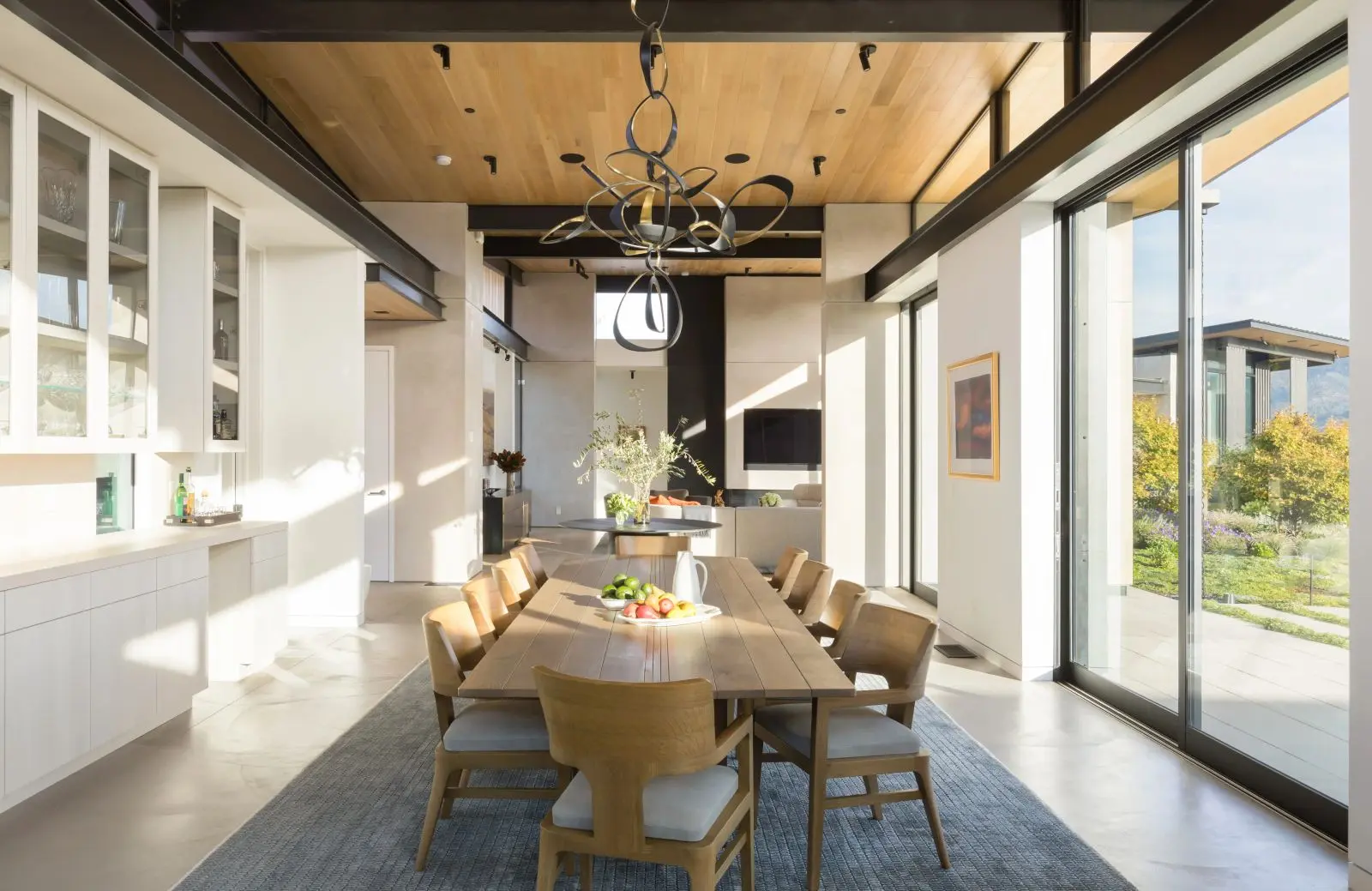
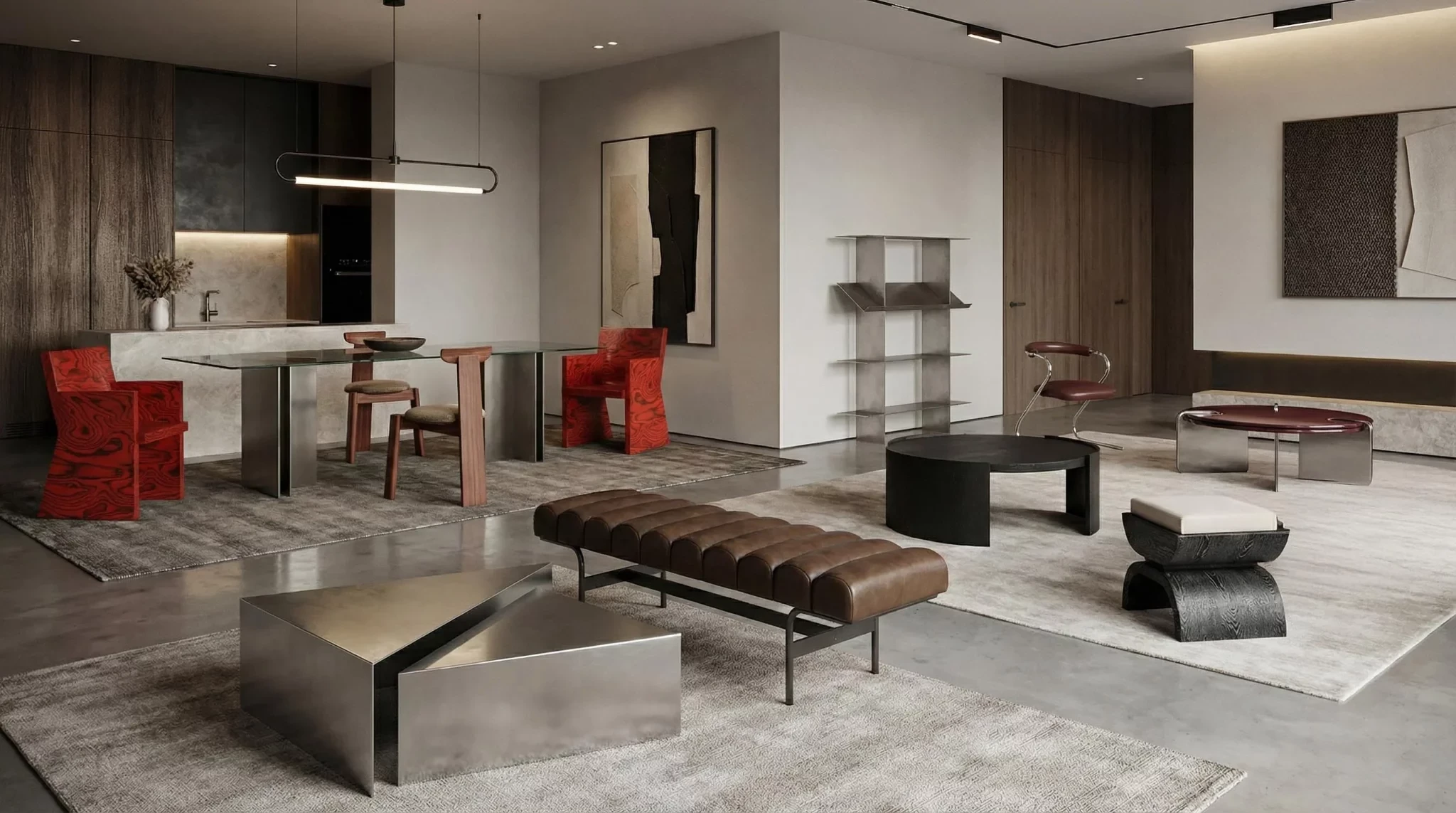
For Kobus, these are not mere aesthetic buzzwords or flexible aspirations; they represent a rigorous, lifelong design discipline. Infused with a European sense of structural precision and spatial geometry, Kobus’s work rejects superficial trends in favor of timeless architecture and deeply considered living spaces. His portfolio spans high-profile residential projects, most notably a defining, dream masterpiece estate nestled in the dramatic, sun-drenched desert landscape of Rancho Mirage, California.
Yet, beneath the surface of his minimalist yet opulent material selections lies an unexpected truth: Kobus believes that more than half of the design process is rooted entirely in human psychology. Balancing client desires with the unyielding vision required to steer a project toward its true potential, Kobus approaches interior architecture as a deeply holistic art form. From drawing inspiration from the restrained, material-focused mastery of Christian Liaigre to considering the invisible yet profound impact of a room’s signature fragrance, Kobus redefines what it means to experience luxury.
Chronology
To understand the precision and confidence that Martin Kobus brings to every blueprint and spatial layout, one must examine the timeline of a career forged through lifelong immersion in the design arts.
Early Foundations (The European Years): Growing up in the Netherlands, Kobus was immersed in a cultural and architectural landscape that values functional efficiency, clean lines, and historical appreciation. This early exposure instilled a lifelong European sensibility—a baseline respect for structural integrity and material honesty that would later define his American-based practice.
The Evolution of Kobus Interiors: Relocating to the United States, Kobus established his eponymous firm with a radical yet simple philosophy: listen to the client, but drive the project. Over the years, the firm built a reputation for high-end residential spaces that seamlessly merge warmth with modernist restraint, eschewing clutter in favor of carefully curated spatial narratives.
The Rancho Mirage Milestone: A pivotal moment in the firm’s history came with the conceptualization and completion of a sprawling luxury estate in Rancho Mirage, California. Working against the harsh, unforgiving light and dramatic desert topography, Kobus successfully harmonized interior volumes with the external environment, cementing his reputation for handling high-stakes architectural challenges.
Present Day & Ongoing Innovations: Today, Kobus continues to expand his design vocabulary through global travel, continuous study of elite hospitality and luxury resort architecture, and groundbreaking residential commissions across the United States. Through features like the Roomhints Designer Spotlight, his philosophy continues to influence the next generation of spatial designers.
Supporting Data & Design Philosophy
The success of Kobus Interiors is not left to chance; it is anchored in a set of core principles, philosophical touchstones, and operational frameworks that guide every commission from concept to completion.
The Three Pillars: Clean, Subtle, Luxurious
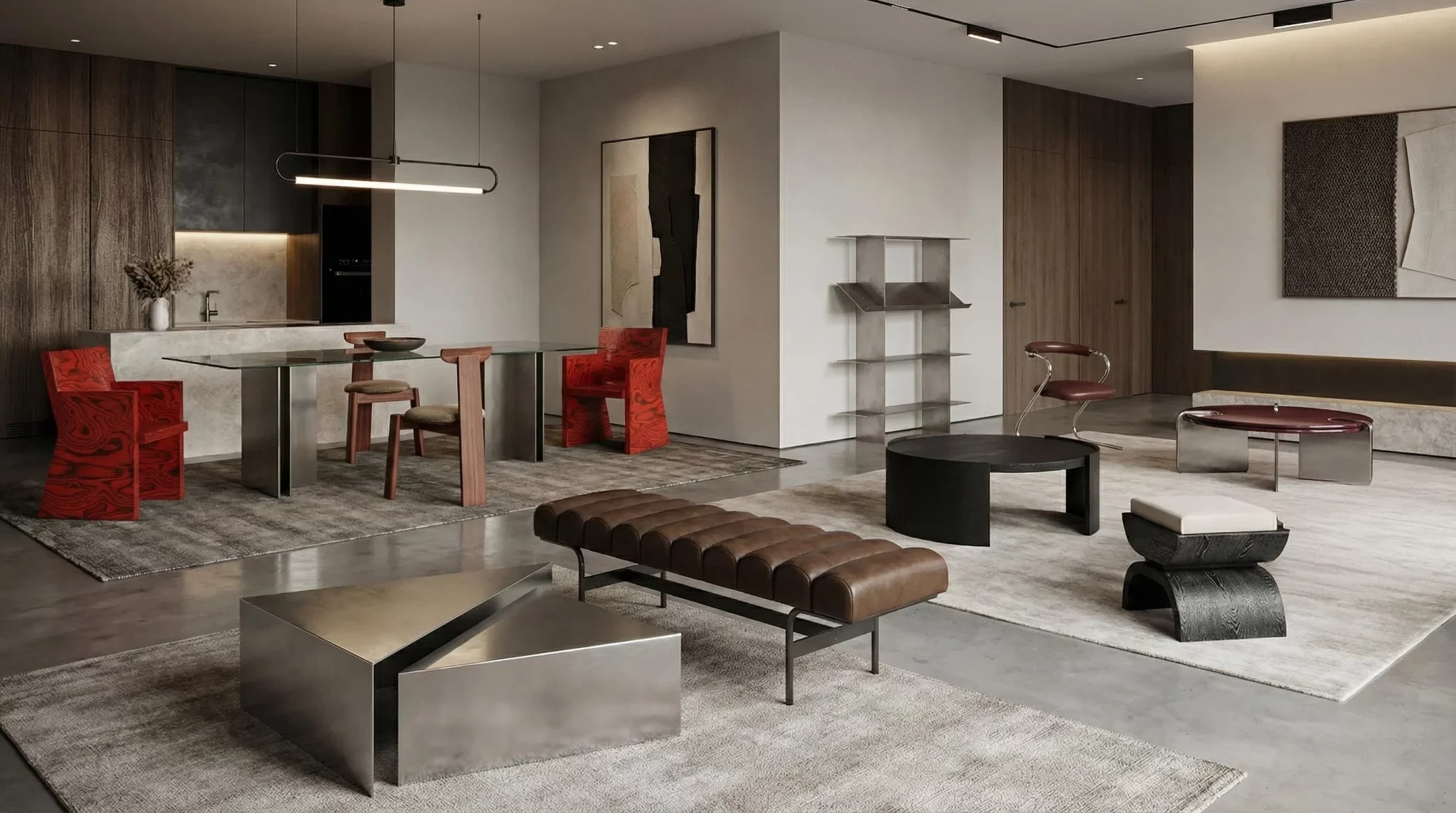
When examining a Kobus interior, viewers are struck by the absence of visual noise. Clean lines do not translate to coldness; rather, they provide a calm canvas that allows exceptional materials—such as European white oak, bespoke metals, honed stones, and rich textiles—to speak for themselves. Subtlety is employed to create quiet moments of repose, ensuring that a room is felt rather than aggressively noticed. Luxury, in this context, is defined not by ostentatious displays of wealth, but by comfort, scale, custom craftsmanship, and the effortless flow of daily life.
The Psychology of Space
Kobus frequently notes that the physical room is merely the end product of a much deeper, psychological journey. More than 50% of high-end interior design, according to Kobus, is navigating the human element:
Uncovering Hidden Desires: Clients often articulate what they think they want based on external trends, but a master designer must unearth how they actually live, what brings them anxiety, and what truly makes them feel at home.
The Tension of Leadership: Effective design exists in the tension between client imagination and professional expertise. Kobus listens intently to build trust, but retains the conviction necessary to steer the ship away from design traps.
Adaptability as a Virtue: When asked for his single most vital design principle, Kobus offers one word: flexibility. No architectural plan survives contact with a physical building entirely intact. The ability to pivot, respond to unforeseen site realities, and adapt without losing the overarching vision is what separates a competent project from an exceptional one.
Influences and Inspirations
Kobus draws direct inspiration from two primary sources outside the immediate residential sphere:
Christian Liaigre: The legendary French designer known for his minimalist, deeply tactile, and material-focused interiors serves as a foundational philosophical touchstone. Liaigre’s ability to strip away the superfluous while maintaining warmth deeply informs Kobus’s approach.
Luxury Resorts: High-end hospitality design represents the ultimate stress-test for spatial planning. Resorts must feel immediately inhabitable, deeply personal, and entirely un-generic to thousands of rotating guests. Kobus translates these high-stakes hospitality lessons into private residential sanctuaries.
Official Responses & Insights
In exclusive commentary gathered through the Roomhints Designer Spotlight series, Martin Kobus articulates the philosophy and nuance behind his acclaimed work.
Addressing the core dynamic between client expectations and design execution, Kobus states:
“We are a design firm that believes in giving the client what they want, but to drive the project in our direction. Clean, subtle, luxurious interiors are our hallmark.”
This statement underscores the delicate dance of high-end design. It is an acknowledgement that while the home belongs to the client, the architectural narrative must be guided by an expert hand to achieve true harmony.
Furthermore, when asked about the finishing touches that complete a transformation, Kobus provides a surprising and profound answer that transcends traditional visual styling:
“Fragrance is the invisible architecture of a room. Before a guest notices the lighting, the art, or the texture of the upholstery, they experience the scent of the space. It is the final layer that turns a house into a living, breathing experience.”
This focus on the sensory totality of an interior reveals a designer who looks far beyond flat floor plans and digital mood boards, engaging all five senses to curate an emotional response.
Implications for the Future of Interior Design
The methodologies championed by Martin Kobus carry significant implications for the broader world of architecture and interior design, particularly in the luxury residential sector.
Shifting Away from Fast Design and Over-Styling
In an era dominated by social media algorithms that reward visual clutter, instant gratification, and hyper-trendy spaces, Kobus’s disciplined commitment to clean, subtle luxury offers a necessary antidote. His work proves that restraint has enduring value. By prioritizing long-term livability over fleeting photographic trends, Kobus sets a benchmark for sustainable, enduring design where spaces age gracefully alongside their inhabitants.
Elevating the Client-Designer Relationship
Kobus’s emphasis on the psychological aspect of design challenges the traditional, transactional model of interior decorating. By positioning the designer as a hybrid of psychologist, strategist, and artist, the industry is moving toward a more collaborative, empathetic paradigm. Clients are increasingly seeking professionals who do not just sell furniture, but who understand their lifestyle patterns, emotional needs, and daily rituals.
The Rise of Multisensory Architecture
By highlighting elements like bespoke spatial fragrance and the careful manipulation of natural light—particularly demonstrated in challenging environments like his Rancho Mirage estate—Kobus points toward a future where interior design is truly multisensory. As virtual tools and digital renderings become more prevalent, the tactile, olfactory, and emotional dimensions of physical spaces will become the ultimate luxury differentiator.
Martin Kobus is based in the United States. To explore his portfolio and architectural philosophy further, visit martinkobushome.com.
This feature is part of the ongoing Roomhints Designer Spotlight series—dedicated to celebrating and analyzing the visionaries who shape the rooms that matter.