WASHINGTON — In the ever-evolving world of artisanal crafting, a quiet revolution is taking place in home kitchens and independent studios alike. Crafters who once relied on the straightforward, repetitive cycle of melting, pouring, and unmolding standard soap bars are now elevating their work through an unexpected medium: soap curls.
Thin slivers of soap peeled or shaved from a larger block, soap curls naturally roll into delicate, ribbon-like configurations. Far from being mere scraps, these textured ribbons are driving a new wave of creativity, providing crafters with a versatile design element that merges visual artistry with multi-sensory engagement.

As the handcrafted soap market continues to expand—driven by consumer demand for personalized, aesthetically driven, and sensory-rich self-care products—industry insiders are taking note. Soap curls are transforming basic formulations into professional-grade artisan items, capturing the attention of hobbyists, gift-givers, and the viral ASMR community.
Chronology of the Trend: From Kitchen Counter to Craft Phenomenon
The rise of soap curls did not happen overnight; it represents the convergence of several micro-trends within the broader DIY crafting sphere:

- Phase 1: The Melt-and-Pour Boom: For years, melt-and-pour soap bases served as the accessible entry point for home crafters. While efficient, the standard workflow—melt, pour, wait, unmold—frequently led to creative stagnation for makers seeking deeper customization without the complexities of cold-process lye handling.
- Phase 2: The Texture Movement: Crafters began experimenting with surface textures, utilizing everyday kitchen utensils such as vegetable peelers and cheese planers on cooled soap blocks to minimize waste.
- Phase 3: The Sensory Integration: The discovery that these thin ribbons harden over time—yielding a satisfying "crunch" and a gentle, exfoliating feel—paved the way for ASMR-focused content across social media platforms.
- Phase 4: Advanced Architectural Embedding: Modern makers have moved beyond basic surface toppings, developing advanced techniques like the "thin pour" method to roll long sheets of soap into intricate structural embeds, creating breathtaking cross-sections when sliced inside loaf molds.
Supporting Data and Market Dynamics
The popularity of soap curls aligns with broader economic and consumer trends favoring tactile, screen-free hobbies and hyper-personalized gifting.
- The Sensory Economy: According to recent lifestyle and wellness industry analytics, sensory-driven products—particularly those associated with Autonomous Sensory Meridian Response (ASMR)—have seen a massive surge in engagement. Soap curls deliver tactile satisfaction through both the auditory experience of peeling and the physical sensation of a "crunchy" lather.
- Efficiency in Artisan Production: Small-batch soap makers face constant pressure to differentiate their products in a crowded marketplace. Soap curls offer an exceptional return on investment of time and materials. A single standard loaf mold can yield dozens of decorative ribbons, significantly enhancing the perceived value of a $5–$10 bar of soap into a luxury gift item priced upwards of $15–$25.
- Material Science: The technique relies heavily on specific formulation adjustments. Market data indicates an increased consumer interest in specialized additive components, particularly liquid glycerin, which acts as a plasticizer to prevent delicate curls from fracturing during the shaping process.
The Anatomy of Crafting: Tools and Techniques
Creating professional-grade soap curls requires an understanding of basic tool selection and soap base behavior. Industry experts outline five primary methods for achieving distinct aesthetic results:

1. The Vegetable Peeler Method
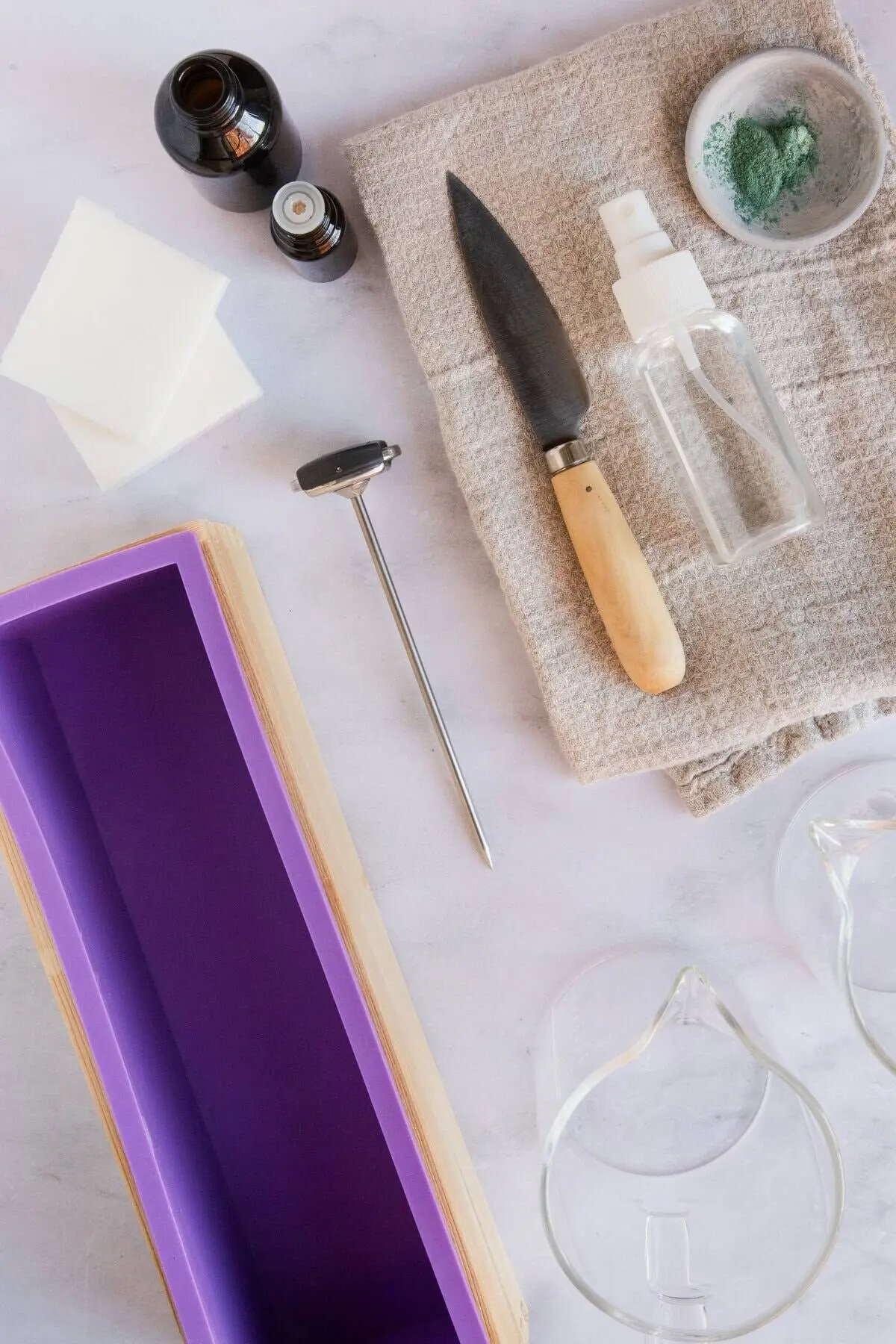
Ideal for beginners, this technique utilizes single-cavity molded soap blocks. By running a standard vegetable peeler along the long, flat side of a fully cooled block, crafters generate long, flexible ribbons that naturally roll as they detach.
2. The Citrus Zester Approach
For a delicate, confetti-like effect, makers drag a citrus zester lightly across the wide face of a soap block. This produces a high volume of small, intricate curls, perfect for subtle, multi-colored layering.

3. Clay Trimming Tools
Borrowed from ceramics, clay trimming tools allow artisans to carve organic, imperfect curls with rustic charm. Maintaining a sharp, clean surface on the soap block via a utility knife is essential to prevent tattered, uneven edges.
4. The Y-Shaped Peeler & Loaf Mold Technique
By pouring approximately one inch of melted soap into the bottom of a loaf mold and slicing the cooled result into two-inch strips, makers can utilize a Y-shaped peeler to produce substantial, uniform strips easily formed into custom shapes by hand.

5. The "Thin Pour" Hand-Rolled Method
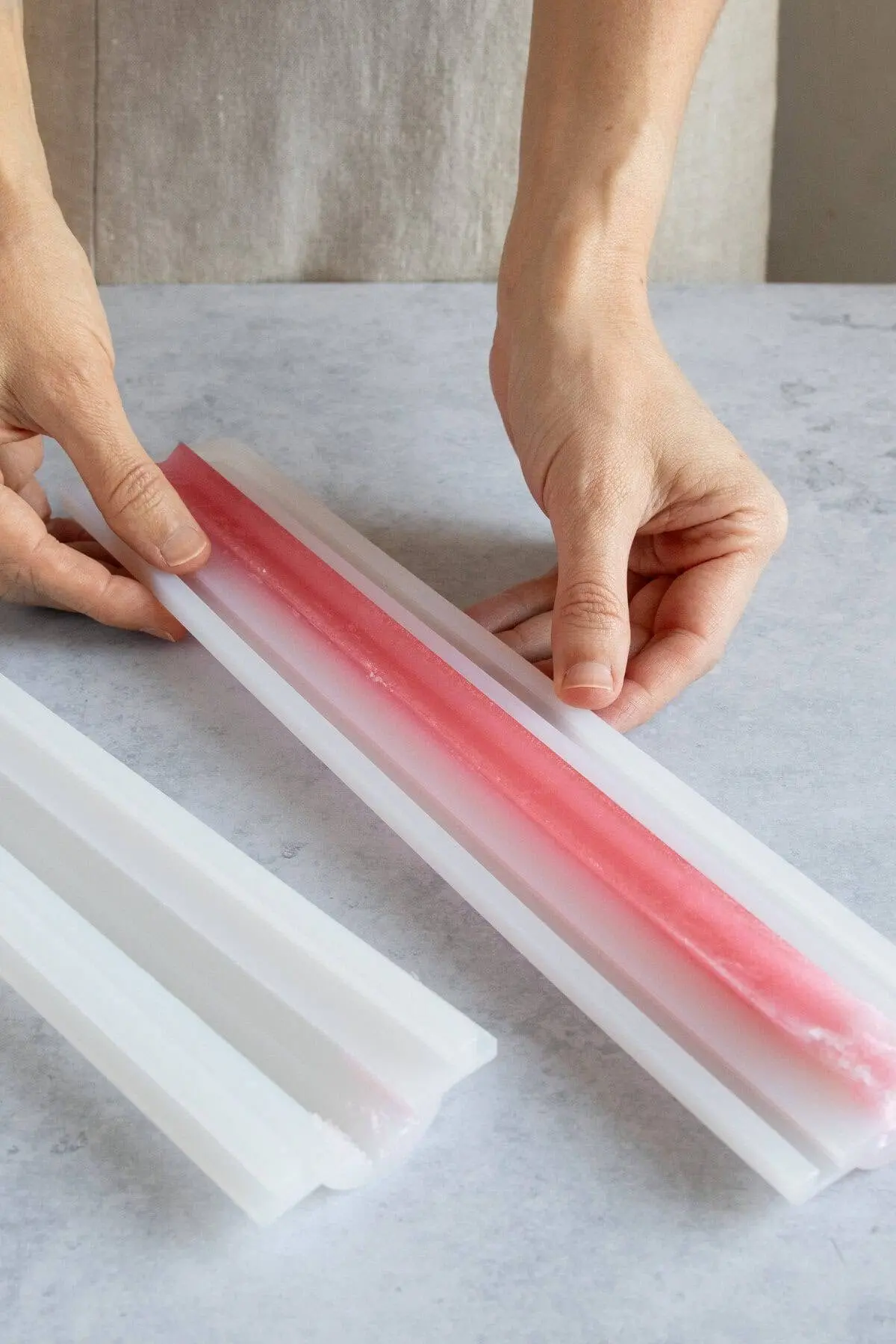
Pouring a razor-thin layer (roughly 1/16 of an inch) into a mold and allowing it to partially set for five to ten minutes yields a pliable sheet. When cut into strips and rolled manually, this technique creates structural centerpieces for advanced embedding.
Official Responses and Expert Perspectives
Industry leaders and formulation chemists have embraced the trend, offering technical insights to help crafters overcome common manufacturing hurdles.

"When working with melt-and-pour bases for curls, base selection is everything," notes Sarah Jenkins, a master soap formulation consultant. "Bases that are too soft will turn mushy and fail to hold their shape, while overly hard bases will shatter under a peeler. Finding that sweet spot of elasticity is the true hallmark of an experienced maker."
Troubleshooting Common Production Challenges
- Cracked Curls: Experts recommend incorporating 1 to 2 tablespoons of liquid glycerin into the melted soap base prior to pouring. This increases molecular flexibility, drastically reducing breakage during the peeling phase.
- Trapped Air Bubbles: When embedding curls into larger soap loaves, air pockets frequently form. Artisans advise embedding elements at an angle to allow displaced air to escape naturally, coupled with a light spritzing of rubbing alcohol to promote surface adhesion.
- Thermal Melting: A common pitfall occurs when pouring fresh, hot soap over existing curls. Industry standards dictate that over-pour temperatures must be strictly managed, ideally dropping to approximately 140°F (60°C) or lower to prevent the delicate decorative elements from melting upon contact.
Implications for the Handcrafted Goods Sector
The mainstream adoption of soap curls carries significant implications for both micro-entrepreneurs and the broader crafting supply chain.

Economic Implications for Small Businesses
For independent bath and body brands, aesthetic innovation translates directly to profit margins. Items such as "gift box soaps"—artisan bars designed to resemble wrapped presents complete with gold-toned ribbon bases and intricate soap curl bows—command premium pricing during peak gift-giving seasons. By utilizing scraps and offcuts to generate curls, zero-waste production models become viable, lowering material overhead while maximizing visual impact.
Cultural and Creative Implications
Furthermore, the trend democratizes advanced soap artistry. Techniques that previously required years of specialized sculpture experience can now be approximated using everyday kitchen tools. This lowers the barrier to entry for novice makers while challenging seasoned artisans to innovate further with color theory, transparency gradients, and multi-textural embedding.

As the boundaries between functional hygiene products and decorative art continue to blur, soap curls stand out as a prime example of how creative ingenuity can transform a routine manufacturing process into an engaging, high-value craft.