







LOS ANGELES — In the ever-growing $500 million global artisan craft market, DIY soap making has long been a staple hobby for home creators. Yet, for many enthusiasts, the traditional "melt, pour, wait, and repeat" cycle has occasionally suffered from creative stagnation. Today, a new technique is sweeping through maker studios and dominating short-form crafting videos: soap curls.
By shaving, peeling, and hand-shaping thin ribbons from solid soap blocks, modern crafters are elevating simple melt-and-pour projects into sophisticated, multi-textural works of art. Far beyond a fleeting aesthetic trend, soap curling has introduced a sensory, tactile dimension to hygiene and beauty crafting that is captivating hobbyists and professional small-business owners alike.

Chronology of a Trend: From Kitchen Counters to Viral Crafting
The evolution of soap styling has moved rapidly over the past few years, shifting from basic layered loaf molds to intricate sculptural embeds.
- Early 2020s: The boom of home-based crafting during global lockdowns saw a massive surge in basic melt-and-pour soap tutorials. Crafters relied on silicone molds and mica powders for visual interest, resulting in uniform, predictable bars.
- Late 2023–2024: Makers began experimenting with grated soap "confetti" inside transparent bases to use up scrap pieces, minimizing waste while adding internal color variation.
- 2025: The introduction of specialized culinary and sculpting tools—such as vegetable peelers, citrus zesters, and clay trimming loops—unlocked the potential for continuous, ribbon-like soap curls. This breakthrough coincided with the rise of ASMR (Autonomous Sensory Meridian Response) content, as creators shared the satisfying visual and auditory experience of shaving pliable soap bases.
- Present Day: Soap curling has matured into a recognized artisan technique, featuring advanced applications such as hand-rolled soap roses, structural embeds, and textured "crunchy soap" toppings.
Main Facts: The Mechanics of Soap Curling
At its core, soap curling relies on the precise balance of a soap base’s firmness and flexibility. Rather than casting liquid soap into a standard 3D mold, makers cast blocks or thin sheets, let them cool to a pliable state, and use common household or studio tools to peel away delicate shavings.

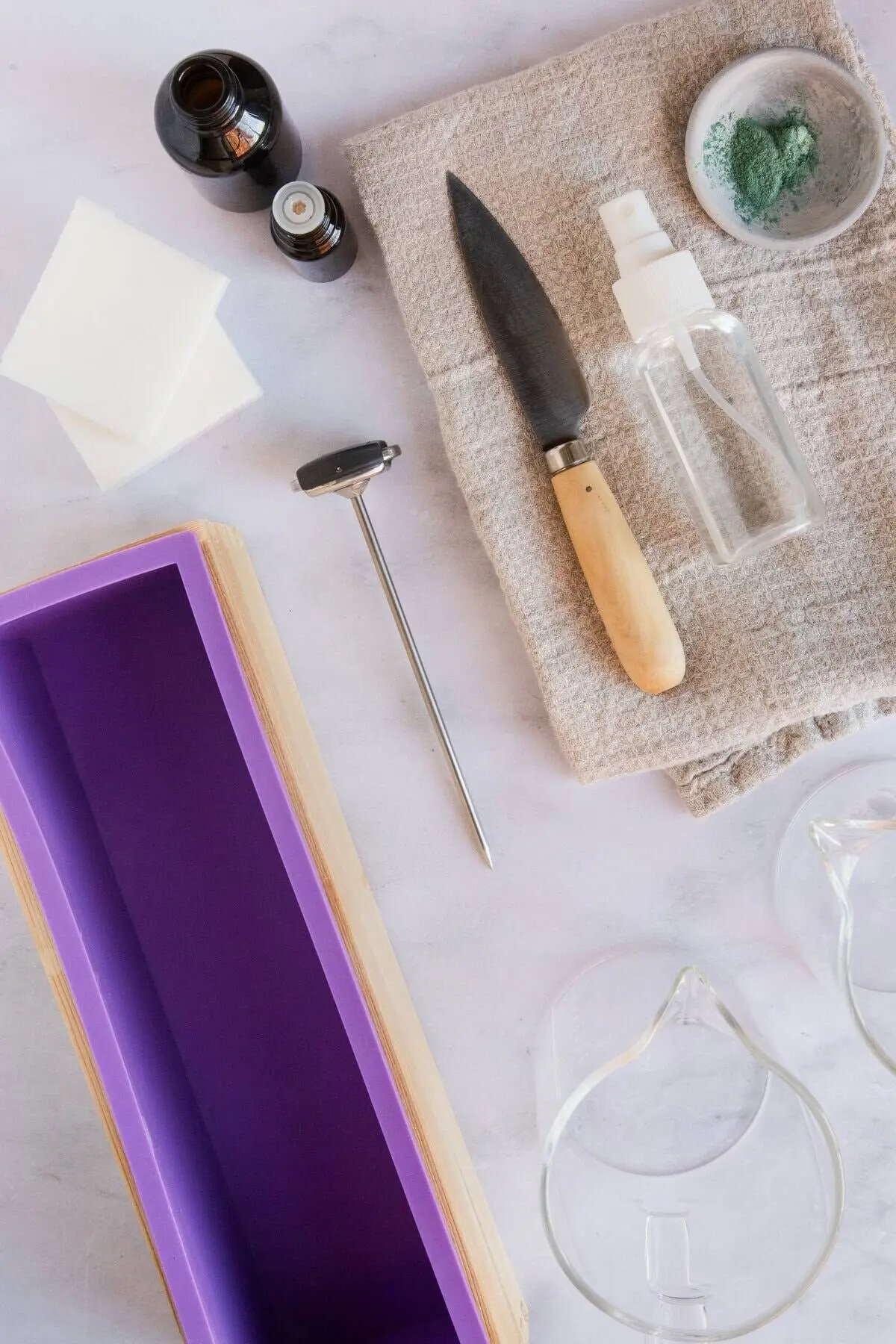
Essential Tools for the Trade
Achieving the right curl depends heavily on the instrument used:
- Vegetable Peeler: Produces standard, uniform ribbons that naturally coil as they are pulled along the flat edge of a soap block.
- Citrus Zester: Creates fine, confetti-like shavings ideal for subtle, internal layering.
- Clay Trimming Tools: Yields organic, imperfect curls with a distinct, hand-carved aesthetic.
- Y-Shaped Peeler: Best utilized with wide soap slabs to produce broader ribbons that can be hand-formed into complex shapes.
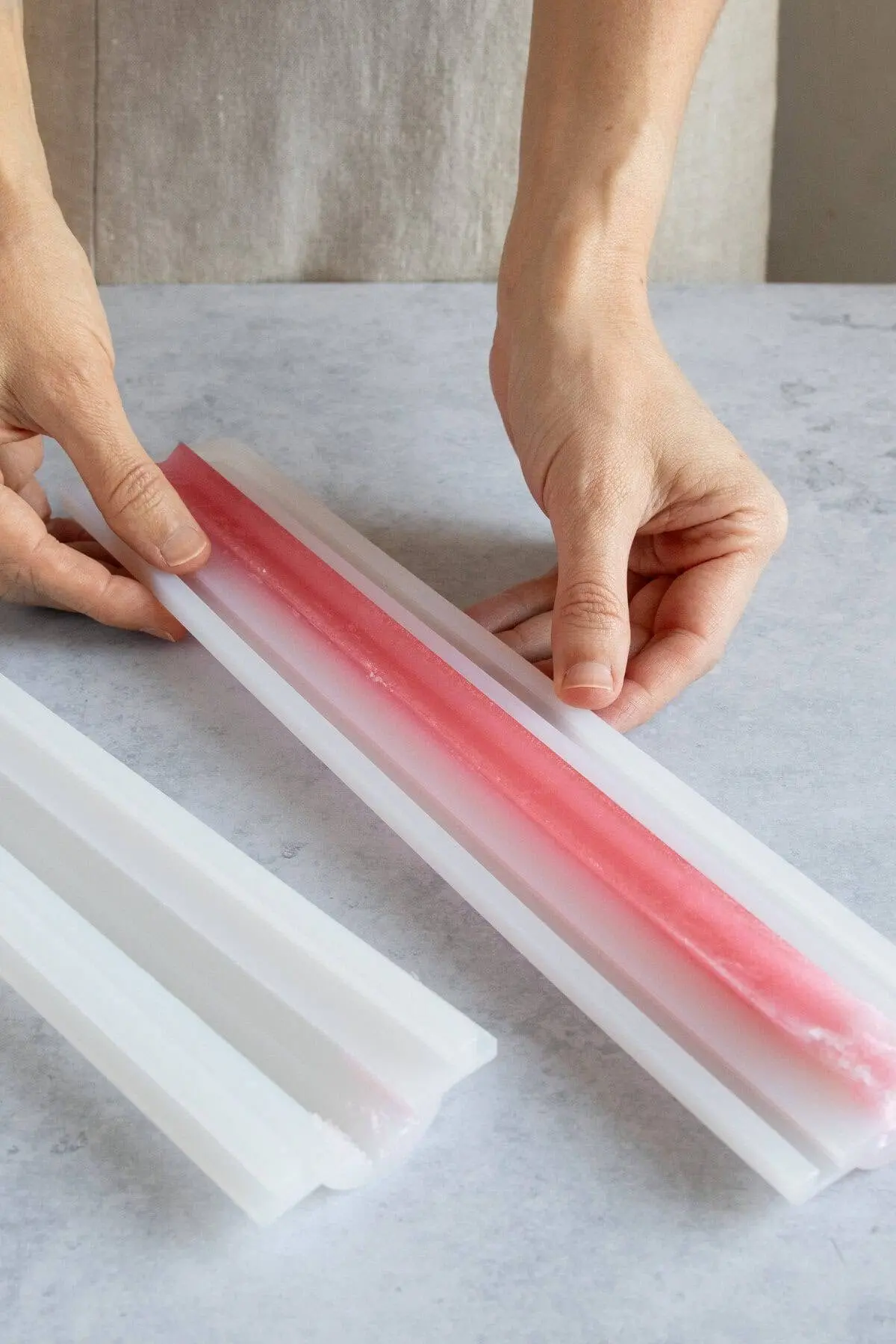
- The Thin-Pour Method: Involves pouring a 1/16-inch layer of soap into a mold, allowing it to partially set for 5 to 10 minutes, and rolling it manually into tube-like structures or floral arrangements.
Supporting Data & Crafting Insights: Achieving Professional Results
While the technique is accessible to beginners, master soap makers emphasize that material science plays a significant role in success. Not all melt-and-pour bases react the same way to blades and pressure.

- The Glycerin Factor: Professional artisans frequently incorporate 1 to 2 tablespoons of liquid vegetable glycerin into melted soap bases. Glycerin acts as a humectant and plasticizer, increasing the structural flexibility of the soap and preventing premature cracking during the peeling process.
- Thermal Management: When embedding curls into larger soap loaves, temperature control is critical. Over-pour soap must be cooled to approximately 140°F (60°C) or lower; otherwise, the hot liquid will melt the delicate structural curls upon contact.
- Curing for ASMR Textures: For crafters targeting the "crunchy soap" market—where users enjoy the tactile friction of textured soap bars—curls are often left to dry and cure in a well-ventilated space for up to five weeks, allowing the outer layers to harden significantly.
Official Perspectives and Expert Recommendations
Industry veterans note that the integration of soap curls bridges the gap between amateur crafting and high-end artisan cosmetics.
"Melt-and-pour is fantastic for beginners because you skip the handling of caustic sodium hydroxide," explains a leading independent soap designer and educator. "However, the finished bars can sometimes look too uniform, almost industrial. Soap curls break that monotony. They allow makers to introduce organic movement, color gradients, and complex textures that command higher price points at artisan markets."

Furthermore, safety and handling guidelines remain paramount. Experts advise using clean paper towels for grip when handling slippery glycerin-based blocks, and wearing protective eyewear if utilizing sharp wood-carving or clay-trimming tools during extended crafting sessions.
Implications for the Artisan Economy
The rise of soap curls carries notable implications for small-scale entrepreneurs and the broader craft supply market.

1. Market Differentiation for Small Businesses
Handmade soap is a saturated market. Makers must find unique ways to stand out on platforms like Etsy and at local farmers’ markets. Intricate designs, such as gift-box soaps topped with gold-ribbon soap curls or realistic soap-curl roses, offer a distinct visual advantage that justifies premium pricing.
2. Waste Reduction and Sustainability
Sustainability is a major consumer driver in the personal care sector. Soap curling and embedding provide a practical zero-waste solution. Trimmings, failed pours, and scrap pieces can be re-melted or repurposed into confetti and curl designs, ensuring that raw material waste is kept to an absolute minimum.

3. The Sensory Economy
As digital consumers increasingly seek tactile and auditory relaxation through platforms like TikTok and Instagram Reels, crafting techniques that double as content creation tools hold immense economic value. The ASMR appeal of peeling, cutting, and using textured soap products has transformed a quiet kitchen hobby into a highly engaging, shareable medium.
Troubleshooting Common Crafting Challenges
Even experienced makers encounter hurdles when transitioning to soap curling. Industry forums and expert guides highlight the following solutions to frequent issues:

- Cracked Curls: Usually caused by a lack of moisture or an overly brittle base. Solution: Incorporate liquid glycerin or lightly spritz the soap block with rubbing alcohol prior to peeling.
- Trapped Air Bubbles: Common when embedding large curls inside a transparent loaf mold. Solution: Position curls at a diagonal angle during insertion to allow air pockets to escape, and mist the mold with alcohol before and after pouring.
- Fragile Shapes: Curls that disintegrate post-production can be stabilized with a light misting of isopropyl alcohol, which firms the outer skin without dissolving the soap structure.
Frequently Asked Questions
Can any melt-and-pour soap base be used for curls?
No. Extremely soft bases tend to become mushy and lose their definition, while overly hard bases crack under pressure. Crafters often test multiple brands to find a base that strikes the optimal balance between rigidity and elasticity.
Is glycerin mandatory for the thin-pour method?
It is optional. While glycerin enhances pliability, certain high-quality melt-and-pour bases possess inherent flexibility that allows for successful hand-rolling without additives.

Can cold-process soap be curled?
Yes, but with caveats. Cold-process soap must be fully cured, aged, and hardened for several weeks before it can be successfully shaved or peeled without gumming up the tool blades.