





GLOBAL CRAFTING DESK — In the ever-expanding universe of modern DIY cosmetics and artisanal home goods, few projects match the universal appeal of color-swirl melt-and-pour soap. Visually stunning, exceptionally beginner-friendly, and universally satisfying to unmold and slice, these creations look like high-end luxury boutique purchases. Yet, beneath their ethereal, cloud-like aesthetics lies a meticulous blend of thermodynamics, timing, and chemical behavior unique to the craft.
While artisans transitioning from traditional cold-process soapmaking often expect a seamless methodology, experts warn that melt-and-pour soap operates under entirely different physical laws. Understanding these foundational principles separates a vibrant, professional-grade artisanal loaf from a muddy, solid block of wasted ingredients.

Main Facts: Decoding Melt-and-Pour Dynamics
Unlike cold-process soap—which relies on a deliberate saponification reaction between oils and lye—melt-and-pour soap arrives pre-saponified, bypassing the hazardous mixing phase entirely. This makes it infinitely safer and more accessible for home crafters, children, and hobbyists. However, this convenience introduces distinct challenges when attempting advanced decorative techniques, such as color swirling.
- The Cooling Velocity Problem: Melt-and-pour bases cool and solidify exponentially faster than cold-process batches.
- The Absence of "Trace": Cold-process soap reaches "trace"—a pudding-like consistency ideal for suspending pigments and creating elaborate designs. Melt-and-pour transitions almost directly from a liquid state to a solid one, leaving a very narrow operational window for manipulation.
- The Temperature Sweet Spot: Precision is non-negotiable. Pouring at temperatures above 135°F causes colors to bleed into a muddy, indistinct haze. Conversely, pouring below 120°F results in premature setting before any artistic skewer work can be applied.
Chronology: Step-by-Step Artisanal Execution
Achieving crisp, magazine-worthy color separation requires strict adherence to a calculated timeline. Master artisans recommend treating the process like a choreographed performance where every tool must be staged beforehand.

Phase 1: Preparation and Controlled Melting
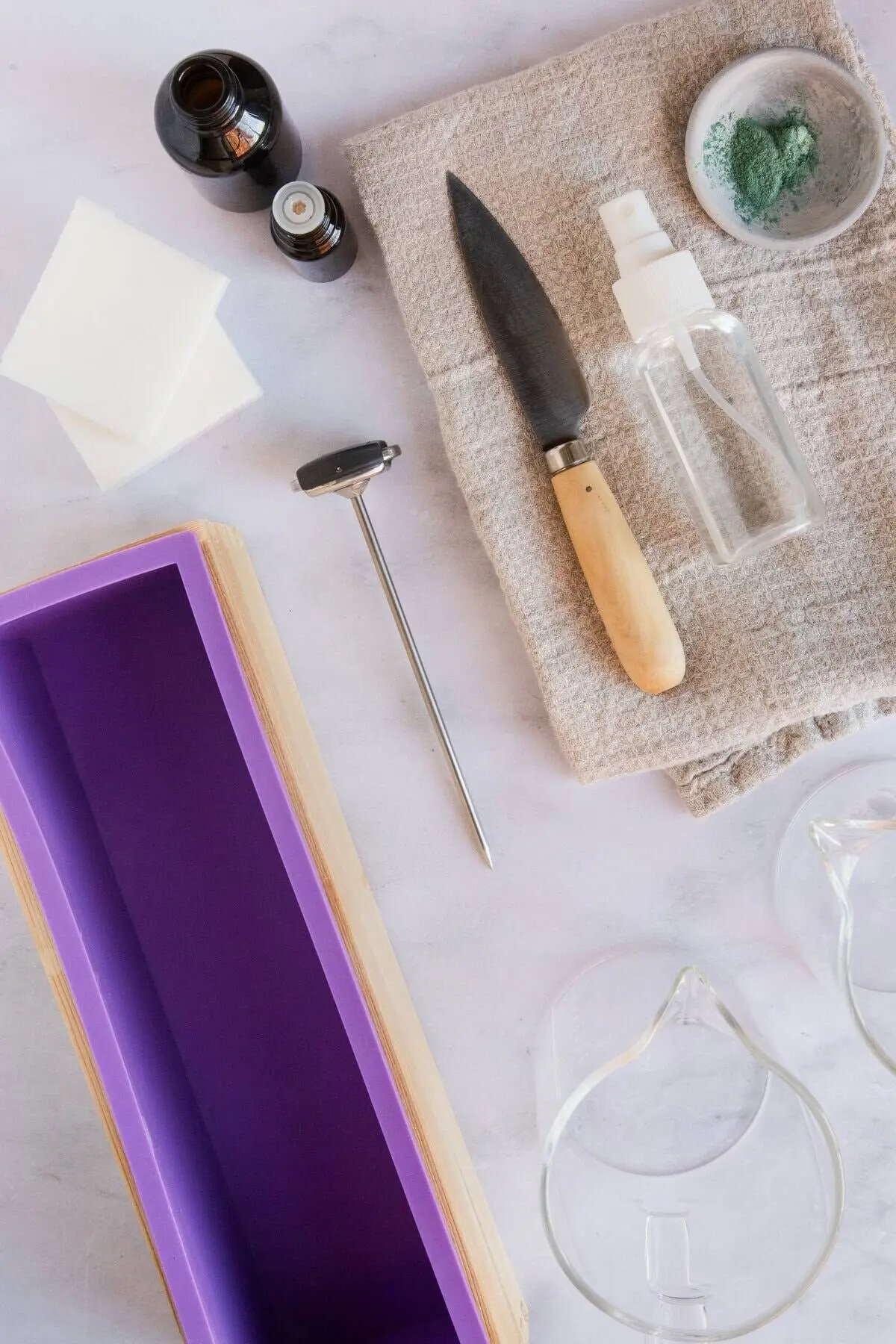
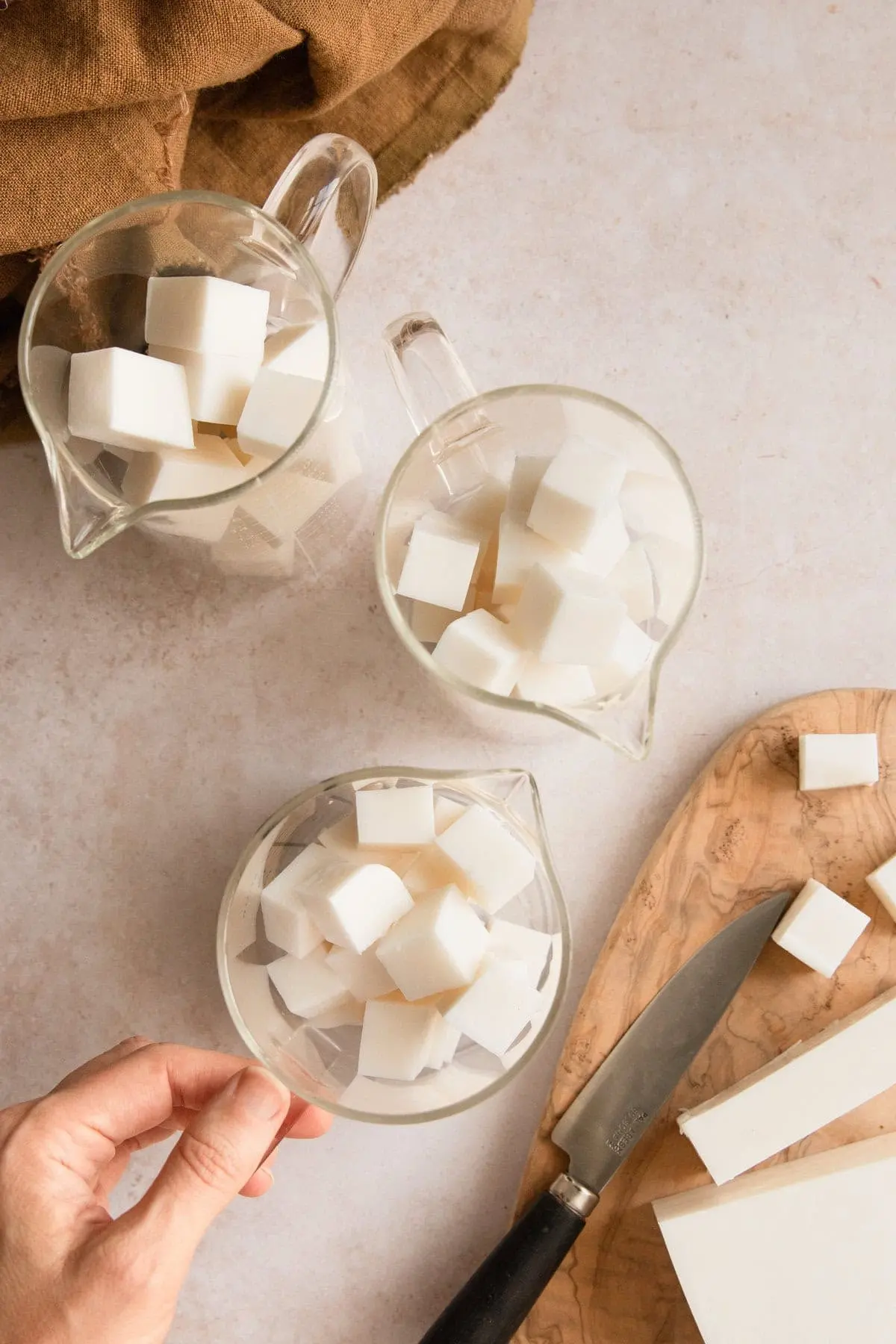
Before applying heat, cut your chosen soap base into small, uniform cubes. Divide the base into separate microwave-safe containers corresponding to your intended color palette. Uniform sizing ensures even heat distribution.
Melt the cubes in short, controlled increments—typically 30-second bursts in the microwave with continuous stirring, or via a traditional double boiler. Overheating can scorch the base and degrade its moisture-retention properties.

Phase 2: Pigment and Fragrance Integration
Once the base is fully liquefied, introduce your mica powders and essential oils to each respective container. Stir thoroughly to eliminate clumping, ensuring that the colorant is fully dispersed throughout the liquid matrix.
Phase 3: Temperature Monitoring and the 120°F Rule
Temperature control dictates 90% of your final outcome. Allow the individual containers to cool down until they register precisely 120°F on a digital kitchen thermometer. Guessing is the primary culprit behind failed swirls. At 120°F, the soap achieves the ideal viscosity required to hold distinct lines upon pouring.

Phase 4: The Pouring Technique
Crafters generally utilize one of two foundational pouring methods:
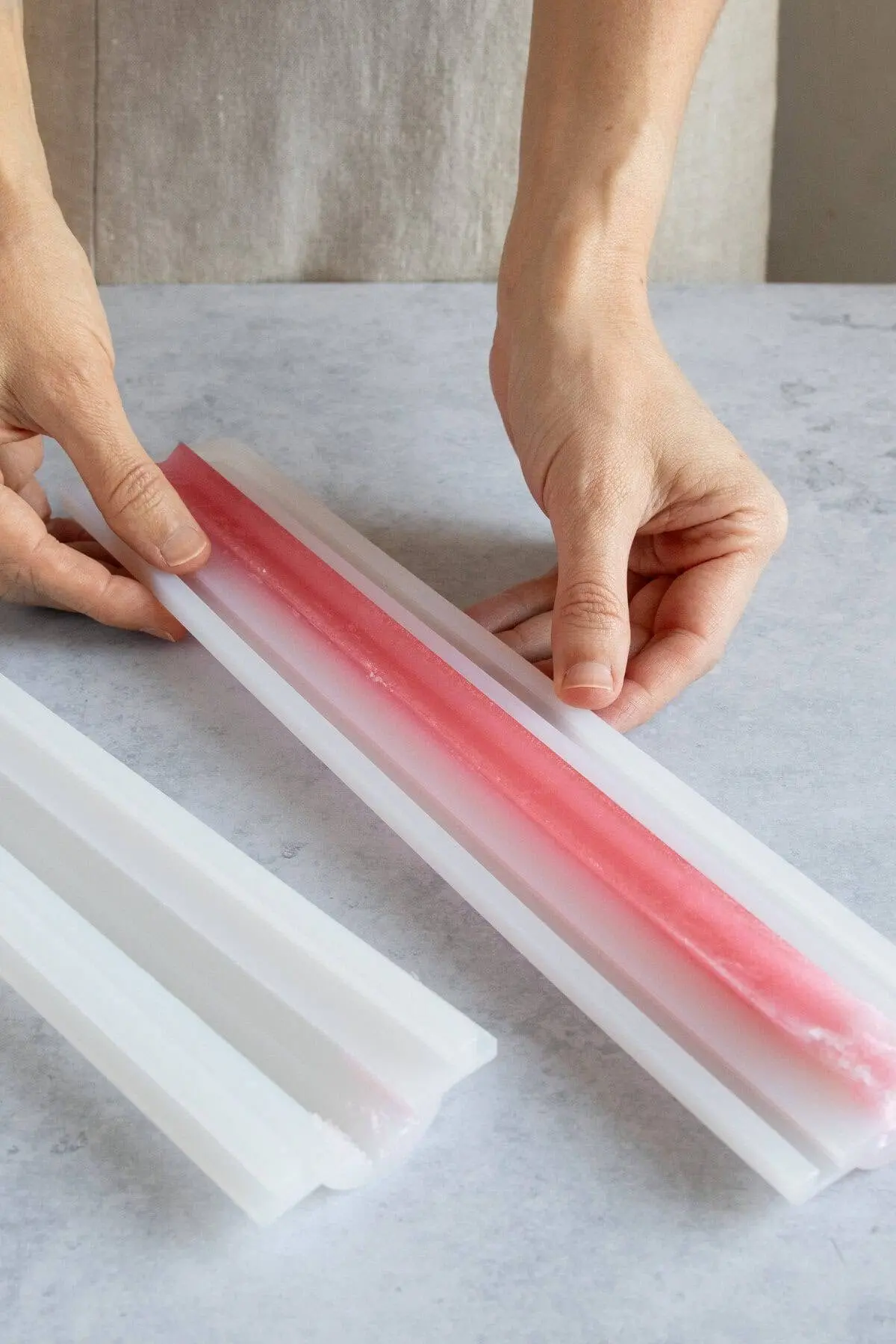
- The Divider Method: Using physical inserts to keep colors separated. While theoretically sound, practical application often reveals minor structural leaks around mold edges, requiring experimentation with specific silicone molds and base types.
- The Free-Form Method: Alternating colors organically. Varying your pour height creates natural movement—high pours introduce dynamic currents, while low pours anchor the design within specific zones of the mold.
Phase 5: Artistic Swirling and Setting
Using a wooden skewer, chopstick, or metal pick, lightly drag the tool through the interacting liquid layers. Crucial rule: Limit your passes to one or two maximum. Over-swirling homogenizes the distinct color bands, erasing your design. Immediately spritz the exposed surface with 99% isopropyl alcohol to eliminate surface bubbles, then leave the mold entirely undisturbed until fully set.

Supporting Data: Variables That Impact Final Quality
| Variable | Optimal Range | Risk of Deviation |
|---|---|---|
| Pour Temperature | ~120°F | >135°F causes muddy mixing; <110°F causes premature solidification. |
| Swirl Passes | 1 to 2 strokes | >3 strokes leads to over-blending and loss of line definition. |
| Alcohol Purity | 99% Isopropyl | Lower concentrations (e.g., 70%) fail to break surface tension and eliminate bubbles efficiently. |
| Base Consistency | Same brand/line | Mixing different densities (e.g., goat’s milk and clear glycerin) causes separation and sinking. |
Expert Recommendations and Advanced Troubleshooting
Even seasoned crafters occasionally encounter anomalies when working with rapid-cooling surfactant bases. Industry leaders offer insight into resolving common production hurdles:
- Faint or Bleeding Lines: If crisp lines blur overnight, migrate to non-bleeding colorants or mica powders explicitly formulated for melt-and-pour applications. Standard cosmetic pigments frequently bleed over time when exposed to high-glycerin environments.
- Premature Solidification: If your soap hardens inside the pouring container, gently reheat it in the microwave for 15-second intervals, stirring constantly until fluidity is restored.
- Surface Sweating: Melt-and-pour soap inherently attracts ambient humidity, forming tiny condensation beads. Combat this by tightly wrapping fully cooled bars in plastic film and storing them in climate-controlled environments.
Implications for the Artisanal Economy
The rising popularity of advanced melt-and-pour techniques highlights a broader shift in the handmade hygiene market. As consumers demand high-aesthetic home goods that rival commercial luxury lines, accessible crafting methods democratize production. By mastering the thermodynamics of temperature-sensitive color swirling, independent makers can scale their craft, producing gallery-quality botanical and novelty soaps with minimal startup capital and zero exposure to hazardous industrial chemicals.

Whether utilizing single-cavity silicone molds or large professional loaf cutters, the intersection of science and artistry ensures that every slice reveals a completely unique, highly personalized visual masterpiece.