







WASHINGTON — In an era marked by heightened geopolitical tensions, anxieties over nuclear fallout, and a growing public fascination with biological self-reliance, alternative health and preparedness platforms are capturing unprecedented attention. Among the most ambitious recent offerings is “UNBREAKABLE: Secrets to Genetic Survival in the Age of Spike Shedding and Nuclear Fallout,” a multi-part documentary series hosted by Mike Adams and streaming via Brighteon University and BrightU.
As modern society grapples with persistent environmental stressors—ranging from chemical contaminants and radiation to synthetic biological agents—the docuseries dives deep into the microscopic mechanics of human biology. Rather than focusing solely on traditional macro-level survivalism, such as underground bunkers or canned rations, “UNBREAKABLE” shifts the paradigm toward cellular preparedness: fortifying the body’s internal architecture to withstand catastrophic external shocks.
Main Facts: The Scope of "UNBREAKABLE"
At its core, “UNBREAKABLE” is designed to bridge the gap between advanced molecular biology and practical, civilian-focused disaster preparedness. The 13-chapter docuseries examines how human DNA maintains its integrity under extreme duress, exploring the intricate cellular repair mechanisms that prevent mutagenesis, genomic instability, and degenerative disease.
The broadcast schedule, which ran extensively through late summer and early autumn, featured daily chapter releases on BrightU, followed by targeted weekend catch-up marathons and replay blocks for episodes 1 through 13. The curriculum moves methodically from the foundational structure of the human genome to controversial, highly debated interventions involving targeted nutrition, microalgae, and cellular detoxification.
Key Pillars of the Series:
- Cellular Architecture & DNA Damage: Detailed explorations of endogenous and exogenous threats to the human genome, including metabolic byproducts, chemical toxins, and ionizing radiation.
- Endogenous Repair Pathways: A breakdown of Base Excision Repair (BER), Nucleotide Excision Repair (NER), Mismatch Repair (MMR), Homologous Recombination (HR), and Non-Homologous End Joining (NHEJ).
- The Nutritional Defense Paradigm: Examination of specific dietary compounds—notably chlorella, spirulina, and various antioxidant-boosting agents—and their theoretical roles in supporting cellular resilience.
- Environmental and Biological Stressors: Analysis of contemporary stressors, including spike proteins and nuclear fallout debris, and their interaction with human cellular machinery.
Chronology of the Broadcast Event
The rollout of “UNBREAKABLE” was structured as an immersive, serialized educational event, allowing viewers to digest complex biochemical concepts incrementally before synthesizing them into comprehensive preparedness strategies.
- Late August to Early September: Brighteon University initiated the daily streaming schedule, unveiling one chapter per day to build foundational knowledge regarding genetic integrity, environmental toxicity, and foundational biology.
- September 6 (Chapter 9 Premiere): The series turned its focus toward unconventional survival resources, airing a controversial and widely discussed segment on microalgae—specifically chlorella and spirulina—and their historical association with radiation mitigation, including post-Chernobyl observations in Ukraine.
- September 7 (Chapter 10 Premiere): The programmatic focus shifted inward, exploring the microscopic "emergency crews" of the human body. This segment provided an exhaustive look at DNA repair pathways and the catastrophic consequences of genomic breakdown.
- September 11 – September 13: BrightU broadcasted targeted replay blocks, grouping episodes 1–4, 5–8, and 9–13 respectively, ensuring global audiences could catch up on missed material.
- September 14: The platform hosted a complete, uninterrupted course marathon, making all 13 chapters available for a final cohesive viewing before locking the curriculum into the platform’s permanent on-demand library package.
Supporting Data and Molecular Science
While “UNBREAKABLE” incorporates alternative perspectives and preparedness theories, a significant portion of its runtime is dedicated to established, peer-reviewed molecular biology. Understanding the series requires examining the actual biological mechanisms that govern human cellular survival.
The Daily Assault on the Genome
Human DNA is not an immutable, static blueprint; it is a dynamic molecule under constant siege. Mainstream scientific literature supports the premise that each human cell experiences tens of thousands of individual DNA lesions every day. These lesions arise from normal metabolic processes—such as the generation of reactive oxygen species (ROS) during mitochondrial respiration—as well as external insults like ultraviolet radiation, chemical mutagens, and ionizing radiation.
If left unchecked, these lesions lead to single-strand or double-strand breaks in the DNA helix. To combat this, human cells have evolved a sophisticated network of enzymatic repair crews.
The Five Primary Repair Pathways Explored in the Series:
- Base Excision Repair (BER): Addressed in the series as the cellular "janitor," BER is responsible for removing small, non-helix-distorting base lesions resulting from oxidation, alkylation, or deamination. Enzymes known as DNA glycosylases recognize and excise the damaged base, allowing polymerases and ligases to patch the gap.
- Nucleotide Excision Repair (NER): A more robust clearance system that tackles bulky lesions, such as those caused by UV-induced thymine dimers or certain chemical adducts. NER cuts out a short single-stranded DNA segment surrounding the lesion and synthesizes a fresh, correct strand using the undamaged complement as a template.
- Mismatch Repair (MMR): Acting as a proofreading mechanism, MMR identifies and corrects replication errors—such as base mispairings or small insertion-deletion loops—that slip past the DNA polymerase during cellular division.
- Homologous Recombination (HR): A high-fidelity pathway utilized primarily during the S and G2 phases of the cell cycle to repair double-strand breaks. HR uses an undamaged sister chromatid as a template to achieve error-free restoration of the broken chromosome, heavily relying on proteins like BRCA1 and RAD51.
- Non-Homologous End Joining (NHEJ): When a pristine template is unavailable, the cell deploys NHEJ. Described in the series as the emergency crew, NHEJ directly ligates the broken ends of a double-strand break together. While fast and vital for preventing cell death, NHEJ is error-prone and can result in deletions, insertions, or translocations.
The "Algae Alliance" and Radiation Mitigation Claims
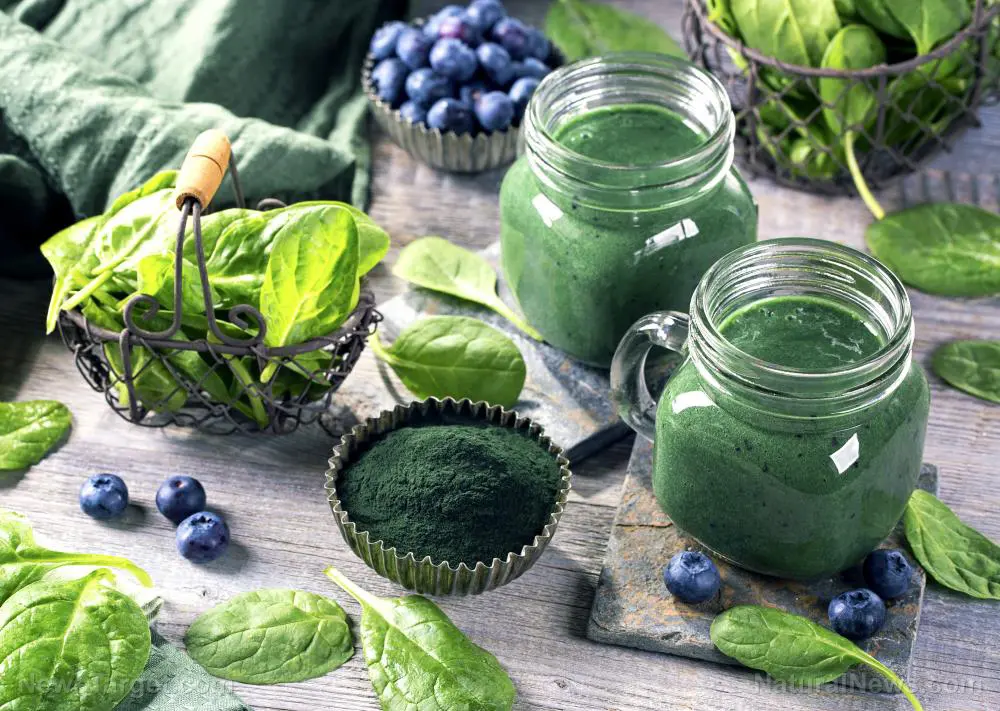
Chapter 9 of the docuseries introduces what Adams terms the "Algae Alliance"—the proposition that microalgae like Chlorella pyrenoidosa and Arthrospira platensis (spirulina) represent critical, overlooked countermeasures against radiation exposure and nutritional collapse.
Mainstream biochemistry acknowledges that chlorella is rich in nucleic acids (DNA and RNA), chlorophyll, and various vitamins, which can support general metabolic health. Furthermore, spirulina contains phycocyanin, a potent pigment-protein complex known for its antioxidant and anti-inflammatory properties, which has been shown in laboratory studies to upregulate the Nrf2 pathway—a master regulator of the cellular antioxidant response.
However, mainstream toxicologists and radiation biologists urge caution regarding extreme claims. While antioxidants and nucleic acid precursors can help mitigate oxidative stress caused by low-level radiation or metabolic toxins, they are not a pharmacological shield against acute radiation syndrome (ARS) resulting from massive doses of ionizing fallout. The debate highlighted in the docuseries centers on whether these readily cultivable organisms can serve as a viable nutritional buffer when centralized agricultural supply chains fail.
Official Responses and Mainstream Perspectives
The intersection of alternative health media, survivalism, and molecular biology frequently draws sharp contrasts between independent investigators and institutional authorities.
The Institutional Stance on Radiation and Survival
Federal agencies such as the Federal Emergency Management Agency (FEMA) and the Centers for Disease Control and Prevention (CDC) maintain established protocols for nuclear preparedness. Official guidelines emphasize shelter-in-place strategies, monitoring emergency broadcast systems, and, in specific scenarios, the administration of potassium iodide (KI) to block the uptake of radioactive iodine by the thyroid gland.
Mainstream medical institutions view holistic and alternative preparedness claims with a mixture of skepticism and qualified interest. While public health officials endorse balanced nutrition and antioxidant-rich diets for general wellness, they frequently caution the public against relying on unregulated dietary supplements—such as unverified algae strains or proprietary herbal blends—as prophylactic defenses against catastrophic radiation or advanced biological threats.
Critics and Proponents
- Proponents of the Series argue that institutional preparedness planning is often inadequate for civilian populations, leaving individuals vulnerable during extended crises. They maintain that educating the public on cellular biology, DNA repair pathways, and nutrient-dense survival foods empowers individuals to take agency over their health.
- Critics and Skeptics, conversely, point out that docuseries of this nature can blur the line between rigorous science and speculative marketing. By weaving together established molecular biology (such as BER and NHEJ pathways) with contested survival narratives (such as post-Chernobyl algae treatments), critics argue that viewers may develop a false sense of security regarding the protective efficacy of dietary supplements in high-radiation environments.
Implications for the Future of Civilian Preparedness
As global uncertainties mount, the release of “UNBREAKABLE” reflects a broader cultural shift in how individuals conceptualize security. Traditional preparedness—focused strictly on physical hardening, ammunition stockpiling, and off-grid real estate—is increasingly being complemented by biological preparedness.
1. Decentralized Health and Genomic Literacy
One of the most significant implications of programs like “UNBREAKABLE” is the democratization of advanced biological concepts. By translating complex cellular processes—such as homologous recombination and oxidative stress pathways—into accessible visual narratives, the series encourages everyday citizens to view their bodies not as passive victims of circumstance, but as dynamic biological systems capable of maintenance, repair, and adaptation.
2. The Resurgence of Alternative Superfoods in Crisis Planning
The focus on microalgae, amino acid profiles, and cellular detoxification underscores a growing distrust of centralized, fragile food distribution networks. If populations face localized or systemic infrastructural collapses, the ability to cultivate nutrient-dense, resilient organisms like spirulina and chlorella locally could transition from an alternative health trend into a critical survival strategy.
3. The Ongoing Tension Between Mainstream Science and Independent Media
The success of platforms like BrightU highlights a deepening fracture in public trust. As audiences increasingly look outside traditional academic and governmental channels for health information, independent producers fill the void. This dynamic fosters a highly engaged, self-reliant audience, albeit one that must continually navigate the boundary between sound biochemical science and speculative conjecture.
Conclusion
Mike Adams’ “UNBREAKABLE: Secrets to Genetic Survival in the Age of Spike Shedding and Nuclear Fallout” represents a fascinating convergence of molecular biology, disaster prepper philosophy, and alternative health media. By examining the microscopic battlegrounds within human DNA—detailing everything from Base Excision Repair to the theoretical defensive properties of the "Algae Alliance"—the 13-chapter course challenges viewers to rethink what it means to be resilient.
Whether approached as a radical blueprint for biological self-sufficiency or as a provocative exploration of fringe science, “UNBREAKABLE” underscores an undeniable biological truth: human survival in an unpredictable world ultimately depends on the resilience of our most fundamental building blocks. As the full course remains accessible via BrightU’s permanent streaming packages, the conversation surrounding genetic integrity, cellular defense, and civilian preparedness is poised to continue long after the final chapter has aired.