








Main Facts: Bringing the Mythological Griffin to the Sci-Fi Screen
In the expansive universe of Zack Snyder’s sci-fi epic Rebel Moon, mythological archetypes are routinely re-imagined through a cosmic lens. Among the most striking visual and narrative additions to this universe is the Bennu—a majestic, lion-eagle hybrid creature that serves as both a breathtaking cinematic spectacle and a crucial plot device.
To answer the most common question posed by fans: Yes, the creature is a griffin variant, but with a distinct twist. While traditional griffins belong strictly to terrestrial folklore, the Bennu is unique to the lore of Rebel Moon. Blending world mythologies with futuristic space opera, Snyder and his creative teams have introduced a creature that bridges the gap between ancient fantasy and interstellar adventure.
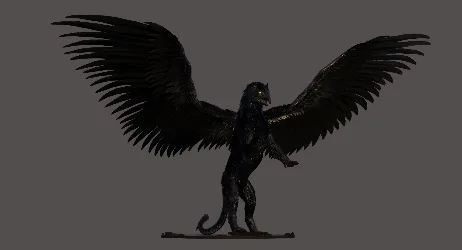
The visual effects powerhouse Framestore was tasked with bringing this magnificent beast to life. Drawing inspiration from centuries of artistic interpretations of griffins across global folklore, the design team synthesized the anatomical features of apex predators—specifically lions and eagles—to forge a creature that feels both biologically authentic and mythically larger-than-life.
The most prominent Bennu featured in the franchise thus far is Beatrice, a stunning, pitch-black specimen introduced in Rebel Moon – Part One: A Child of Fire. Beatrice plays a pivotal role in the narrative arc of the character Tarak Decimus (played by Staz Nair), a high-born warrior reduced to captivity. The gripping sequence in which Tarak tames the seemingly "unrideable" creature on the distant world of Neu-Wodi has quickly become one of the most celebrated set-pieces of the franchise’s debut chapter.
Chronology: The Journey of the Bennu from Concept to Screen
The creation, introduction, and integration of the Bennu into the Rebel Moon continuity followed a meticulous, multi-year pipeline involving conceptual artists, VFX artisans, and the film’s principal photography crew.
- Pre-Production and Concept Phase (2021): Long before cameras rolled, concept artists and visual development teams at Framestore began sketching initial iterations of the creature. Referencing historical depictions of griffins, sphinxes, and various raptor-feline hybrids, the team established the baseline anatomy for the Bennu. The goal was to ensure the creature’s weight distribution, muscle movement, and wing articulation would look convincing in motion.
- Principal Photography (2021–2022): During the physical shoot, actors interacted with a mix of practical stand-ins, blue-screen rigs, and motion-reference markers. The sequences involving Tarak and Beatrice required intense physical choreography to sell the danger and subsequent trust-building between man and beast.
- VFX Post-Production and Animation (2022–2023): Framestore’s digital artists layered feathers, musculature, and rendering textures onto the digital skeleton of Beatrice. Every plume of black feathers had to react dynamically to wind resistance, atmospheric pressure during flight, and physical contact with actors.
- The Global Premiere (December 2023): Rebel Moon – Part One: A Child of Fire premiered on Netflix, introducing global audiences to Beatrice and establishing the cultural and ecological significance of Bennus within the broader Rebel Moon universe.
Supporting Data: Anatomy, Origin, and World-Building
To fully appreciate the cinematic weight of the Bennu, one must examine its place within the socio-ecological fabric of the Rebel Moon galaxy.
The Planet Samandrai: The Natural Habitat
While Beatrice is first encountered far from home on the barren, militarized world of Neu-Wodi—where she is kept penned as a dangerous asset—her species originates from Samandrai.
Samandrai is notable within the lore not only as a lush, ecologically diverse world, but specifically as the home planet of Tarak himself. On Samandrai, Bennus are not merely wild beasts; they are integrated into the culture and ecosystem. Historically utilized for transportation in much the same way horses were used historically on Earth, these creatures roam the plains and dense forests of the planet.

Behavioral Characteristics
- Flight and Agility: Despite their immense bulk—combining the heavy torso and muscular forelegs of a lion with the expansive wingspan of a massive bird of prey—Bennus exhibit extraordinary aerial maneuverability and blistering speed.
- Pack and Herd Mentality: Lore hints at the existence of wild herds sweeping across Samandrai’s landscapes, suggesting a complex social structure among the species.
- Deep Emotional Resonance: Unlike mechanized war machines or domesticated beasts of burden, Bennus possess high emotional intelligence. They are fiercely independent and will only bond with riders who demonstrate deep empathy, patience, and mutual respect.
Official Responses and Behind-the-Scenes Insights
The creation of Beatrice was a collaborative triumph between director Zack Snyder’s vision and the technical wizardry of Framestore. Industry featurettes released by the studio reveal the immense pressure of designing a creature that had to feel simultaneously ancient and alien.
Animators focused heavily on "grounding" the fantasy. By studying how real-world eagles land, how big cats stalk prey, and how large quadrupeds manage their center of gravity during sudden shifts in momentum, the design team avoided the common pitfalls of CGI creatures looking weightless or disconnected from their environments.
Furthermore, the thematic resonance of the creature was intentional. In A Child of Fire, Tarak’s monologue to the captive beast serves as a thematic mirror for both characters:
"I’m not going to hurt you. You’re far from home and so am I. You and I, we are alike. We’ve been hurt. Betrayed. Our trust has been broken. We both know fear. Yet, the biggest fear we both face is the fear of ourselves."
This dialogue elevates the scene from a standard "taming the beast" action trope into a profound psychological moment of mutual healing. Both Tarak and Beatrice are displaced aristocrats of their respective realms, stripped of their freedom, and forced into cages by oppressive regimes.
Implications: The Future of the Bennu in the Rebel Moon Universe
The successful introduction of Beatrice the Bennu opens up compelling narrative and visual avenues for future installments and expansions of the Rebel Moon franchise.
- Exploration of Samandrai: As the narrative expands, a potential return to or deep dive into Tarak’s home planet of Samandrai is heavily anticipated. Such a storyline would provide filmmakers with a canvas to showcase vast herds of wild Bennus traversing alien skies, significantly expanding the environmental scope of the franchise.
- Rider-Beast Bonds as a Combat Dynamic: In a galaxy dominated by the oppressive dreadnoughts and mechanization of the Motherworld, the deep, telepathic, or emotional bond between warriors and native fauna represents a counter-balance. The Bennu is not just a mode of transport; it is a tactical asset capable of bypassing technological defenses through sheer biological ferocity and maneuverability.
- Merchandising and Fan Culture: Iconic creatures often dictate the cultural footprint of a sci-fi universe (think of the Tauntauns or Rancors of Star Wars). Beatrice has quickly established herself as a fan-favorite element of Snyder’s universe, ensuring that the Bennu will remain a cornerstone of future tie-in media, action figures, and extended lore books.
Ultimately, the Bennu is a testament to the power of mythological adaptation in modern science fiction. By taking a classic symbol of ancient heraldry and filtering it through the high-octane aesthetic of Zack Snyder, the creative team has delivered a creature that is as emotionally resonant as it is visually unforgettable.