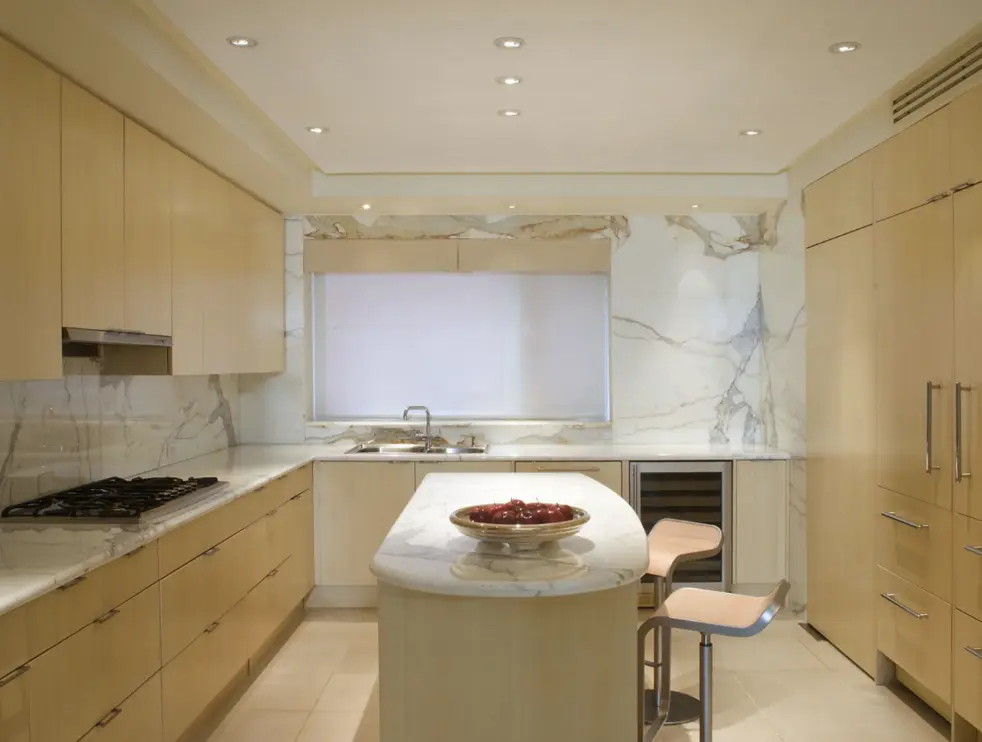
SAN FRANCISCO BAY AREA — In the upper echelons of residential architecture and interior design, few practitioners possess the cross-disciplinary fluency of Jerry Jacobs. Operating out of Belvedere-Tiburon, California, Jacobs has spent more than four decades shaping the physical landscapes of corporate environments, retail flagships, and high-end residential spaces. As part of the ongoing Roomhints Designer Spotlight series—which highlights the visionaries defining modern living spaces—Jacobs’ career offers a masterclass in the intersection of architectural rigor, commercial pragmatism, and unyielding artistic integrity.
Main Facts: The Anatomy of a Master Practice
To understand Jerry Jacobs is to understand a rare pedigree in contemporary design. Formally trained as an architect, Jacobs holds credentials that bridge multiple elite institutions: he is an International Associate of the American Institute of Architects (AIA), a member of the American Society of Interior Designers (ASID), and a California Certified Interior Designer.
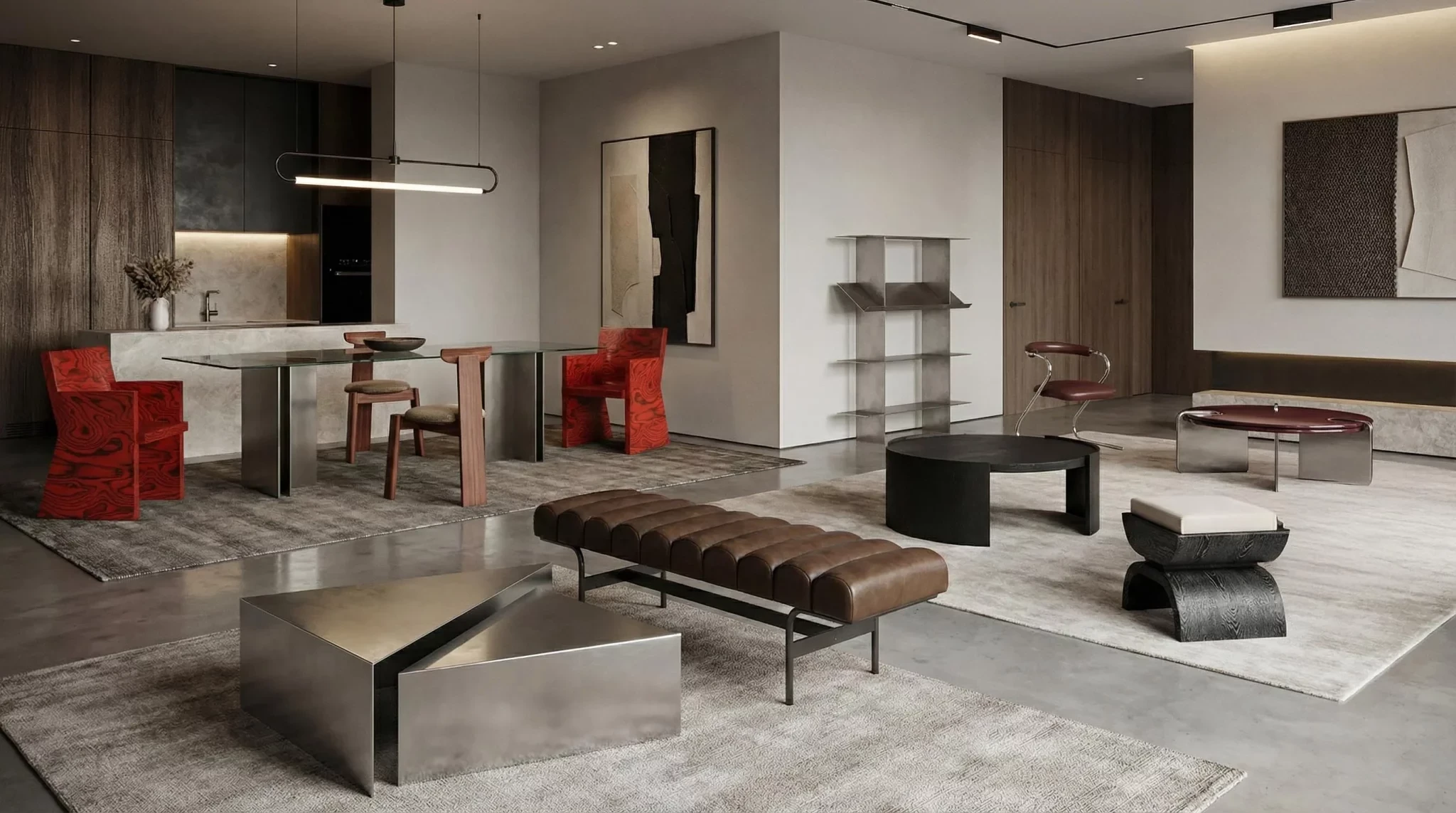
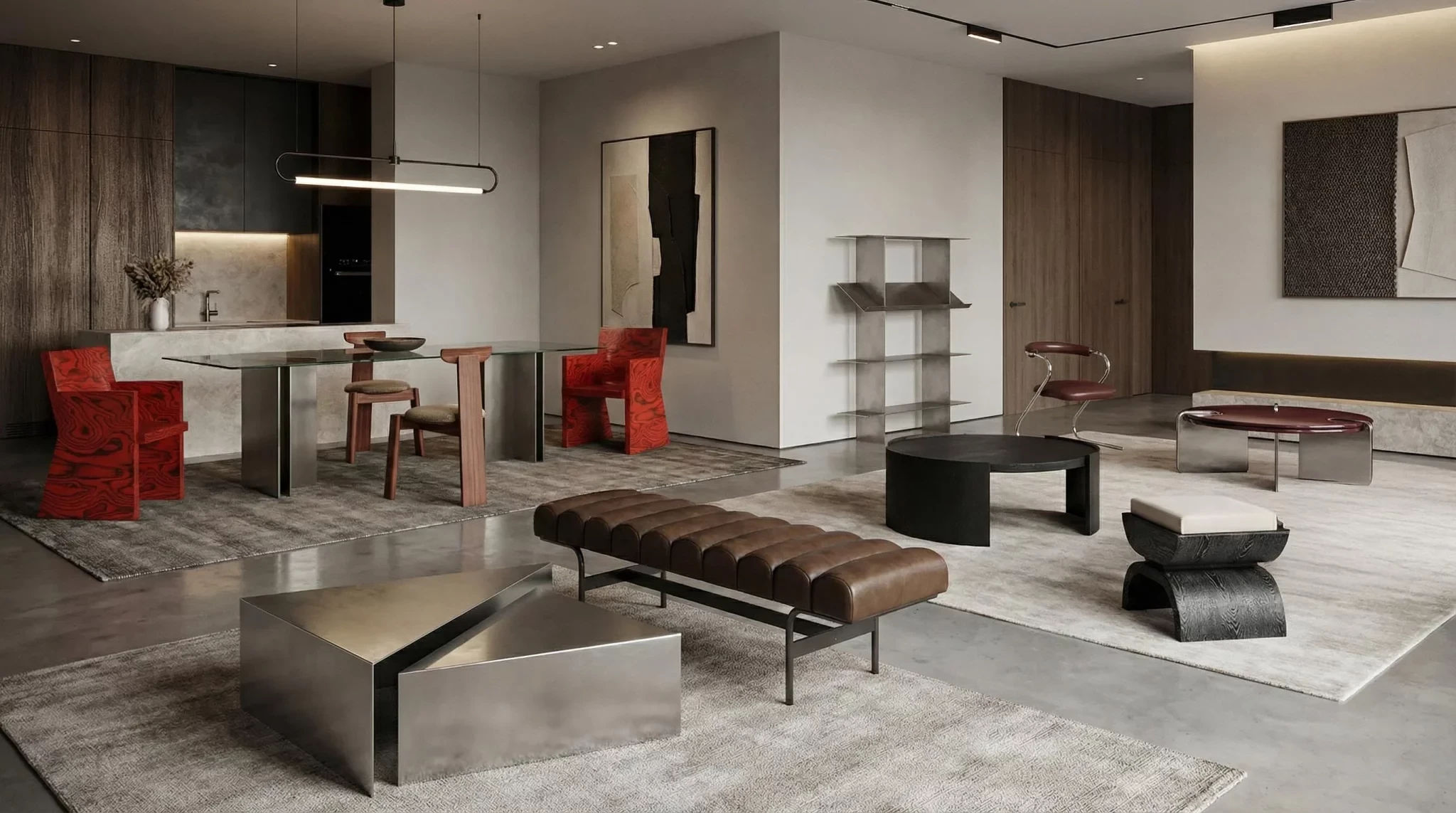
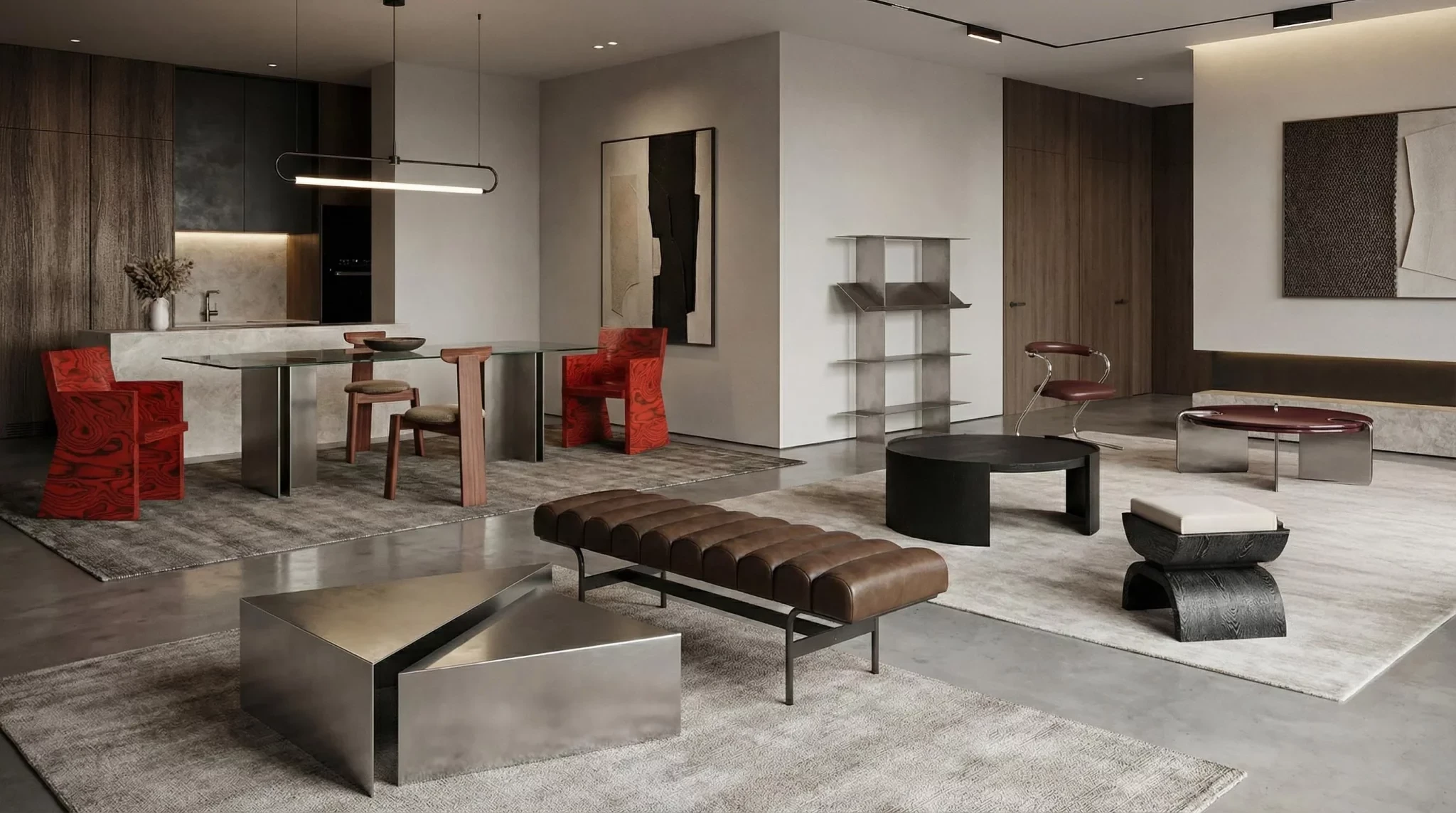
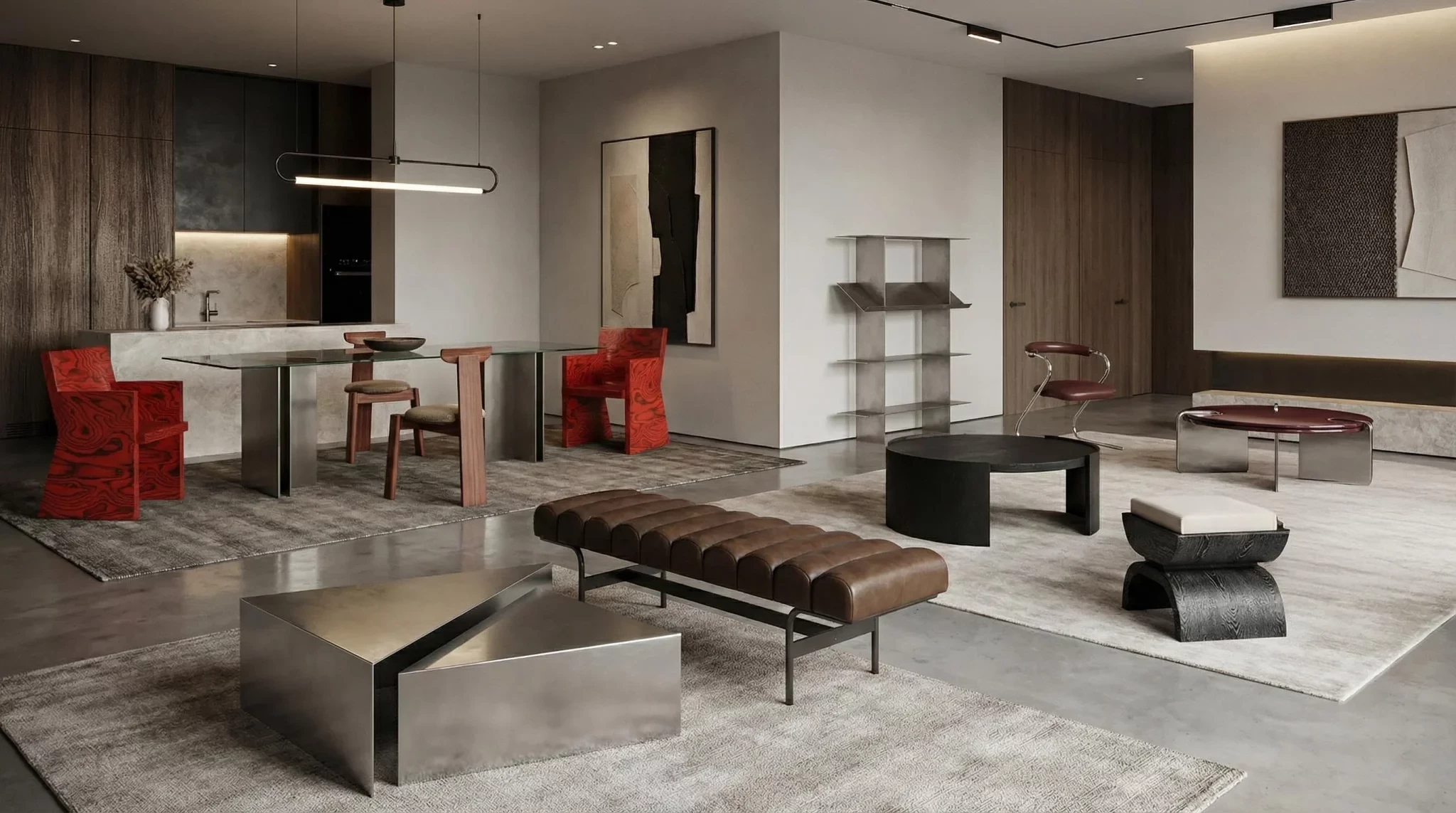
His portfolio spans continents and project scales. From the waterfront villas of Marin County to luxurious penthouses in Pacific Heights, custom estates in Silicon Valley, and sprawling resort residences in Mexico, Jacobs’ work is defined by a meticulous attention to spatial flow, material honesty, and human scale. Yet, despite his high-end residential focus today, his roots are deeply grounded in large-scale commercial and corporate architecture.
Key Professional Accolades:
- Academic Leadership: Former Professor of Architecture and President of ASID Northern California.
- Media Recognition: Winner of the prestigious San Francisco Decorators Showhouse Room Award from House Beautiful.
- Commercial Legacy: Principal designer of the once world-famous Aca Joe retail stores, spanning 30 states and three continents, including an iconic Union Square anchor location in San Francisco.
Chronology: From Corporate Flagships to High-End Residential Sanctuaries
Phase I: The Architectural Foundations and Commercial Scale
Jacobs’ career began in the realm of large-scale structural design. Designing corporate buildings, expansive clubhouses, and major retail environments required a deep understanding of public spaces, structural engineering, and fast-paced commercial project management.
Most notably, Jacobs left an indelible mark on 1980s retail culture as the visionary behind the Aca Joe store designs. Expanding across 30 states and three continents, this project demanded an architectural approach that could scale globally while maintaining local impact. The legacy of this era remains visible today: the original facade of his Union Square store in San Francisco still stands as a testament to his durable commercial design language.
Phase II: The Residential Pivot (1991–Present)
In 1991, Jacobs executed a pivotal career shift, turning his full attention toward high-end residential architecture and interiors. This transition allowed him to trade the impersonal scale of massive commercial rollouts for deeply intimate, bespoke environments. Over the subsequent decades, he built one of the Bay Area’s most respected boutique design practices. By applying his rigorous architectural training to residential spaces, Jacobs bridged a divide that often plagues the industry: the separation between how a house is built and how it is inhabited.
Supporting Data & Industry Insights: The Philosophy of Jerry Jacobs
Jacobs’ longevity in the field has afforded him a unique perspective on the mechanics of design, client psychology, and the business realities of running an independent practice.
1. The Art of Listening
For Jacobs, the design process does not begin with a sketchpad or a mood board; it begins with deep, active listening.
"Listen to the client. Often they do not know what they want, but listening you help them by suggesting approximations, and they will say, that is it."
Clients rarely walk into a designer’s office with a fully realized architectural blueprint. Instead, they arrive burdened—or inspired—by fragments: feelings, scattered images, childhood memories, and spatial anxieties. Jacobs views the designer’s primary role as a translator, sifting through these inputs to propose accurate approximations until a coherent truth emerges. This demands immense patience, psychological attentiveness, and the professional confidence to gently guide rather than aggressively impose.

2. The Core Drivers of Great Design
When asked what fuels exceptional work, Jacobs dismisses raw talent, formal training, and credentials in favor of a singular, non-negotiable force: passion.
"Keep seeking perfection and design as art, beauty. Hard to achieve but keep trying. Hope for the best but be prepared to struggle."
Jacobs is refreshingly candid about the gritty reality of the profession. Beneath the glossy magazine spreads and polished portfolios lies the day-to-day grind. Most independent designers operate as jacks-of-all-trades: they must conceptualize spaces, source materials, manage client relations, balance accounting sheets, and oversee every granular detail. It is a grueling ecosystem that requires emotional resilience alongside aesthetic vision.
3. Hierarchy of Spatial Elements
When evaluating what truly transforms a room, Jacobs strips away ephemeral trends to focus on fundamental spatial pillars:
- Light: While not a physical product, light is the master orchestrator. Without precise lighting control, no finish, furniture layout, or architectural detail can perform as intended.
- The Floor: Jacobs notes that the floor is the ultimate experiential anchor. “You really can’t walk into a space without it. Ceiling can go and wall can be transparent, but all rooms need a floor.” Whether rendered in rich wood planks, cold marble, structural glass, or a bespoke area rug, the floor establishes the tactile and visual tone of a room before a single chair is introduced.
- Art: Art is viewed as a vital, emotional investment that outlasts furniture and finishes, which inevitably wear out. Intriguingly, Jacobs maintains a strict stance on wall decor: leaving a wall completely bare is frequently superior to displaying mediocre art. Minimalism of this caliber is an intentional design choice, not an omission.
Official Responses and Professional Advocacy: Valuing the Craft
One of the most pressing, yet unspoken, dilemmas in the creative industries is the expectation of free labor. Jacobs addresses this issue directly, offering a blunt directive to both emerging and established designers.
"Do not work for free or do things for nothing. It does not only affect your budget and survival, but it hurts the profession and the industry. Value yourself and your time."
This perspective transcends mere financial compensation; it is a call for systemic respect. Architecture and interior design are disciplines rooted in rigorous education, years of specialized experience, and continuous professional development. When practitioners devalue their labor by offering uncompensated speculative work, they cheapen the currency of the entire industry. Jacobs’ stance serves as a crucial reminder that professional boundaries protect not just the individual designer, but the integrity of the built environment as a whole.
Implications for Clients: Navigating the Designer-Client Relationship
For prospective clients preparing to embark on a major architectural or interior redesign, Jacobs outlines a clear, three-pronged framework to ensure a successful partnership:
- Do Your Homework: Clients must arrive prepared. This means establishing a clear project brief, identifying core priorities, researching potential design professionals thoroughly, and studying their past portfolios. Chemistry is vital, but informed expectations prevent friction later.
- Commit to a Realistic Budget: Design is an investment. Jacobs warns against trying to stretch inadequate funds too thin. “This is an important and substantial investment. Don’t try to do too much with too little. You get what you pay for.”
- Cultivate Mutual Patience: A design team works tirelessly on behalf of the client. Fostering a supportive, collaborative environment yields higher productivity and superior results. Artificial pressure or micromanagement inevitably degrades the quality of the work.
Conclusion
Jerry Jacobs’ career bridges the gap between the monumental scale of commercial architecture and the intimate nuances of high-end residential design. Through decades of changing trends, economic shifts, and evolving consumer expectations, his philosophy has remained steadfast: respect the client, honor the foundational elements of light and space, demand professional equity, and pursue design not merely as a service, but as an enduring art form.
Jerry Jacobs is based in Belvedere-Tiburon, California. His comprehensive portfolio can be explored further at jerryjacobsdesign.com.
This feature is part of the Roomhints Designer Spotlight series—dedicated to chronicling the thought leaders and innovators shaping the rooms that matter most.