Main Facts: The Peach as a Summer Staple and Herbal Powerhouse
When the scorching heat of July and August settles over the landscape, roadside stands and farmers markets burst into a vibrant display of color, anchored by one undeniable seasonal heavyweight: the peach (Prunus persica). Whether baked into a bubbling cobbler, simmered down into rich preserves, muddled into a pitcher of sweet tea, or bitten into directly over the kitchen sink with juice dripping down one’s arm, the peach is the undisputed culinary king of the southeastern United States.
Yet, beneath its fuzzy exterior and sugary, juice-laden flesh lies a sophisticated botanical profile that has captured the attention of herbalists, historians, and horticulturists alike. While popular culture often crowns Georgia as the ultimate "Peach State," agricultural data reveals a surprising twist: South Carolina actually outpaces its neighbor in sheer peach production volume. However, the true story of the peach transcends regional rivalries. Long before it became a Southern backyard picnic staple, the fruit embarked on a millennia-long global journey that cemented its status in both gastronomy and traditional medicine.
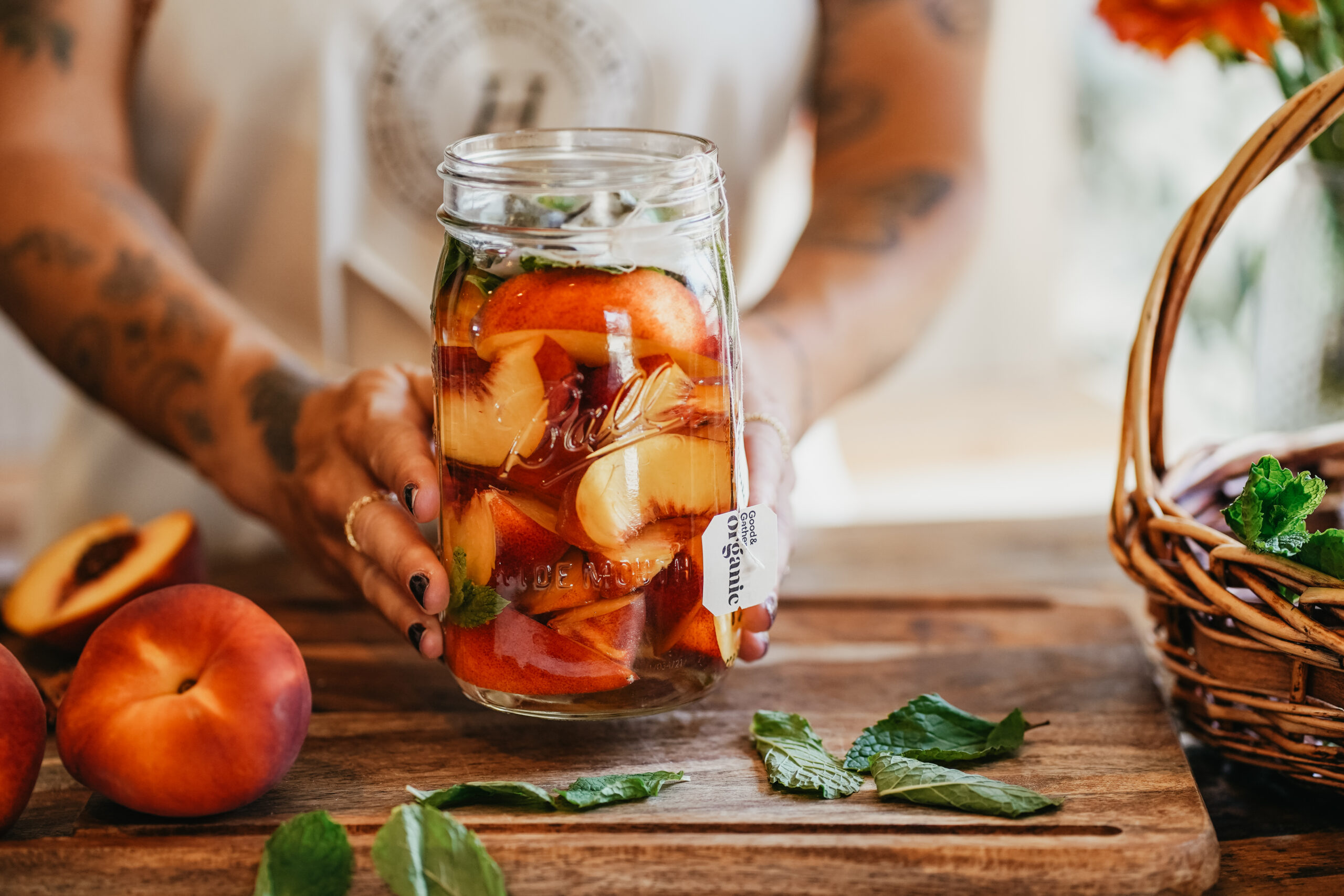
In the realm of clinical herbalism, the peach is celebrated for much more than flavor. Traditional practitioners view the fruit as inherently cooling and moistening—a vital antidote to the oppressive heat waves of midsummer. The flesh of the fruit acts as a demulcent, offering soothing relief to heat and irritation within the digestive tract while providing a healthy dose of dietary fiber. Furthermore, herbalists frequently work with the leaves and, under strict clinical conditions, the pits of the peach tree. These secondary plant parts contain unique chemical compounds that target internal heat, physical tension, and congestion, making the peach tree a remarkably versatile botanical ally.
Chronology: A Global Migration Through the Ages
The evolutionary and cultural history of Prunus persica spans thousands of years, continents, and civilizations, tracing an arc from ancient Asian horticulture to modern-day backyard gardens.

- Ancient Origins (c. 1000 BCE and earlier): Archaeological and botanical evidence indicates that peaches were first domesticated in ancient China. In Chinese culture, the peach quickly assumed a profound mythological significance, becoming a ubiquitous symbol of longevity, immortality, and spring.
- The Silk Road and Persian Expansion: From its birthplace in China, the peach traveled westward along ancient trade routes, including the Silk Road, finding a fertile second home in Persia (modern-day Iran). It was from this Middle Eastern epicenter that the fruit earned its botanical species designation, persica, which translates to "Persian apple."
- European Introduction: Greek and Roman traders encountered the fruit through Persian conquests. Writers like Pliny the Elder documented the cultivation of peaches across the Roman Empire, noting their spread throughout Western and Southern Europe as luxury items for the agrarian elite.
- Colonial Transfer to the Americas: Spanish explorers and British colonists brought peach stones across the Atlantic Ocean during the 16th and 17th centuries. The fruit adapted remarkably well to the American climate, spreading rapidly through indigenous trade networks and early colonial settlements long before formal commercial agriculture took root in the Carolinas and Georgia.
- Modern Agrarian Era: By the 19th and 20th centuries, commercial peach farming revolutionized regional economies across the American Southeast. Today, the fruit occupies a secure place in contemporary culture, bridging the gap between ancestral herbalism and modern summer recreation through iced teas, picnics, and community gatherings.
Supporting Data: Botanical Constituents and Safety Profiles
To fully appreciate the peach tree (Prunus persica), one must examine the distinct pharmacological profiles of its various components. Modern herbalism divides the utility of the plant into three primary categories: the fruit flesh, the leaves, and the pit kernels. Each part offers unique therapeutic properties accompanied by varying degrees of phytochemical potency.
The Fruit Flesh
- Primary Actions: Demulcent, nutritive, cooling, and moistening.
- Constituents: High water content, dietary fiber, vitamin C, vitamin A, potassium, and natural sugars.
- Clinical Utility: Ideal for quenching summer thirst, soothing dry or irritated mucous membranes in the digestive tract, and providing gentle, digestible nutrition during hot weather when heavy foods are unappealing.
The Leaves
- Primary Actions: Cooling nervine, mild sedative, and relaxant.
- Constituents: Contains trace amounts of cyanogenic glycosides.
- Clinical Utility: Traditionally employed in small, carefully measured dosages to address patterns of physiological heat, nervous excitation, and upper respiratory tension. Because of the presence of cyanogenic compounds, leaf preparations are typically reserved for short-term use during periods of seasonal heat and restlessness.
The Pit Kernel
- Primary Actions: Circulatory stimulant, blood mover (in Traditional Chinese Medicine), and anti-inflammatory.
- Constituents: High concentrations of amygdalin (a potent cyanogenic glycoside).
- Clinical Utility: Utilized in advanced clinical frameworks to support microcirculation and resolve blood stagnation. Critical Warning: Due to the elevated levels of amygdalin, improper internal consumption or incorrect dosing of peach kernels can lead to acute cyanide toxicity, which carries severe, potentially fatal consequences. Consequently, raw or unregulated use of the kernel is strictly cautioned against and should be restricted to trained clinical herbalists.
Official Perspectives: Navigating Safety in Herbal Preparations and Sun Tea
As interest in DIY herbalism and home-crafted wellness beverages surges, botanical educators and food safety experts emphasize the importance of balancing traditional wisdom with modern safety protocols. This duality is especially apparent when preparing cold-brewed herbal infusions, such as traditional sun tea, and when handling potent plant parts.
The Herbalist’s Stance on Plant Safety
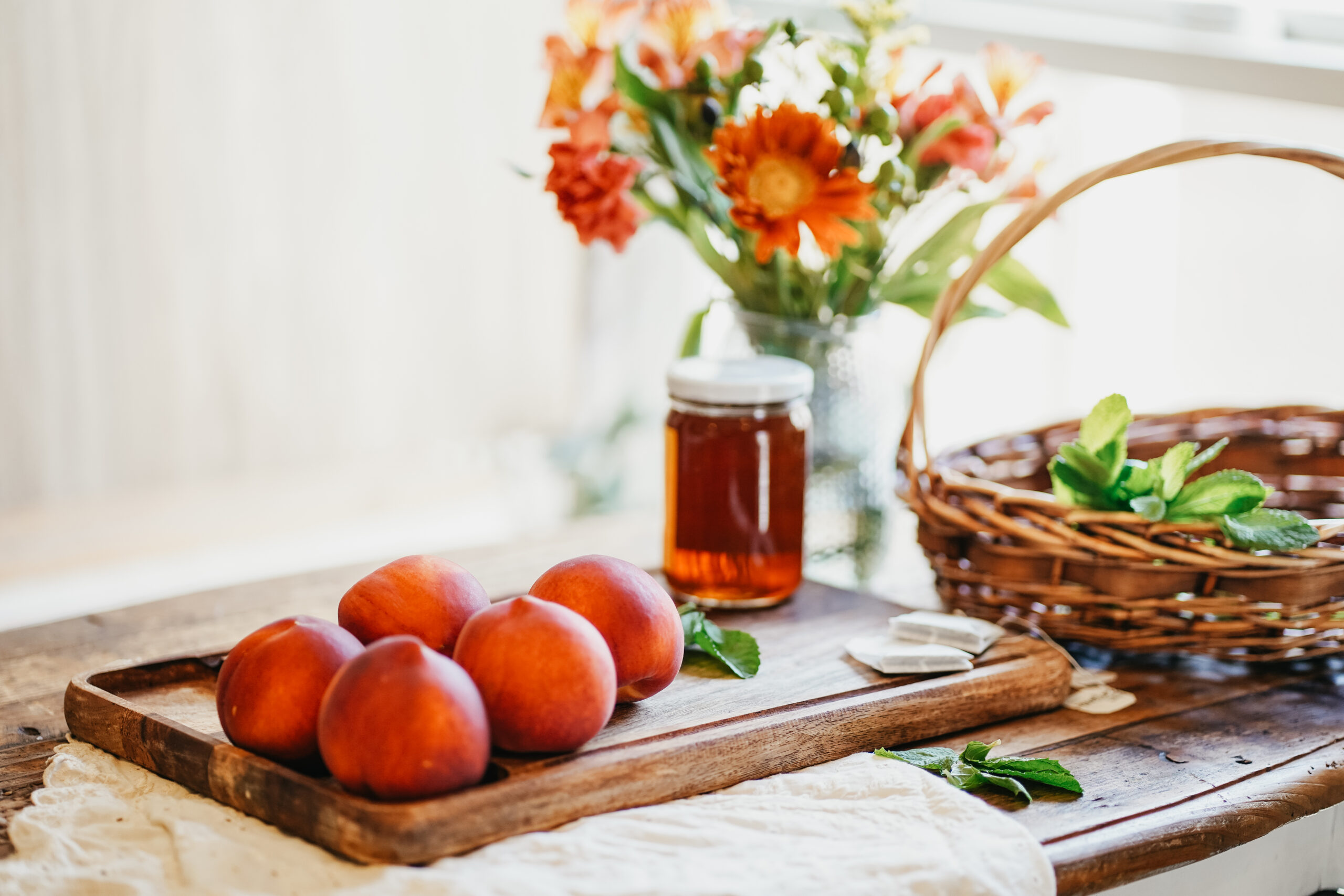
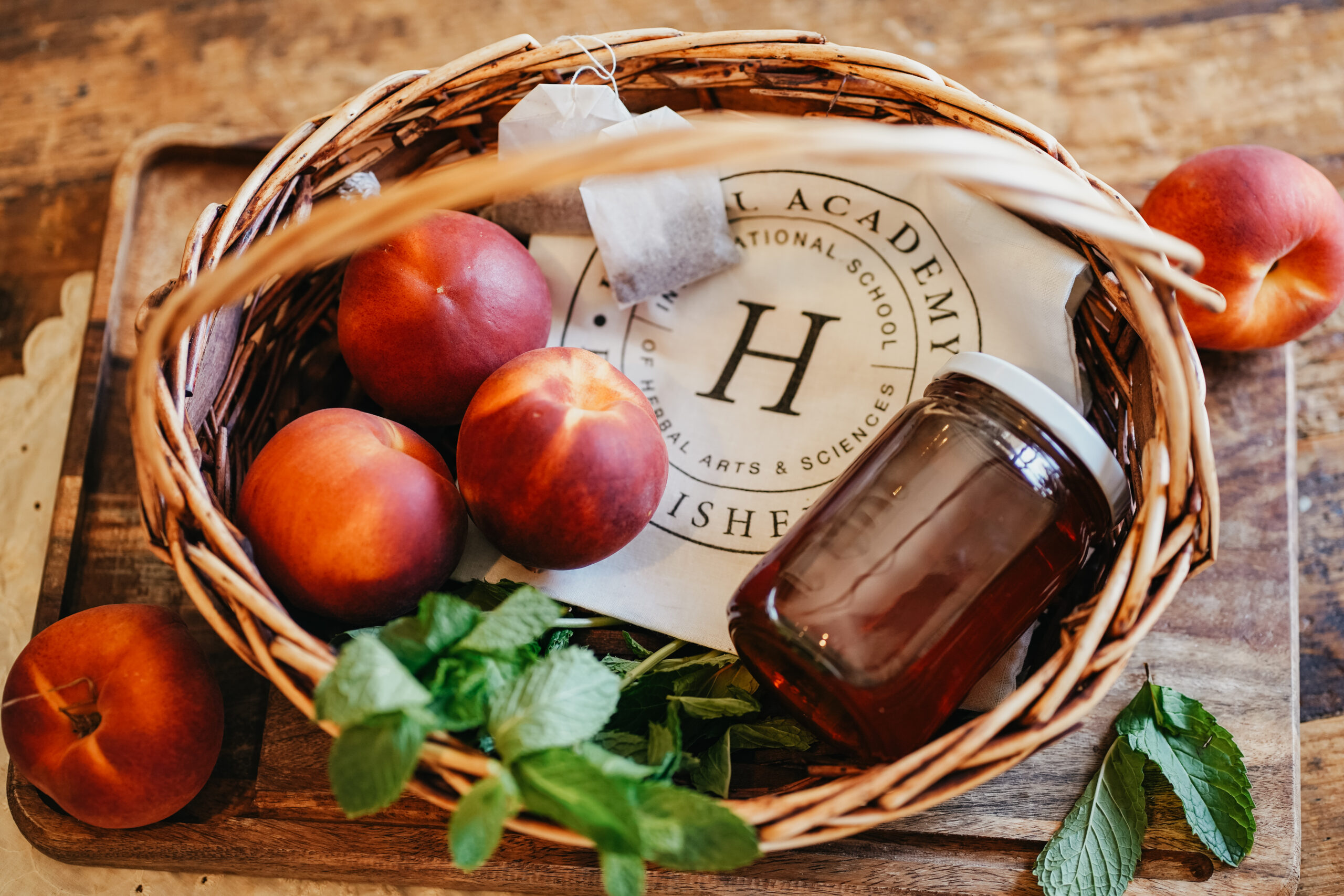
Professional herbal organizations, such as the Herbal Academy, consistently advocate for a rigorous understanding of plant chemistry. While everyday culinary use of peach fruit flesh is entirely safe and deeply beneficial, the transition from kitchen ingredients to clinical herbs requires heightened awareness.
According to historical texts like Matthew Wood’s The Earthwise Herbal (2008), parts of the peach tree beyond the fruit have powerful physiological impacts on the nervous and circulatory systems. Educators stress that consumers must distinguish between nutritive herbs (like mint and green tea) and active medicinal herbs (like peach leaf and kernel). Respecting plant boundaries ensures that home remedies remain safe, nourishing, and restorative.
Food Safety Guidelines for Sun Tea
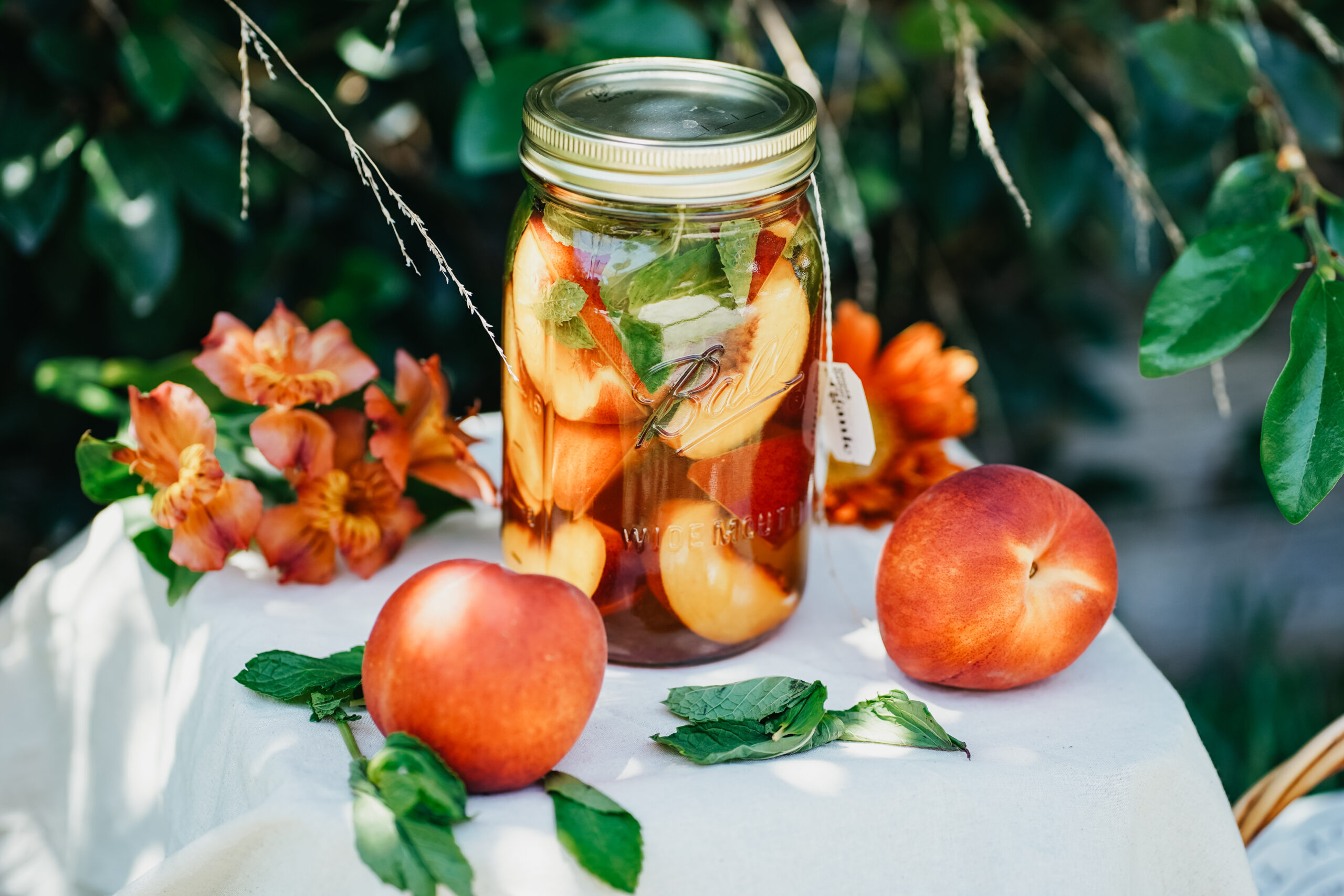
The tradition of making sun tea—placing water, fresh fruit, and herbs into a glass jar and letting ambient solar warmth steep the ingredients over several hours—is a cherished summer ritual. However, public health and culinary safety officials issue standard cautions regarding this method.
Unlike boiling water used in traditional hot tea brewing, the mild, ambient temperatures achieved during sun tea steeping create an ideal thermal environment for the proliferation of waterborne bacteria, particularly pathogenic microorganisms like Klebsiella, E. coli, and molds. To mitigate these risks safely without abandoning the craft, experts recommend the following best practices:
- Sanitation: Always start with impeccably clean equipment, utilizing sterilized glass jars and utensils.
- Water Quality: Use filtered, purified, or previously boiled and cooled water rather than unmonitored tap water.
- Steeping Duration: Limit outdoor sun-steeping times to a brief window (typically no more than two hours) just sufficient to extract delicate flavors.
- Immediate Refrigeration: Promptly transfer the brewed tea into the refrigerator to halt bacterial growth, keeping the beverage safely chilled until it is ready to be served.
Implications: Reconnecting with Seasonal Wellness and Craft
The enduring popularity of the peach extends far beyond its pleasant flavor profile; it represents a cultural and ecological invitation to live in rhythm with the seasons. In an era dominated by processed conveniences and climate-controlled indoor environments, engaging with fresh, locally sourced botanicals offers a tangible grounding mechanism.
By utilizing seasonal harvests to create cooling remedies like botanical sun teas, individuals reclaim a measure of self-reliance and seasonal attunement. This practice encourages a deeper appreciation for where food comes from, how plants function within their ecosystems, and how traditional knowledge can be safely integrated into modern lifestyles. Furthermore, educational initiatives—ranging from community-focused herbal workshops to specialized online studies—ensure that the historical wisdom of plant crafting is preserved, critically evaluated, and passed down responsibly to future generations.

Featured Recipe: Peppy Peach Sun Tea
This refreshing peach tea recipe, featured in the free Summer Teas Ebook, combines antioxidant-rich green tea with cooling mint and seasonal fruit for a naturally energizing summer beverage.
Ingredients
- 1 quart-sized glass jar (thoroughly sanitized)
- 2 green tea (Camellia sinensis) bags, or 2 tablespoons of loose-leaf green tea
- 3 to 5 sprigs of fresh mint (Mentha spp.) leaves
- 3 fresh peach slices (Pro tip: use frozen peach slices to keep your tea ice-cold as you sip)
- Filtered water (to fill the jar)
Instructions
- Combine Ingredients: Place the green tea bags (or loose-leaf tea in a muslin bag), fresh mint sprigs, and peach slices into the clean quart-sized glass jar.
- Add Water: Pour filtered water into the jar, leaving a small amount of headspace at the top, and seal the lid tightly.
- Steep in the Sun: Place the jar in a warm, sunny spot outdoors for no more than two hours to gently draw out the botanical flavors.
- Chill and Serve: Immediately remove the jar from the sun, discard the tea bags or loose leaves if desired, and place the jar directly into the refrigerator until thoroughly chilled. Serve over ice with an extra sprig of mint and a fresh peach slice for garnish.