August 11, 2026 — For millions of women navigating the complex, often frustrating labyrinth of PMOS (Polycystic Ovary Syndrome/Metabolic Ovarian Syndrome), daily life can feel like managing a moving target. From irregular or completely absent menstrual cycles to stubborn, cystic acne and unwanted facial or body hair growth, the physical manifestations of the condition are as diverse as they are burdensome. At the root of many of these hallmark symptoms lies a single, defining hormonal culprit: elevated testosterone, medically known as hyperandrogenism.
While lifestyle modifications—particularly physical activity—have long been a cornerstone of first-line recommendations for managing PMOS, the exact prescription has historically lacked precision. Patients are routinely told to "exercise more," but questions regarding the optimal type, intensity, and frequency have remained vague.
However, a landmark new meta-analysis published in the journal PeerJ offers much-needed clarity. Pooling data from more than 1,000 women across multiple clinical trials, the research suggests that when it comes to reining in elevated testosterone, the type of exercise you choose matters significantly. Specifically, the data points to aerobic exercise as a powerful, targeted tool for hormonal balance.
Main Facts: Breaking Down the Landmark Study
At its core, the new study sought to answer a specific question that has puzzled researchers and clinicians alike: Does the type of physical activity a woman engages in alter its impact on her hormonal profile?
To find out, researchers cast a wide net, reviewing and pooling data from 19 rigorous clinical trials. The collective cohort comprised 1,018 women diagnosed with PMOS, ranging in age from 18 to 45. The investigation focused heavily on measuring how structured physical interventions affected two primary biological markers: testosterone and follicle-stimulating hormone (FSH), a critical hormone responsible for regulating the normal menstrual cycle and ovarian function.
To evaluate these effects systematically, the researchers categorized the physical interventions utilized across the 19 trials into three distinct buckets:
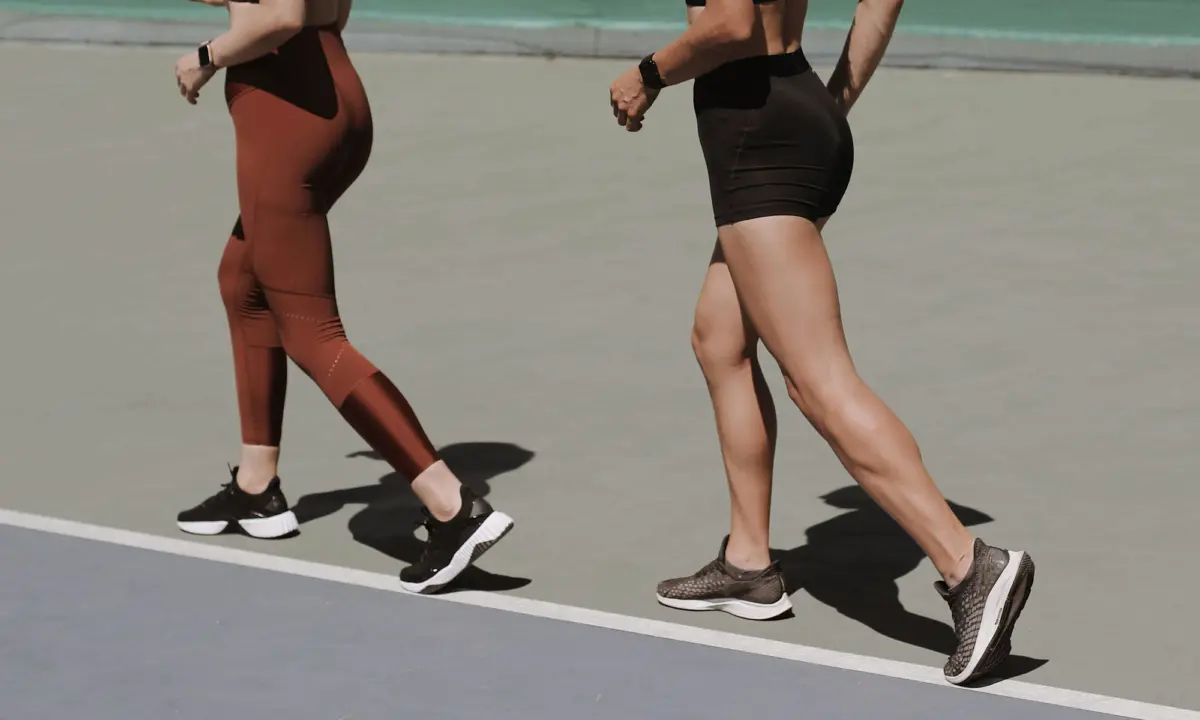
- Aerobic Exercise: Activities that sustainably elevate heart rate through repetitive, rhythmic movement (e.g., running, cycling, swimming, fast-paced walking).
- Resistance Training: Anaerobic modalities focused on muscular strength and overload (e.g., weightlifting, bodyweight calisthenics, resistance band work).
- Mixed Training: Hybrid protocols that incorporated both aerobic and resistance elements into a single program or alternating schedule.
The results provide a clear-cut directive for patients and practitioners alike. While physical activity as a broad category demonstrated a general capacity to lower testosterone levels across the board, aerobic exercise stood out as uniquely effective. It yielded a significantly larger reduction in testosterone than the overall aggregate result—a finding that remained robust and consistent across multiple statistical sub-analyses.
Conversely, resistance training and mixed-modality training programs failed to show a meaningful, statistically consistent effect on testosterone levels in either direction during the study periods. Furthermore, follicle-stimulating hormone (FSH) levels remained largely unchanged regardless of the exercise category applied.
Chronology: How the Research and Understanding Evolved
To appreciate the significance of this 2026 meta-analysis, it is essential to trace how medical science has evolved in its understanding of PMOS and physical movement over the past few decades.
The Era of General Advice (Late 20th Century to 2010s)
For generations, medical guidelines for managing PMOS centered around weight management and generalized lifestyle interventions. Because a substantial subset of women with the condition struggle with insulin resistance and weight fluctuations, physicians routinely prescribed "diet and exercise" as a blanket mandate. Little distinction was made between a brisk daily walk, high-intensity interval training (HIIT), or heavy weightlifting. Exercise was viewed primarily through the lens of caloric expenditure and metabolic health, rather than as a precision endocrine tool.
The Rise of Mechanistic Studies (2015–2024)
As endocrinologists and reproductive health specialists began to look deeper into the cellular roots of PMOS, the conversation shifted toward systemic inflammation and hyperandrogenism. Researchers identified that chronic, low-grade inflammation—specifically elevated levels of inflammatory cytokines like TNF-alpha—played a major role in driving insulin resistance. Scientists realized that as insulin spiked, it directly stimulated the ovaries to pump out excess androgens like testosterone. Clinical trials began testing isolated exercise modalities to see how individual workouts altered inflammatory pathways, but the data remained fragmented, with small sample sizes leading to conflicting conclusions.
The Synthesis: The 2026 PeerJ Meta-Analysis
Recognizing the noise in the existing literature, the authors of the new PeerJ study set out to synthesize the mountain of small-scale trials into a definitive review. By pooling data from 1,018 women across 19 trials, the research team successfully eliminated the statistical white noise of smaller studies. Published in August 2026, this meta-analysis officially established the superior efficacy of aerobic exercise over resistance and mixed training specifically regarding testosterone suppression in the PMOS population, marking a turning point in personalized lifestyle medicine.
Supporting Data: Unpacking the Hormonal and Inflammatory Mechanism
Why does aerobic movement hold such a distinct advantage when it comes to taming excess androgens? To understand the mechanism, scientists look beyond the muscles and into the complex interplay between inflammation, insulin, and the ovaries.
The TNF-Alpha and Insulin Resistance Loop
Women with PMOS frequently present with elevated levels of Tumor Necrosis Factor-alpha (TNF-alpha), a potent inflammatory protein. Chronically high TNF-alpha interferes with normal cellular signaling, driving insulin resistance. When cells stop responding efficiently to insulin, the pancreas compensates by producing floods of the hormone to clear glucose from the bloodstream.
This hyperinsulinemia (excess insulin in the blood) serves as a biological distress signal to the ovaries, instructing them to ramp up the production of androgens like testosterone. This cascade explains why so many women experience severe hyperandrogenism even if their metabolic panels appear otherwise stable.

How Cardio Intervenes
Aerobic exercise acts as a biological circuit-breaker in this inflammatory chain reaction. Regular, moderate-to-vigorous cardio sessions have been shown to systematically suppress systemic inflammatory markers, including TNF-alpha.
As TNF-alpha levels drop, cellular sensitivity to insulin improves. With insulin levels stabilizing, the biochemical signal driving the ovaries to hyper-produce testosterone is quieted. Over time, this reduction in inflammatory signaling translates directly to lower circulating testosterone levels, offering relief from physical symptoms like hirsutism (excess hair growth) and inflammatory acne.
Why FSH Remained Unmoved
The study noted that follicle-stimulating hormone (FSH) levels did not shift significantly in response to any of the exercise types. Researchers attribute this to the tightly regulated nature of the hypothalamic-pituitary-ovarian (HPO) axis.
FSH is governed by sophisticated hormonal feedback loops that respond to complex physiological cues, including the precise phase of a woman’s menstrual cycle and the ongoing development of ovarian follicles. Short-term or even moderate-term exercise interventions simply do not exert enough leverage to override these deeply embedded feedback mechanisms—a reminder that while exercise is a powerful adjunct therapy, it is not a cure-all that instantly resets every facet of the endocrine system.
Official Responses and Expert Perspectives
The findings from the PeerJ study have reverberated across the fields of endocrinology, gynecology, and integrative women’s health, drawing commentary from leading clinicians and researchers.
Dr. Elena Vance, a reproductive endocrinologist based in Chicago, noted that the study validates what many practitioners have observed empirically in clinical settings.
"For years, patients would come in reporting that while weightlifting made them feel strong and empowered, their skin flare-ups and cycle irregularities persisted until they incorporated consistent aerobic work," Dr. Vance explained. "This meta-analysis provides the hard data we’ve been missing. It tells us that while resistance training has immense value for overall metabolic health and bone density, aerobic exercise occupies a unique therapeutic niche when our primary clinical target is lowering testosterone."
Meanwhile, public health advocates and exercise physiologists have emphasized the accessibility of the findings. Unlike specialized physical therapy protocols or expensive gym memberships required for heavy weight training, foundational aerobic exercise requires very little equipment.
"The beauty of this research is its democratization of care," says Marcus Thorne, an exercise physiologist specializing in chronic endocrine conditions. "You don’t need a complex training program with spotters and heavy racks to support your hormonal health. A pair of running shoes, a bicycle, or access to a community pool can serve as legitimate, evidence-based medicine."
At the same time, experts urge caution against misinterpreting the study as a dismissal of strength training. Medical professionals universally emphasize that PMOS is a multifaceted condition characterized by metabolic, cardiovascular, and psychological challenges. Resistance training remains vital for building lean muscle mass, improving metabolic rate, and supporting long-term bone health—meaning the ideal routine is often comprehensive rather than monolithic.
Implications: Translating Science into Daily Life
For the millions of women striving to manage PMOS, the practical takeaways from this research offer a clear roadmap for integrating movement as a supportive tool alongside conventional medical care.
1. Prioritize Accessible Aerobic Options
Because the data highlights aerobic exercise as the frontrunner for testosterone reduction, incorporating activities that elevate the heart rate in a sustained manner should be a primary focus. Sustainable options include:
- Brisk walking or power walking (ideal for low-impact, daily movement).
- Cycling or stationary indoor spinning.
- Swimming or water aerobics.
- Light-to-moderate jogging or elliptical training.
2. Tailor Intensity and Consistency
While pushing the body to extremes can sometimes backfire by spiking cortisol (stress hormones) and exacerbating inflammation, consistency is paramount. Building a sustainable routine of 150 minutes of moderate-intensity aerobic activity per week—spread out across multiple days—aligns with broader cardiovascular guidelines while maximizing the anti-inflammatory benefits highlighted in the research.
3. Maintain a Balanced Perspective
While the hormonal case for aerobic exercise is growing stronger, experts remind patients to view movement as one pillar of a comprehensive care plan. Nutrition, stress management, sleep hygiene, and medical interventions (such as targeted pharmacological treatments prescribed by a healthcare provider) remain vital components of managing PMOS holistically.
The Road Ahead
As research in women’s health continues to expand and correct historical oversights, studies like this PeerJ meta-analysis represent a major step forward. By moving away from generalized, one-size-fits-all lifestyle mandates and toward precision-targeted interventions, science is empowering women with PMOS to take control of their health with clarity, confidence, and compassion.