Introduction: The Modern Dietary Dilemma
In an era defined by economic fluctuations and a growing climate crisis, the intersection of personal health, financial literacy, and environmental sustainability has never been more critical. For decades, a pervasive myth has dominated the culinary landscape: that eating healthy, wholesome, and sustainably sourced food is an exclusive luxury reserved for those with deep pockets. Specialty grocery aisles showcasing artisanal cashew cheeses, imported organic superfoods, and brand-name vegan butter substitutes often feature price tags that can deter even the most enthusiastic eco-conscious consumer.
However, a closer examination of modern dietary economics reveals a transformative reality. While specialty processed items inflate weekly grocery bills, shifting the core of one’s diet toward whole, plant-forward, and sustainable foods can actually yield significant financial savings. By adopting intentional shopping strategies, consumers can nourish their bodies, protect the planet, and preserve their bank accounts simultaneously.
Authored by eco-entrepreneur and sustainability expert Scott Cooney, foundational insights into green living suggest that sustainable eating is not about purchasing expensive eco-labels; rather, it is about returning to the roots of mindful consumption. This comprehensive guide explores the multifaceted strategies required to master budget-friendly sustainable eating, examining the economic implications, historical context, and actionable frameworks necessary to revolutionize your relationship with food.

Main Facts: The Intersection of Cost, Health, and Sustainability
To understand how sustainable eating saves money, one must first deconstruct the anatomy of a conventional grocery bill. The modern food system heavily subsidizes resource-intensive, highly processed commodities, creating an illusion of cheap food. However, these foods carry hidden costs—both in terms of healthcare expenditures resulting from poor nutrition and environmental degradation driven by industrial agriculture.
- Whole Foods Outperform Processed Goods Economically: Staple ingredients such as dry beans, lentils, whole grains (like brown rice and oats), and seasonal vegetables cost a fraction of their pre-packaged, highly processed counterparts.
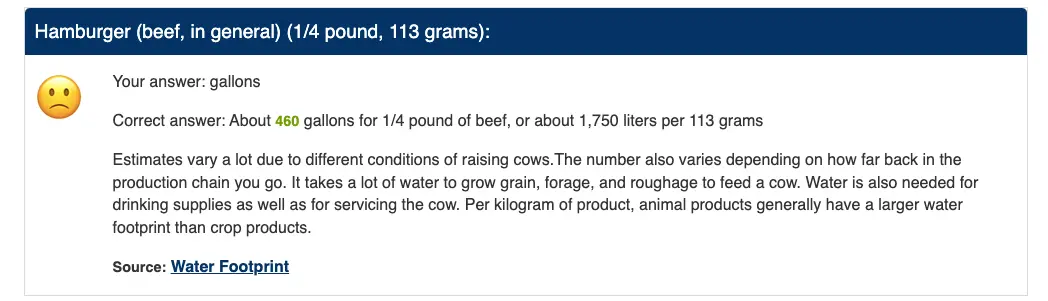
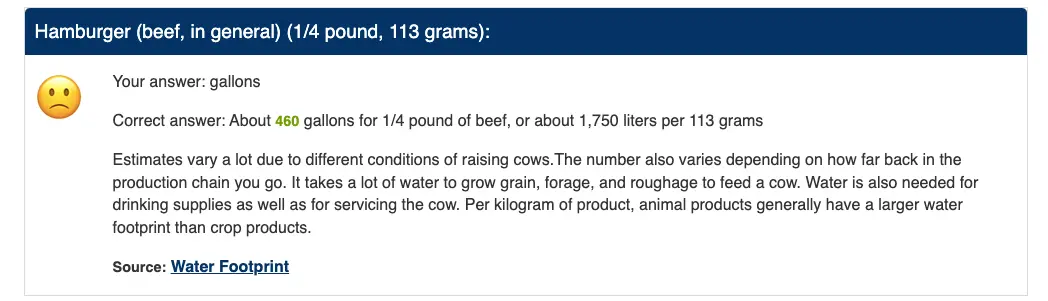
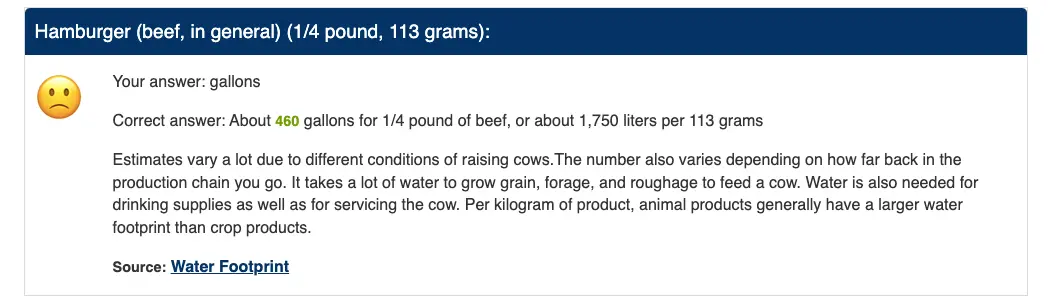
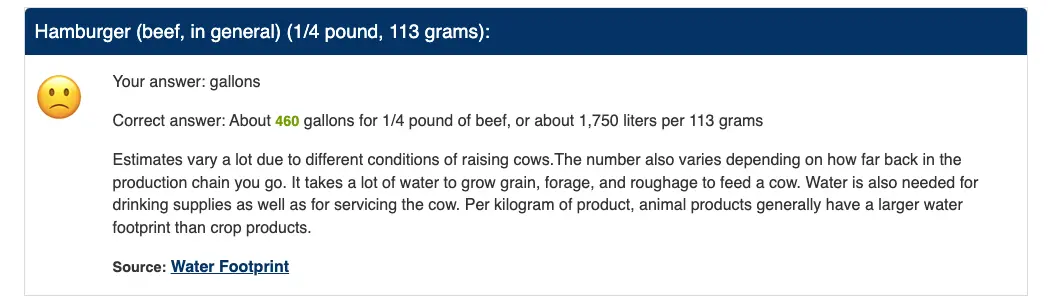
- The Carbon and Financial Cost of Meat: Animal agriculture is a primary driver of greenhouse gas emissions, land degradation, and water consumption. Economically, meat and dairy products represent the most expensive components of a standard grocery budget. Reducing or eliminating animal protein significantly slashes food expenditures.
- Food Waste is Financial Waste: According to global sustainability studies, roughly one-third of all food produced for human consumption is lost or wasted. Wasting food means literally throwing away hard-earned money while needlessly burdening municipal landfills and generating excess methane emissions.
- The "Specialty Item" Trap: Vegan and organic marketing often targets consumers willing to pay a premium for convenience or novelty items (e.g., packaged plant-based meats). True sustainable eating relies on whole ingredients that happen to be plant-based and local, bypassing the markup of manufactured eco-products.
Chronology: The Evolution of Conscious Consumerism
The transition from traditional agrarian diets to industrial food systems—and the subsequent modern push back toward sustainable, budget-conscious eating—follows a distinct historical trajectory.
Phase 1: The Pre-Industrial Baseline (Pre-20th Century)
For most of human history, eating sustainably and affordably were not distinct choices; they were necessities. Diets were inherently localized, seasonal, and plant-heavy, with animal proteins consumed sparingly. Food waste was minimized through rigorous preservation techniques such as pickling, drying, and fermenting.

Phase 2: The Industrialization of Food (Mid-to-Late 20th Century)
The post-World War II era introduced industrialized farming, chemical fertilizers, mass refrigeration, and hyper-processed convenience foods. Food became cheaper in nominal terms, but supply chains lengthened dramatically. The environmental toll escalated, and consumers became disconnected from the origins of their meals, trading nutritional density and ecological mindfulness for convenience.
Phase 3: The Rise of the Eco-Consumer (Early 2000s)
As climate change awareness grew, a market for sustainable food emerged. Initially, this market catered almost exclusively to affluent demographics through high-end organic labels and specialty boutique stores. Sustainable eating gained a reputation for being expensive, alienating budget-conscious consumers who viewed environmentalism as an elite hobby.
Phase 4: The Modern Economic-Ecological Synthesis (Present Day)
Today, grassroots movements and thought leaders like Scott Cooney are successfully decoupling sustainability from high costs. Driven by economic pressures, inflation, and heightened ecological urgency, contemporary consumers are rediscovering that the cheapest diets—those rich in bulk grains, legumes, and local produce—are frequently the greenest and healthiest.

Supporting Data: The Numbers Behind Sustainable Food Economics
Understanding the financial advantages of sustainable eating requires looking closely at consumer spending data, agricultural economics, and nutritional science.
- The Protein Price Gap: According to data compiled by nutritional economists, plant-based proteins such as lentils and dry beans consistently cost between $0.10 and $0.20 per serving. In contrast, conventional beef or premium organic chicken can range from $1.50 to $3.50 or more per serving. Shifting just three meals a week from meat-based to bean-based proteins can save a household hundreds of dollars annually.
- The Impact of Buying in Bulk: Purchasing dry goods, grains, and legumes from bulk bins eliminates packaging costs, which typically account for 10% to 30% of a retail product’s price. Bulk buying reduces both financial outlay and single-use plastic waste.
- The Cost of Waste: The average household throws away hundreds of dollars in uneaten groceries every year. Adopting meal-planning strategies directly combats this loss, translating to immediate financial relief.
Official Perspectives and Expert Insights
Industry leaders, environmental consultants, and health authorities increasingly emphasize the synergy between financial prudence and ecological sustainability.
Scott Cooney on Eco-Entrepreneurship and Practical Living
Scott Cooney, a noted serial eco-entrepreneur, author, and former sustainability consultant for major corporations like Walmart and Johnson & Johnson, has long championed the accessibility of green living. Through ventures like Pono Home and his writings on sustainable business, Cooney emphasizes that true sustainability must be accessible to everyone, regardless of income level.

"Eating right doesn’t have to break the bank," Cooney notes. "Yes, cashew cheese and vegan butter are expensive on the shelf, but overall, you can actually save a ton of money by focusing on eating healthy and sustainable foods."
Cooney’s perspective challenges the consumerist narrative that green living requires purchasing expensive alternative products. Instead, he advocates for a minimalist, whole-foods approach that honors both the individual budget and the Earth’s carrying capacity.
Public Health and Environmental Policy Alignment
Nutritional epidemiologists and environmental scientists increasingly align on the concept of the "One Health" framework—the idea that human health, animal health, and environmental health are inextricably linked. Public health guidelines are beginning to reflect this, encouraging plant-rich diets not only for cardiovascular and metabolic wellness but also as a primary tool for reducing carbon footprints. Governments and municipal programs are increasingly funding community gardens and farmer-to-consumer networks to make sustainable, whole-food options accessible to lower-income communities.

Implications: Transforming Your Kitchen and Community
Adopting a budget-friendly, sustainable eating framework carries profound implications across multiple levels of society—from individual household finances to global environmental systems.
1. Financial Resilience for Households
By trimming wasteful spending on ultra-processed foods, meat-heavy diets, and impulse grocery purchases, households can build greater financial resilience. Money saved on groceries can be redirected toward savings, debt reduction, or other essential needs. Furthermore, reduced reliance on expensive pharmaceutical interventions later in life is a well-documented secondary benefit of shifting toward a nutrient-dense, plant-forward diet.
2. Environmental Mitigation at the Grassroots Level
When consumers vote with their wallets by prioritizing local, seasonal, and plant-based foods, they send a powerful economic signal to agricultural markets. Lower demand for industrial meat and heavily packaged goods translates directly into reduced deforestation, lower greenhouse gas emissions, and decreased chemical runoff in waterways.

3. Cultural Shift Toward Mindful Consumption
Embracing sustainable eating fosters a deeper appreciation for where food comes from. Cooking from scratch, learning to preserve seasonal surpluses, and minimizing food waste cultivate a culture of mindfulness. This shift counters the throwaway culture of modern consumerism, replacing it with a regenerative ethos that values quality, longevity, and community connection.
Conclusion: Actionable Strategies for Your Next Grocery Trip
Transitioning to a budget-friendly, sustainable diet does not require an overnight lifestyle overhaul. By implementing small, intentional changes, anyone can begin reaping the rewards:
- Embrace the Bulk Aisle: Stock up on dry beans, lentils, brown rice, oats, and seeds. These items are inexpensive, have a long shelf life, and form the nutritional foundation of a sustainable diet.
- Prioritize Seasonal and Local Produce: Buy fruits and vegetables that are currently in season in your region. They are cheaper, fresher, and require significantly less energy for transport and storage.
- Audit Your Pantry Before Shopping: Combat food waste by planning meals around ingredients you already own before purchasing new items.
- Treat Specialty Vegan Items as Treats: Acknowledge that while cashew cheese and plant-based butter are delicious, they are processed luxury items. Reserve them for special occasions rather than daily staples.
By aligning your dietary choices with the health of your wallet and the planet, you participate in a global movement toward a more resilient and equitable future. Bon appétit!