By Global Sustainability News Desk
Published: October 2023
Main Facts: The Intersection of Affordability and Sustainability
In an era defined by fluctuating grocery prices, economic uncertainty, and growing environmental consciousness, a persistent myth continues to misguide consumers: the belief that eating healthfully and sustainably is an exclusive luxury reserved for high-income households. Specialty items—such as artisanal cashew cheeses, imported organic superfoods, and brand-name plant-based meats—frequently feature premium price tags that reinforce this notion. However, a deeper examination of dietary economics reveals a completely different reality.
Shifting the dietary focus toward whole, plant-forward, and locally sourced foods does not have to break the bank. In fact, when approached strategically, adopting a healthy and sustainable diet can dramatically reduce an individual’s or a family’s overall grocery expenditure. By cutting out heavily processed foods, reducing reliance on resource-intensive animal products, and minimizing household food waste, consumers can simultaneously nurture their physical well-being, protect the planet, and retain more of their hard-earned money.

Chronology: The Evolution of Modern Dietary Economics
To understand how sustainable eating became falsely associated with high costs, it is helpful to look at how food systems have evolved over the last century.
- The Post-WWII Industrialization of Food (1950s–1970s): Government subsidies and industrial farming techniques heavily prioritized high-yield commodity crops like corn and soy. This era gave rise to heavily processed convenience foods, making cheap calories widely available but quietly driving up long-term public health costs.
- The Rise of the Specialty "Eco-Friendly" Market (1990s–2000s): As awareness of environmental degradation and factory farming grew, niche markets emerged to cater to conscious consumers. Early green products were often produced on a small scale, resulting in high retail costs that cemented the stereotype that ethical eating was expensive.
- The Plant-Based and Zero-Waste Boom (2010s–Present): Alternative proteins and zero-waste lifestyles moved from the counterculture into the mainstream. While processed vegan meat substitutes remained pricey, nutritionists and environmental advocates began emphasizing that the cheapest items in the supermarket—such as beans, lentils, grains, and seasonal produce—have always been inherently plant-based and sustainable.
- The Modern Economic Pressures (2020–Present): Global supply chain disruptions and inflation have forced consumers to reevaluate their spending habits. As a result, thrifty environmentalism has transitioned from an alternative lifestyle choice into a practical financial survival strategy.
Supporting Data: The Numbers Behind Sustainable Food Economics
Understanding the financial advantages of sustainable eating requires analyzing how money is spent—and wasted—in the modern kitchen.
- The Cost of Convenience: According to data from consumer research groups, heavily processed and packaged foods cost significantly more per serving than raw, whole ingredients. Cooking from scratch using dry staples (like beans and rice) can reduce a meal’s cost by up to 70% compared to pre-packaged meals.
- The Waste Factor: Food waste is an immense financial drain as well as an environmental catastrophe. Studies indicate that the average household throws away roughly 30% to 40% of the food they purchase. For a family spending $800 a month on groceries, this equates to tossing up to $320 straight into the trash bin every single month.
- Healthcare Savings: Diets rich in whole, plant-based foods are consistently linked by medical researchers to lower risks of chronic conditions such as type 2 diabetes, heart disease, and obesity. Transitioning away from a diet heavy in ultra-processed foods and red meat can yield massive long-term savings on out-of-pocket medical expenses and pharmaceuticals.
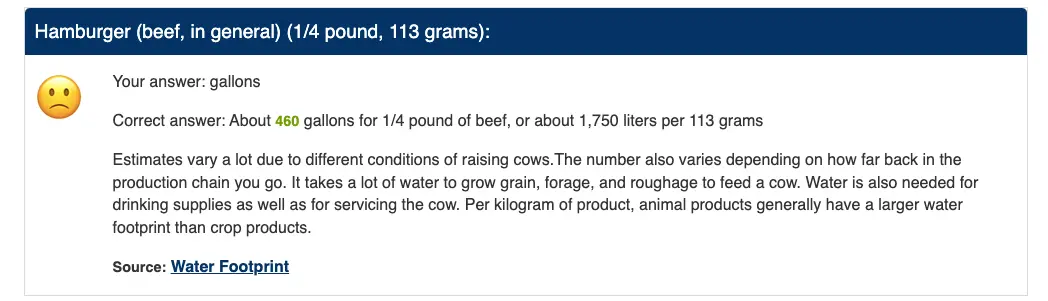
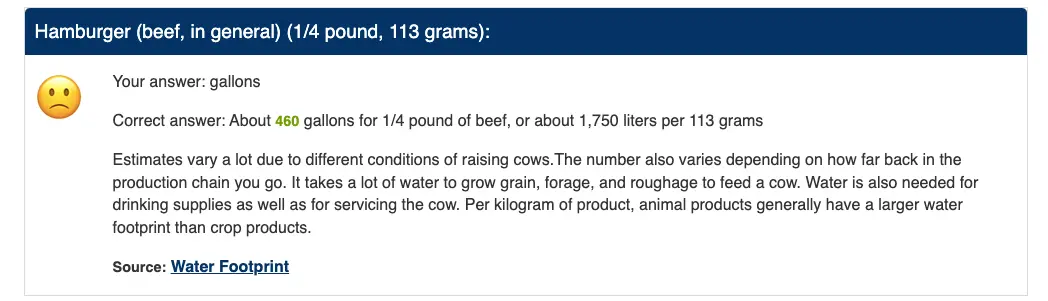
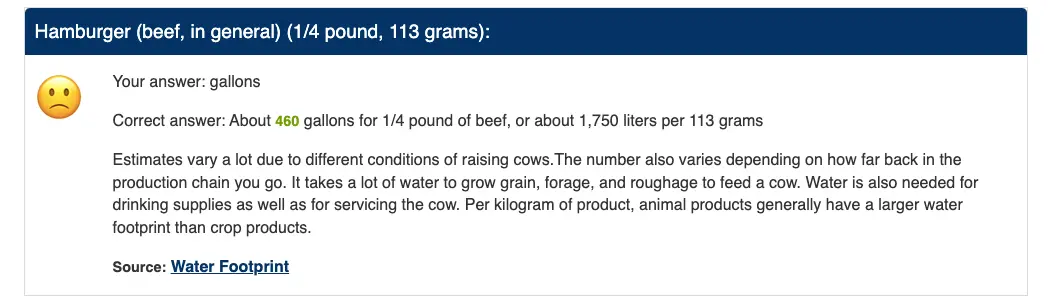
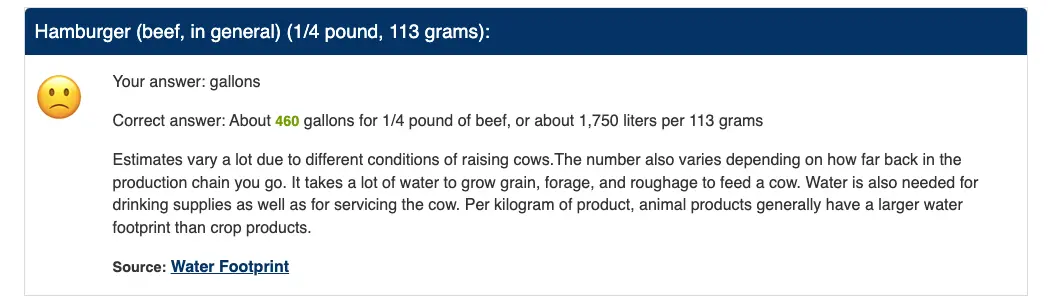
- Resource Efficiency: Producing a single pound of beef requires thousands of gallons of water and significant amounts of feed grain, driving up the market price of meat. Conversely, staples like lentils and chickpeas require a fraction of those resources, keeping their market prices remarkably stable and low.
Expert Insights and Strategic Approaches
Eco-entrepreneur and sustainability expert Scott Cooney, author and founder of various green initiatives, emphasizes that conscious consumption must be accessible to be truly impactful.

"Eating right doesn’t have to break the bank," Cooney notes. "Yes, cashew cheese and vegan butter are expensive on the shelf, but overall, you can actually save a ton of money by focusing on eating healthy and sustainable foods."
To bridge the gap between ecological responsibility and personal thriftiness, experts recommend implementing several key strategies in the kitchen:
1. Prioritize Whole, Unpackaged Staples
The perimeter of the grocery store—and the bulk bins—hold the most cost-effective and environmentally friendly foods available. Dried beans, lentils, whole grains like brown rice and oats, and seasonal vegetables are significantly cheaper per serving than processed snack foods or specialty meat alternatives. By purchasing these items in bulk, consumers reduce single-use plastic packaging while locking in lower per-unit prices.

2. Radical Reduction of Food Waste
Sustainability starts with utilizing what is already in the pantry. Meal planning, proper food storage, and getting creative with vegetable scraps (such as turning peels and stems into vegetable broth) stretch grocery budgets further. When food waste drops to near-zero, household grocery budgets instantly shrink.
3. Shift Away From Resource-Intensive Proteins
Meat and dairy products are traditionally the most expensive items on a grocery receipt, largely due to the high input costs of animal agriculture. Substituting meat-based meals with plant-based proteins just two or three nights a week can yield immediate, noticeable savings on weekly food bills.
4. Shop Locally and Seasonally
Importing out-of-season produce incurs heavy transportation costs, both financially and environmentally. Purchasing items that are locally grown and in-season supports local farmers, reduces carbon footprints, and generally costs less because supply chains are shorter and more direct.

Implications: A Blueprint for Personal and Planetary Health
The implications of aligning diet with both financial prudence and environmental sustainability extend far beyond individual bank accounts.
On a macro level, if a significant portion of the population shifts toward a whole-food, plant-forward diet, the resulting decrease in demand for industrial meat and ultra-processed goods could help reshape agricultural subsidies. Governments may face pressure to redirect financial support away from resource-intensive commodity crops and toward regenerative farming, local agriculture, and public health initiatives.
Furthermore, reducing household food waste on a societal scale would dramatically lower municipal waste management costs and decrease the volume of organic matter rotting in landfills—a major source of potent methane emissions.

Ultimately, eating sustainably on a budget proves that doing the right thing for the planet does not require financial sacrifice. By rejecting the marketing myth that eco-friendly living is expensive, consumers can reclaim control over their finances, improve their long-term health, and contribute to a more resilient global food system.
Bon appétit!