As tick populations surge and expand their geographic range across the United States, tick-borne illnesses are transitioning from seasonal inconveniences to endemic health challenges. For millions of outdoor enthusiasts, hikers, suburban residents, and families living in heavily wooded or grassy regions, the warmer months bring not only the joy of nature but also a lingering anxiety about the microscopic hazards lurking in the brush.
Understanding how to navigate this reality requires a dual approach: rigorous preventative measures and an empowered, holistic action plan for what to do when a bite occurs. To address this growing public health concern, the Herbal Academy has introduced comprehensive educational resources—including a free, in-depth instructional video titled After the Bite: What You Need to Know About Tick-Borne Diseases and a dedicated online curriculum, the Holistic Approach for Tick-Borne Diseases Course. These resources bridge the gap between conventional care and integrative herbalism, equipping individuals with the knowledge to act swiftly and confidently.
Main Facts: The Escalating Tick Crisis
Tick-borne diseases represent one of the fastest-growing categories of infectious diseases in North America. Driven by shifting climate patterns, milder winters, and expanding white-tailed deer populations—the primary reproductive hosts for adult deer ticks—parasitic tick populations are multiplying and claiming new territory every year.
The Mechanics of Transmission
To understand the threat, it is essential to examine the lifecycle and behavior of ticks. Ticks spend approximately 95% of their lives off-host, developing through four distinct stages: egg, larva, nymph, and adult. To transition between each stage and to reproduce, they require a blood meal. Depending on the species, ticks locate their hosts using two primary strategies:
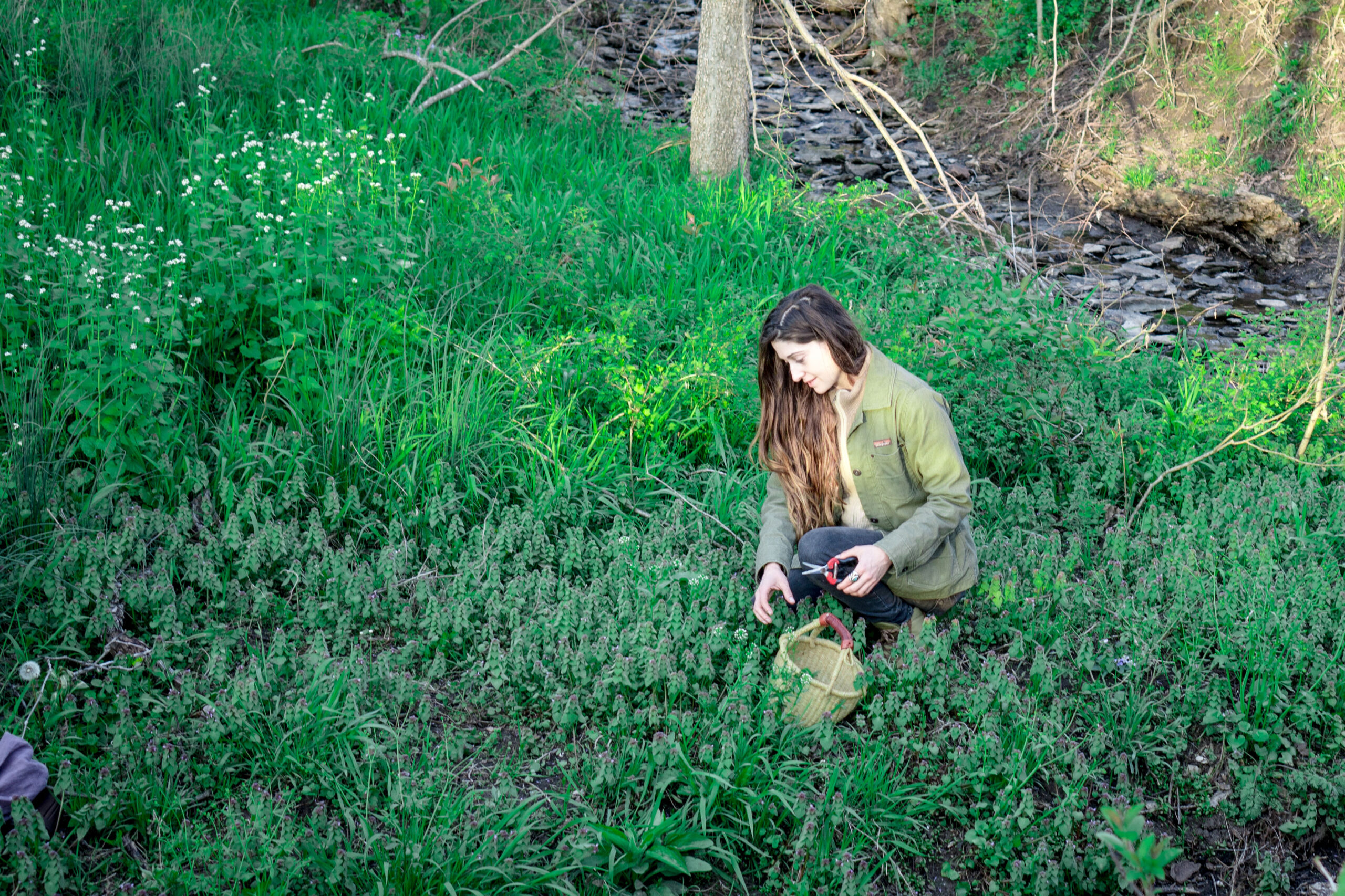
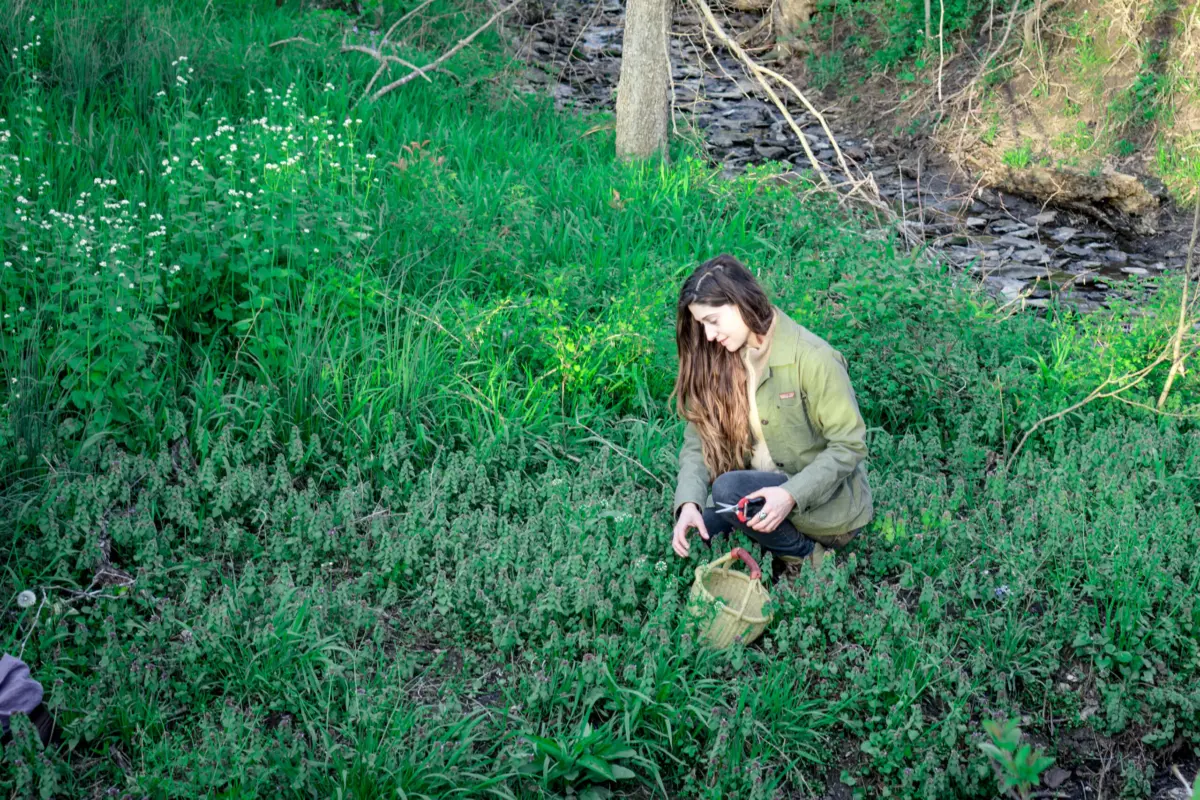
- Questing: Many common species, such as the blacklegged tick (the primary vector for Lyme disease), climb onto tall blades of grass, low shrubs, or leaf litter. They extend their front legs, waiting for a passing human or animal to brush against them so they can latch on.
- Hunting: Other tick species actively track hosts over short distances by detecting carbon dioxide, body heat, and vibrations.
Once secured to a host, ticks use specialized mouthparts to anchor themselves securely into the skin. As they feed over the course of several days, they alternate between drawing blood and secreting saliva. This saliva is chemically complex, containing local anesthetics that mask the bite, anti-inflammatory agents, and compounds that locally suppress the host’s immune response. If the tick is carrying pathogens—such as bacteria, viruses, or parasites—this saliva serves as the vehicle for disease transmission into the host’s bloodstream.
Chronology: A Step-by-Step Response to a Tick Bite
Discovering a tick attached to your skin can induce immediate panic. However, prompt, methodical action drastically reduces the risk of infection. Experts outline a clear, chronological protocol to follow immediately after a bite is discovered.
Step #1: Prompt and Careful Removal
The golden rule of tick removal is to remain calm and act quickly. Not all ticks carry pathogens, and early removal significantly decreases the likelihood of disease transmission.
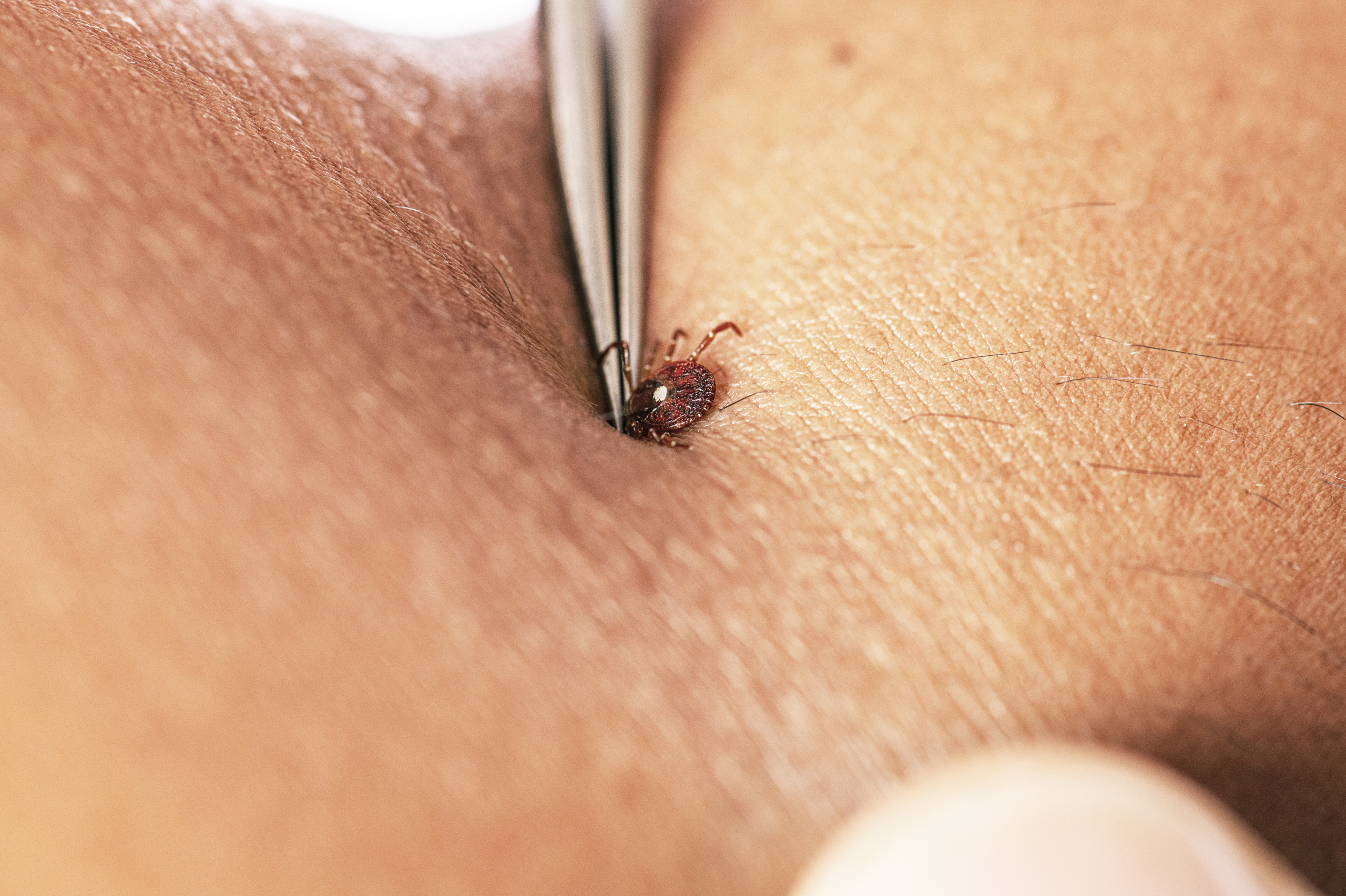
- Tools: Use clean, fine-tipped tweezers or a specialized commercial tick-removal tool.
- Technique: Grasp the tick as close to the skin’s surface as possible to avoid tearing the mouthparts. Pull upward with a slow, steady, and even pressure. Avoid twisting or jerking the tick, which can leave mouthparts embedded in the skin and lead to localized infection. Never squeeze the body of the tick, as this can force infectious fluids back into the wound.
Step #2: Thoroughly Clean the Bite Site
Treat the bite area like any other minor wound. Wash the site thoroughly with soap and warm water. To provide additional localized support, practitioners often recommend applying an over-the-counter antiseptic or a traditional herbal preparation, such as a cotton ball soaked in an Andrographis (Andrographis paniculata) aerial parts tincture, known for its antimicrobial properties. Cover the area with a clean bandage, and change it every few hours over the next few days to allow for continuous visual monitoring of the skin.

Step #3: Maintain a Detailed Bite Record
Documentation is a vital safeguard. Make a written note of the date you discovered the bite, the geographic location where you believe exposure occurred, the exact location on your body where the tick attached, and a description of the tick’s size and species characteristics. Taking a clear photograph of the tick—or sealing it inside a labeled plastic bag for potential lab testing—provides invaluable data should post-bite symptoms arise later.
Step #4: Nourish and Support the Nervous System
The psychological toll of a tick bite can manifest as acute anxiety, hyper-vigilance, and chronic stress. Because stress can negatively impact immune function, calming the nervous system is an essential part of early recovery. Adaptogenic and nervine herbs such as blue vervain (Verbena hastata) aerial parts or lemon balm (Melissa officinalis) aerial parts can be utilized to soothe frayed nerves and promote emotional equilibrium.
(Comprehensive plant monographs for blue vervain, lemon balm, and over 200 other botanicals are accessible through platforms like The Herbarium and are deeply explored in specialized herbal courses.)
Step #5: Monitor for Post-Bite Symptoms
Once the tick is removed, the host’s immune system begins to recover from the localized suppression caused by the tick’s saliva. Over the subsequent days and weeks, individuals must monitor for a wide array of systemic symptoms. These may involve gastrointestinal disturbances, respiratory shifts, cardiovascular anomalies, and dermatological changes (such as the classic expanding bullseye rash, though many infected individuals never develop this sign). Knowing when to seek immediate medical intervention versus utilizing supportive herbal care is critical.
Supporting Data: Understanding Vector-Bearing Risks
Public health surveillance data underscores the urgency of tick awareness:
- Geographic Expansion: Lyme disease and other tick-borne illnesses—such as Anaplasmosis, Babesiosis, and Powassan virus—have been reported in nearly all 50 states, with the highest concentrations historically found in the Northeast, Mid-Atlantic, and Upper Midwest regions.
- Window of Transmission: While deer tick nymphs are exceptionally small (about the size of a poppy seed) and active during late spring and summer, adult ticks remain active whenever ambient temperatures are above freezing, extending the risk window from early spring through late autumn.
- Symptom Diversity: According to epidemiological studies, tick-borne pathogens can mimic numerous chronic conditions, often leading to delayed diagnoses. This reality highlights why integrative frameworks that combine modern medicine with holistic wellness education are gaining traction among healthcare seekers.
Official Responses and Public Health Initiatives
Federal, state, and academic institutions have ramped up public awareness campaigns to combat the rising tide of vector-borne illnesses.
Public Health Guidelines
The Centers for Disease Control and Prevention (CDC) continuously updates its guidance for outdoor safety, emphasizing personal protective measures:
- Treating clothing and gear with products containing 0.5% permethrin.
- Using EPA-registered insect repellents containing DEET, picaridin, or oil of lemon eucalyptus.
- Performing thorough full-body tick checks after outdoor activities, paying special attention to hidden areas such as the scalp, behind the knees, under the arms, and around the waistband.
- Tying back long hair and tucking pants into socks when walking through high grass or wooded trails.
Integrative Educational Initiatives
In parallel with conventional public health messaging, educational organizations are stepping in to fill gaps in daily care and symptom management. Experts such as Lindsey Feldpausch, RH(AHG)—Assistant Director and Lead Herbalist Educator at the Herbal Academy—stress that while conventional antibiotics are often necessary during the acute phases of bacterial tick-borne infections, holistic protocols offer immense value. Integrative strategies focus on supporting immune function, mitigating inflammation, protecting organ systems, and nurturing mental resilience during recovery.
Through platforms like the After the Bite video seminar and the newly launched Holistic Approach for Tick-Borne Diseases Course, educators are providing structured, self-paced learning pathways. These programs bring together botanical experts and vector-borne illness specialists to teach students how to accurately identify tick species, understand pathogen lifecycles, and safely incorporate supportive herbal protocols into their post-bite care plans.

Implications: Living in a Post-Tick-Aware World
The normalization of tick-borne diseases across wide swaths of North America has profound implications for outdoor recreation, lifestyle choices, and healthcare systems.
For Individuals and Families
Living in an endemic area no longer means abandoning outdoor life, but it does require a permanent shift in habits. Vigilance has become a necessary routine. Cultivating proactive habits—such as daily tick checks, strategic landscape management around homes (clearing leaf litter, creating wood-chip barriers between lawns and wooded areas), and keeping proper removal tools readily accessible—transforms fear into empowerment.
For Healthcare and Integrative Medicine
As chronic tick-borne illnesses continue to challenge conventional medical frameworks, the demand for integrative healthcare models is accelerating. Patients increasingly seek practitioners who can bridge the gap between acute pharmacological interventions (such as targeted antibiotic courses) and long-term holistic recovery strategies (such as gut restoration, immune modulation, and herbal nervous system support).
By embracing a multidisciplinary toolkit that honors both modern diagnostics and traditional botanical wisdom, individuals can better protect themselves, navigate the uncertainties of a tick bite, and foster long-term resilience against vector-borne threats.