










As tick populations surge and expand their geographic footprints across the United States, tick-borne diseases are increasingly shifting from seasonal nuisances to firmly established, endemic public health concerns. For millions of Americans who live in high-risk regions—ranging from the Northeast and Mid-Atlantic to the Upper Midwest and parts of the West Coast—enjoying the outdoors has become fraught with anxiety.
To address this growing public health challenge, educational platforms such as the Herbal Academy have stepped forward to bridge the gap between fear and empowerment. By offering accessible resources like the free After the Bite educational video and the comprehensive Holistic Approach for Tick-Borne Diseases course, experts are providing individuals with actionable, integrative protocols to prevent bites, manage incidents safely, and support long-term recovery using both modern and traditional herbal frameworks.
Main Facts: The Escalating Threat of Tick-Borne Pathogens
Tick-borne illnesses represent one of the fastest-growing categories of infectious diseases in North America. Driven by changing environmental conditions, warming winters, and expanding wildlife habitats, tick vectors—such as the blacklegged tick (deer tick), lone star tick, and dog tick—are thriving in environments they previously avoided.
Understanding the Vector and Transmission
Ticks spend the vast majority of their lives—roughly 95%—off-host, navigating leaf litter, tall grasses, and wooded underbrush. However, to transition through their complex life stages (larva, nymph, and adult), they require blood meals. Ticks locate hosts primarily through two mechanisms:
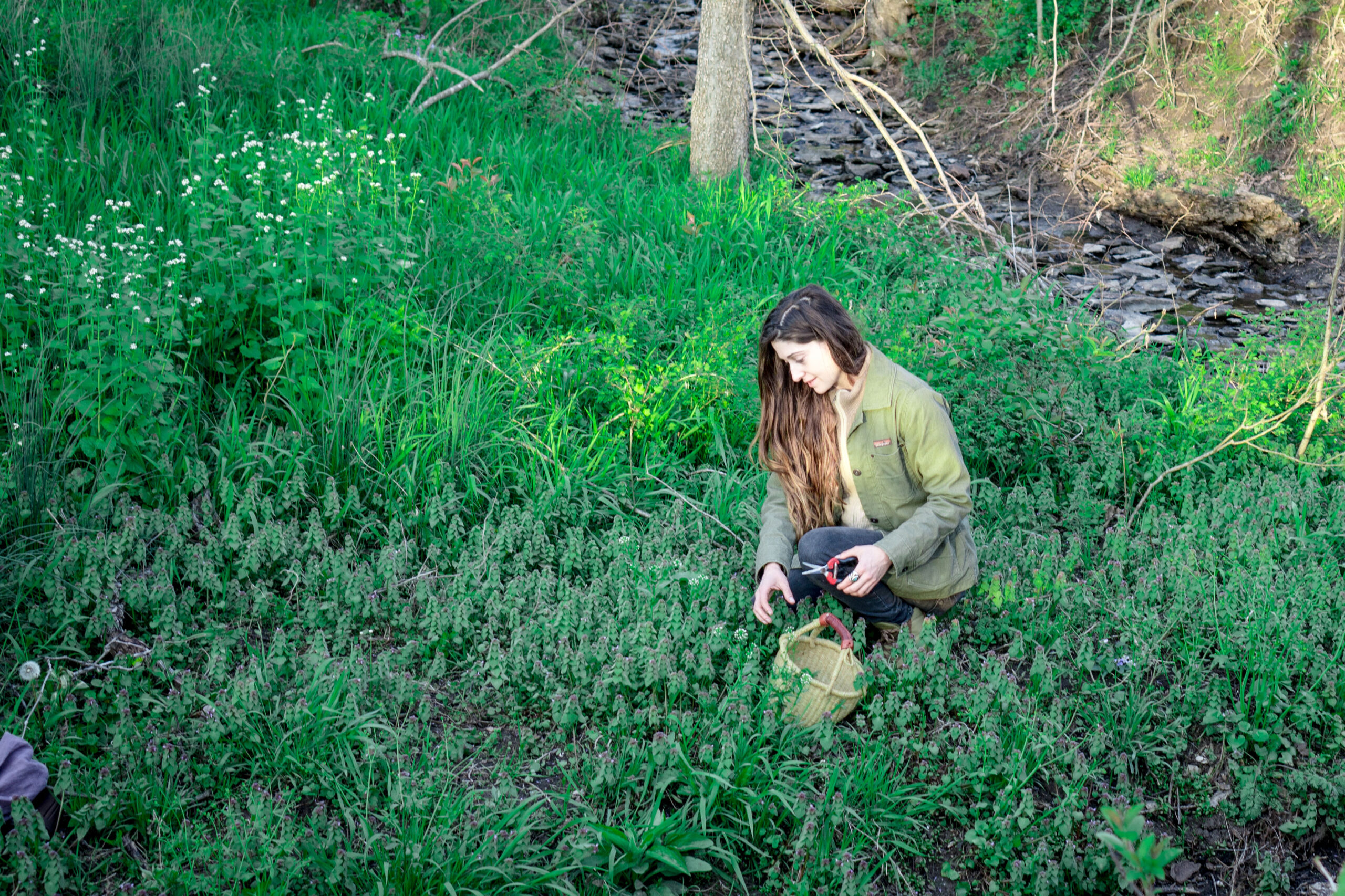
- Questing: A behavior where ticks climb blades of grass or low-lying shrubs, extending their front legs to latch onto passing humans or animals.
- Hunting: Actively tracking hosts using specialized sensory organs that detect carbon dioxide, body heat, and vibrations.
Once attached, ticks insert their mouthparts into the host’s skin, anchoring themselves securely for a prolonged feeding period that can last several days. During this process, the tick alternates between drawing blood and secreting saliva. This saliva is not merely a lubricant; it contains complex pharmacological compounds that locally suppress the host’s immune response and numb the bite area, allowing the tick to feed undetected. If the tick is carrying pathogens—such as Borrelia burgdorferi (the bacterium responsible for Lyme disease), Anaplasma, or Babesia—this salivary exchange serves as the primary vehicle for disease transmission.
Chronology: A Step-by-Step Protocol Following a Tick Encounter
Discovering a tick embedded in your skin can trigger an immediate sense of panic. However, medical and holistic experts emphasize that swift, methodical action can dramatically reduce the likelihood of pathogen transmission or infection.
Step #1: Prompt and Precise Removal
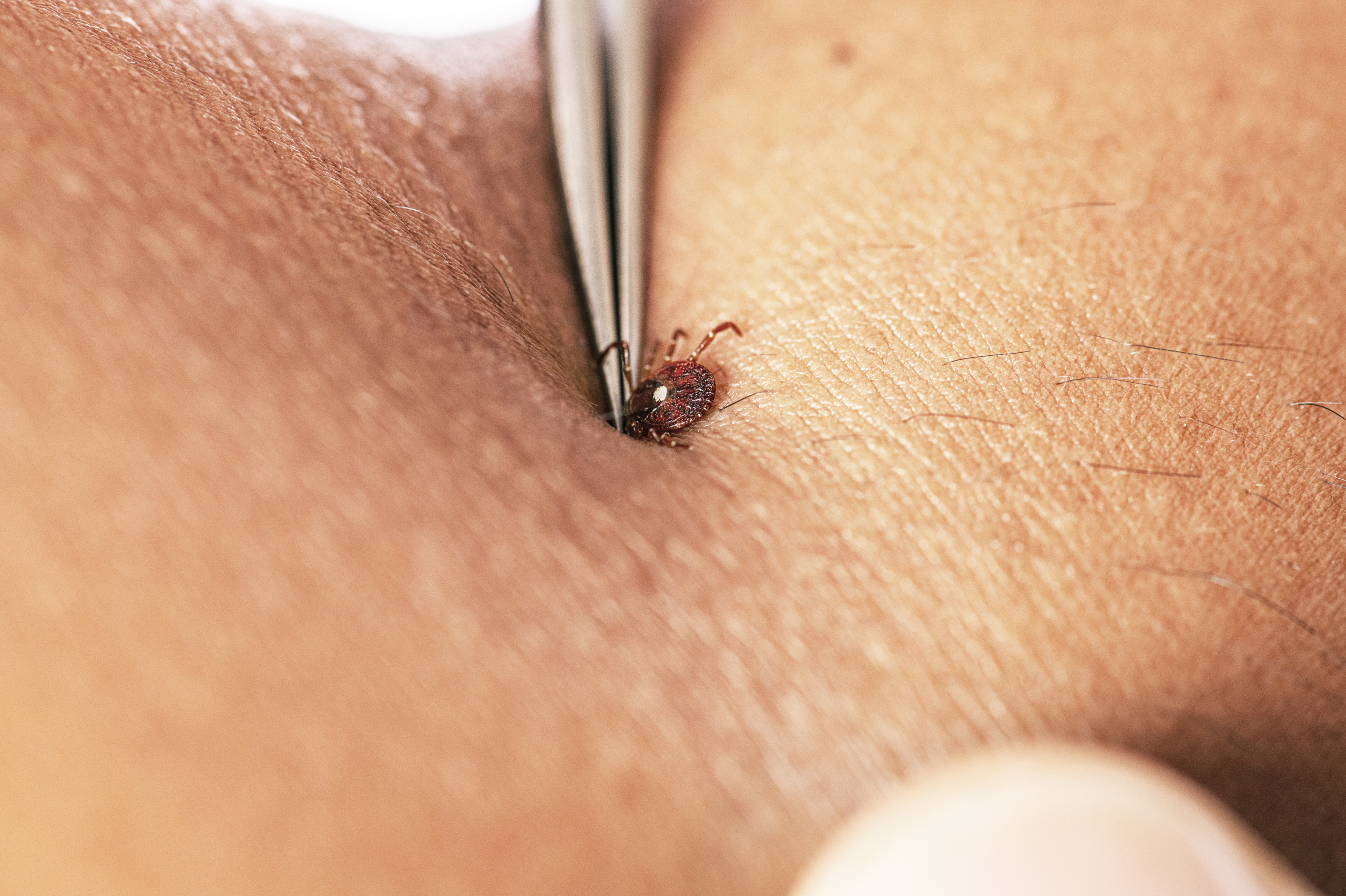
If you find a tick, the first priority is remaining calm and acting quickly. Using clean, fine-tipped tweezers or a specialized tick-removal tool, grasp the tick as close to the skin’s surface as possible. Pull upward with a slow, steady motion, avoiding any twisting or jerking that could leave the mouthparts embedded in the skin. Once removed, inspect the bite site to ensure no residual parts remain, which could trigger a secondary local infection.
Step #2: Thorough Site Cleansing
Treat the bite site like any other minor wound. Wash the area thoroughly with soap and water. To provide additional antimicrobial support, you can apply an over-the-counter antiseptic or utilize herbal protocols, such as dabbing a cotton ball with a tincture of andrographis (Andrographis paniculata) aerial parts. Cover the area with a clean bandage, changing it every few hours over the next few days to allow for continuous visual monitoring of the skin.

Step #3: Documentation and Tracking
Information is a powerful tool in modern healthcare. Make a detailed record of the encounter, including:
- The date of the bite.
- The geographic location or outdoor environment where you believe exposure occurred.
- The specific area of your body where the tick attached.
- A description or photograph of the tick (or preserving the tick in a sealed plastic bag if you intend to send it to a laboratory for pathogen testing).
Having these baseline facts readily available can provide critical context if post-bite symptoms eventually emerge.
Step #4: Nervous System Regulation
The psychological toll of a tick bite—often rooted in fear of chronic illness—can be debilitating. It is vital to remember that not all ticks are infected, and a bite does not guarantee disease transmission. During the immediate aftermath, herbalists recommend utilizing nervine herbs such as blue vervain (Verbena hastata) or lemon balm (Melissa officinalis) to soothe the nervous system, reduce acute anxiety, and promote emotional equilibrium.
Step #5: Post-Bite Symptom Monitoring
Once the tick is removed, your body’s immune system is no longer suppressed by the tick’s saliva. Over the subsequent days and weeks, you must monitor your body closely for systemic signs of illness. Symptoms can manifest across multiple bodily systems, including gastrointestinal disturbances, respiratory issues, cardiovascular changes (such as heart palpitations), and neurological signs.
Supporting Data: The Rising Burden on Public Health
Public health surveillance data underscores the urgent need for heightened awareness and education surrounding vector-borne diseases.
- Geographic Expansion: According to the Centers for Disease Control and Prevention (CDC), cases of Lyme disease have more than doubled in certain regions over the past two decades, with established tick populations now documented in nearly half of all U.S. counties.
- Underreporting: Experts estimate that actual case numbers for Lyme and co-infections may be up to ten times higher than official reported figures due to diagnostic challenges and underreporting.
- Economic and Personal Impact: Chronic vector-borne illnesses account for billions of dollars in direct medical costs and lost productivity annually, while profoundly impacting the quality of life for affected individuals.
These statistics highlight why preventative education and early, holistic intervention strategies are no longer optional, but essential components of modern outdoor safety.
Official Responses and Educational Initiatives
In response to the growing public health crisis, health agencies, academic institutions, and herbal educators are scaling up public outreach efforts.
The After the Bite Educational Framework
To counter misinformation and provide accessible guidance, educational leaders like Lindsey Feldpausch, RH(AHG), Assistant Director and Lead Herbalist Educator at the Herbal Academy, have developed comprehensive public resources. The free 1.5-hour webinar, After the Bite: What You Need to Know About Tick-Borne Diseases, breaks down complex parasitology, prevention strategies, and integrative management techniques for a general audience.

Expanding Integrative Education
Recognizing that conventional medicine often leaves a treatment gap for individuals dealing with lingering, post-treatment symptoms, structured online programs have emerged. Comprehensive curricula—such as the Holistic Approach for Tick-Borne Diseases course and reference platforms like The Herbarium—offer self-paced, collaborative learning experiences. These programs train individuals to identify vector species, understand pathogenic lifecycles, integrate herbal protocols for symptomatic support, and discern precisely when conventional medical intervention is required.
Implications: Navigating Life in an Endemic Landscape
The reality of endemic tick populations fundamentally alters how society interacts with nature. Moving forward, public health strategies must evolve beyond simple pesticide application and individual avoidance.
- A Shift Toward Integrative Health: The integration of modern diagnostic medicine with complementary herbal protocols represents a paradigm shift in how chronic, complex illnesses are managed. By supporting the nervous system, modulating inflammatory responses, and bolstering overall vitality through botanicals, patients gain a broader toolkit for recovery.
- Empowerment Through Education: Fear thrives in the absence of knowledge. By equipping communities with clear, step-by-step action plans—from proper extraction techniques to symptom tracking—individuals transform from passive victims of circumstance into proactive managers of their own health and wellness.
- Environmental Stewardship: As climate patterns shift and human development encroaches further into wild habitats, human-tick interactions will remain frequent. Long-term safety will depend on sustained public health campaigns, ongoing ecological research, and widespread education on land management and personal protection.
Ultimately, while the rise of tick-borne diseases presents a formidable challenge, the parallel growth of accessible, expert-led educational resources ensures that communities are better prepared than ever to meet the challenge head-on.