As tick populations continue to expand geographically and surge in density across the United States, tick-borne diseases are rapidly transitioning from seasonal nuisances to endemic public health concerns. For millions of Americans who enjoy spending time outdoors—or simply live in regions heavily populated by these arachnids—the fear of encountering a tick is a persistent reality.
Understanding how these parasites operate, knowing the exact steps to take immediately following a bite, and integrating holistic health strategies can dramatically alter outcomes for those exposed. To help communities feel prepared rather than panicked, educational platforms like the Herbal Academy have introduced comprehensive resources—including the free After the Bite video and the in-depth Holistic Approach for Tick-Borne Diseases Course—equipping individuals with actionable knowledge to manage prevention, bites, and recovery.
Main Facts: The Growing Threat of Ticks in the United States
Tick-borne pathogens are responsible for a wide array of debilitating conditions, the most notable being Lyme disease, anaplasmosis, babesiosis, and Powassan virus. Public health agencies, including the Centers for Disease Control and Prevention (CDC), have documented a steady upward trajectory in reported cases over the past two decades. Milder winters, extended warm seasons, and expanding suburban developments encroaching on wooded and grassy habitats have created ideal breeding grounds for various tick species, particularly the blacklegged (deer) tick, the lone star tick, and the American dog tick.
Unlike mosquitoes, which often buzz loudly or cause immediate irritation, ticks are stealthy parasites. They spend approximately 95% of their lives off-host, navigating leaf litter, tall grasses, and underbrush. However, to transition through their various life stages—larva, nymph, and adult—they require blood meals from vertebrate hosts, which unfortunately frequently include humans.
How Ticks Hunt and Transmit Pathogens
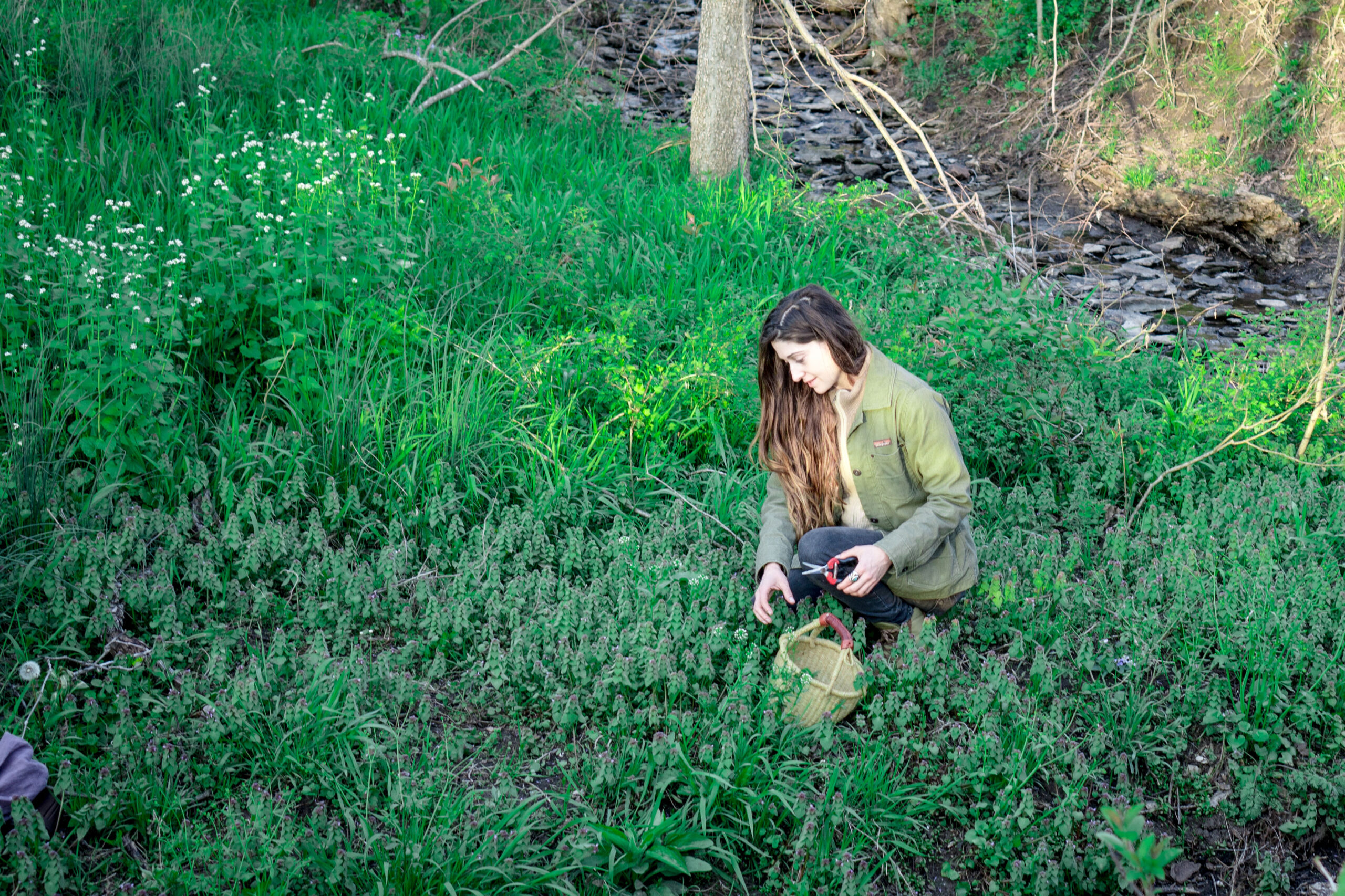
Ticks rely on distinct behaviors to locate a host, primarily categorized as either "questing" or active hunting.
- Questing: Many common disease-carrying species climb up blades of grass, low shrubs, or fallen branches. Extending their front legs in a specialized sensory posture known as Haller’s organ, they wait patiently for a passing host—human or animal—to brush against them, allowing them to latch on instantly.
- Hunting: Other species actively track hosts by sensing carbon dioxide, body heat, and environmental vibrations.
Once secured on a host, a tick crawls to find a suitable, often hidden or warm feeding location (such as the scalp, armpits, behind the knees, or the waistline). They anchor themselves using specialized mouthparts and secrete a complex cement-like substance.
Crucially, tick saliva contains specialized pharmacological compounds designed to ensure an uninterrupted meal. These compounds numb the local feeding site to evade host detection, while simultaneously suppressing the local immune and inflammatory responses. If the tick is carrying bacteria, viruses, or parasites, these pathogens are quietly transferred into the host’s bloodstream via the saliva during the feeding process.
Chronology of a Tick Bite: What to Do From Minute One to Recovery
Finding a tick attached to your skin can induce immediate panic, but a methodical, calm response is your best defense against long-term illness. Experts emphasize a strict chronological protocol to minimize risk and document exposure effectively.

Step #1: Prompt and Precise Removal
If you discover an embedded tick, the cardinal rule is to remain calm and act quickly. Research shows that early removal significantly reduces the risk of pathogen transmission.
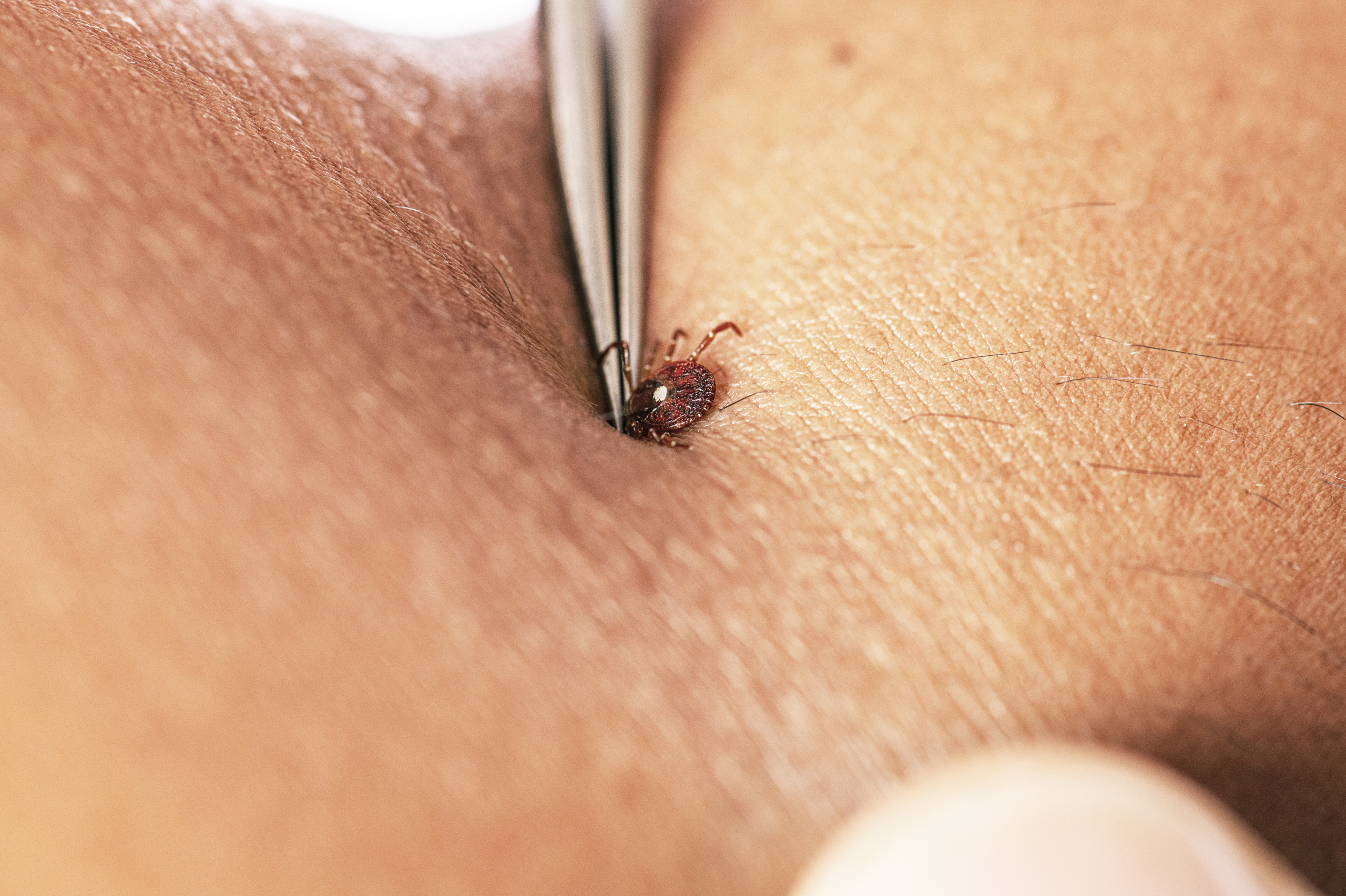
- The Technique: Use clean, fine-tipped tweezers or a specialized commercial tick-removal tool. Avoid common folk remedies such as burning the tick with a match, applying petroleum jelly, or painting it with nail polish, as these methods can cause the tick to regurgitate its stomach contents directly into the wound, increasing infection risks.
- The Execution: Grasp the tick as close to the skin’s surface as possible. Pull upward with a steady, even pressure, avoiding twisting or jerking, which can cause the mouthparts to break off and remain embedded in the skin. If mouthparts do break off, clean the area and allow the body to expel them naturally, or consult a healthcare provider if inflammation develops.
Step #2: Thoroughly Clean the Bite Site
Treat the bite area like any other minor wound. Wash the site thoroughly with warm water and soap. To add an extra layer of antimicrobial protection, you can apply an over-the-counter antiseptic or use a traditional herbal protocol—such as applying a cotton ball saturated with a tincture of andrographis (Andrographis paniculata) aerial parts. Cover the area with a clean bandage, and change it every few hours over the next few days to keep the site clean and easily accessible for monitoring.
Step #3: Maintain a Detailed Incident Record
Documentation is a powerful tool for post-exposure management. Create a written or digital record noting:
- The exact calendar date and time of discovery.
- The geographic location where you suspect the bite occurred (e.g., a specific hiking trail, backyard, or park).
- The precise anatomical location of the bite on your body.
- A photograph of the tick, or preservation of the tick itself in a sealed plastic bag if you plan to send it to a laboratory for pathogen testing.
Having these details on hand provides invaluable context for healthcare practitioners should systemic symptoms emerge weeks later.
Step #4: Nourish and Calm Your Nervous System
The psychological toll of a tick bite—often rooted in the widespread cultural fear of chronic Lyme disease—can trigger a severe stress response. It is vital to remember that not all ticks are infected, and a bite does not automatically guarantee disease transmission.
To manage acute anxiety, herbalists recommend nervine herbs that soothe the central nervous system. Plants such as blue vervain (Verbena hastata) aerial parts or lemon balm (Melissa officinalis) aerial parts can be utilized as teas or tinctures to foster a sense of calm and ground the nervous system. (In-depth plant monographs for these and over 200 other botanicals can be explored through educational digital repositories like The Herbarium).
Step #5: Vigilant Symptom Monitoring
Once the tick is removed, your immune system is no longer suppressed by the tick’s saliva, allowing it to mount a natural response. Over the subsequent days and weeks, you must monitor your body for a broad spectrum of post-bite symptoms. While the classic "bullseye" rash (erythema migrans) is a well-known indicator of Lyme disease, tick-borne illnesses can present in diverse ways, impacting the gastrointestinal, respiratory, cardiovascular, and neurological systems.
Comprehensive educational programs, such as the Holistic Approach for Tick-Borne Diseases Course, delve deeply into recognizing these nuanced symptoms, understanding when to pursue conventional medical interventions (such as prophylactic antibiotics), and discovering how herbal protocols can support recovery.

Supporting Data: The Expanding Public Health Footprint
Statistical data from public health surveillance underscores the urgency of tick education:
- Geographic Expansion: According to CDC mapping studies, the geographic range of the blacklegged tick has expanded by more than 30% across the United States since the late 1990s. Today, counties considered high-risk for Lyme disease have nearly doubled in the Northeast and Upper Midwest, while populations are growing in parts of the Mid-Atlantic and Western states.
- Case Numbers: The CDC estimates that approximately 476,000 Americans are diagnosed and treated for Lyme disease alone each year, though true infection rates are believed to be higher due to underreporting and misdiagnoses.
- Co-Infections: Ticks are increasingly found to carry multiple pathogens simultaneously. A single tick bite can potentially transmit Lyme disease along with anaplasmosis or babesiosis, complicating clinical diagnoses and emphasizing the need for comprehensive post-bite observation.
Official Responses and Integrative Healthcare Perspectives
Public health organizations, medical doctors, and herbalists are increasingly converging on the necessity of proactive education and multi-disciplinary care.
Conventional Medical Stance
Mainstream medicine relies heavily on standard two-tier serology testing for antibodies against tick-borne pathogens and aggressive antibiotic courses (such as doxycycline) administered immediately following high-risk bites. While these interventions are critical for acute-stage management, conventional practitioners frequently acknowledge the limitations of standard testing during early infection phases, as antibodies can take weeks to develop.
The Integrative and Holistic Response
Holistic educators and integrative health practitioners advocate for a broader framework that complements conventional medicine. This perspective emphasizes terrain theory—strengthening the host’s overall immune resilience, supporting gut health, lowering systemic inflammation, and utilizing adaptogenic and antimicrobial herbs to support the body’s recovery.

By combining evidence-based Western medicine with traditional herbal knowledge, patients gain a more expansive toolkit for navigating both acute bites and chronic post-treatment Lyme symptoms (PTLDS).
Implications: Empowering Communities Through Education
The reality of endemic tick-borne diseases means that avoidance alone is no longer an absolute guarantee of safety. As humans continue to share ecosystems with ticks, education is the most effective line of defense.
Resources designed to bridge the gap between fear and empowerment—such as the free 1.5-hour YouTube session After the Bite: What You Need to Know About Tick-Borne Diseases, led by Herbal Academy Assistant Director and Lead Herbalist Educator Lindsey Feldpausch, RH(AHG)—provide crucial foundational knowledge. For those seeking an even deeper dive, structured online curricula like the Holistic Approach for Tick-Borne Diseases Course offer collaborative, self-paced learning experiences created by expert botanists and vector-borne illness educators.
Ultimately, shifting the narrative from paralyzing anxiety to informed preparedness allows individuals to reclaim the outdoors. By respecting the risks, mastering proper tick-removal techniques, maintaining meticulous health records, and utilizing both modern medicine and supportive herbal protocols, communities can face the rising tide of tick-borne illnesses with confidence and resilience.