BOSTON, MA — In an era marked by a monumental resurgence in holistic health and natural remedies, the modern botanical movement faces a paradox of choice. Walk down the aisle of any health food store—or scroll through wellness content online—and you will find hundreds of herbs marketed for everything from stress relief to immune support. Yet, beneath this blossoming enthusiasm lies a quiet challenge: navigating the overwhelming array of plant properties, preparation methods, and potential safety considerations.
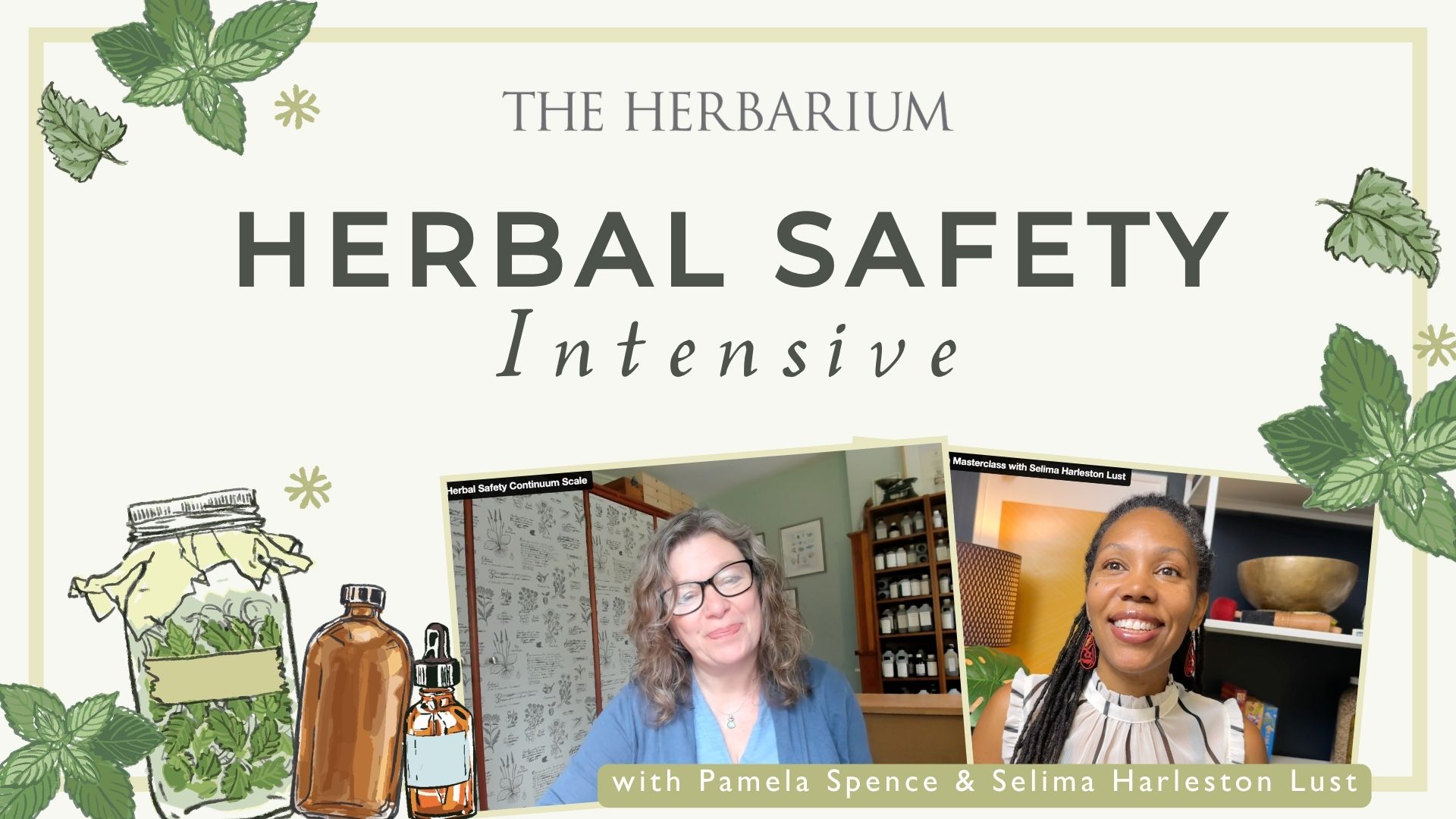
Recognizing that botanical literacy must go hand in hand with botanical enthusiasm, the Herbal Academy has officially launched its comprehensive Herbal Safety Intensive. Spearheaded by renowned clinical herbalists and educators Pamela Spence, MNIMH, and Selima Harleston Lust, this new educational framework is designed to transition everyday hobbyists, students, and clinical practitioners from a place of uncertainty to one of grounded confidence.
At the heart of the initiative is a novel diagnostic tool known as the Herbal Safety Continuum Scale, a system engineered to demystify plant potency, refine dosing methodologies, and establish rigorous standards for sourcing trustworthy herbal information.
Main Facts: Empowering Practice Through Structure
The Herbal Safety Intensive is built on the foundational philosophy that true confidence in herbalism stems from deep, structured understanding. Because plants are bioactive chemical laboratories engineered by nature, treating them casually can lead to ineffective results or unintended side effects.
To combat this, the curriculum introduces the Herbal Safety Continuum Scale, a 1-to-5 ranking system that categorizes plants based on their physiological potency and gentleness:
Levels 1 and 2: Comprise gentle, highly nourishing, and generally safe herbs that can be used freely by beginners for long-term support.
Levels 3 through 5: Feature progressively more potent plants that require specialized knowledge, careful preparation, strict dosage constraints, and advanced clinical experience to use safely.
Alongside this scale, the intensive tackles the complexities of herbal preparation and dosing, teaching students how the extraction method (teas, tinctures, capsules, decoctions) alters strength. It also provides vital guidance on sensitive populations—such as children, pregnant individuals, and older adults—while addressing critical herb-drug interactions for patients taking conventional pharmaceuticals. Finally, the program addresses the information age itself, training students to evaluate sources and separate evidence-based herbal lore from internet misinformation.
Chronology: The Evolution of Botanical Education
The journey toward the Herbal Safety Intensive reflects a broader evolution within the modern herbalism community over the past several decades.
The Grassroots Revival (Late 20th Century): As modern herbalism re-emerged in the countercultural and holistic wellness waves of the 1970s and 80s, information was largely passed down through oral traditions, folklore, and small-scale community circles. While rich in cultural heritage, this era occasionally lacked standardized safety metrics.
The Academic Shift (2010s): With the founding of institutions like the Herbal Academy, herbal education underwent a professionalization phase. Educators recognized that as botanicals became mainstream—often integrated alongside conventional medicine—a standardized, evidence-backed educational framework was urgently needed.
The Rise of Digital Portals: The launch of The Herbarium, the Herbal Academy’s expansive digital library, transformed how students accessed botanical monographs. Over the years, it expanded from a searchable database into a hub for deep-dive educational programming.
The Present Day (2026): The formal introduction of the Herbal Safety Intensive marks a milestone in this timeline. By synthesizing decades of clinical observation into digestible, structured modules, the Academy is setting a new benchmark for accessible, safety-first botanical education.
Supporting Data: The Growing Need for Botanical Literacy
While natural remedies are often perceived as inherently safe simply because they are "natural," statistical realities paint a more nuanced picture of botanical use in modern healthcare.
Market Expansion: The global herbal supplements and remedies market has expanded exponentially over the last decade, with millions of households incorporating daily adaptogens, immune tonics, and herbal teas into their routines.
The Polypharmacy Challenge: According to clinical studies on herbal supplement usage, a significant percentage of adults combining prescription medications with botanical products do not disclose their herb use to their primary care physicians. This creates a hidden risk for adverse herb-drug interactions, particularly with botanicals that affect blood clotting, liver enzymes, or central nervous system depression.
The Information Dilemma: Surveys of wellness consumers indicate that over 60% of individuals rely primarily on social media influencers and unverified blogs for information regarding herbal dosages and health indications. The Herbal Safety Intensive directly addresses this data gap by training practitioners in digital source criticism and clinical discernment.
Official Perspectives: Meet the Educators
The curriculum of the Herbal Safety Intensive is anchored by two pillars of modern clinical herbalism: Pamela Spence, MNIMH, and Selima Harleston Lust.
"The first step in becoming a confident herbalist is to have an in-depth understanding of the herbs you are working with," explains Pamela Spence, MNIMH, Lead Herbalist Educator at the Herbal Academy. "Initially, this can feel deeply overwhelming because there are thousands of plants, multiple ways to extract and use each one, and a shifting range of safety considerations. Our goal with the Herbal Safety Continuum Scale is to give practitioners a clear, reliable compass so they can move forward without hesitation, knowing they are operating within safe, effective therapeutic windows."
Complementing Spence’s clinical focus on formulation and physiology, Selima Harleston Lust emphasizes the critical nature of information literacy in contemporary herbal practice.
"Trusted herbal information is just as important as your physical foundational tools," notes Lust. "As researchers, students, and practitioners, we must develop strong discernment. Anyone can publish a claim about a plant online; our job is to trace those uses back to reputable, experience-backed sources so that we can practice safely and ethically."
Implications: What This Means for the Future of Herbalism
The launch of the Herbal Safety Intensive carries profound implications for multiple segments of the wellness landscape, reshaping how everyday consumers, clinical herbalists, and integrative healthcare providers interact.
1. Elevating Standards for Hobbyists and Home Herbalists
For the everyday consumer or "kitchen herbalist," the fear of doing harm often dampens the joy of working with plants. By categorizing herbs into a clear, intuitive scale, the intensive empowers individuals to take charge of their family’s wellness using gentle Level 1 and 2 herbs (such as chamomile, peppermint, and oat straw) while intuitively recognizing when a plant requires professional oversight.
2. Bridging the Gap Between Conventional and Integrative Medicine
As integrative medicine gains traction in hospitals and clinics, doctors and pharmacists are increasingly asked about botanical protocols. A standardized safety framework—complete with clear guidelines on contraindications and sensitive populations—makes it easier for clinical herbalists to communicate effectively with conventional medical practitioners, fostering a collaborative healthcare environment centered on patient safety.
3. Combatting Misinformation in the Digital Age
In an online ecosystem flooded with viral wellness trends and exaggerated health claims, structured training in source evaluation is revolutionary. By teaching students how to spot red flags, vet historical texts, and cross-reference modern pharmacological data, the Herbal Academy is cultivating a generation of critical thinkers who can protect the integrity of herbalism as both an art and a science.
Accessing the Program: Inside The Herbarium
The Herbal Safety Intensive is housed within The Herbarium, the Herbal Academy’s comprehensive digital portal. Structured into five distinct, deeply informative sessions, the curriculum covers:
Session 1: The Herbal Safety Continuum Scale (navigating potency, longevity of use, and everyday choices).
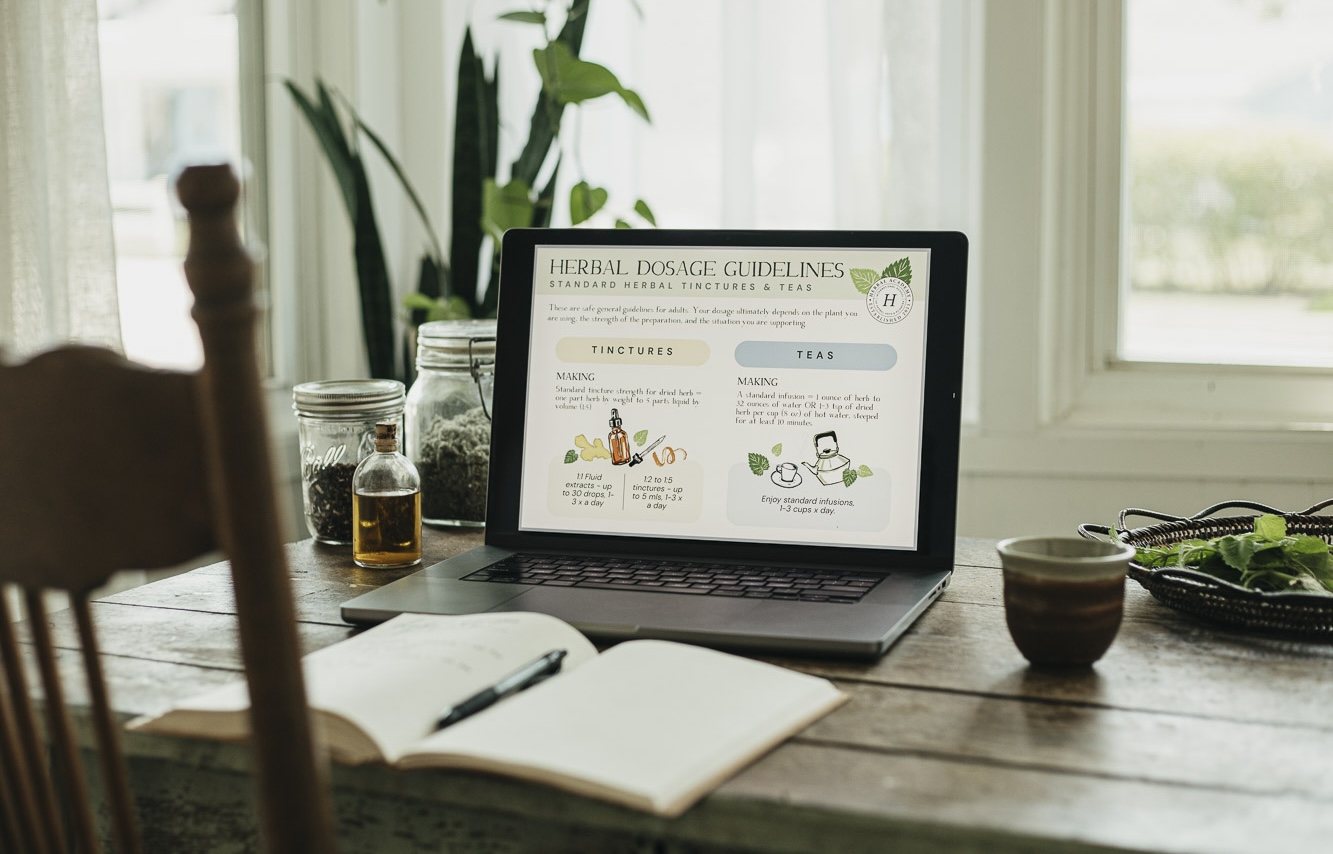
Session 2: Determining Herbal Dosage (calculating strength based on preparation methods).
Session 3: Dosing Acute-Use Herbs (safely applying short-term botanicals during active illness).
Session 4: Sensitive Populations & Herb-Drug Interactions (tailoring use for children, pregnancy, older adults, and pharmaceutical users).
Session 5: Finding Safe Herbal Information (evaluating sources, spotting red flags, and curating a reliable botanical library).
The intensive joins a robust suite of specialized masterclasses and intensives within The Herbarium—covering topics from botanical nootropics and maker’s DIY projects to regenerative herbalism and holistic support through life’s transitions.
For those looking to deepen their botanical journey with professional guidance, quarterly and annual memberships to The Herbarium unlock immediate access to the Herbal Safety Intensive alongside over 200 searchable monographs, expert articles, and video resources.