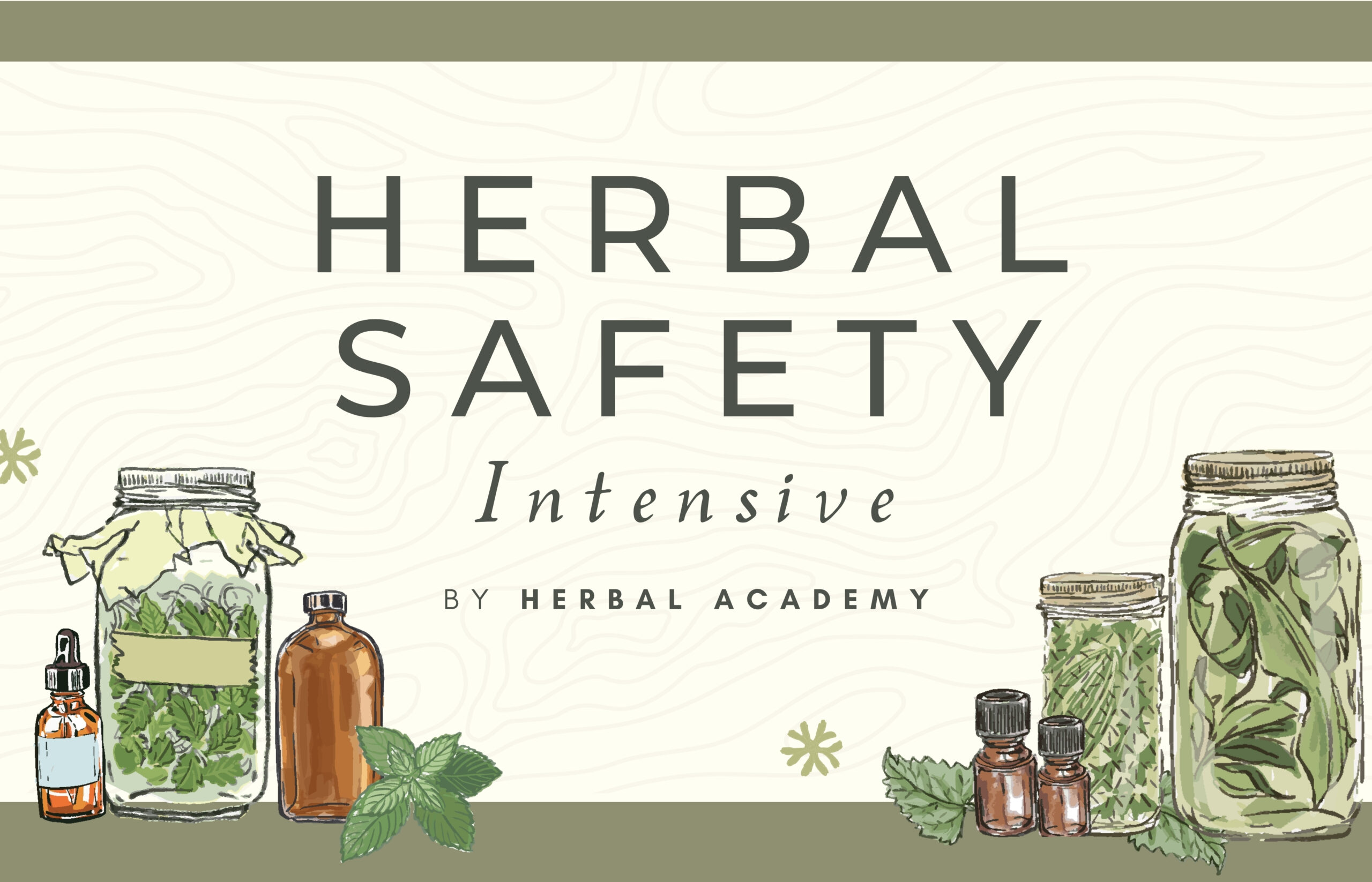
BOSTON, MA — In an era marked by a profound resurgence in holistic health and natural remedies, stepping into the world of botanical medicine can often feel like navigating an uncharted wilderness. With thousands of documented herbs, myriad methods of preparation, and complex physiological interactions to consider, aspiring herbalists frequently face an overwhelming barrier to entry. To bridge the gap between ancient botanical traditions and modern clinical safety standards, the acclaimed Herbal Academy has officially introduced the Herbal Safety Intensive, anchored by a groundbreaking diagnostic tool: the Herbal Safety Continuum Scale.
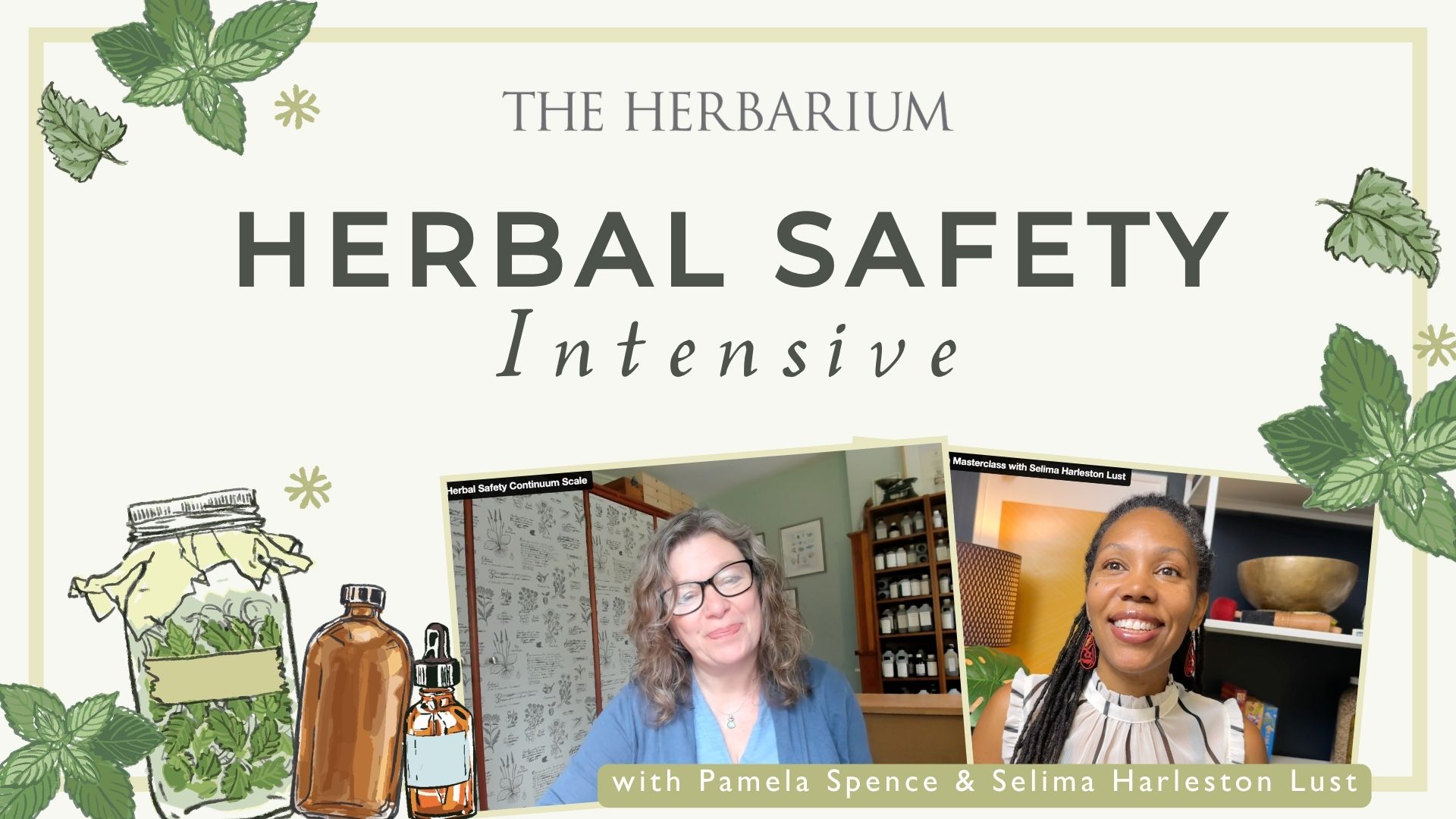
Led by prominent clinical herbalists and educators Pamela Spence, MNIMH, and Selima Harleston Lust, the new multi-session educational curriculum aims to demystify botanical practice. By establishing clear metrics for herb potency, preparation strengths, dosing methodologies, and source evaluation, the program equips both novice practitioners and seasoned clinicians with the foundational tools necessary to practice herbalism safely, effectively, and with unwavering confidence.
Main Facts: Empowering the Modern Herbalist
The core of the Herbal Safety Intensive addresses the fundamental anxieties that face those working with plants: knowing which herbs to use, understanding how much to take, and ensuring the information relied upon is scientifically and traditionally sound.
The Herbal Safety Continuum Scale: Developed by the Herbal Academy’s team of clinical herbalists, this scale categorizes botanicals on a 1-to-5 spectrum. Category 1 represents the gentlest, most nourishing, and safest plants (ideal for beginners and daily use), while Category 5 comprises highly potent herbs that require advanced clinical knowledge and precise dosing.
Rigorous Curriculum Structure: The intensive spans five comprehensive sessions, addressing everything from acute-use formulas and preparation strengths to delicate life stages and herb-drug interactions.
Expert Instruction: The program is taught by leading clinical herbalists Pamela Spence and Selima Harleston Lust, both recognized authorities in medical herbalism.
Accessibility: The intensive is hosted within The Herbarium, the Herbal Academy’s extensive digital library and virtual learning platform, which houses over 200 searchable herbal monographs, masterclasses, and specialized intensives.
Chronology: The Evolution of Botanical Education
The journey toward standardizing herbal safety education has been decades in the making, reflecting the broader evolution of integrative medicine.
Phase 1: The Grassroots Revival (Late 20th Century)
As modern populations began seeking alternatives to conventional pharmaceuticals in the late 1900s, herbalism experienced a massive grassroots revival. However, information was largely decentralized, passed down through oral folklore, or locked away in dense, academic pharmacopoeias. While this era sparked widespread interest, it lacked standardized safety frameworks for laypeople, frequently leading to confusion regarding safe dosages and preparation methods.
Phase 2: The Digital Age and Information Overload (2010s)
With the advent of the internet, herbal information became instantaneously accessible, yet its quality varied wildly. Social media trends and unverified blogs frequently promoted potent botanicals without proper context regarding contraindications, side effects, or safe preparation methods. The need for curated, evidence-based, and professionally vetted digital resources became an urgent priority for the global herbal community.
Phase 3: Institutionalization and the Herbal Safety Intensive (Present)
Recognizing the risks of unstructured herbal exploration, the Herbal Academy sought to synthesize decades of clinical experience into an accessible framework. The culmination of this effort is the Herbal Safety Intensive. By integrating the Herbal Safety Continuum Scale into The Herbarium digital portal, the academy has established a new benchmark for structured, responsible, and empowered herbal education.
Supporting Data: Understanding the Herbal Safety Continuum
At the heart of the newly released curriculum is a systematic approach to botanical classification. Without a baseline understanding of plant potency, practitioners risk under-dosing ineffective remedies or over-dosing potent constituents.
The 1–5 Continuum Scale Breakdown
The Herbal Safety Continuum Scale acts as a visual and practical compass for herbal selection:
Levels 1 & 2 (Gentle & Nourishing): These botanicals are characterized by high safety profiles, gentle actions, and minimal side effects. Often consumed as foods, teas, or gentle infusions (such as nettles, oat straw, or chamomile), they are suitable for long-term use across diverse populations.
Levels 3 & 4 (Moderate Potency): These herbs possess more targeted physiological effects and require a greater understanding of specific indications, contraindications, and standardized dosages.
Level 5 (High Potency / Clinical Grade): Occupying the apex of the scale, these botanicals contain powerful active constituents (such as cardiac glycosides or potent alkaloids) that demand precise, highly calculated dosing, clinical oversight, and advanced training to avoid adverse reactions.
Preparation Strengths and Dosage Calculations
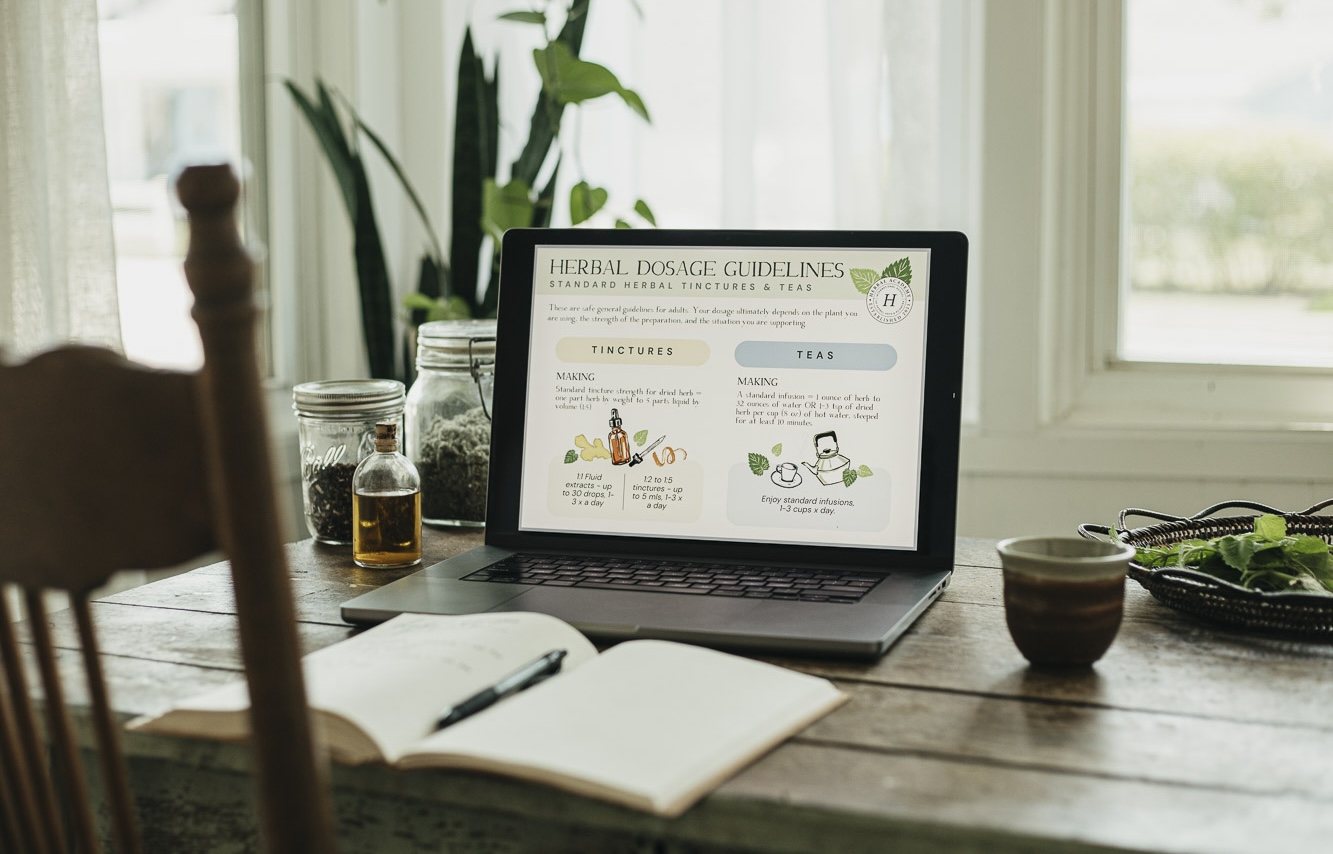
Beyond plant selection, the curriculum emphasizes that the form in which an herb is consumed drastically alters its potency. A watery infusion, a concentrated alcohol-based tincture, and a standardized capsule all deliver active constituents at vastly different rates. Session 2 of the intensive provides students with step-by-step methodologies to calculate dosages based on plant category, extraction ratio, and body weight, eliminating the guesswork from home and clinical preparations.
Official Perspectives: Expert Insights on Safety and Sourcing
Ensuring the safety of botanical medicine requires not only understanding the plant itself, but also critically evaluating the information surrounding it. The curriculum’s creators emphasize that discernment is as vital as the herbs themselves.
"The first step in becoming a confident herbalist is to have an in-depth understanding of the herbs you are working with," explains Pamela Spence, MNIMH, clinical herbalist and Lead Herbalist Educator at the Herbal Academy. "This can feel overwhelming initially, as there are so many herbs, multiple ways to use each one, and a range of safety considerations to keep in mind. Our goal with the Herbal Safety Continuum Scale is to provide a framework that empowers practitioners to move forward safely and decisively."
In tandem with dosage and safety frameworks, the curriculum tackles the critical issue of research integrity. Selima Harleston Lust, fellow clinical herbalist and Lead Herbalist Educator, focuses heavily on how modern students can navigate the vast sea of digital botanical literature.
"Trusted herbal information is just as important as foundational physical tools," notes Lust. "We teach students how to find reputable, experience-backed herbal sources as they research an herb’s characteristics and uses. Developing discernment ensures you can trust what you are learning and apply it effectively in practice."
Implications: A New Era for Clinical and Home Herbalism
The introduction of the Herbal Safety Intensive carries significant implications for the broader wellness landscape. As integrative medicine gains traction within conventional healthcare spaces, the demand for clinically trained, safety-conscious herbalists is at an all-time high.
Bridging the Gap with Conventional Medicine
One of the most critical components of the new curriculum—Session 4—directly addresses sensitive populations (children, pregnant individuals, and older adults) and complex herb-drug interactions. As millions of patients combine botanical supplements with prescription pharmaceuticals, the risk of metabolic interference rises. By providing rigorous education on contraindications and pharmacological cross-talk, the Herbal Academy is helping bridge the historical divide between herbalism and allopathic medicine.
Democratizing Quality Education
By housing the intensive within The Herbarium, the Herbal Academy has made clinical-grade safety frameworks accessible to a global audience. Whether utilized by a clinical practitioner looking to refine their protocols, a budding entrepreneur launching a botanical product line, or a parent seeking natural remedies for their household, the program democratizes specialized knowledge without sacrificing academic rigor.
Looking Ahead
As the wellness industry continues to expand, educational initiatives like the Herbal Safety Intensive signal a maturing market—one that prioritizes safety, transparency, and empirical validation over unverified trends. For those ready to step onto the path of botanical medicine, the message from the Herbal Academy is clear: with the right framework, the plant world transforms from an overwhelming wilderness into an empowering landscape of health and healing.
To explore the Herbal Safety Continuum Scale, watch the full-length instructional videos, and access the complete Herbal Safety Intensive, practitioners and enthusiasts can visit The Herbarium digital portal through the Herbal Academy official website.