





BOSTON, MA — In an era marked by a resurgence of interest in plant-based wellness and natural self-care, the modern herbalism movement faces a unique paradox. While public enthusiasm for botanical remedies has skyrocketed, the sheer volume of available information—often decentralized, contradictory, or lacking clinical backing—can prove paralyzing for both novice hobbyists and clinical practitioners alike.
To bridge this critical knowledge gap, the esteemed Herbal Academy has formally announced the launch of its flagship educational program: the Herbal Safety Intensive. Led by prominent clinical herbalists and educators Pamela Spence, MNIMH, and Selima Harleston Lust, the new multi-session curriculum introduces standardized frameworks, rigorous safety guidelines, and evidence-based sourcing methodologies designed to transform how individuals approach plant medicine.
Hosted digitally within The Herbarium—the Academy’s expansive virtual library—the intensive aims to move the practice of herbalism away from trial-and-error experimentation and toward a disciplined, scientifically grounded, and deeply empowering methodology.
Main Facts: Core Offerings of the Herbal Safety Intensive
At its core, the Herbal Safety Intensive is structured to demystify the complexities of botanical medicine. Rather than treating all herbs with a broad brush, the curriculum establishes clear boundaries regarding potency, preparation, and application.
The program is broken down into five distinct, highly targeted educational sessions:
- The Herbal Safety Continuum Scale: Introduces a progressive ranking system that categorizes herbs by potency, helping users easily identify gentle, nourishing plants versus those requiring advanced clinical knowledge.
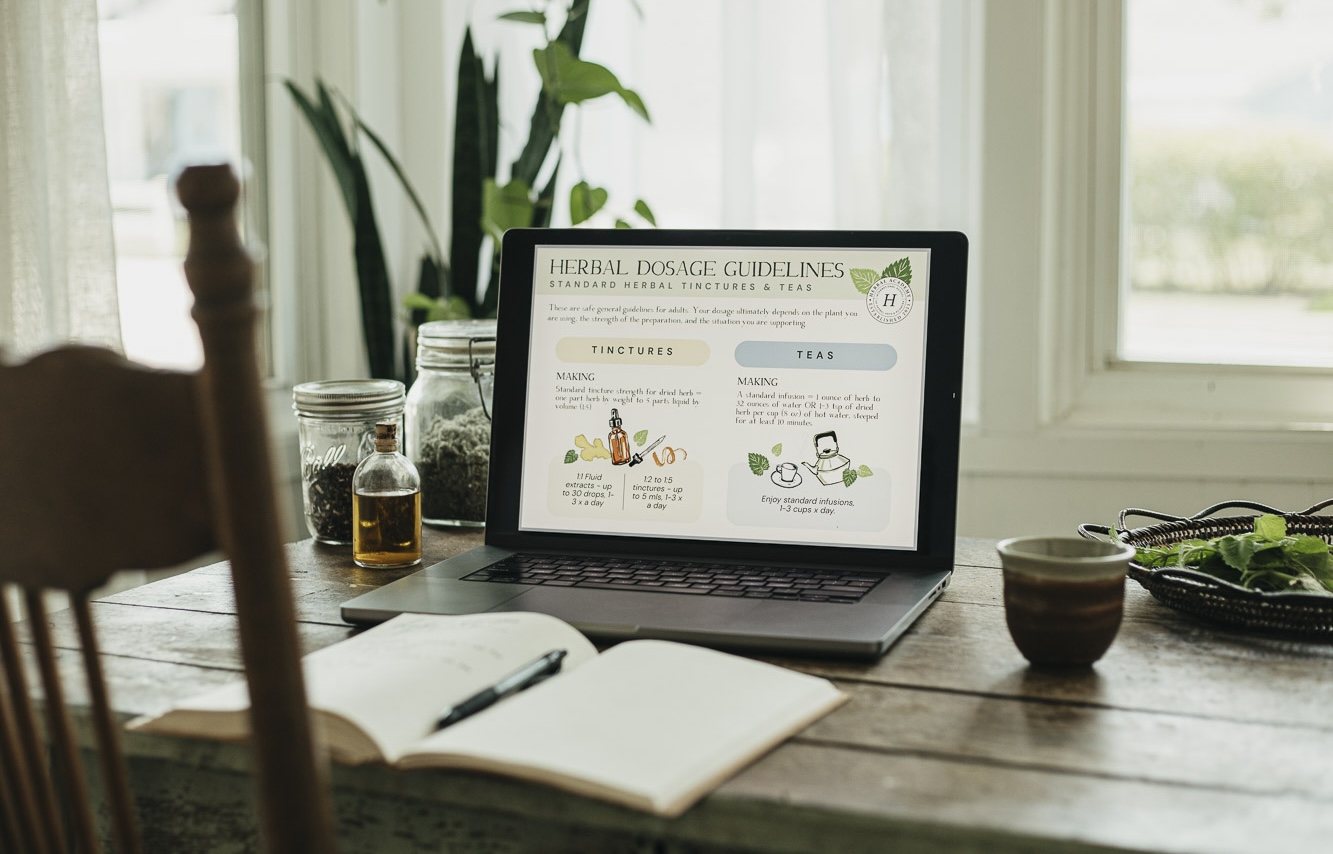
- Determining Herbal Dosage: Provides step-by-step mathematical and practical frameworks for calculating safe dosages based on plant categories and preparation methods (e.g., teas, tinctures, capsules).
- Dosing Acute-Use Herbs: Offers training on how to safely deploy short-term, potent remedies during active seasonal illnesses.
- Sensitive Populations & Herb-Drug Interactions: Examines critical contraindications for vulnerable demographics, including children, pregnant or nursing individuals, the elderly, and patients taking pharmaceutical medications.
- Finding Safe Herbal Information: Equips students with critical media-literacy skills to evaluate modern sources, spot red flags, and rely exclusively on experience-backed, peer-reviewed botanical literature.
Chronology: The Evolution of Botanical Education
The journey toward establishing the Herbal Safety Intensive reflects a broader, decades-long evolution within the modern herbalism community as it seeks professionalization and public safety.
- The Pre-Digital Era (Late 20th Century): For generations, herbal knowledge was passed down primarily through oral traditions, regional folklore, or hard-to-find self-published field guides. While rich in cultural heritage, this era lacked universal safety standards or cross-referenced data on herb-drug interactions.
- The Digital Boom (2010s): The advent of the internet democratized access to wellness information, but it also flooded public forums with unverified claims, potentially dangerous home-remedy recipes, and a lack of standardized dosing instructions.
- Founding of The Herbarium: Recognizing the need for a centralized, trustworthy digital repository, the Herbal Academy developed The Herbarium platform, compiling hundreds of searchable monographs, masterclasses, and expert-led resources.
- Development of the Safety Continuum (Recent Years): Clinical educators Pamela Spence and Selima Harleston Lust began formalizing observation-based clinical data into structured frameworks, leading to the conceptualization of the Herbal Safety Continuum Scale.
- Current Launch: The formal release of the Herbal Safety Intensive integrates these safety protocols into a cohesive, multimedia curriculum designed to set a new benchmark for accessible herbal education worldwide.
Supporting Data: The Landscape of Herbal Use and Safety
As botanical remedies transition from niche alternative therapies to mainstream wellness mainstays, statistical metrics underscore the urgent need for structured educational frameworks:
- Exponential Growth: Market analysts project the global herbal supplements and remedies market to continually expand, driven by consumer demand for preventative, natural healthcare solutions.
- The Polypharmacy Challenge: Clinical data indicates that a significant percentage of adults combining herbal supplements with conventional pharmaceuticals do not inform their primary care physicians, elevating the risk of adverse herb-drug interactions.
- Resource Scale: The Herbarium currently houses over 200 searchable herbal monographs, supplemented by specialized intensives addressing topics ranging from botanical nootropics and kitchen medicine to reproductive health and grief support.
- Curriculum Depth: The Herbal Safety Intensive incorporates four detailed instructional video modules spanning five comprehensive study sessions, bridging the gap between theoretical botany and practical clinical safety.
Official Responses and Educator Insights
The development of the Herbal Safety Intensive is rooted in decades of hands-on clinical experience. Instructors Pamela Spence and Selima Harleston Lust emphasize that safety is not meant to stifle the joy of working with plants, but rather to deepen the practitioner’s confidence and efficacy.
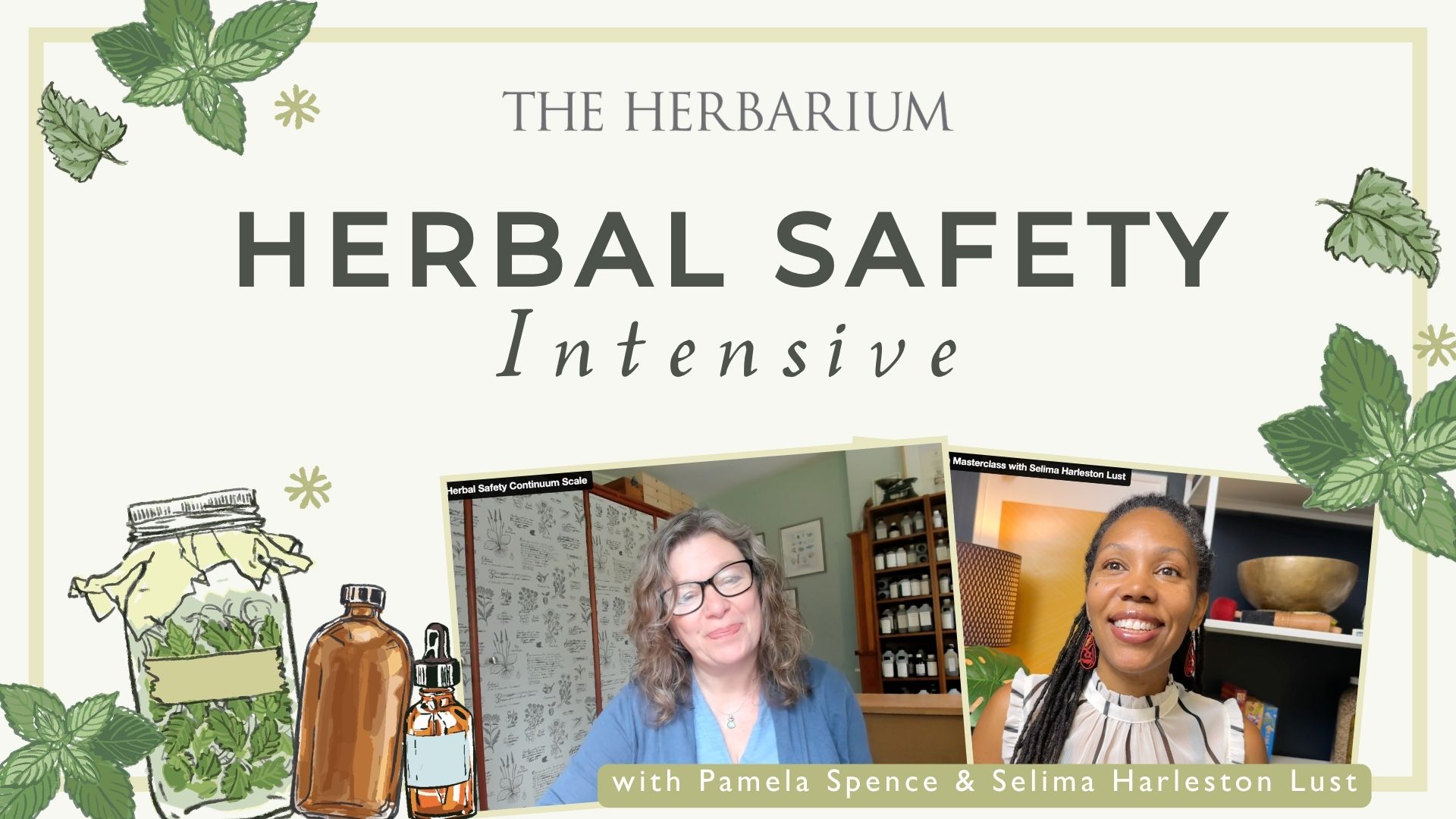
"The first step in becoming a confident herbalist is to cultivate an in-depth, nuanced understanding of the botanical allies you are working with," explains Pamela Spence, MNIMH, Lead Herbalist Educator at the Herbal Academy. "Initially, this can feel overwhelming. There are thousands of herbs, multiple ways to extract and administer each one, and a complex matrix of safety considerations. By introducing the Herbal Safety Continuum Scale, we provide a reliable compass that empowers practitioners to navigate these waters safely."
Co-instructor Selima Harleston Lust highlights the parallel crisis of information literacy in the digital age, noting that access to correct information is just as vital as understanding the plants themselves.
"In our research, we found that students aren’t just looking for recipes—they are desperate for discernment," Harleston Lust states. "We teach our community how to look behind the curtain of modern wellness marketing, identify reputable, experience-backed sources, and build the critical thinking skills necessary to evaluate what they read and apply it responsibly."
Implications: What This Means for the Future of Herbalism
The introduction of standardized safety frameworks like the Herbal Safety Continuum Scale carries profound implications for the future of holistic health, both for individual practitioners and the wider medical community.
Empowering the Home Practitioner
For everyday hobbyists, parents, and kitchen herbalists, the fear of "doing it wrong" often prevents them from exploring the full potential of plant medicine. By categorizing herbs cleanly from Level 1 (gentle, nourishing staples like chamomile or oatstraw suitable for daily family use) up to Level 5 (potent herbs requiring specialized clinical oversight), the framework removes the guesswork. Home users can immediately identify safe boundaries, fostering a culture of empowered, self-reliant wellness.
Bridging Integrative and Conventional Medicine
One of the most significant hurdles in modern healthcare is the communication barrier between conventional physicians and holistic practitioners. By prioritizing education on sensitive populations and pharmaceutical interactions, programs like the Herbal Safety Intensive train herbalists to speak the language of clinical safety. This encourages transparent dialogues between patients and doctors, ultimately reducing negative outcomes and paving the way for safer, truly integrative healthcare models.
Elevating Industry Standards
As the wellness industry faces increased scrutiny regarding product quality, sourcing transparency, and consumer safety, educational institutions are stepping up as regulatory watchdogs. By teaching students rigorous sourcing evaluation and information literacy, the Herbal Academy is actively raising the bar for the entire botanical sector.
Conclusion and Access Information
The Herbal Safety Intensive is now officially live and accessible to members through The Herbarium digital portal. Joining a robust catalog of specialized courses—including the Maker’s Summer Herbs DIY Intensive, the Regenerative Herbalism Intensive, and the Seasonal Rhythms Meditations—this new program marks a defining moment for structured botanical education.
For those eager to deepen their herbal practice, understand precise dosing protocols, and ensure the safety of their families and clients, quarterly and annual memberships to The Herbarium unlock immediate, full-length access to the intensive’s video modules, reading materials, and resource library.
To learn more about the Herbal Safety Intensive or to sign up for membership, visit the official Herbarium Portal.