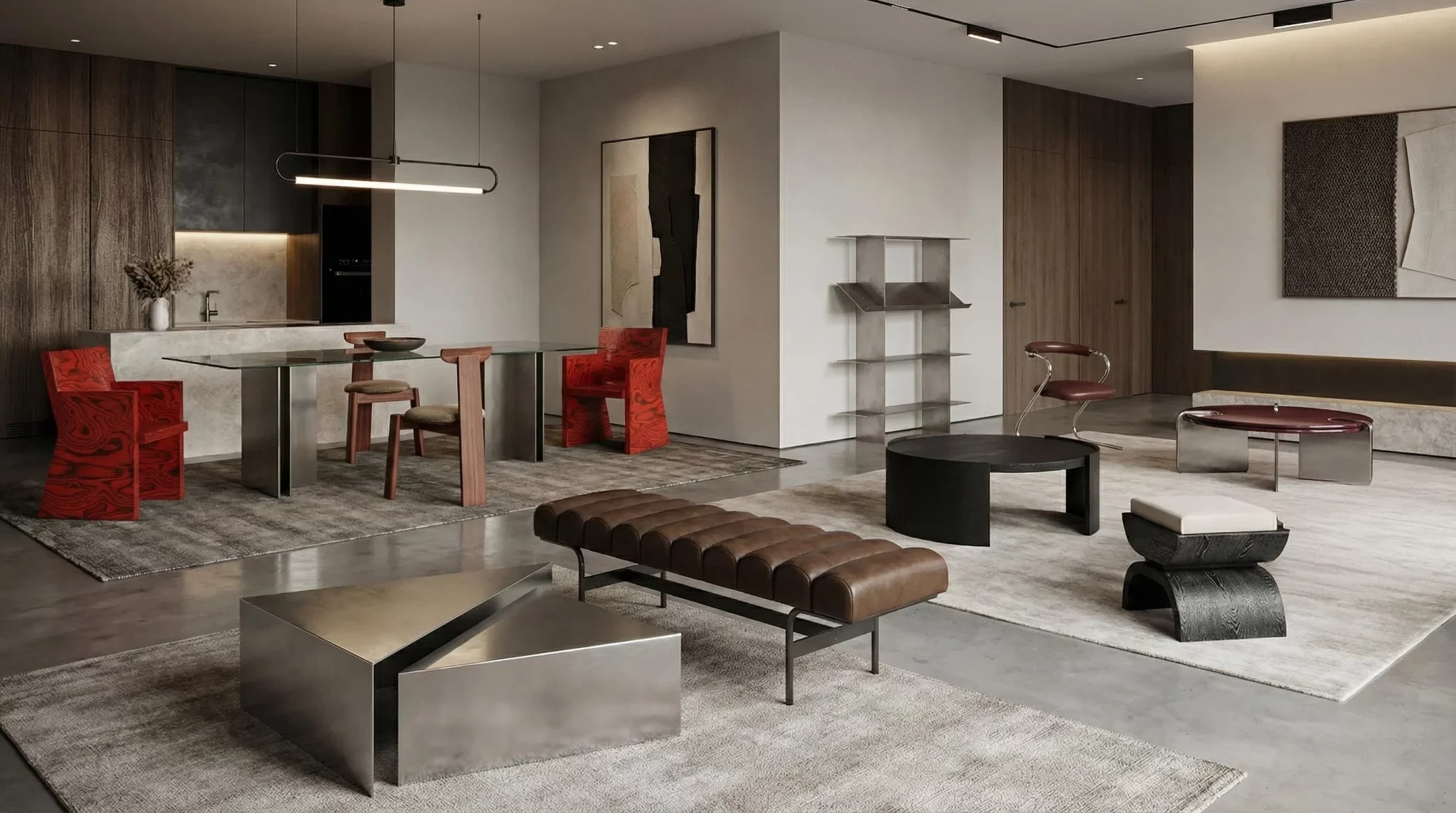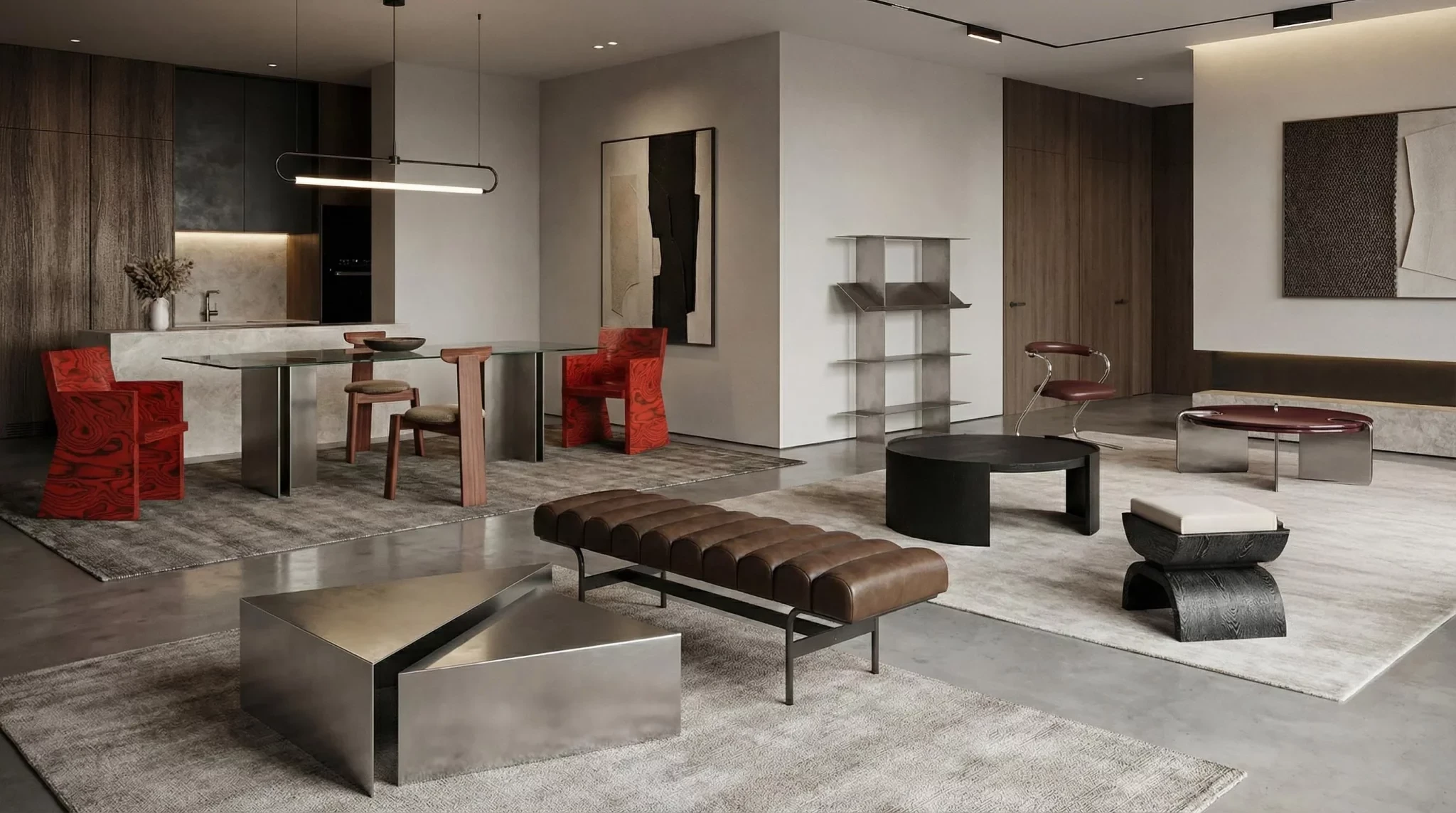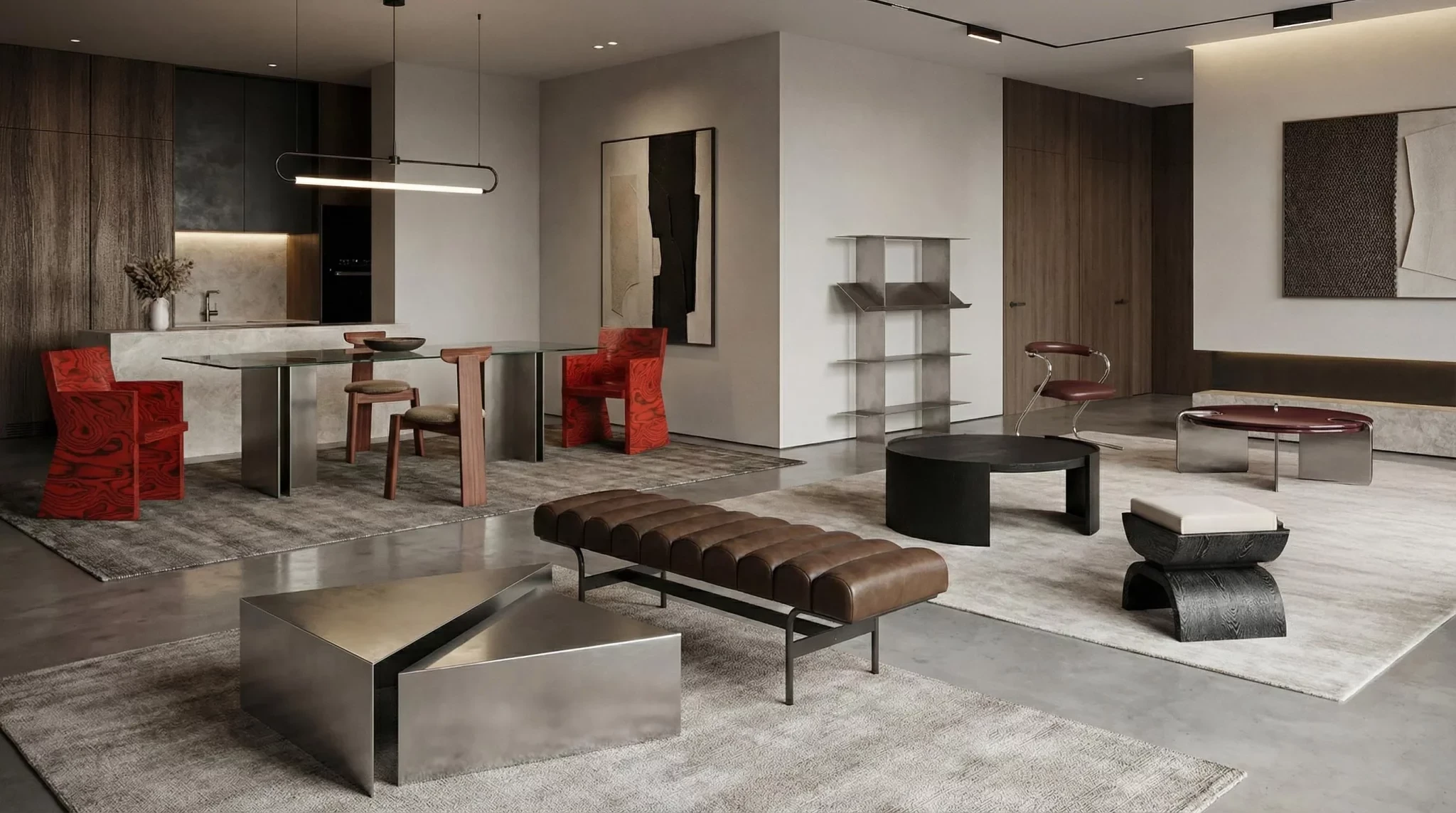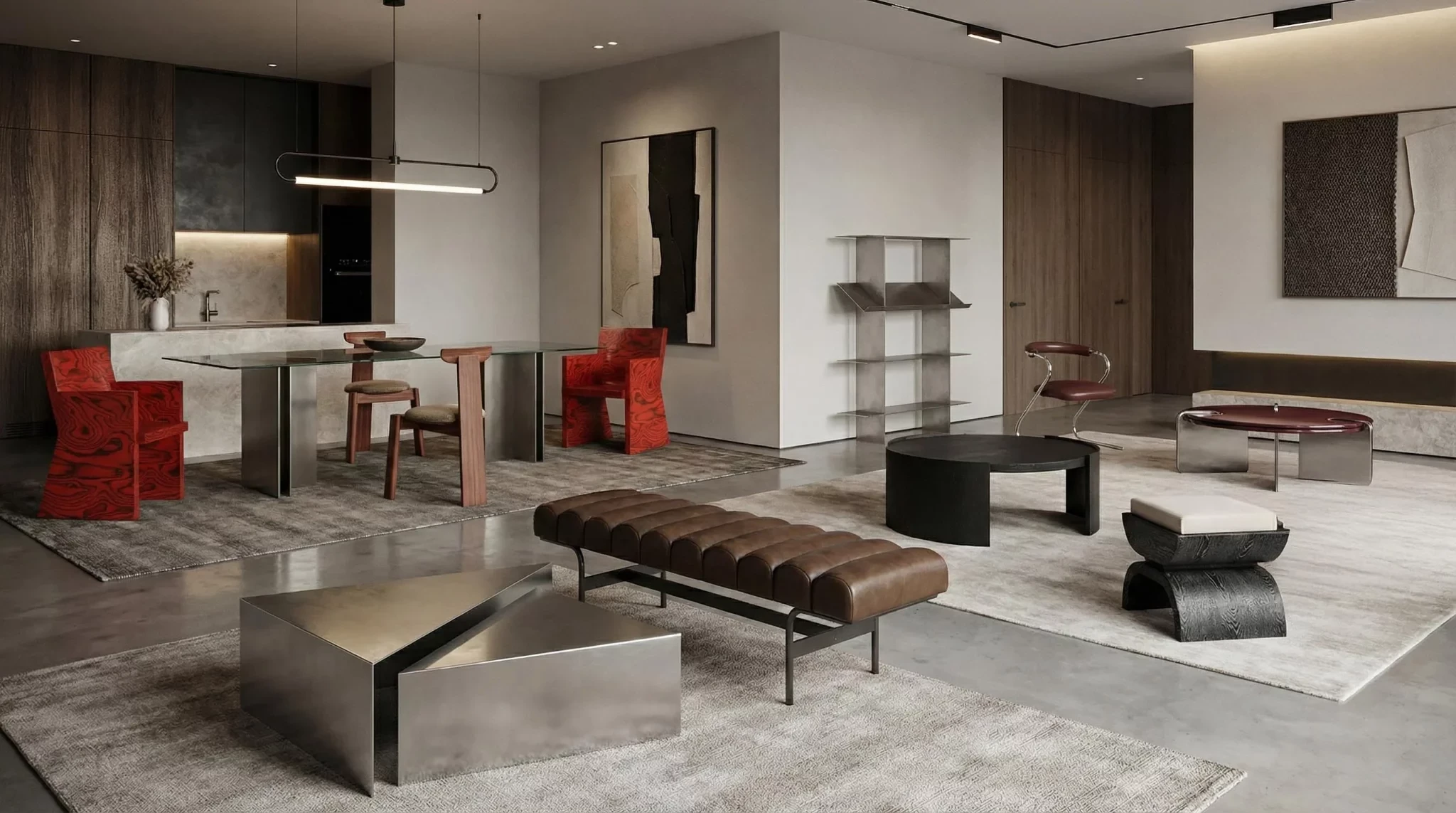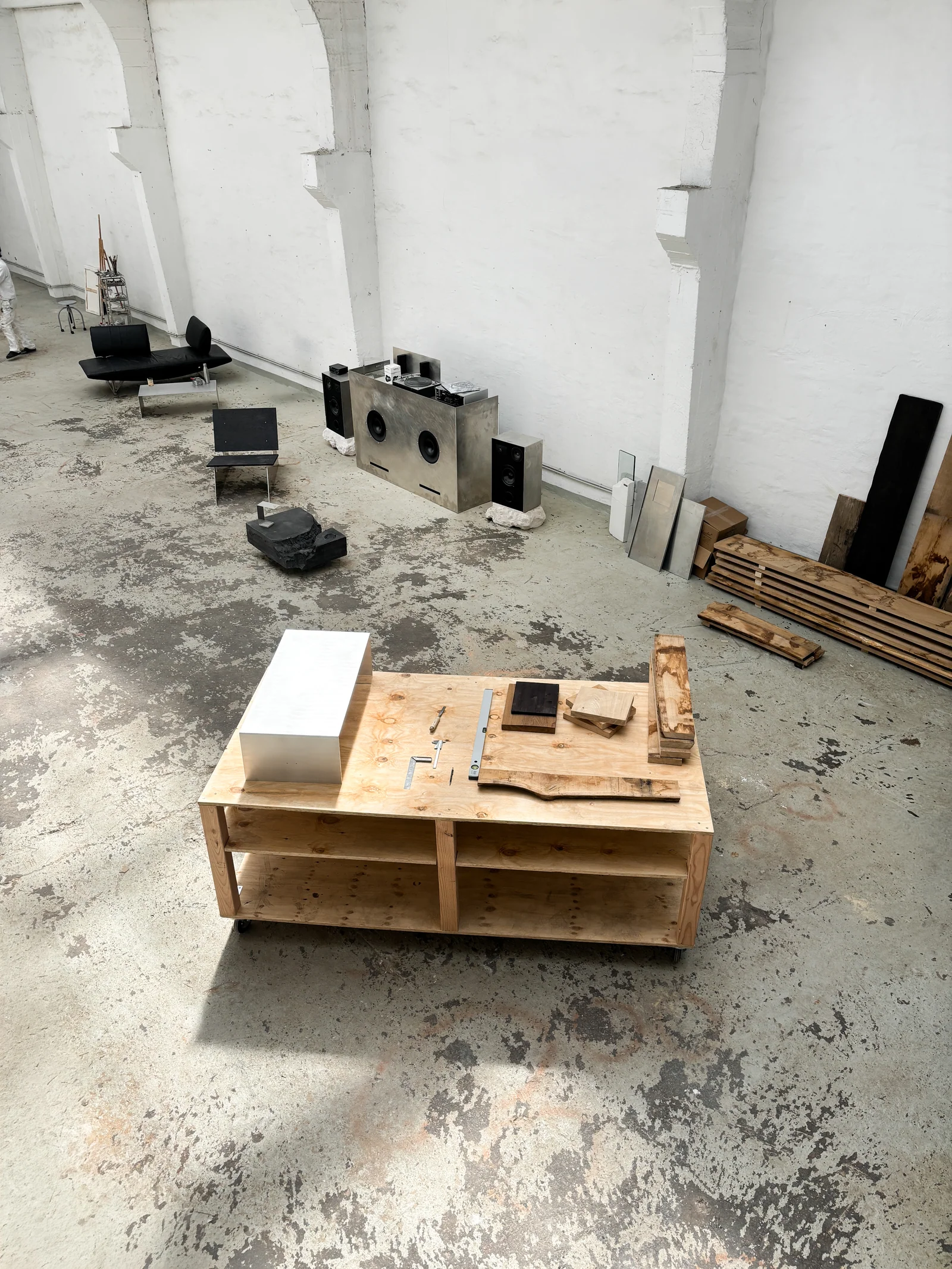
DÜSSELDORF — In an era dominated by rapid industrial scaling, digital rendering, and fleeting aesthetic trends, a quiet counter-revolution is taking place inside a workshop in Düsseldorf, Germany. Founded by an interdisciplinary collective of visual artists and master craftspeople, Case Studios has emerged as a formidable voice in contemporary product design, interior architecture, and artistic installations.
Yet, to categorize Case Studios by a singular "style" is to fundamentally misunderstand its core objective. The studio’s foundational ethos is not stylistic, but disciplinary. It operates on a singular, uncompromising premise: that raw materials possess their own inherent logic, and the designer’s primary duty is to comprehend that logic, honor its boundaries, and gracefully step aside.
Main Facts: The Philosophy of Elemental Logic
At Case Studios, the traditional design process is inverted. Furniture and spatial installations are not born from a preconceived geometric silhouette waiting to be filled with a convenient medium. Instead, the material leads the conversation entirely.
Whether working with raw concrete, hand-polished aluminum, or charred timber, the studio begins by interrogating the substance:
- Structural Properties: What forces can it withstand under compression or tension?
- Cellular Structure: How does it react to touch, moisture, and time?
- Historical Context: What cultural and industrial lineages does the material carry?
- Inherent Limitations: Where does the material naturally fail, and how can that failure be transformed into a structural advantage?
The resultant pieces—ranging from monolithic tables to architectural partitions—feel entirely inevitable. They carry the distinct weight of objects that could not possibly have been rendered in any other medium, nor shaped by any other method. There is no superficial decoration, no extraneous trim, and no surface finish that does not simultaneously serve a structural purpose.

As the studio’s manifesto notes: “The deliberate use, selection, and refinement of unique and durable materials create objects that both reshape and highlight the original properties of each material.”
This uncompromising philosophy separates Case Studios from contemporary makers who utilize compelling textures merely as surface finishes. For Case Studios, the material is the idea; everything else is merely execution.
Chronology: From Interdisciplinary Roots to Modern Mastery
The trajectory of Case Studios reflects a steady, deliberate evolution from theoretical spatial concepts to physical fabrication excellence.
-
Phase I: The Conceptual Genesis (Pre-Founding Years)
The core founders—operating individually across the realms of fine art, sculpture, and traditional carpentry—grew increasingly disillusioned with the disposable nature of mass-market furniture. They shared a mutual fascination with the intersection of industrial manufacturing techniques and age-old artisanal craft. -
Phase II: Establishment of the Düsseldorf Atelier
The collective formally established its headquarters in Düsseldorf, choosing a city renowned for its industrial design history and vibrant contemporary art scene. Rather than separating the design office from the workshop, they integrated both spaces. This allowed designers to work alongside fabricators, ensuring that theoretical concepts were immediately tested against the physical reality of the workshop floor.
-
Phase III: Expansion into Multi-Disciplinary Practice
Case Studios officially expanded its operational scope beyond standalone furniture pieces to encompass full-scale interior architecture and site-specific artistic installations. This phase solidified their reputation for creating holistic spatial environments where architecture and objects speak the exact same material language. -
Phase IV: The Exclusive Line and Global Recognition
With the launch of their curated exclusive furniture collections—most notably pieces featuring the ancient Japanese wood-charring technique Yakisugi paired with cold-rolled industrial metals—the studio gained international acclaim among architecture critics, high-end interior designers, and collectors seeking authentic, long-lasting design artifacts.
Supporting Data: Anatomy of the Yakisugi Coffee Table
To understand the tangible output of this rigorous philosophy, one need look no further than the studio’s flagship piece: The Yakisugi Burnt Wood Coffee Table.
Measured at 115 × 60 × 30 cm, the table is part of the exclusive Case Studios Line, entirely handcrafted in Germany. Its proportions are intentionally low and wide—designed deliberately to anchor a living space rather than merely fill empty floor space.
Material Breakdown and Specifications
- Primary Medium (Top & Body): Select hardwood treated via the traditional Japanese Yakisugi (Shou Sugi Ban) technique.
- Secondary Medium (Base & Accents): Hand-sanded industrial aluminum.
- Dimensions: 115 cm (Length) × 60 cm (Width) × 30 cm (Height).
- Production Method: Hybrid artisanal burning and precision cold-metal finishing. Each piece is fundamentally unique due to the variable nature of fire-treatment.
The Science of Yakisugi
The integration of Yakisugi is a masterclass in material optimization. Originating centuries ago in Japan, charring timber is an intelligent preservation method. Subjecting the outer layers of the wood to intense fire burns away soft cellulose fibers while leaving behind a dense, highly carbonized cellular structure.

The resulting surface is naturally sealed against moisture, rot, insect infestation, and UV degradation. Visually, the wood turns a deep, light-absorbing black, developing a rich, scaly texture that synthetic paints, stains, or lacquers can never genuinely replicate.
Case Studios elevates this ancient craft by placing it in direct, unapologetic dialogue with an ultra-modern counterpart: hand-sanded aluminum. The juxtaposition of scorching warmth and industrial cold creates a dynamic tension. The metal’s clinical precision frames the organic, unpredictable irregularities of the charred timber, ensuring each material justifies the presence of the other.
Official Responses and Studio Insights
Speaking on the challenges of modern manufacturing and the temptation of fast-furniture trends, the founders of Case Studios emphasize the necessity of patience in design:
"When you let the material dictate the form, you surrender a certain degree of control as a designer. You cannot force aluminum to behave like wood, nor can you force burnt timber to bend to a geometric whim that defies its grain. But in that surrender, you unlock a profound authenticity. The object stops being a human imposition on nature and starts becoming a collaboration."
Furthermore, the studio addresses the reality of sustainable design through durability rather than buzzwords:

"True sustainability is not about using recycled plastics to make temporary items; it is about creating objects that outlive their owners. If a table is built from dense, fire-hardened hardwood and solid architectural metal, and finished in a way that ages gracefully with every scratch and patina, it never needs to be replaced. It becomes part of a building’s permanent history."
Implications: The Future of Material-Led Design
The success and cultural footprint of Case Studios carry significant implications for the broader architecture and interior design industries.
- A Pushback Against Fast Furniture: As consumers grow increasingly fatigued by flat-pack, disposable culture, studios that champion hyper-durable, locally crafted, and transparently sourced materials are setting a new benchmark for luxury and value.
- The Blurring of Craft and Industry: Case Studios proves that traditional handcrafts—such as Japanese wood charring—do not belong in museums as relics of the past. Instead, when paired with modern computational design and precision metalworking, ancient techniques offer vital solutions for contemporary living spaces.
- Redefining Interior Architecture: The studio’s interdisciplinary approach signals a shift away from decorated rooms toward elemental spaces. Interiors are increasingly expected to feel grounded, tactile, and connected to the earth through raw, unmasked surfaces.
As Case Studios continues to expand its footprint from its Düsseldorf atelier to international design capitals, it leaves behind a clear directive for the next generation of makers: listen to the material, respect the process, and let the form reveal itself.
Explore the complete collection and discover future releases by visiting the official Case Studios platform at case-studios.com, or read more curated design insights via Roomhints.