By Roomhints Editorial Staff
Published as part of the Roomhints Designer Spotlight Series
Main Facts: A Legacy Built on Precision and Passion
In the upper echelons of American residential architecture and interior design, few practitioners possess the cross-disciplinary mastery of Jerry Jacobs. Based in Belvedere-Tiburon, California, Jacobs commands a career spanning over forty years, defined by a rare duality: he is both a rigorously trained architect and a visionary interior designer.
His professional credentials place him in an elite class within the design community. Jacobs holds certifications and memberships that many in the industry spend a lifetime striving to attain, including International Associate AIA, ASID (American Society of Interior Designers), and Certified Interior Designer (CID) in the State of California. His leadership within the field is equally distinguished, having previously served as a professor of architecture and as the President of ASID Northern California.
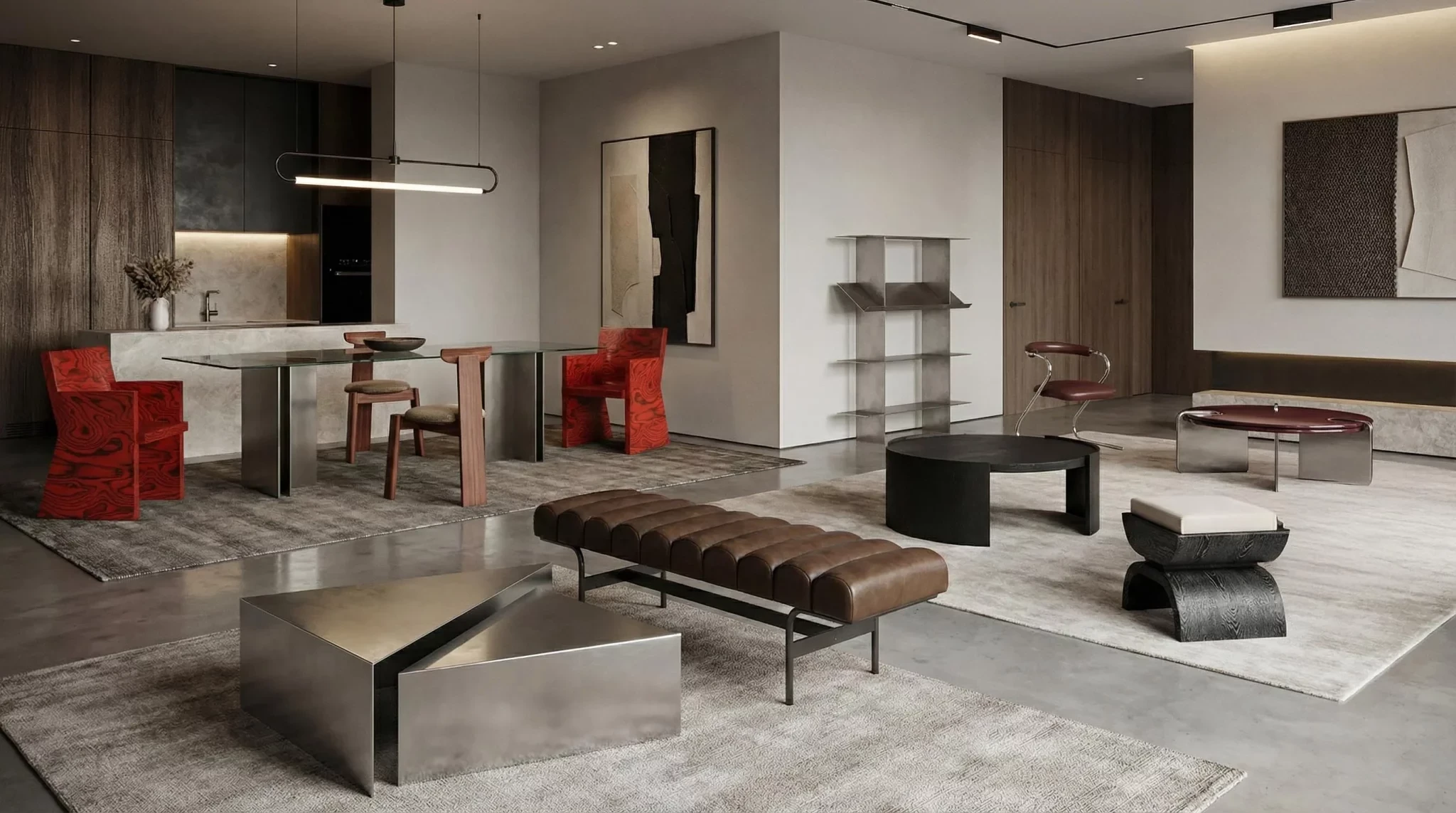
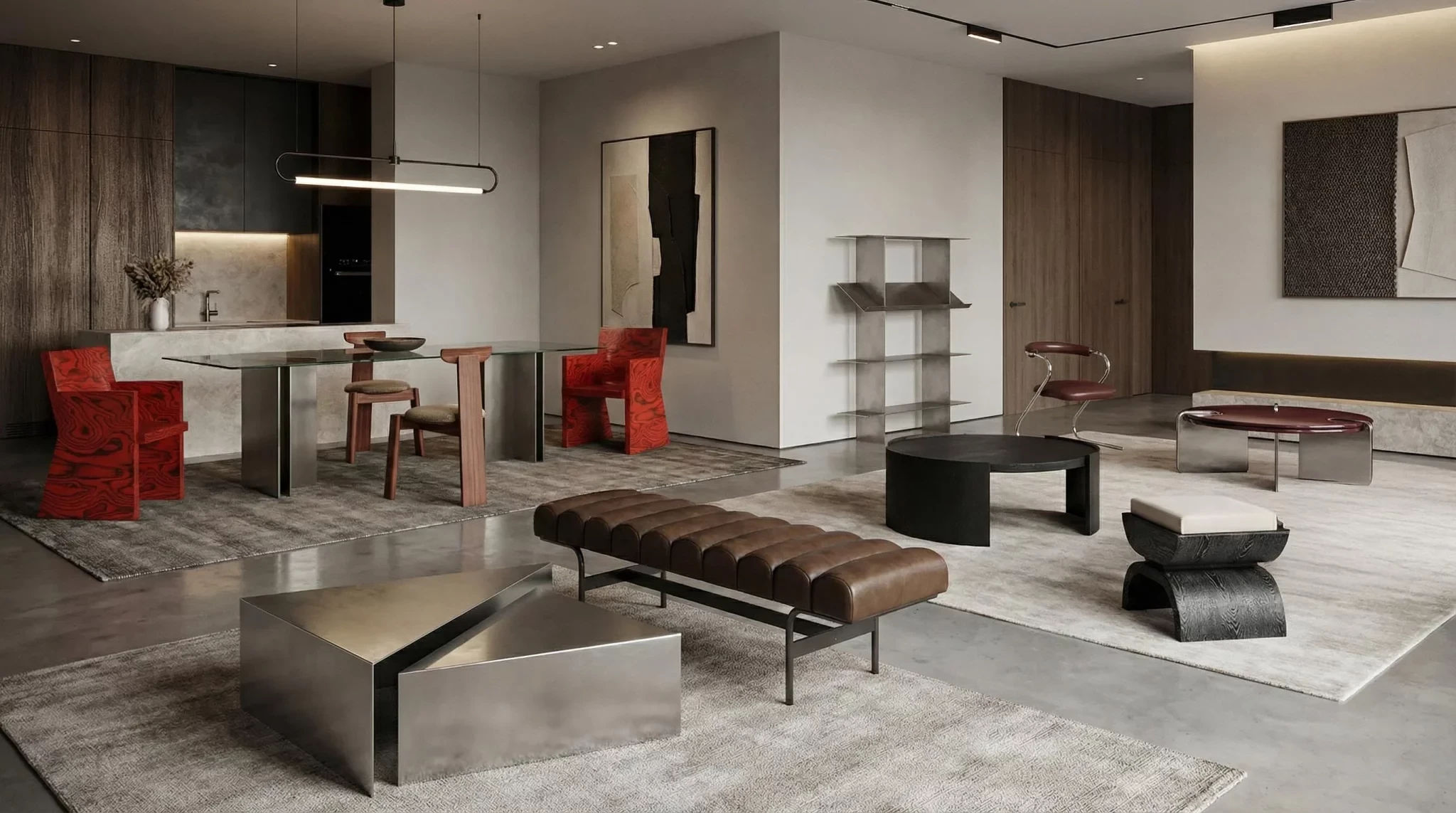
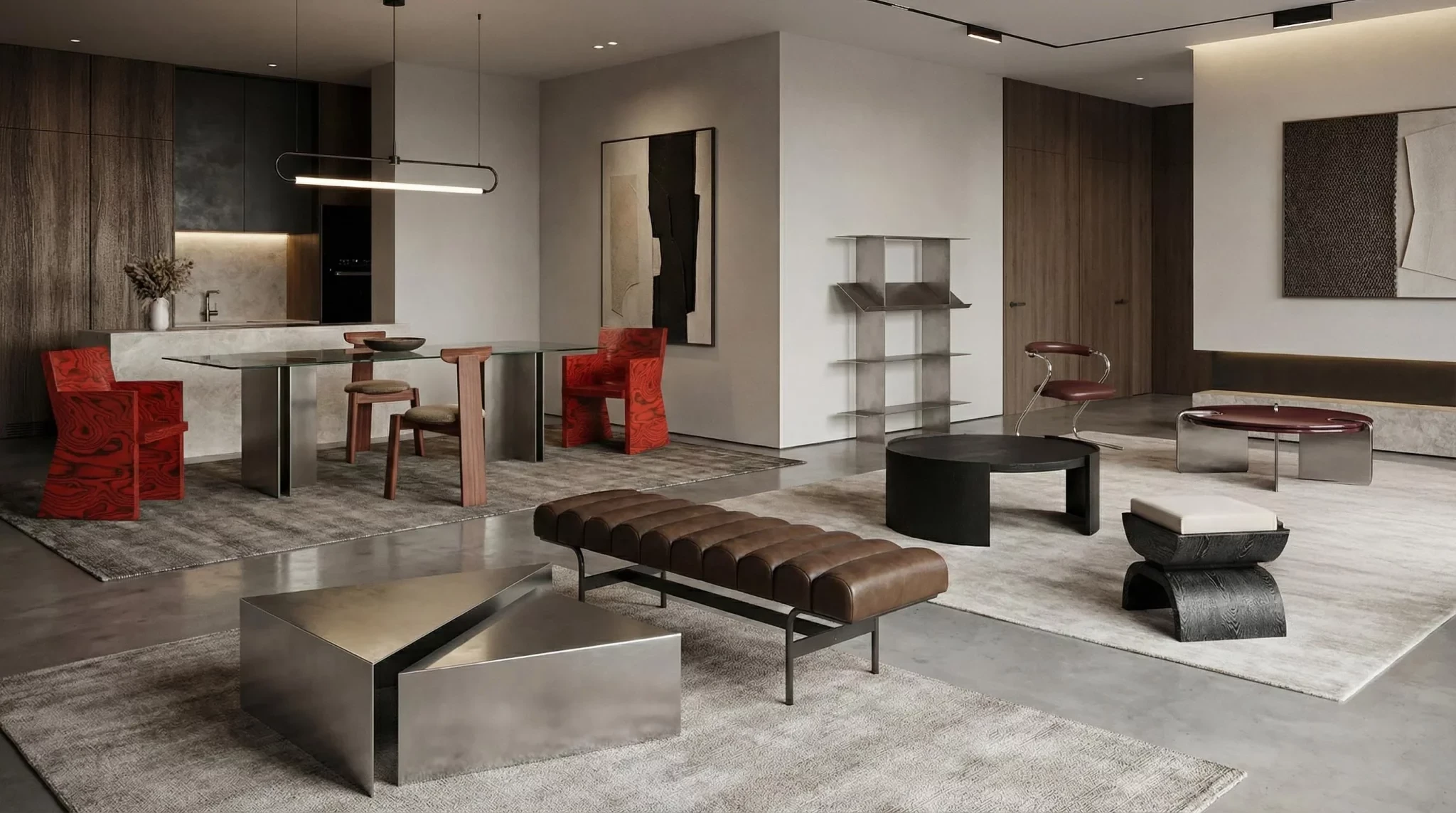
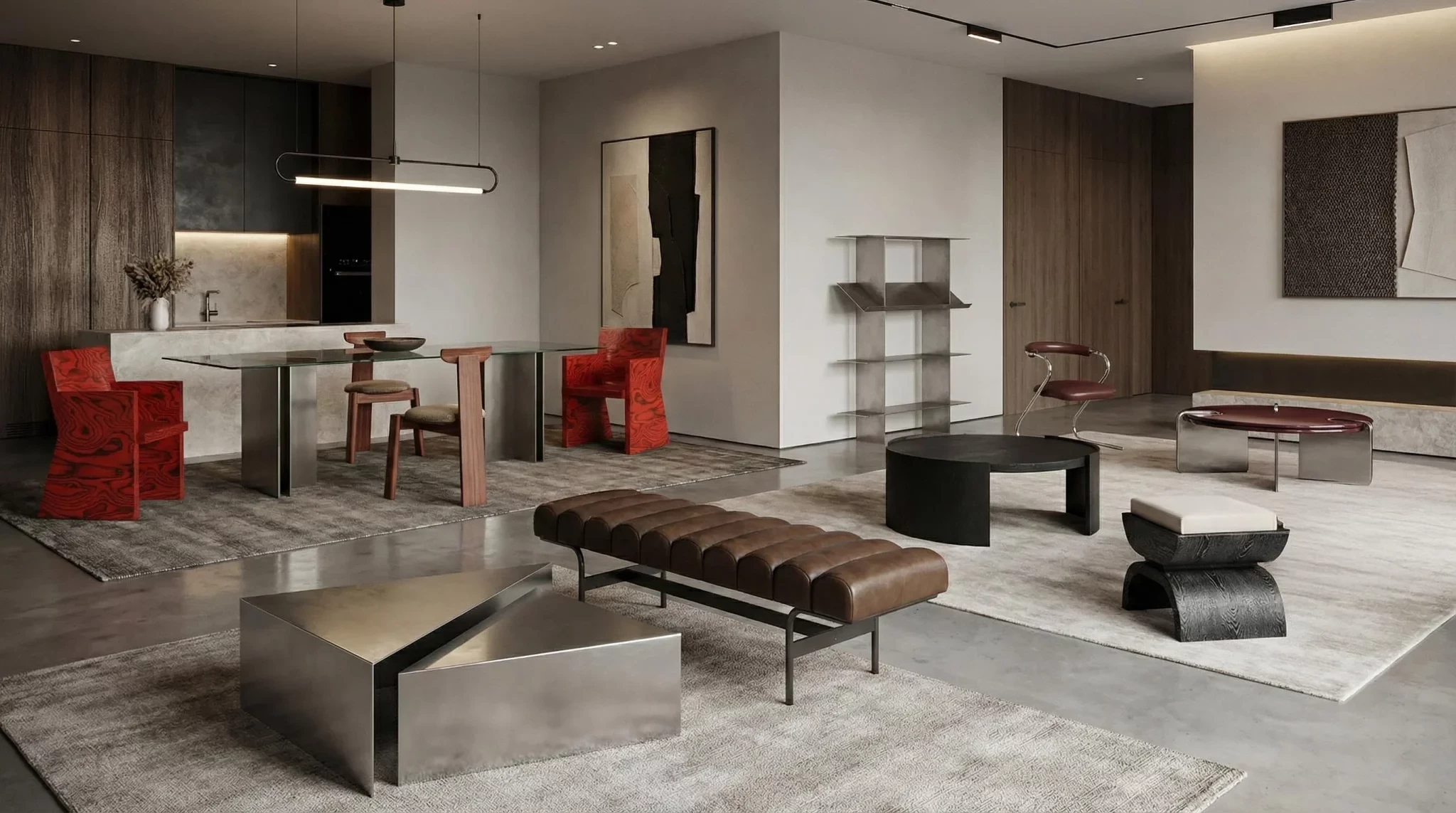
Jacobs’ portfolio reads like a masterclass in spatial versatility. From sprawling waterfront villas in Marin County and high-rise penthouses in Pacific Heights to bespoke compounds in Silicon Valley and exclusive resort residences in Mexico, his work reflects a profound understanding of how people interact with their built environments. Yet, despite his commercial success—which includes designing the historic Aca Joe retail empire across 30 states and three continents—Jacobs remains fundamentally grounded in the art of the residential retreat.
Chronology: From Corporate Scale to High-End Residential Mastery
The Foundational Years: Architecture and Global Retail
Jerry Jacobs’ career began not with throw pillows or floor plans, but with the structural skeleton of buildings. In the early stages of his professional life, he focused heavily on large-scale corporate structures, sprawling clubhouses, and complex commercial environments.
His most notable early commercial venture was his work with the once-world-famous Aca Joe retail brand. Jacobs conceptualized and designed store locations spanning 30 states across three continents. The apex of this commercial phase was the creation of Aca Joe’s flagship corner location at Union Square in San Francisco—a architectural facade that proudly remains standing to this day, serving as a physical testament to his early durability in design.
The 1991 Pivot: Entering Residential Exclusivity
In 1991, Jacobs made a definitive pivot, turning his full attention toward high-end residential architecture and interior design. This transition allowed him to apply the rigorous structural sensibilities of commercial architecture to the intimate, deeply personal scale of luxury homes.
Over the subsequent decades, Jacobs built one of the Bay Area’s most respected and sought-after boutique practices. His transition was marked by critical acclaim, highlighted by winning the prestigious San Francisco Decorators Showhouse Room Award from House Beautiful—widely regarded as one of the most fiercely competitive and coveted recognitions in American residential design.
Supporting Data & Industry Insights: The Philosophy of Jerry Jacobs
To understand Jacobs’ enduring relevance in a rapidly changing design landscape is to understand his core philosophies on the mechanics of design, client collaboration, and professional value.
1. The Art of Listening
For Jacobs, the genesis of any great project is not found on a mood board, but in active comprehension.
"Listen to the client. Often they do not know what they want, but listening you help them by suggesting approximations, and they will say, that is it."
Jacobs notes that clients rarely walk through the door with a fully realized architectural blueprint in hand. Instead, they arrive burdened—or inspired—by a collection of fragmented feelings, visual clippings, distant memories, and underlying anxieties. The designer’s true responsibility is to decode the subtext of the client’s language, propose spatial approximations, and iteratively refine them until a definitive truth emerges. This process demands immense patience, hyper-attentiveness, and the professional confidence to gently guide rather than aggressively impose.

2. What Drives Great Design?
When asked what fuels exceptional design, Jacobs dismisses conventional answers like innate talent, formal training, or academic credentials. His single-word answer is unequivocal: Passion.
It is infinitely easier, he argues, to dedicate oneself to a labor of love than to navigate a mandatory vocation. However, Jacobs harbors no romantic illusions about the day-to-day realities of being a creator. He is fiercely candid about the solitary nature of the trade:
"Keep seeking perfection and design as art, beauty. Hard to achieve but keep trying. Hope for the best but be prepared to struggle."
Most independent designers operate as jacks-of-all-trades. They are simultaneously conceptual artists, material sourcers, administrative coordinators, financial accountants, and client wranglers. The journey toward aesthetic perfection is paved with pragmatic friction.
Official Responses & Industry Stances: Valuing the Discipline
In an industry prone to free consultations, spec work, and under-compensated favors, Jacobs takes a staunch, unapologetic stance on professional self-worth.
"Do not work for free or do things for nothing. It does not only affect your budget and survival, but it hurts the profession and the industry. Value yourself and your time."
This perspective transcends basic economics or fee negotiations. It is rooted in a profound respect for a discipline that requires years of rigorous higher education, practical field experience, and relentless continuing education. When individual designers undervalue their labor, they inadvertently degrade the market value of the entire profession, forcing a race to the bottom that harms both the creator and the consumer.
The Core Elements That Dictate Space
When probed on which physical products or architectural components hold the ultimate power to transform an interior, Jacobs breaks down design into an intentional hierarchy:
- Light: While technically an environmental condition rather than a manufactured product, light is the master puppeteer of the built world. Without optimal lighting, no finish, furniture piece, or color palette can achieve its intended performance.
- The Floor: "You really can’t walk into a space without it. Ceiling can go and wall can be transparent, but all rooms need a floor." Whether it is wide-plank European white oak, honed Calacatta marble, structural glass, or a bespoke area rug, the flooring establishes the psychological tone of a room before a single chair is introduced. It is the plane humans interact with physically more than any other.
- Art: Jacobs views art as a critical emotional investment. Unlike furniture and soft finishes—which inevitably wear down and require replacement—well-chosen art carries timeless psychological and financial weight. Crucially, Jacobs champions restraint: leaving a wall completely bare is often vastly superior to displaying mediocre art. Negative space is an active design choice.
Implications: How to Successfully Partner with a Design Professional
For prospective clients preparing to embark on a luxury design journey, Jacobs outlines a clear, three-part framework designed to maximize project success and preserve professional synergy.
- First: Do Your Homework. Clients must perform exhaustive preparatory work. Formulate a comprehensive brief, establish clear functional priorities, thoroughly research prospective professionals, and review extensive portfolios before making initial contact. While interpersonal chemistry is vital, intellectual preparedness is equally non-negotiable.
- Second: Establish a Realistic Budget. High-end design is an intensive, long-term capital investment. Jacobs warns against penny-pinching: "This is an important and substantial investment. Don’t try to do too much with too little. You get what you pay for."
- Third: Cultivate Patience. A design team works tirelessly on the client’s behalf. Fostering a supportive, collaborative environment yields higher productivity and superior creative output. Conversely, manufactured pressure and adversarial dynamics inevitably dilute the quality of the final work, resulting in a loss for all parties involved.
Conclusion
Jerry Jacobs’ four-decade journey from the corporate storefronts of Union Square to the serene residential sanctuaries of the San Francisco Bay Area offers a masterclass in professional integrity and architectural vision. Through decades of changing trends, economic shifts, and aesthetic evolutions, his philosophy has remained stubbornly consistent: listen intently, design with unyielding passion, respect the commercial and artistic value of the craft, and never compromise on the pursuit of beauty.
Jerry Jacobs operates his esteemed practice out of Belvedere-Tiburon, California. To explore his extensive portfolio of residential masterpieces, visit jerryjacobsdesign.com.
This profile is part of the ongoing Roomhints Designer Spotlight series, dedicated to celebrating the visionary architects and designers shaping the physical spaces that define modern living.