Main Facts: The Artisanal Trend Redefining Holiday Gifting
As the holiday season approaches, consumers increasingly turn away from mass-produced commercial goods in search of personalized, meaningful tokens of appreciation. Leading this seasonal shift is a burgeoning trend in home-crafted body care: the DIY melt-and-pour gift box soap. Designed to mimic miniature, expertly wrapped presents complete with shimmering gold ribbon strips and delicate, hand-curled bows made entirely of soap, these creations have captured the attention of DIY enthusiasts and novice crafters alike.

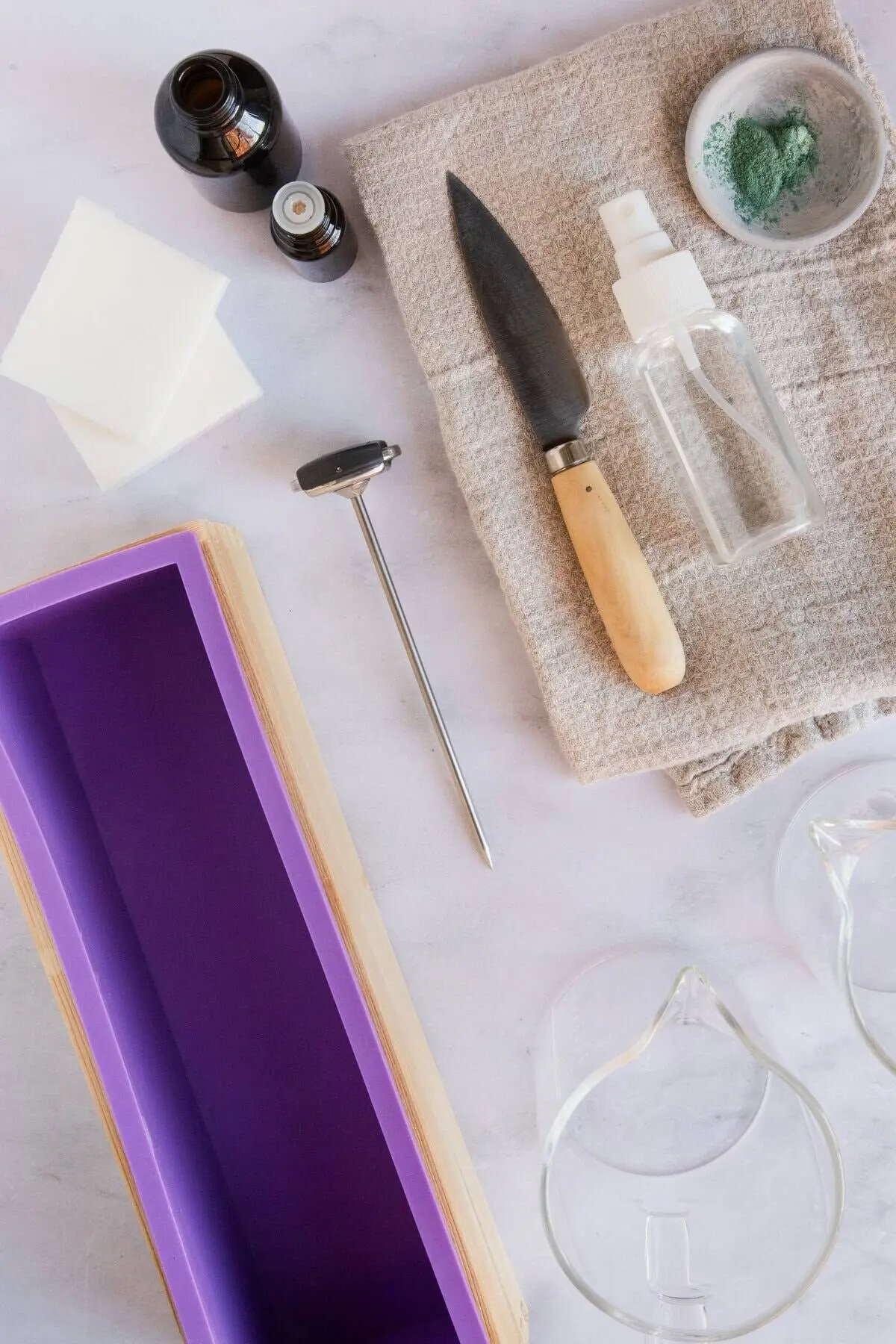
Unlike traditional, highly technical cold-process soap making—which requires handling hazardous lye and waiting weeks for bars to cure—the melt-and-pour method utilizes a pre-saponified base. This accessible approach allows crafters of all skill levels to produce sophisticated, professional-looking artisan items in a matter of hours. By combining clear and opaque melt-and-pour bases, mica colorants, essential oils, and clever household tools like vegetable peelers, creators are producing visually stunning bath products that double as festive holiday decor.

The movement emphasizes simplicity, affordability, and personalization. With a total material cost averaging around $10 for a batch, these soaps offer an economical alternative to expensive specialty store purchases while retaining a high-end, boutique aesthetic.

Chronology: Step-by-Step Evolution of a Gift Box Soap
Creating these miniature masterpieces requires meticulous timing and a structured, multi-phase approach. Because melt-and-pour soap bases cool rapidly and form surface films quickly, successful execution demands advance preparation and swift execution.

Phase 1: Crafting the Ribbons and Curls
The production process begins with the structural details that give the soap its signature look: the ribbon accents and the bows.

- Cube and Melt: Crafters start by cutting approximately 3 ounces of clear melt-and-pour soap base into uniform 1-inch cubes, placing them into a microwave-safe measuring cup.
- Color Integration: The soap is melted in 30-second intervals, stirring thoroughly between each burst. Gold mica glitter is then whisked into the hot liquid to achieve a metallic sheen.
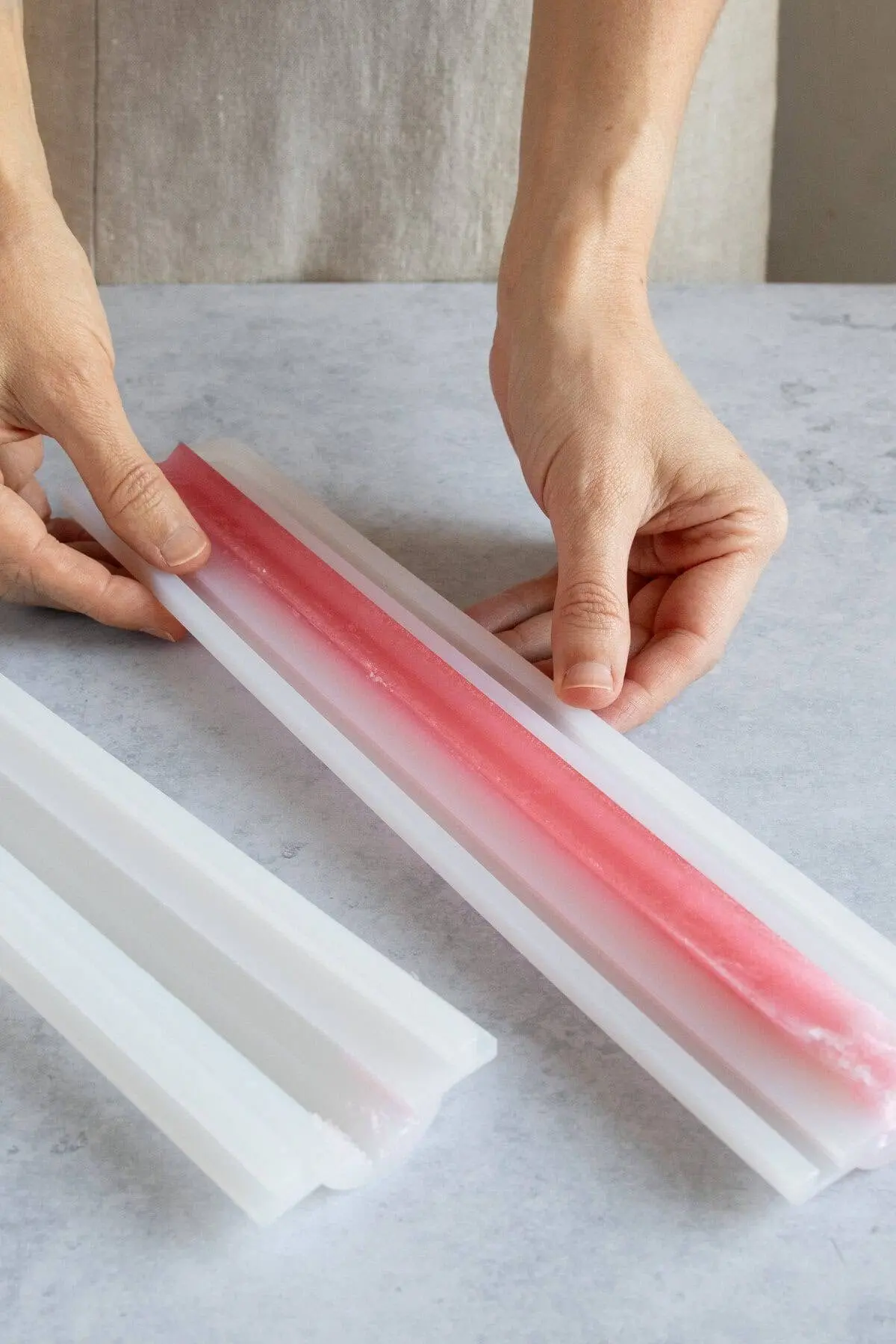
- Pouring the Blocks: Approximately 0.5 ounces of the gold-tinted soap is poured into a shallow mold compartment to form a thin sheet for the ribbon strips. The remainder of the mixture is poured into a deeper compartment to form a thick block reserved for peeling curls later.
- Bubble Elimination: Spritzing the surface with rubbing alcohol instantly neutralizes and removes unwanted surface bubbles. Once cooled and hardened, the thin square is sliced into four uniform strips. Two strips are overlapped into a "plus" sign, with the central intersection trimmed flat to lay seamlessly within the final box mold.
Phase 2: Constructing the Soap Boxes
To prevent the ribbon strips from floating or shifting during the main pour, the box itself is built using a precise, two-stage pouring technique.

- Base Preparation: Roughly 4 ounces of clear soap base are melted, dyed with preferred mica colors (such as holiday red or forest green), and infused with a few drops of an aromatic essential oil.
- Anchoring the Ribbons: Allowing the colored soap to cool to approximately 140°F ensures it will not prematurely melt the pre-made gold ribbons. The ribbons are firmly pressed into the bottom of the silicone mold, followed by a light pour of soap just deep enough to anchor them in place.
- The Final Fill: After a quick mist of rubbing alcohol to eliminate bubbles and a brief cooling period, the remainder of the colored soap base is poured to fill the mold to the brim, sealing the structure.
Phase 3: Building and Attaching the Bows
The final visual flourish transforms a simple block of soap into an optical illusion of a wrapped package.

- Shaving Curls: Using a standard kitchen vegetable peeler, the crafter shaves thin ribbons from the thick gold block prepared in Phase 1.
- Shaping: If the shavings do not naturally curl, they are gently rolled by hand to achieve a cascading, ribbon-like form.
- Assembly: Approximately 1 ounce of clear soap is melted in a shallow bowl. By dipping the base of each curl into the warm liquid, creators stack the pieces into a clustered bow right on top of the hardened gift box soap. An optional final dip or pour of clear soap over the entire bow cluster creates a protective shell, locking the delicate curls securely in place.
Supporting Data: Economics and Technical Parameters
A close examination of the economics and logistical requirements of melt-and-pour crafting highlights why this specific method has dominated seasonal home crafting forums:

- Time Investment:
- Active Preparation: ~1 hour
- Cooling and Setting: ~4 hours
- Total Project Window: ~5 hours
- Financial Metrics:
- Average Batch Yield: 2 artisanal soaps
- Estimated Supply Cost: $10 (inclusive of melt-and-pour base, mica powders, essential oils, and packaging materials).
- Storage and Preservation Thresholds:
- Shelf Life: Up to 1 year when properly wrapped and stored.
- Environmental Limits: High humidity and direct sunlight must be avoided to prevent color fading and surface "sweating" (glycerin drawing moisture from the air).
Official Responses and Expert Insights
Industry artisans and craft community leaders have overwhelmingly endorsed the melt-and-pour technique as a gateway skill for individuals intimidated by traditional chemical-heavy soap making.

"The beauty of this project lies in its illusion of complexity," notes master soap maker and DIY instructor Stephanie Pollard. "To an observer, a gift box soap with cascading gold curls looks like it belongs in a high-end luxury boutique. In reality, because we are utilizing pre-base formulas and household tools like vegetable peelers, anyone can achieve professional results on their first try without handling caustic substances."

Safety and formulation experts also emphasize the practicality of the design choices. Craft safety advocates point out that utilizing a two-stage pour for the boxes successfully resolves one of the most common frustration points in decorative soap making: floating embeds. By anchoring the gold ribbon strips securely before adding the bulk of the colored base, creators eliminate the structural shifting that often ruins batches of decorative holiday soaps.

Furthermore, aromatherapists have weighed in on the customizability of the scent profiles. Because fragrance and essential oils are added during the final mixing phase, makers have total autonomy over whether to produce heavily scented seasonal varieties—such as peppermint, cinnamon, or pine—or to keep the items completely unscented for consumers with sensitive skin.

Implications: The Shift Toward Mindful, Sustainable Gifting
The growing popularity of artisan melt-and-pour gift box soaps carries broader cultural and economic implications for how modern consumers approach the holiday season.

Economic Shifts in Consumer Spending
As inflation and economic uncertainty influence holiday budgets, consumers are increasingly seeking ways to express thoughtfulness without excessive spending. Producing personalized, high-value aesthetic items for roughly $5 per unit allows gift-givers to maintain a generous standard of giving while drastically reducing seasonal expenditures. This trend supports a larger economic pivot away from mass-market consumerism toward localized, micro-scale artisan production.

Environmental and Wellness Considerations
Commercial soaps often contain synthetic detergents, petrochemical surfactants, and excessive plastic packaging. Conversely, homemade melt-and-pour projects allow creators to select transparent, skin-nourishing bases enriched with natural butters (such as shea or mango butter) and pure essential oils. Additionally, wrapping the finished soaps individually in biodegradable or minimal plastic film to combat humidity aligns with a growing consumer consciousness regarding waste reduction.

The Therapeutic Value of Hands-On Creativity
Beyond the physical product, the process of crafting offers well-documented mental health benefits. In an era dominated by digital exhaustion and fast-paced schedules, the meticulous, tactile nature of melting, pouring, shaving, and curling soap provides a grounding, meditative outlet. Crafters report heightened feelings of seasonal joy and personal accomplishment derived directly from the act of making something beautiful with their own hands to share with loved ones.

Ultimately, the DIY gift box soap transcends its functional purpose as a cleansing agent. It represents a deliberate choice by modern consumers to slow down, embrace simplicity, and invest personal time into fostering genuine human connections through the art of handmade gifting.