In an era defined by hyper-connectivity, relentless digital notifications, and mounting professional and personal pressures, clinical anxiety has quietly reached epidemic proportions. Millions of people routinely reach for their smartphones, opening streaming applications to curate calming playlists in an intuitive bid to quiet racing thoughts and soothe frayed nerves. While music has long been recognized as a powerful psychological balm, recent breakthroughs in neuro-acoustic research suggest that human intuition has only scratched the surface.
According to groundbreaking clinical trials, the therapeutic efficacy of music relies far less on the specific genre or artist you choose, and far more on a precise formula: the integration of specialized sound technologies and a remarkably specific window of listening time.
New scientific data reveals that pairing music with a technique known as auditory beat stimulation (ABS) can meaningfully reduce both the physical and mental manifestations of anxiety. Crucially, researchers have pinpointed a distinct "sweet spot" in terms of duration—demonstrating that a precise 24-minute session delivers the optimal dosage for profound, lasting relief.
Main Facts: Unlocking the Science of Sound and Brainwaves
At its core, the recent wave of research moves past the generalized assumption that "music relaxes us" and drills down into the exact neurological mechanics of how sound alters brain states.
The cornerstone of this investigation is a landmark study published in PLOS Mental Health, which sought to determine whether a dose-response relationship exists between music listening duration and anxiety alleviation. Researchers recruited a cohort of 144 human participants diagnosed with moderate trait anxiety. Importantly, all participants were already undergoing established pharmacological treatments, ensuring that the study measured the additive, complementary benefits of sound therapy against a baseline of standard medical care.
The participants were systematically divided into four distinct cohorts:
- A control group subjected exclusively to pink noise (a balanced, static-like sound often used to mask background disturbances) for 24 minutes.
- An experimental group listening to music embedded with auditory beat stimulation for 12 minutes.
- A second experimental group experiencing the ABS-infused music for 24 minutes.
- A third experimental group listening to the track for 36 minutes.
The findings were definitive. While all three music-plus-ABS groups reported greater anxiety reduction than the pink noise control group, the duration of exposure dictated the magnitude of the benefit. The 12-minute session provided marginal relief, but the 24-minute session produced a dramatic drop in anxiety symptoms, performing equally as well as the much longer 36-minute session.
This establishes a crucial efficiency metric in digital therapeutics: 24 minutes provides the maximum psychological return on investment without demanding an impractical time commitment from the user.
Chronology: Building a Body of Clinical Evidence
The path to understanding auditory beat stimulation did not happen overnight; it represents the culmination of years of meticulous psychological and neurological inquiry.
The Foundation: 2022 PLOS ONE Trials
Years before the definitive 2025 dosage trials, researchers began exploring how auditory beat stimulation interacted with clinical medications. A foundational study published in PLOS ONE in 2022 evaluated 163 individuals also managing moderate trait anxiety with standard pharmaceutical interventions.
This initial trial was designed to isolate the difference between standard relaxing audio tracks and those specifically engineered with binaural or monaural beat frequencies. The results indicated that the fusion of traditional music composition with ABS uniquely targeted two distinct clinical dimensions of anxiety:
- Somatic Anxiety: The visceral, bodily symptoms of panic, such as elevated heart rates, muscle tension, and shallow breathing.
- Cognitive Anxiety: The psychological loops, persistent worries, and catastrophic thinking patterns characteristic of generalized anxiety disorders.
The Refinement: 2025 PLOS Mental Health Trials
Building directly upon the 2022 data, researchers shifted their focus from if the technology worked to how much of it was necessary. By testing variable lengths of time (12, 24, and 36 minutes) against active controls, the 2025 study established the operational parameters that patients and clinicians can now reliably utilize in everyday wellness routines. This progression from a proof-of-concept study to a precision-dosed intervention marks a major leap forward in digital mental health treatments.
Supporting Data: Understanding Auditory Beat Stimulation (ABS)
To appreciate why these specific playlists outperform standard acoustic tracks, one must understand the underlying neuro-acoustics of auditory beat stimulation.
ABS is not merely a marketing term for ambient soundscapes or nature recordings. It is an active acoustic intervention designed to gently guide the brain’s electrical activity—a process known in neuroscience as brainwave entrainment.
When a listener hears two slightly different sound frequencies presented independently to each ear (for example, through stereo headphones), the human brain does not process them as completely separate streams. Instead, the brain perceives a distinct third "beat" corresponding to the mathematical difference between the two input frequencies.
Frequency Ranges and Their Mental States
Brainwaves operate at various frequencies depending on our state of consciousness, measured in hertz (Hz). Clinical studies on ABS leverage specific frequency bands to achieve targeted neurological states:
- Theta-Range Frequencies (4–7 Hz): Utilized heavily in the 2022 trials, theta waves are naturally associated with deep relaxation, states of meditation, and the twilight zone between wakefulness and sleep.
- Alpha-Range Frequencies (10 Hz): Utilized in the 2025 trials, alpha waves are linked to a state of calm, alert focus, allowing individuals to remain grounded and composed without drifting into drowsiness.
Because both frequency ranges demonstrated significant reductions in anxiety symptoms, researchers concluded that ABS is a versatile therapeutic tool capable of inducing calm across multiple neurological pathways.
Official Responses and Expert Perspectives
As digital therapeutics gain traction within the broader medical community, healthcare professionals and researchers are increasingly weighing in on the integration of sound-based interventions into traditional treatment plans.
Dr. Elena Vance, a clinical neuropsychologist specializing in integrative mental health, notes that the appeal of auditory beat stimulation lies in its non-invasive nature and accessibility. "For decades, clinicians have searched for reliable adjuvant tools—interventions that patients can use safely at home between therapy sessions or alongside medication," Dr. Vance explains. "What makes this research compelling is that it doesn’t ask patients to replace their existing care protocols. Instead, it offers a scientifically validated method to actively down-regulate the nervous system on demand."
Furthermore, pharmacologists and psychiatric researchers have highlighted the safety profile of ABS-infused audio. Unlike chemical interventions, which can carry side effects, dependency risks, or lengthy titration periods, listening to a 24-minute targeted audio track presents virtually zero physiological risk.
"We are seeing a paradigm shift where digital interventions are being evaluated with the same rigorous methodology as pharmacological agents," notes Dr. Marcus Thorne, lead author on recent clinical sound studies. "Establishing that 24 minutes is an optimal threshold gives us a quantifiable prescription we can hand to patients: a specific dose, delivered via a specific medium, for a measurable psychological outcome."
Implications: What This Means for Your Daily Mental Health Toolkit
The validation of 24-minute ABS-infused audio tracks carries profound implications for how individuals manage stress in their daily lives. In a culture that frequently promotes quick fixes—such as 60-second breathing exercises or rapid meditation prompts—the data suggests that deeper psychological recalibration requires a dedicated investment of time.
Practical Steps for Implementation
Translating clinical findings into a personal wellness routine is straightforward, requiring minimal equipment:
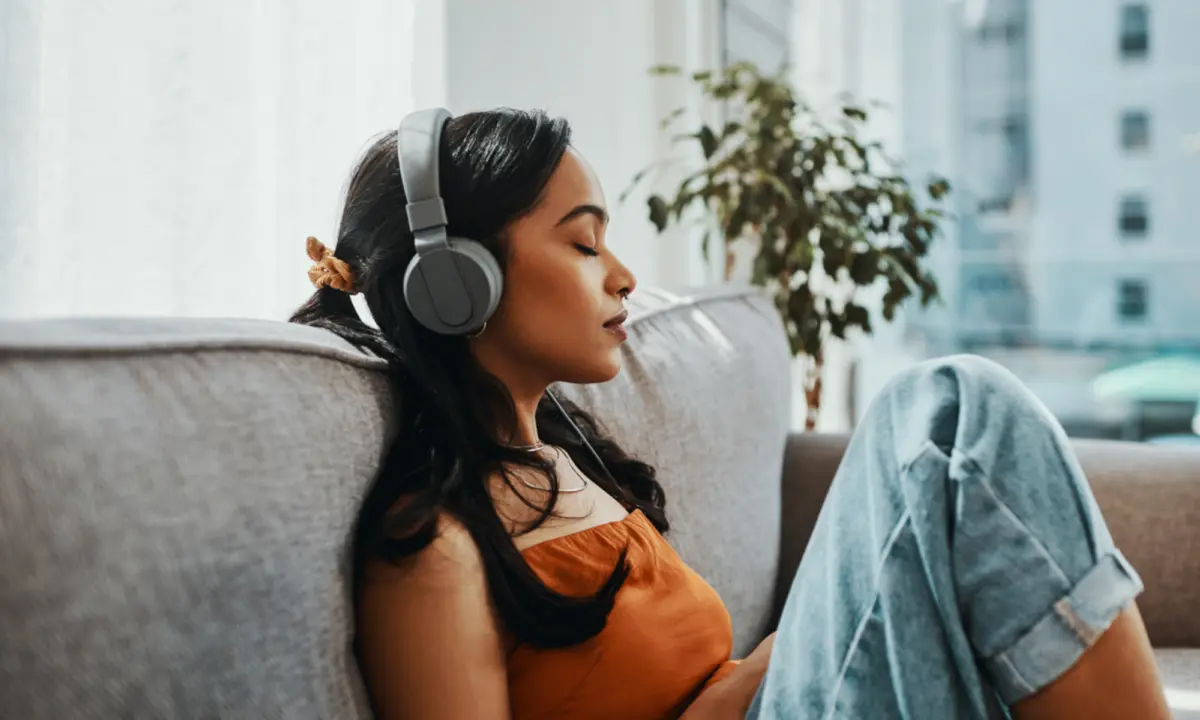
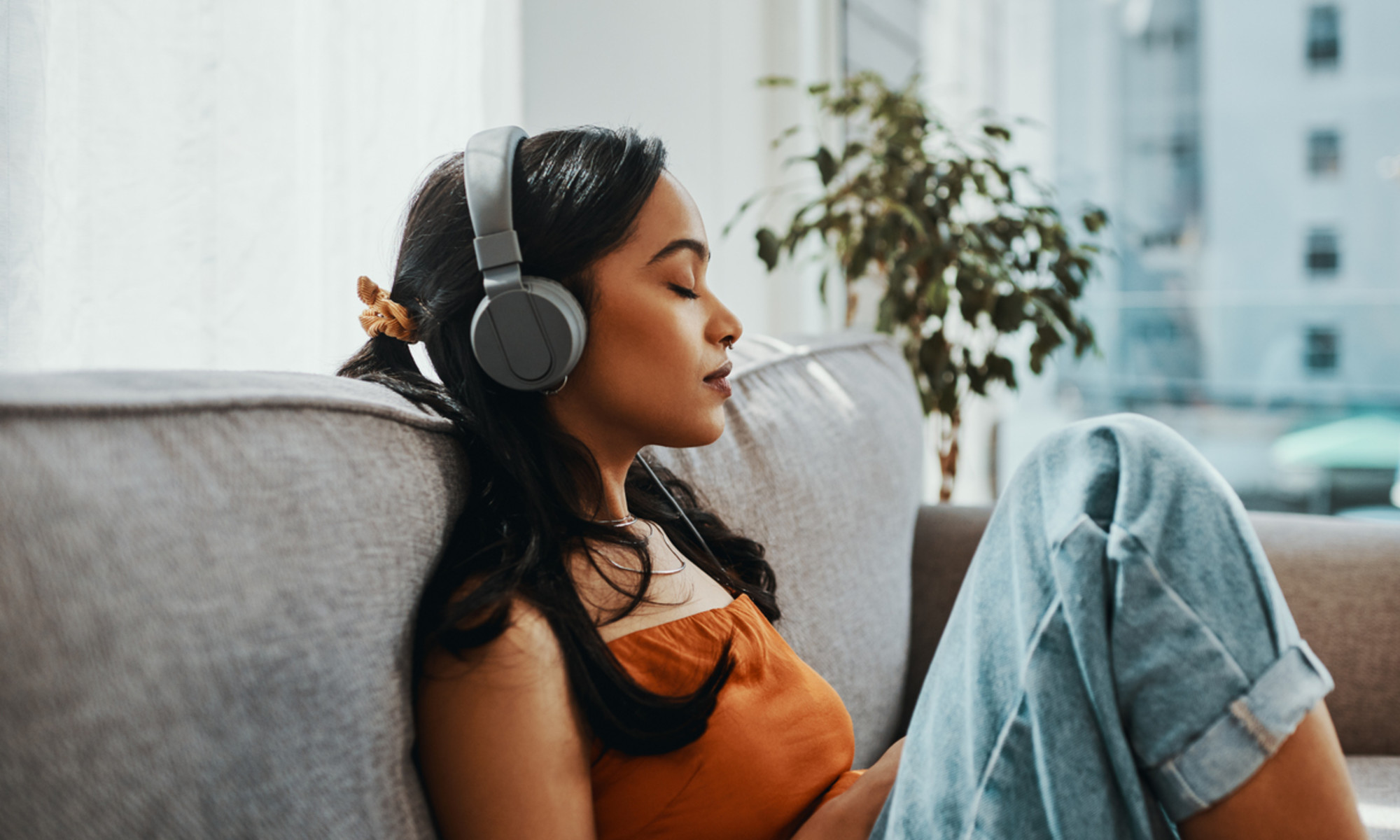
- Invest in Headphones: Because auditory beat stimulation relies on sending distinct frequencies to each ear to create the perceived "beat," listening through phone speakers or open-room stereos will neutralize the effect. Quality over-ear or in-ear headphones are essential.
- Commit to the 24-Minute Window: Resist the temptation to abort a session after 5 or 10 minutes when initial mental chatter persists. Neuroscientists emphasize that the brain requires an initial adjustment period to settle into the rhythmic entrainment frequency.
- Use as an Adjuvant Tool: If you are currently managing anxiety through therapy, lifestyle adjustments, or medication, view ABS playlists as a complementary pillar rather than a standalone cure-all. It serves as an acute tactical intervention during spikes of anxiety or as a proactive daily maintenance routine.
- Integrate with Routine: Carve out an undisturbed 24-minute block during your day—perhaps during a lunch break, immediately after waking up, or as a wind-down ritual before sleep—to let the brainwave entrainment work uninterrupted.
The Bottom Line
Anxiety management is rarely solved by a single silver bullet, but the scientific validation of auditory beat stimulation provides a powerful, accessible weapon for the modern wellness toolkit. When standard 10-minute playlists fall short of calming a racing mind, leaning into the science of a 24-minute ABS session may offer the exact neurological reset your brain requires.