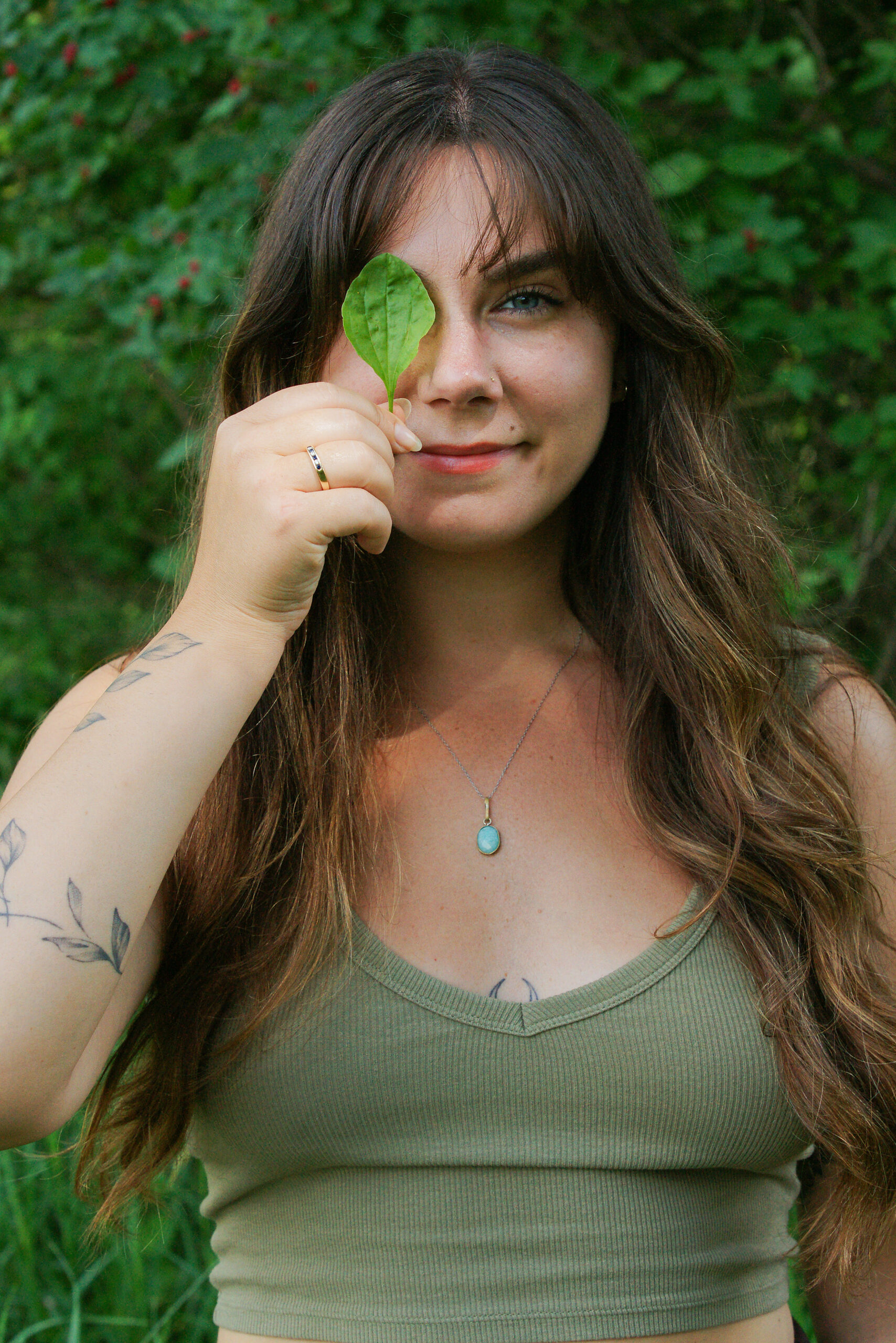
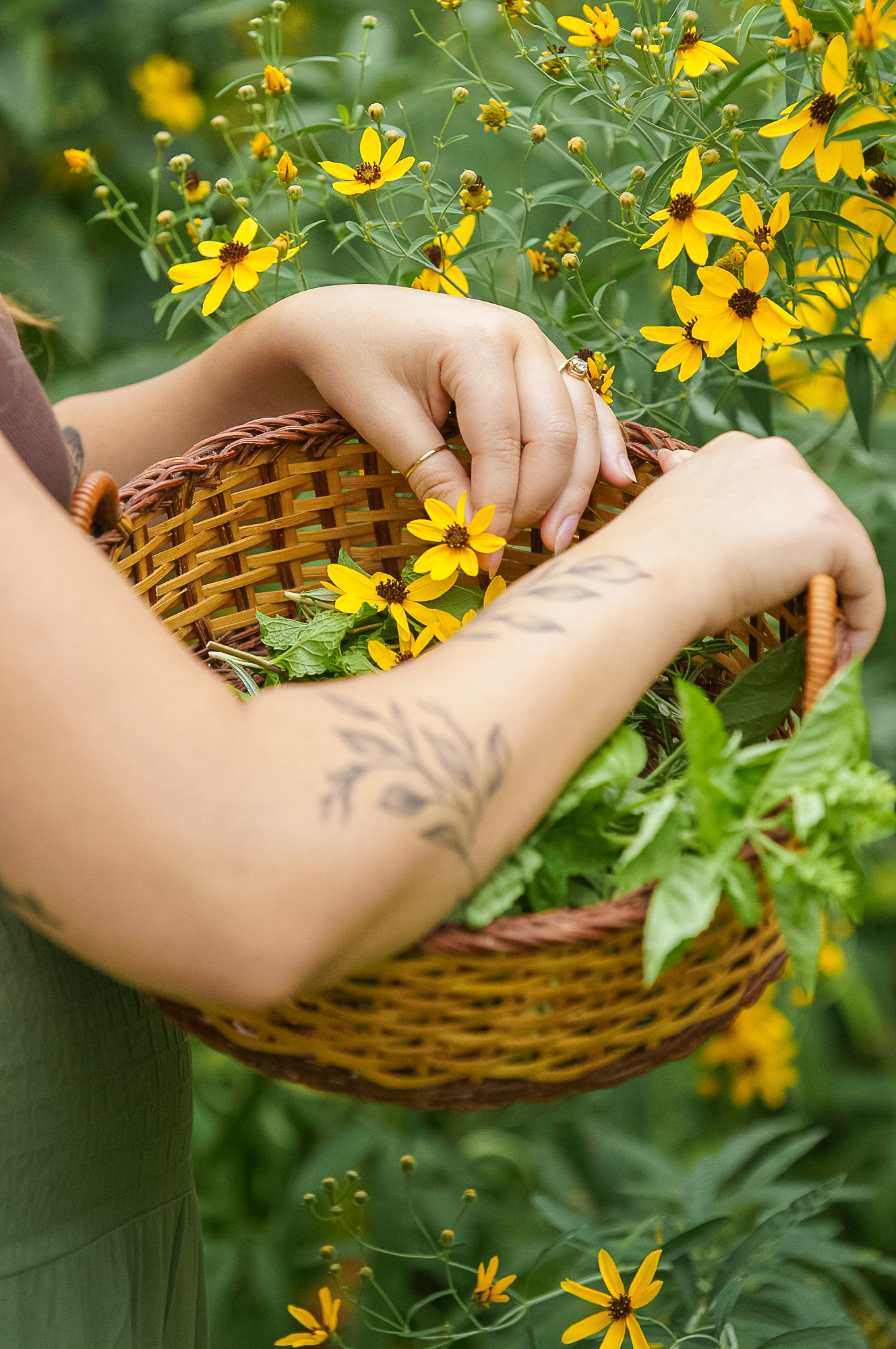
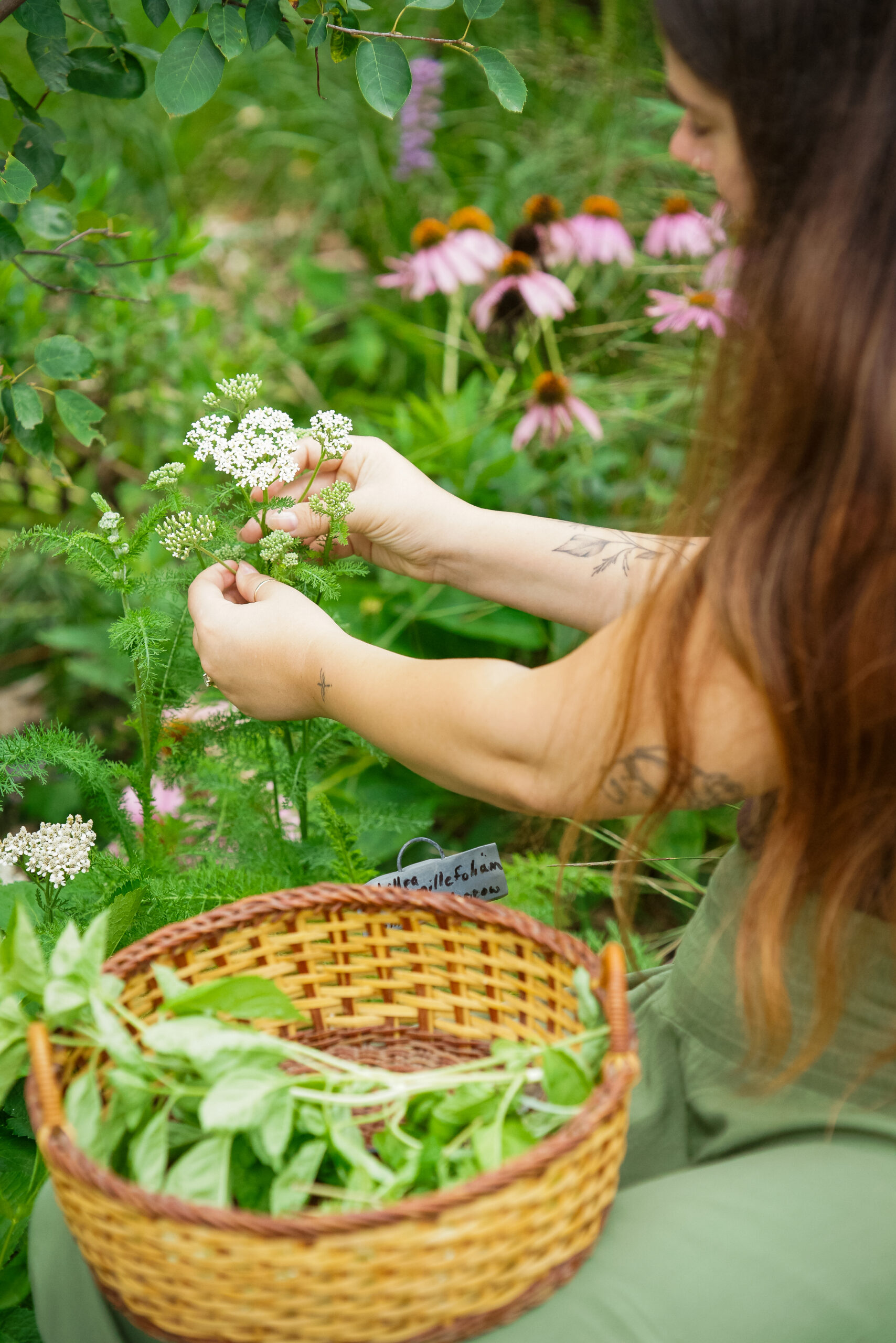
Victoria Buzzalini is an American-born herbalist, environmental scientist, and the founder of the online platform Wise Witch Herbs (@wisewitchherbs). Raised in Detroit, Michigan, Buzzalini’s early affinity for the outdoors laid the groundwork for a lifelong career dedicated to ecosystem management and natural wellness. Her formal training spans multiple disciplines, including a degree in Environmental Science, international teaching stints across Costa Rica, South Korea, and Spain, and rigorous clinical herbalism studies in the United Kingdom.
Buzzalini is also a prominent student of the Herbal Academy, having completed several foundational and specialized programs, including the Introductory Herbal Course, the Botanical Skin Care Course, the Becoming an Herbalist Mini Course, and the Herbal Bitters Mini Course. Today, she operates Wise Witch Herbs as an educational digital hub sharing daily insights and DIY botanical recipes, with plans to expand into a physical product line featuring artisan tinctures, body care products, and handmade ceramics.
Chronology: A Global Path to Botanical Medicine
Early Roots and Environmental Science
Born and raised in Detroit, Buzzalini developed a profound connection to the natural world at a young age. This interest initially manifested as an academic pursuit of Environmental Science, where she focused on understanding ecosystem mechanics and sustainable planetary solutions.
International Teaching and Health Crisis
Driven by a desire to explore diverse cultures, Buzzalini moved abroad to teach English in Costa Rica, Spain, and South Korea. However, during her residency in South Korea, her health unexpectedly deteriorated. Faced with limitations within the conventional hospital system, Buzzalini took her recovery into her own hands. She began researching medicinal plants, experimenting with botanical formulations, and discovering firsthand the therapeutic potential of herbs. This turning point redefined her career trajectory, transforming a personal healing journey into a professional vocation.
Expanding Education with the Herbal Academy
Seeking a structured and comprehensive education in plant medicine, Buzzalini enrolled in the Herbal Academy. Drawn by the extensive catalog of courses, she utilized the platform’s self-paced programs to build a robust foundation in herbalism. Her studies provided critical insights into botanical safety, formulation, and regulatory compliance, particularly regarding regional differences in herbalist terminology between the United States and the United Kingdom.
Founding Wise Witch Herbs and Future Expansion
In 2022, while still deepening her herbal studies, Buzzalini launched Wise Witch Herbs as an online community platform. What began as a digital space for sharing daily botanical lore and personal recipes is now evolving into a physical brand. In the upcoming months, Buzzalini is set to release a curated line of herbal tinctures, followed by a wider collection of teas, natural beauty products, and handcrafted ceramic goods. Additionally, she is completing her Bachelor of Science (BSc Hons) in Clinical Herbalism from a British institution, preparing her to offer specialized online clinical consultations focusing on women’s health.
Supporting Data and Educational Insights
Buzzalini’s academic and entrepreneurial path highlights several key operational and educational milestones within the modern herbalism landscape:
Multidisciplinary Academic Background: Combining a BSc in Environmental Science with a forthcoming BSc in Clinical Herbalism.
Herbal Academy Curriculum Utilization:
Introductory Herbal Course
Botanical Skin Care Course
Becoming an Herbalist Mini Course
Herbal Bitters Mini Course
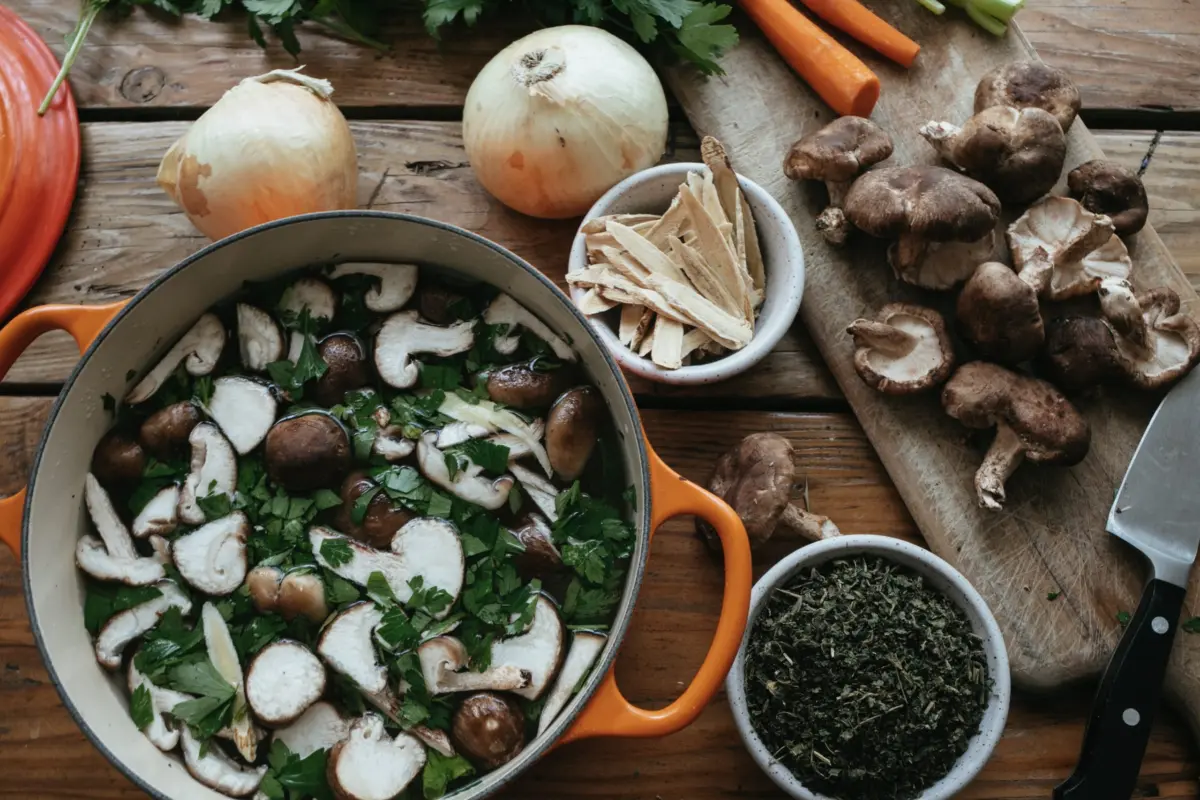
Core Botanical Focus: Nettle (Urtica dioica), praised for its nutrient-dense profile, distinct energetics across leaves, roots, and seeds, and versatile applications.
Business Development Timeline: Founded digitally in 2022; expanding into physical goods (tinctures, skincare, ceramics) and telehealth consultations in 2026.
Geographic Scope: Operating across the United States and the United Kingdom, navigating differing regulatory frameworks and legal definitions for herbal practitioners.
Official Responses and Perspectives: Q&A with Victoria Buzzalini
In an extensive interview with the Herbal Academy, Buzzalini shared her philosophies on plant medicine, business development, and the realities of modern herbal education.
On Choosing the Herbal Academy
"Before I found my current degree, I was finding other avenues to learn about herbalism. Herbalism wasn’t big in my house growing up, but my mom did love her daily herbal tea. I came across Herbal Academy and decided I would start there! There was a plethora of courses to choose from. I just couldn’t resist."
On Business Compliance and Navigating Legal Language
When asked how her studies shaped her business, Buzzalini noted the importance of regulatory awareness:
"Herbal Academy was one of the first to show me what language we can and cannot use as an herbalist in the USA. Since my studies in the UK, I can see how variable the language can be from country to country."
On Deepening a Connection with Nature
"Studying herbalism has allowed me to come closer with nature. It has shown me how to live with the seasons and taught me how to bring seasonal living to the way I live my life as well. As nature slows down in the wintertime, so do I. When the sun is out and the days are longer in the summer, I am able to exert more energy and complete more on a daily basis. Watching the plants transform through the seasons has also made me pay closer attention—because sometimes there is only a 3-week span to catch a bloom and then they’re gone. But as long as you keep an eye out, you’ll see it transform into something else."
On Empowerment and Healthcare Philosophy
"I feel very empowered from my herbal practice. Herbalism is a never-ending journey of knowledge. The plants continue to teach you throughout your life. This sort of knowledge puts me in my power. I am able to help yourself and others by plucking a plant from the ground and hopefully getting to the root cause—rather than passing over a tablet and glazing over the issue."
On Practical Advice for New Herbalists
"For those that are just starting their herbalism journey, I’d recommend taking it slow. It can be very overwhelming with the amount of knowledge out there and the variety of plants. I would suggest picking one herb per month to study. Plant it in your garden if you can, make a tea with it, try a tincture of it—just become very familiar with the plant. By the end of the year, you’ll be an expert on 12 plants and it just grows from there."
Implications: The Intersection of Tradition, Academia, and Industry
Buzzalini’s journey underscores several broader implications for the contemporary herbalism community, ranging from clinical validation to small-business entrepreneurship.
The Scientific Gap in Herbal Research
As an advanced student pursuing a British clinical herbalism degree characterized by rigorous literature reviews, Buzzalini has identified a notable systemic hurdle: a lack of robust, science-backed clinical research supporting herbal therapeutic actions. While in-vitro and animal studies offer baseline data, funding for comprehensive human clinical trials remains scarce. Buzzalini advocates for increased corporate and institutional investment in botanical research to bridge the gap between traditional herbal wisdom and modern clinical validation.
Community Wellness vs. Commercialization
By positioning Wise Witch Herbs as an educational resource before transitioning into product sales, Buzzalini models a community-first approach to herbalism. Her philosophy treats plant medicine not as an exclusive commodity, but as ancestral knowledge that has been "forgotten and is now being remembered again." This grassroots ethos emphasizes local foraging, seasonal alignment, and accessible remedies over fast-paced consumerism.
Flexible Education as a Catalyst for Entrepreneurship
The success of self-paced digital academies has democratized access to specialized environmental and health sciences. For professionals like Buzzalini—who balance international moves, chronic health challenges, and rigorous university degree programs—modular online education provides a viable pathway to entrepreneurship. By mastering formulation, skin care creation, and regulatory compliance through structured coursework, modern herbalists are equipped to launch safe, compliant, and sustainable botanical businesses from the ground up.