As the scorching days of summer steadily yield to the crisp, amber-hued mornings of autumn, a profound shift occurs in both the natural world and human physiology. The frantic pace of the warmer months gives way to a slower, more deliberate rhythm, inviting individuals to turn inward, reevaluate their well-being, and prepare for the colder seasons ahead. According to holistic health practitioners and botanical educators, autumn is not merely a transition of weather, but a crucial window for intentional self-care, immune fortification, and mental resetting.
This comprehensive guide explores nine foundational strategies for transitioning into autumn gracefully, utilizing DIY herbal preparations, seasonal nutrition, and mindful lifestyle adjustments to nurture the mind, body, and spirit from the inside out.
The Shift of Seasons: Main Facts and Physiological Transitions
The transition from summer to autumn brings distinct environmental changes—falling temperatures, declining humidity, and shorter daylight hours—that directly impact human biology. While summer encourages outward energy, social engagement, and light, cooling foods, autumn demands physiological conservation. The body requires additional energy to maintain core temperatures, and mucous membranes face increased dryness due to indoor heating and chilly outdoor winds.

Holistic health frameworks suggest that aligning personal routines with these natural shifts is key to preventing seasonal fatigue and bolstering immune defenses against cold and flu viruses. Rather than fighting the natural urge to slow down, wellness experts recommend embracing the season’s inherent flow through targeted nutritional updates, botanical self-care routines, and deliberate pauses in daily scheduling.
Chronology of Seasonal Adaptation: A Step-by-Step Guide
Adapting to the autumn flow does not happen overnight; it unfolds through a gradual shift in habits, pantry staples, and daily rituals.
1. Reflect on Your Growth and Lessons Learned
Earlier in the year, wellness advocates encouraged individuals to undertake a "spring life reset," establishing fresh goals and planting the metaphorical seeds for personal growth. The arrival of autumn marks the mirror image of that cycle: a time for harvesting, reflection, and integration. Setting aside time for journaling allows individuals to review their progress, acknowledge lessons learned during the spring and summer, and gracefully release what no longer serves them before winter sets in.

2. Transition from Fruit-Infused Waters to Herbal Teas and Decoctions
As ambient temperatures drop, icy, fruit-infused summer waters lose their appeal. Autumn calls for warming beverages that hydrate while delivering deep botanical medicine. Herbalists distinguish between two primary preparations:
- Teas (Infusions): Gentle steeping methods suited for delicate plant parts like leaves and flower petals.
- Decoctions: Gently simmering tougher plant materials—such as roots, bark, and seeds—to extract their dense mineral content and therapeutic compounds.
Classics like Autumn Root Tea Tonic, French Apple Cinnamon Tea, and herbal hot cocoas offer both physical warmth and psychological comfort.
3. Restock the Pantry with Heavier Grains
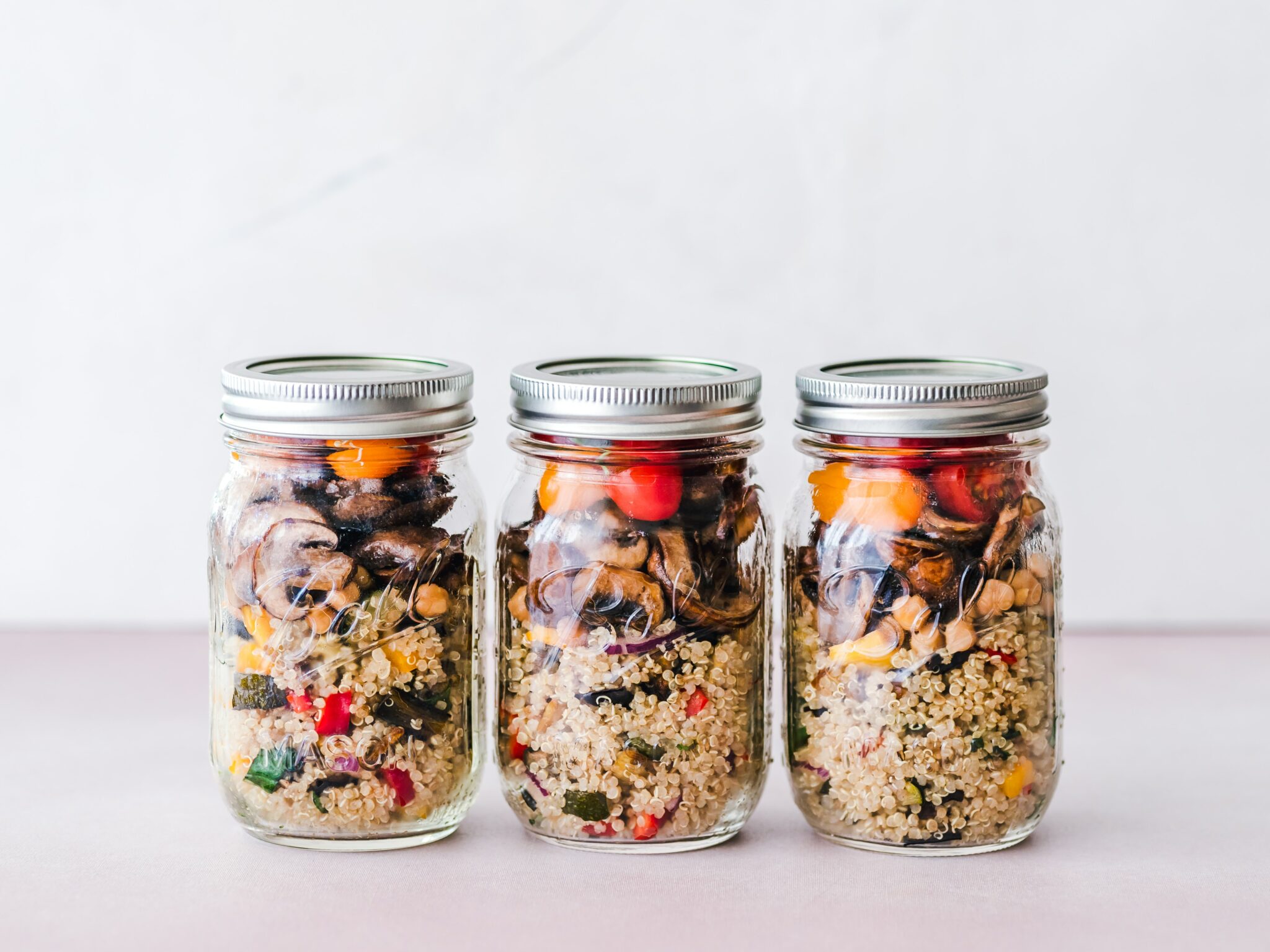
To support the body’s increased energy demands for temperature regulation, lighter summer meals must make room for nutrient-dense whole grains. Grains that "stick to your ribs"—such as quinoa, buckwheat, amaranth, and barley—provide sustained energy and complex carbohydrates essential for enduring colder weather. Incorporating these into dishes like buckwheat pasta with spinach pesto or hearty lentil and quinoa stews anchors the diet for the winter ahead.
4. Build an Arsenal of Syrups, Elixirs, and Fire Cider
Autumn is prime time for preventative herbalism. Crafting immune-supportive remedies—such as fire cider using unexpected herbs, elderberry and calendula cold-and-flu elixirs, and herbal fever-ease syrups—equips households to resist seasonal pathogens naturally. Preparing these remedies early ensures they are matured and ready when cold weather peaks.

Supporting Data and Botanical Science: Nourishing Inside and Out
The transition into colder weather requires targeted changes to how we protect and nourish our physical integumentary and immune systems. Scientific and traditional herbal data point toward specific lipid and botanical interventions to combat seasonal depletion.
Moisturizing Skin and Hair with Botanical Oils
Drop-in humidity levels rob the skin and hair of vital moisture. Commercial lotions often fail to address the deep-layer dryness caused by indoor heating and winter winds. Botanical oils offer a biocompatible solution. When combined with nourishing herbs, oils like jojoba, argan, sweet almond, avocado, and olive mimic the skin’s natural sebum.
- DIY Herbal Hair Serums: Promote silky softness and scalp health by infusing lightweight oils with restorative botanicals.
- Calendula Rosehip Oils: Offer intensive facial nourishment, leveraging the tissue-healing properties of calendula and the fatty-acid profile of rosehip.
Consuming Healthy Fats and Warming Spices
Internal hydration and immune resilience are heavily tied to dietary fat intake. Increasing the consumption of healthy oils—such as cold-pressed extra virgin olive oil, avocado oil, ghee, and coconut oil—supports cardiovascular health and keeps skin hydrated from the inside out.
Simultaneously, incorporating warming culinary and medicinal spices (cinnamon, turmeric, ginger) stimulates digestion, improves circulation, and generates internal heat. Integrating these spices into daily routines—through apple compotes, spiced caramels, or digestive teas—helps the body attune to autumn’s cooling environment.
Shifting from Salads to Broths and Root Vegetables
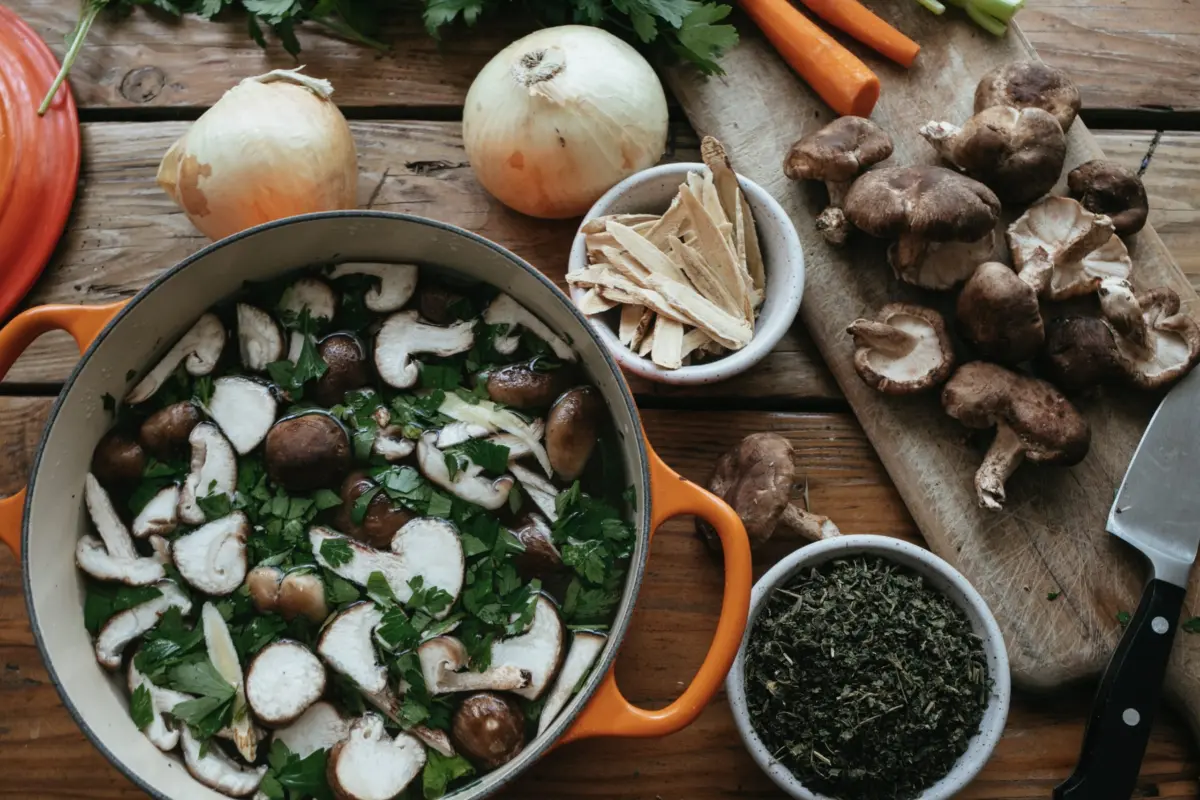
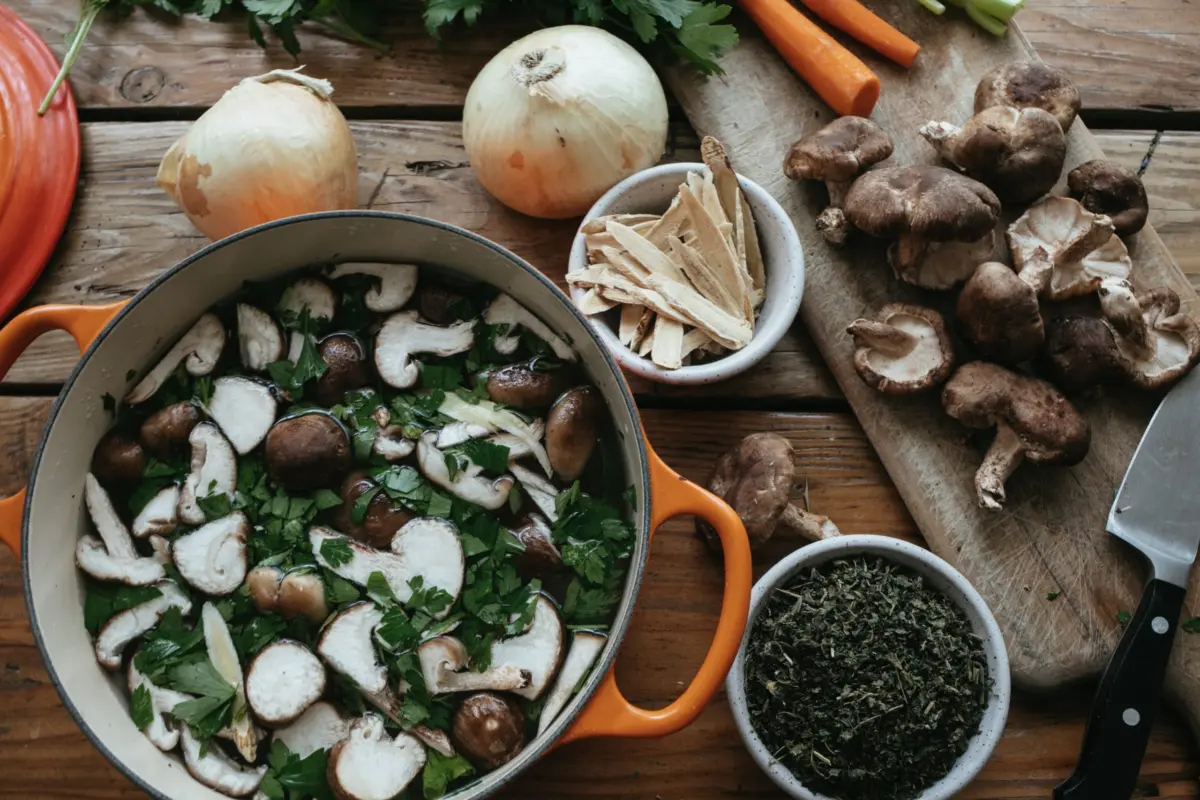
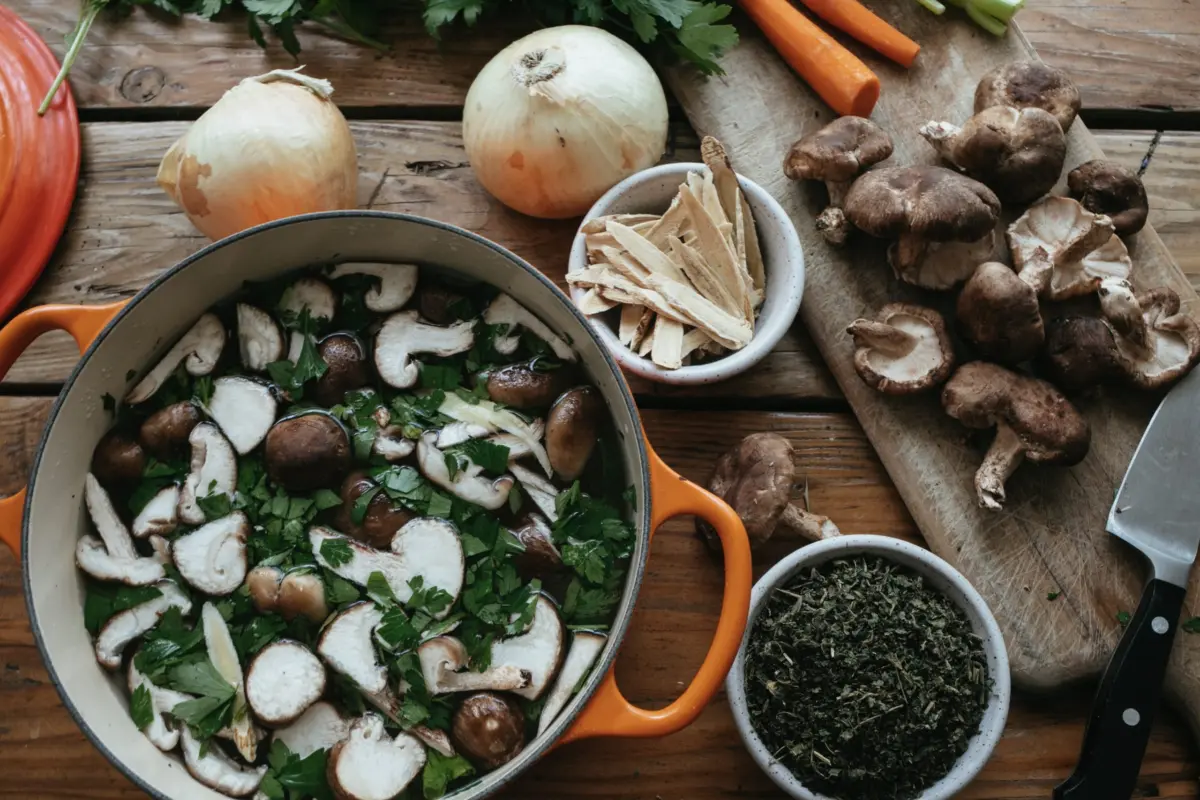
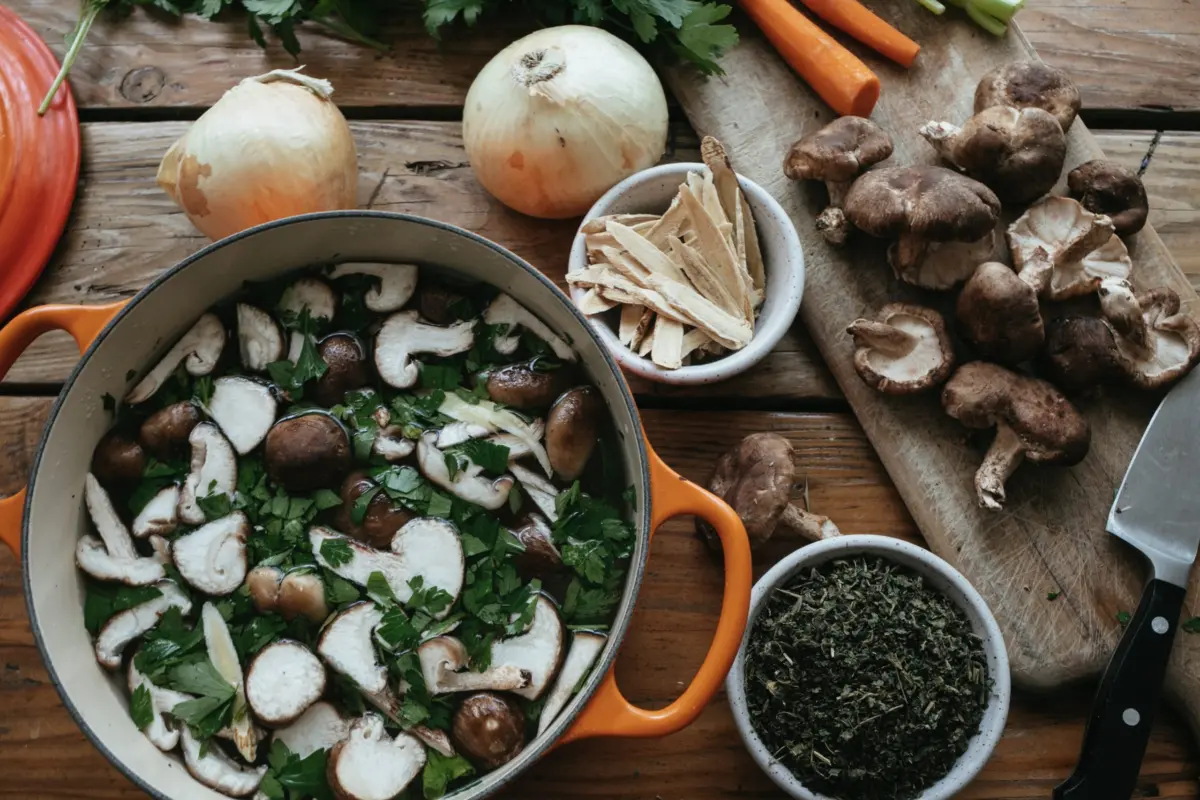
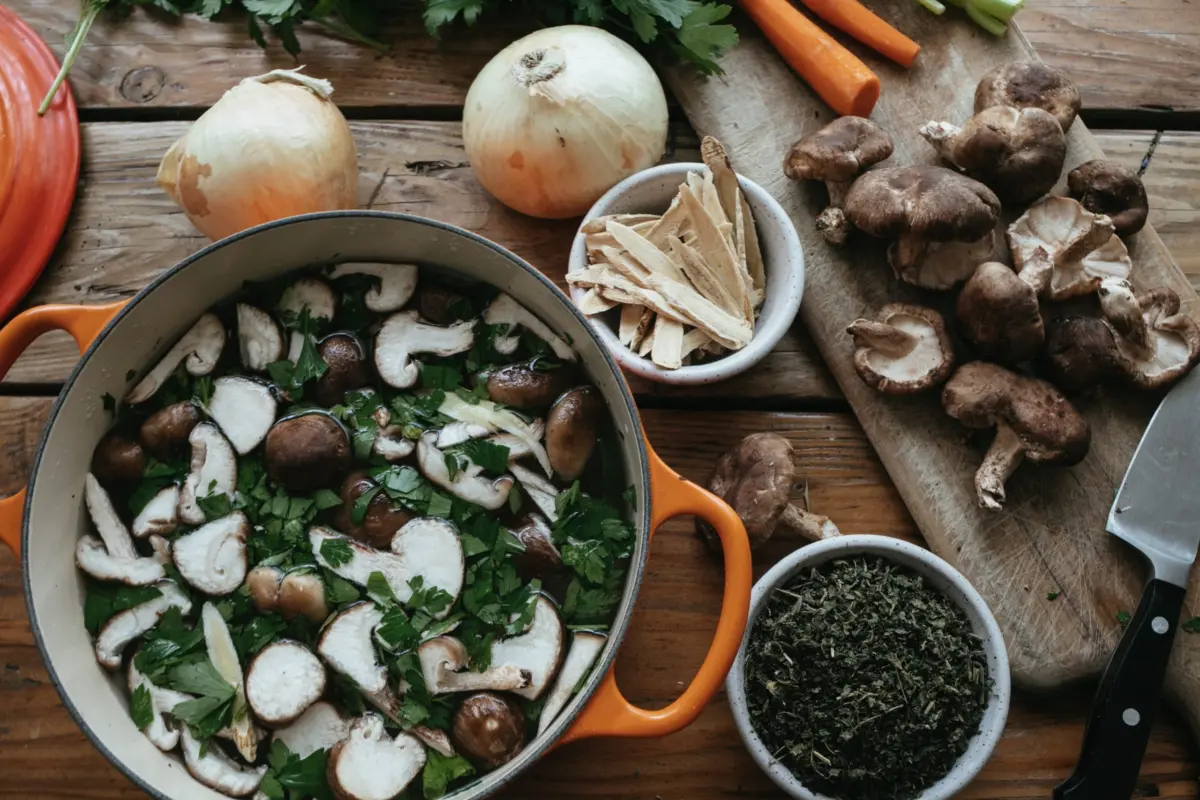
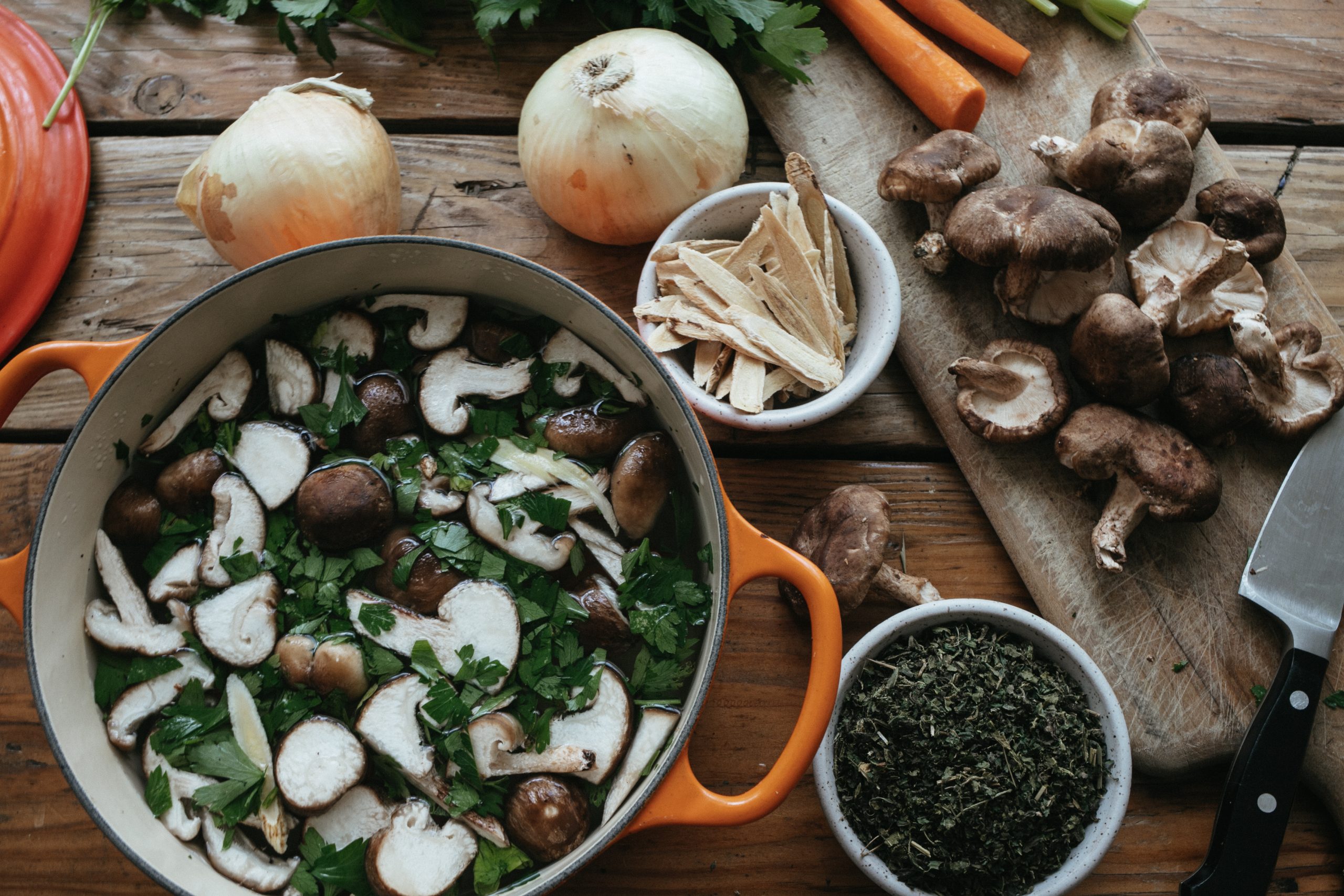
The raw, cooling produce of summer yields to the dense, grounding energy of root vegetables and slow-simmered broths. Nutrient-dense broths—such as Astragalus Chai with bone broth or Mushroom Immunity Broth infused with astragalus and calendula—deliver concentrated minerals, amino acids, and polysaccharides that directly fortify the immune system.
Official Recommendations and Lifestyle Implications
Modern work culture often penalizes slowing down, yet natural rhythms demand rest. The implications of ignoring seasonal transitions manifest as chronic fatigue, burnout, and heightened susceptibility to winter illnesses.
Leave Blank Spaces on the Calendar
As daylight diminishes and nights grow longer, nature issues a clear invitation to decelerate. Wellness experts emphasize that rest is an active form of healthcare, not a luxury. Keeping schedules perpetually packed strains the nervous system. By intentionally leaving blank spaces on the calendar, individuals create pockets of time dedicated to stillness, recuperation, and mental clarity. Exploring herbs that promote rest—such as chamomile, skullcap, passionflower, lemon balm, and ashwagandha—can further support the nervous system during this transition.
Deepening Education in Herbalism
True self-care extends beyond temporary pampering; it involves building structural self-reliance through education. Understanding human body systems and learning how local plant allies can support health shifts transforms wellness from a passive consumer habit into an active, empowering lifestyle. Experts suggest utilizing the quieter autumn and winter months to enroll in targeted educational tracks—such as comprehensive botanical skin care courses, specialized mushroom identification and usage classes, or mini-courses on making foundational herbal preparations. These skills allow individuals to properly preserve, process, and utilize the herbs they foraged or cultivated throughout the growing year.
Conclusion: Embracing the Journey
Autumn is a season of profound transition, offering a natural pause between the exuberant growth of summer and the quiet dormancy of winter. By intentionally shifting dietary habits toward warming broths, healthy fats, and heavy grains; protecting the skin with botanical oils; stocking the pantry with immune-boosting fire ciders and elixirs; and carving out unscripted time for rest, individuals can navigate the colder months with resilience and grace. Ultimately, embracing autumn self-care is an act of alignment—recognizing that human health is inextricably bound to the turning of the seasons.