








Culinary Innovation Meets Holistic Wellness
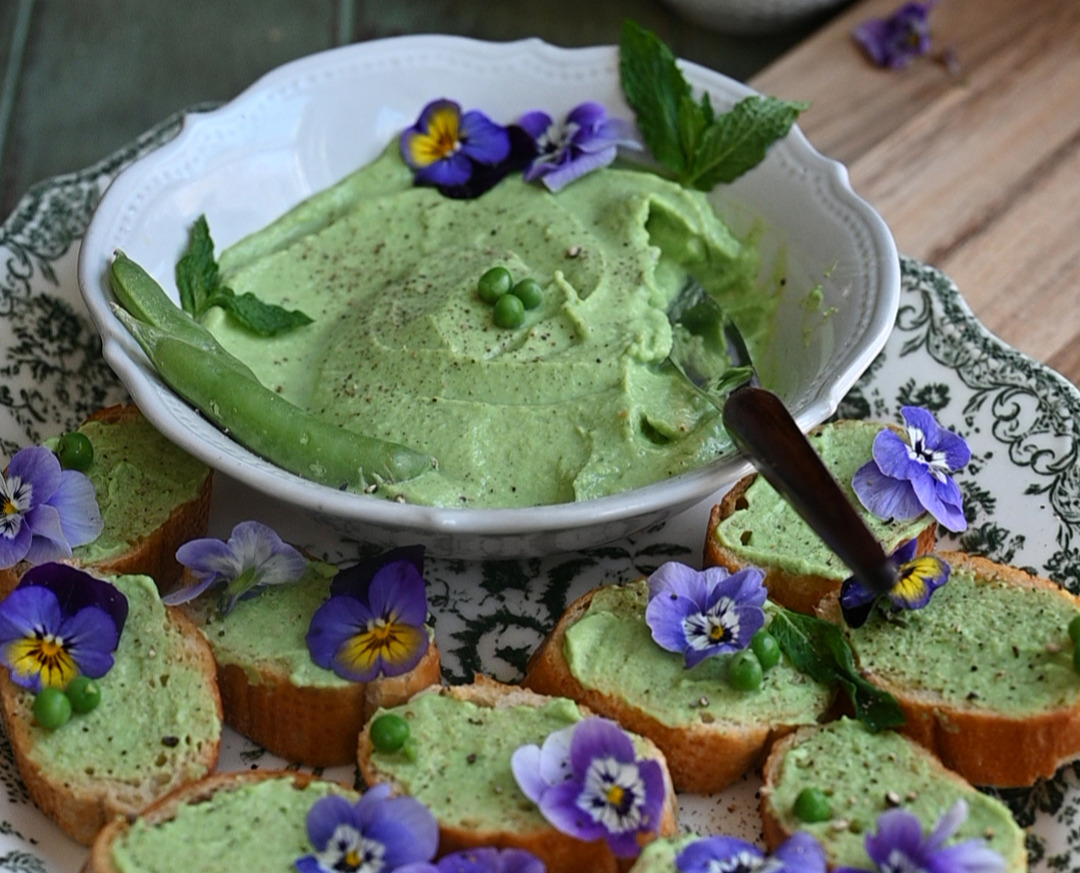
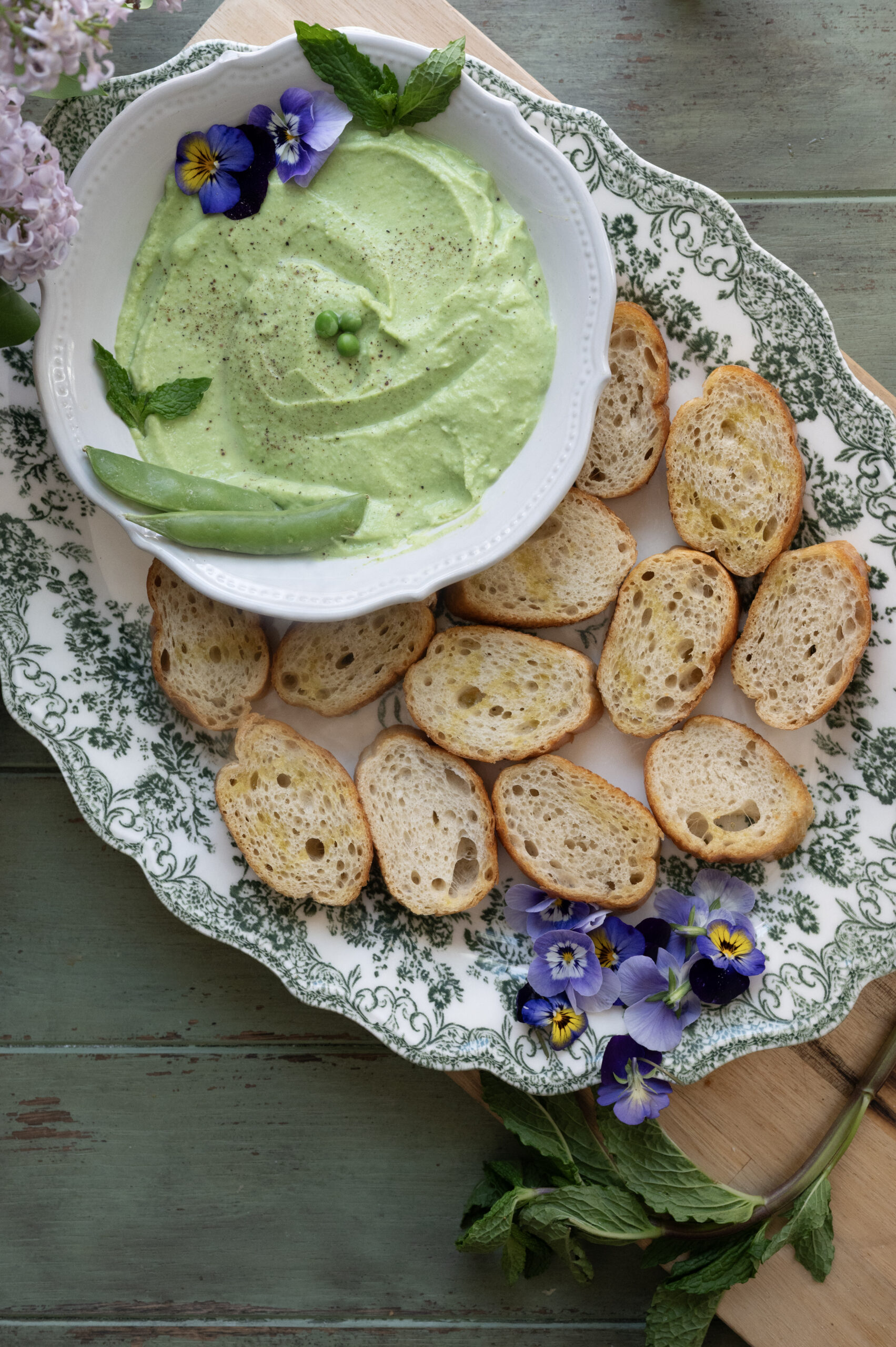
In the modern landscape of gastronomy, the boundary between nourishment and indulgence continues to blur. Chefs, home cooks, and holistic nutritionists alike are increasingly turning to whole foods that offer both aesthetic brilliance and profound physiological benefits. Enter the Pea and Mint Crostini—a vibrant, high-protein, and high-fiber culinary creation that redefines the traditional appetizer. Featuring a striking pastel-green spread of sweet green peas, fresh mint, and creamy ricotta, this dish serves as a masterclass in how simple, unpretentious ingredients can be elevated into a sophisticated centerpiece for garden parties, whimsical gatherings, or weeknight pick-me-ups.
Main Facts: Anatomy of a Nutritional Powerhouse
At first glance, Pea and Mint Crostini appears to be a light, elegant bite suited for warm-weather entertaining. However, a deeper examination of its core components reveals a dense profile of macro- and micronutrients.
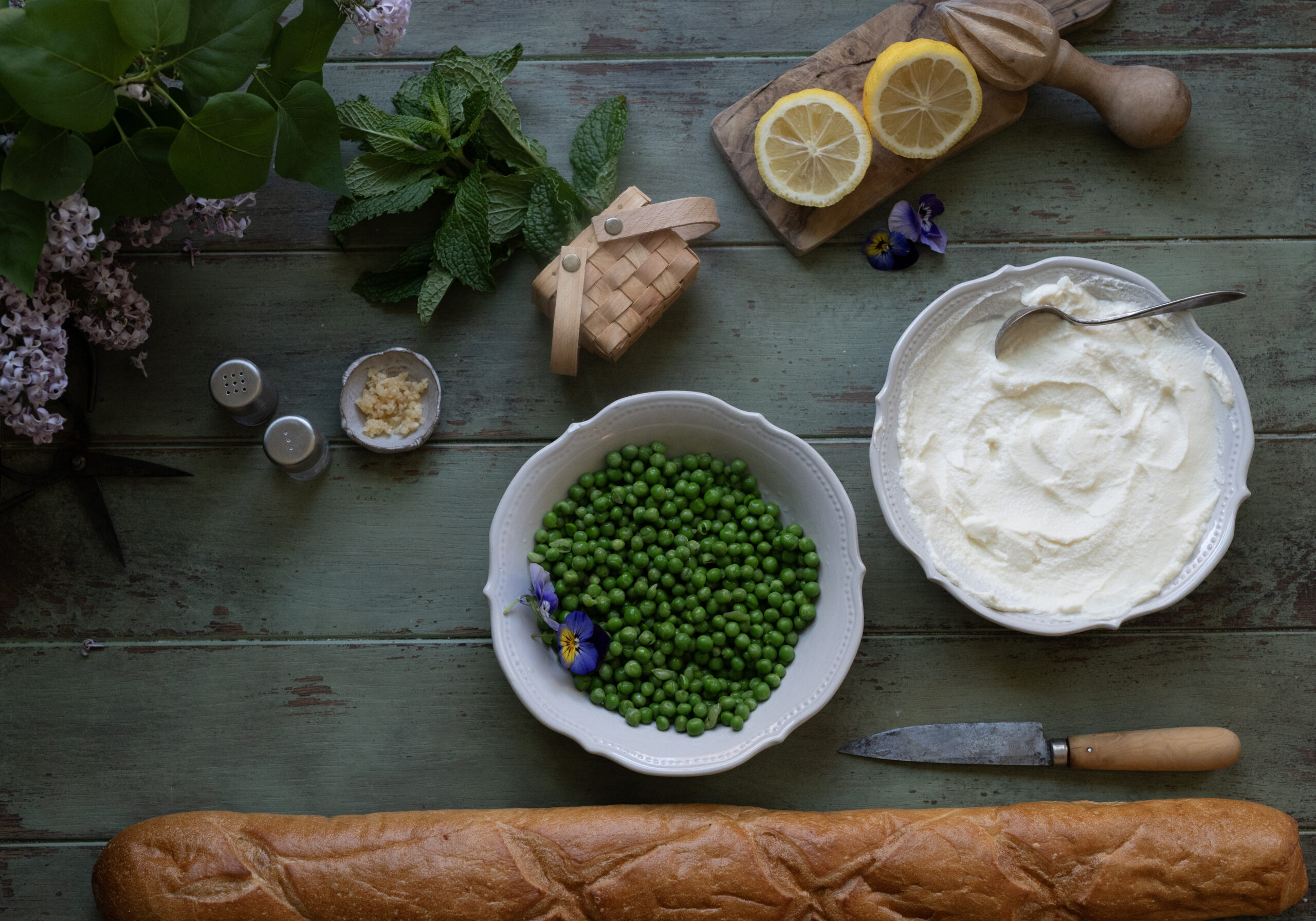
- The Green Pea Foundation: Far from being a mere plate garnish, green peas provide a robust nutritional base. A single cup of green peas yields approximately 8 grams of protein and nearly 9 grams of dietary fiber. This combination supports sustained energy release and digestive health, making it an ideal ingredient for active individuals or those seeking nutrient-dense alternatives to heavy, fat-laden dips.
- The Dairy Synergy: Blended with whole-milk ricotta cheese, the peas achieve a velvety, luxurious texture without requiring heavy creams or excessive processing.
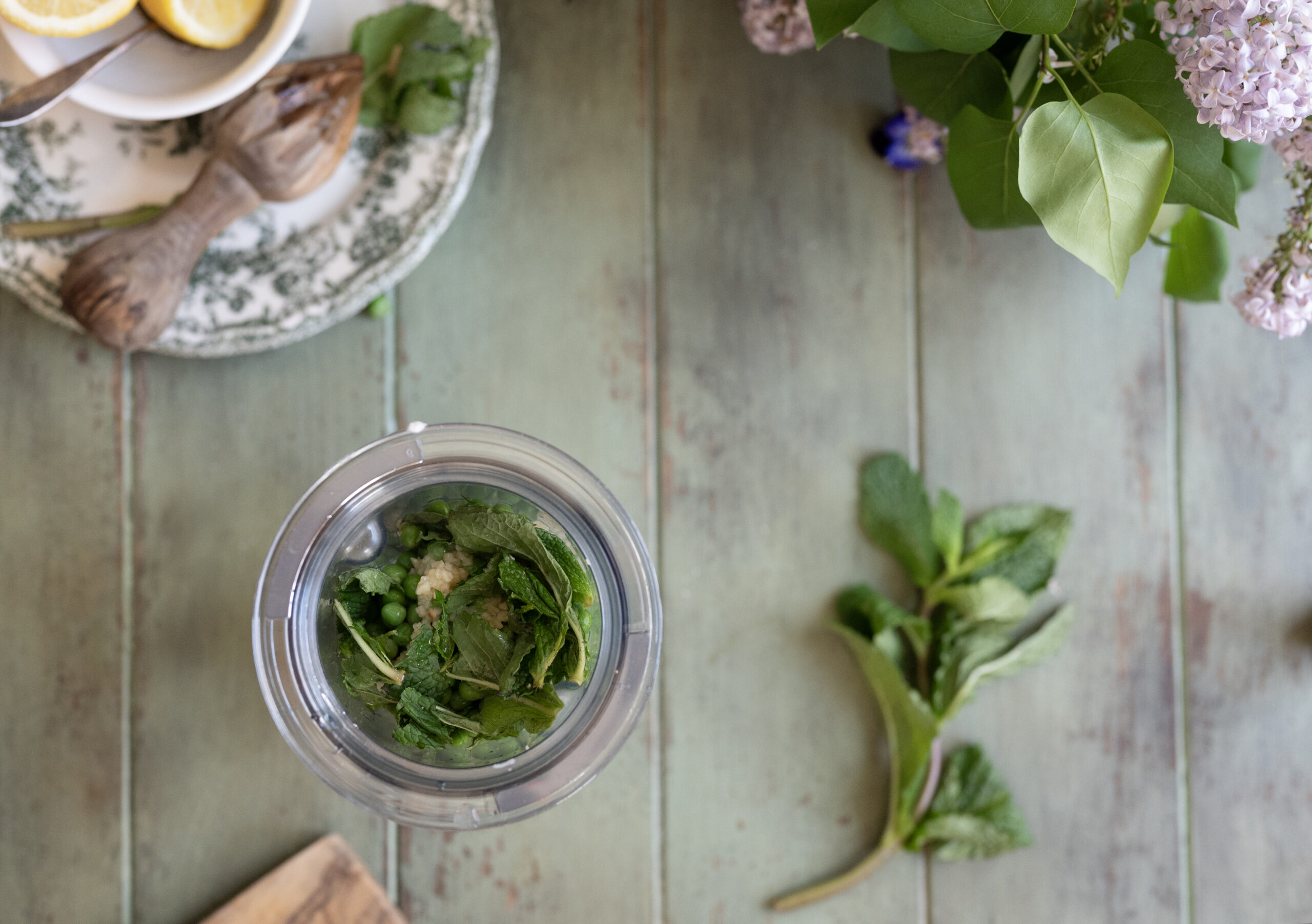
- Botanical and Citrus Accents: Fresh mint (Mentha spp.), lemon juice (Citrus x limon), raw garlic (Allium sativum), and freshly ground black pepper (Piper nigrum) do not merely contribute to the flavor profile; they introduce active botanical compounds that have been utilized in traditional wellness systems for centuries.
Chronology: From Ancient Roots to Modern Table Spread
The components of this modern appetizer trace their lineage back through millennia of agricultural, culinary, and herbal history. Understanding the journey of these ingredients highlights the timeless wisdom embedded in everyday cooking.
1. The Prehistoric Cultivation of Legumes
Green peas are among the oldest cultivated crops in human history, with archaeological evidence pointing to their consumption in the Mediterranean and Near East dating back over 10,000 years. Initially grown for their dry storage capabilities, peas eventually found new life as fresh, tender spring vegetables, prized for their natural sweetness and rapid cooking time.
2. The Rise of Herbals and Ayurvedic Integration
Centuries ago, traditional healing systems—most notably Ayurveda—cataloged the energetic and physiological properties of plants like green peas, mint, and garlic.
- Ayurvedic Perspectives: According to foundational texts such as those by Lad & Lad (2009), green peas are classified as astringent, cooling, and purifying. This makes them exceptionally well-suited for balancing the body during warmer seasons.
- Digestive Stimulation: Similarly, black pepper and lemon juice have long been recognized for their capacity to stimulate agni (digestive fire), assisting the body in breaking down fats and metabolizing nutrients efficiently.
3. The Evolution of the Crostini
Originating in Italy, crostini ("little toasts") emerged as a quintessential peasant food designed to utilize stale bread, topped with whatever local, seasonal produce was available. Over the decades, the humble crostini transformed from a rustic staple of thrift into a versatile canvas for gourmet culinary expression. The pairing of bright green vegetable purées with toasted sourdough represents a contemporary evolution of this Italian tradition, merging rustic comfort with modern nutritional science.
Supporting Data: Phytochemicals, Vitamins, and Herbal Synergy
To fully appreciate why this dish satisfies both the palate and the body, one must examine the specific data surrounding its primary ingredients.
Green Peas: Macronutrient Density
- Protein: ~8g per cup
- Fiber: ~8.8g per cup
- Role: Promotes satiety, stabilizes blood sugar levels, and supports muscle repair.
Lemon Juice: Vitamin C and Alkalizing Effects
Rich in ascorbic acid (Vitamin C), fresh lemon juice bolsters immune defense. Furthermore, despite its acidic taste, lemon juice exhibits an alkalizing effect within the body when metabolized, providing essential electrolytes beneficial during physical exertion or hot weather. From a culinary perspective, its tart acidity cuts through the richness of the ricotta, bringing structural balance to the spread.
Mint Leaf: Cognitive and Respiratory Support
Beyond imparting a vibrant emerald hue and a crisp, refreshing aroma, mint contains volatile oils such as menthol. Herbalist M.N. Groves notes in Body into Balance (2016) that mint preparations can gently soothe digestive discomfort, ease tension headaches, uplift mood, and even support cognitive function and memory retention.

Garlic and Black Pepper: Antimicrobial and Bioavailability Agents
- Garlic (Allium sativum): Renowned for its sulfur-containing compounds like allicin, garlic acts as a powerful natural antimicrobial and supports cardiovascular health by helping to relax blood vessels. Tip: Mincing garlic and letting it rest for 3 to 5 minutes before cooking allows these beneficial enzymatic compounds to fully form and potentiate.
- Black Pepper (Piper nigrum): Contains piperine, a compound well-documented for enhancing the bioavailability of nutrients from other foods while acting as a warming stimulant for circulation and digestion.
Official Perspectives and Expert Insights
Holistic practitioners, herbalists, and culinary professionals increasingly advocate for recipes that bridge the gap between pleasure and preventative wellness.
According to educational platforms like the Herbal Academy, incorporating functional herbs and nutrient-dense vegetables into everyday snacks encourages a sustainable approach to health. Rather than relying on restrictive diets, wellness experts emphasize the addition of vibrant, whole-food elements—such as fresh mint, garlic, and mineral-rich greens—into routine meals.
Furthermore, culinary experts point out that modern consumers are actively seeking appetizers that cater to diverse dietary preferences. Because this recipe relies on a vegetable and cheese base naturally rich in protein and fiber, it effortlessly satisfies contemporary demands for vegetarian, high-protein, and minimally processed party fare without sacrificing flavor complexity or visual appeal.
Implications: Transforming Daily Routines and Entertaining
The popularity of dishes like Pea and Mint Crostini signals a broader shift in how society approaches food culture. Several key implications emerge from this culinary trend:
1. Redefining "Fancy" Food
For decades, elaborate appetizers were associated with heavy preparation times, expensive specialty ingredients, or excessive saturated fats. This recipe demonstrates that elegance is achievable through freshness, color contrast, and thoughtful flavor pairing rather than complexity. A bright green spread over crisp sourdough communicates immediate visual luxury while remaining remarkably straightforward to execute.
2. Integration into Daily Meal Prep
Because the pea and ricotta spread can be prepared rapidly using fresh, canned, or thawed frozen peas, it transcends the boundaries of formal hosting. Many home cooks are incorporating high-protein spreads like this into their weekly meal rotations—serving it as a midday pick-me-up toast, pairing it with raw vegetable crudités, or using it as a sandwich spread.
3. Mindful and Seasonal Eating
By aligning ingredients with their traditional seasonal characteristics—such as cooling green peas and uplifting mint for warmer months—this dish encourages consumers to reconnect with the rhythm of nature. It serves as a gentle reminder that nourishing the body can be an art form rooted in simplicity, history, and vibrant flavor.