WASHINGTON — In the rapidly expanding $40 billion global artisanal cosmetics and craft industry, creators are continuously seeking innovative techniques to elevate simple handmade products into high-end, gallery-worthy visual statements. While melt-and-pour soap crafting has long been celebrated for its accessibility and safety compared to cold process methods, it has faced criticism within hobbyist communities for yielding repetitive, predictable results: melt, pour, wait, unmold, repeat.
However, a burgeoning design trend is sweeping studios and artisan workshops across the country: soap curls.

Transformed from simple shavings into delicate, ribbon-like embellishments, soap curls have introduced a new wave of texture, structural dimension, and multisensory engagement—including the viral appeal of ASMR-friendly textures—into home-based and boutique soap manufacturing. Industry analysts note that this technique bridges the gap between basic crafting and advanced professional presentation, requiring minimal financial investment while drastically increasing the perceived market value of finished goods.
Main Facts: What Are Soap Curls and How Are They Changing the Craft?
Soap curls are ultra-thin slivers, shavings, or ribbons peeled directly from a cured block or sheet of melt-and-pour soap base. As the cutting tool glides across the flat surface of the soap, the material naturally rolls into intricate, organic shapes reminiscent of wood shavings or decorative gift ribbons.

- Dual Utility: They serve both decorative purposes—such as mimicking bows on gift box soaps or petals on soap roses—and functional roles, providing a gentle exfoliating "crunch" when integrated into the body of the bar.
- Sensory Engagement: The trend taps heavily into the autonomous sensory meridian response (ASMR) movement, where the visual texture, tactile peel, and auditory crunch of the dry soap appeal to mindfulness and sensory hobbyists.
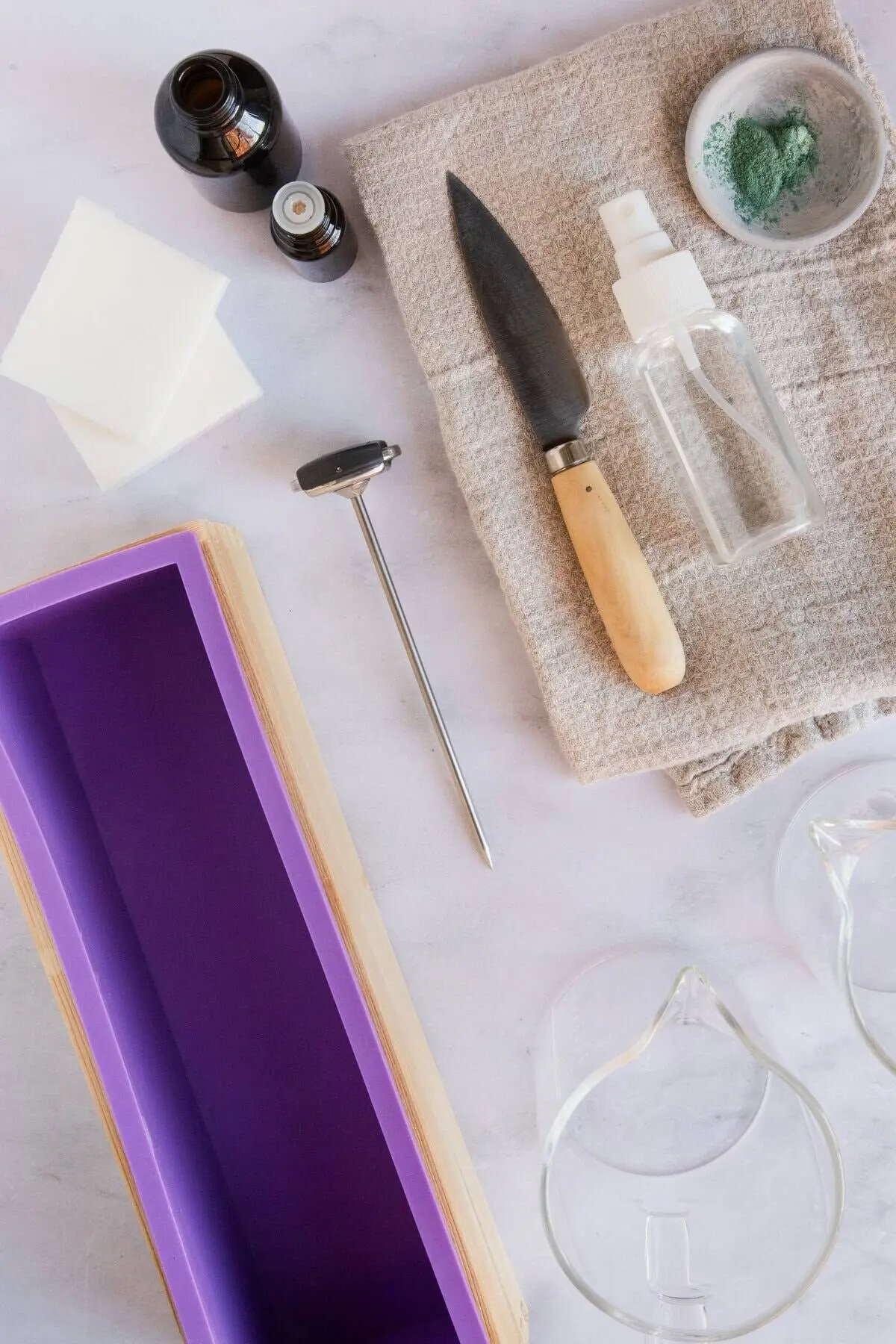
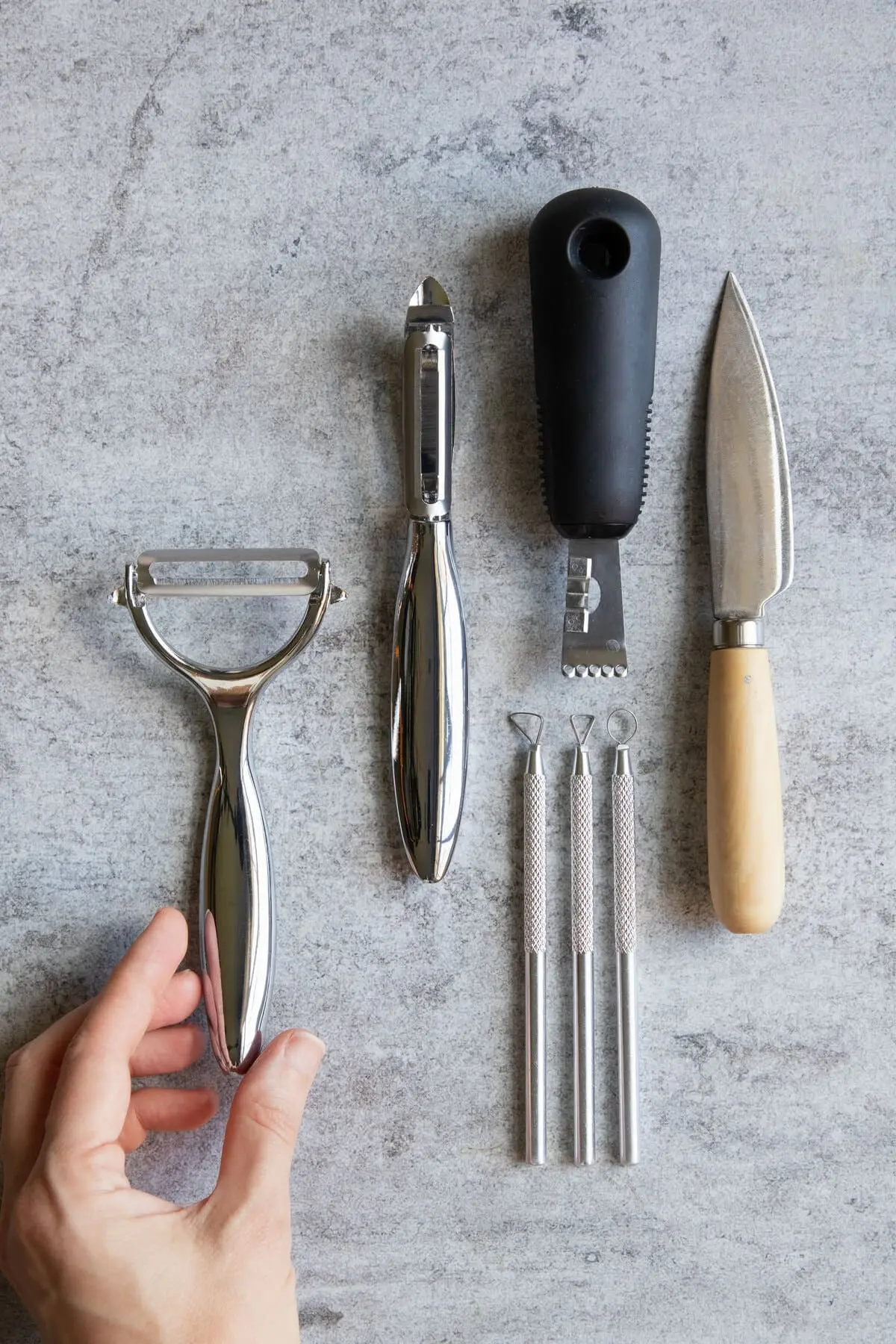
- Low Barrier to Entry: Utilizing household or standard studio tools—such as vegetable peelers, citrus zesters, clay trimming loops, and cheese planers—crafters can achieve professional-grade aesthetic results without purchasing expensive industrial machinery.
Chronology of the Trend: From Studio Monotony to Viral Sensation
The evolution of soap curls from an accidental scrap-saving habit into a deliberate design methodology illustrates the agile nature of modern craft trends driven by digital maker platforms.
- Phase 1: The Scrap Era (Pre-2023): Historically, soap makers used vegetable peelers or planers solely to plane the rough edges, bevel the corners, or clean up the "beveled bases" of finished soap loaves. The resulting shavings were typically discarded or melted down as scrap.
- Phase 2: The Textural Awakening (2023–2024): Independent makers began intentionally pouring thin sheets of colored soap base—utilizing what is now known as the "thin pour method"—to experiment with embedded layers inside transparent loaf molds, creating striking geometric cross-sections.
- Phase 3: The Artistic Embellishment & ASMR Boom (2025–Present): Creators recognized that allowing these thin sheets or peeled ribbons to dry created rigid, delicate structures. By refining peeling techniques with specialized tools, artisans began shaping them into elaborate floral designs, gift box bows, and textured ASMR "crunchy" top layers, propelling the method to viral status across craft blogs, instructional videos, and social media feeds.
Supporting Data & Methodological Toolkit
Achieving professional results requires an understanding of material physics, precise tool selection, and controlled chemistry. Master soap makers recommend standard melt-and-pour safety and preparation standards, supplemented by specific curling implements.

Essential Tooling Matrix
| Tool Type | Output Characteristic | Best Suited For |
|---|---|---|
| Vegetable Peeler | Long, flexible ribbons | Standard decorative curls, wrapping around bars |
| Citrus Zester | Fine, confetti-like shards | Subtle, multi-colored layered interior effects |
| Clay Trimming Tools | Organic, irregular ribbons | Artisanal, rustic-textured top decorations |
| Y-Shaped Peeler | Wider, uniform strips | Hand-formed structural elements and bows |
| Cheese Planer | Thicker, rigid sheets | Structural petals for soap roses and floral designs |
The Core Techniques
- The Standard Block Peel: Pour soap into a single-cavity mold, allow it to cool completely, and run a vegetable peeler or clay trimming tool along the long, flat side of the block. Use a paper towel if glycerin makes the surface slippery.
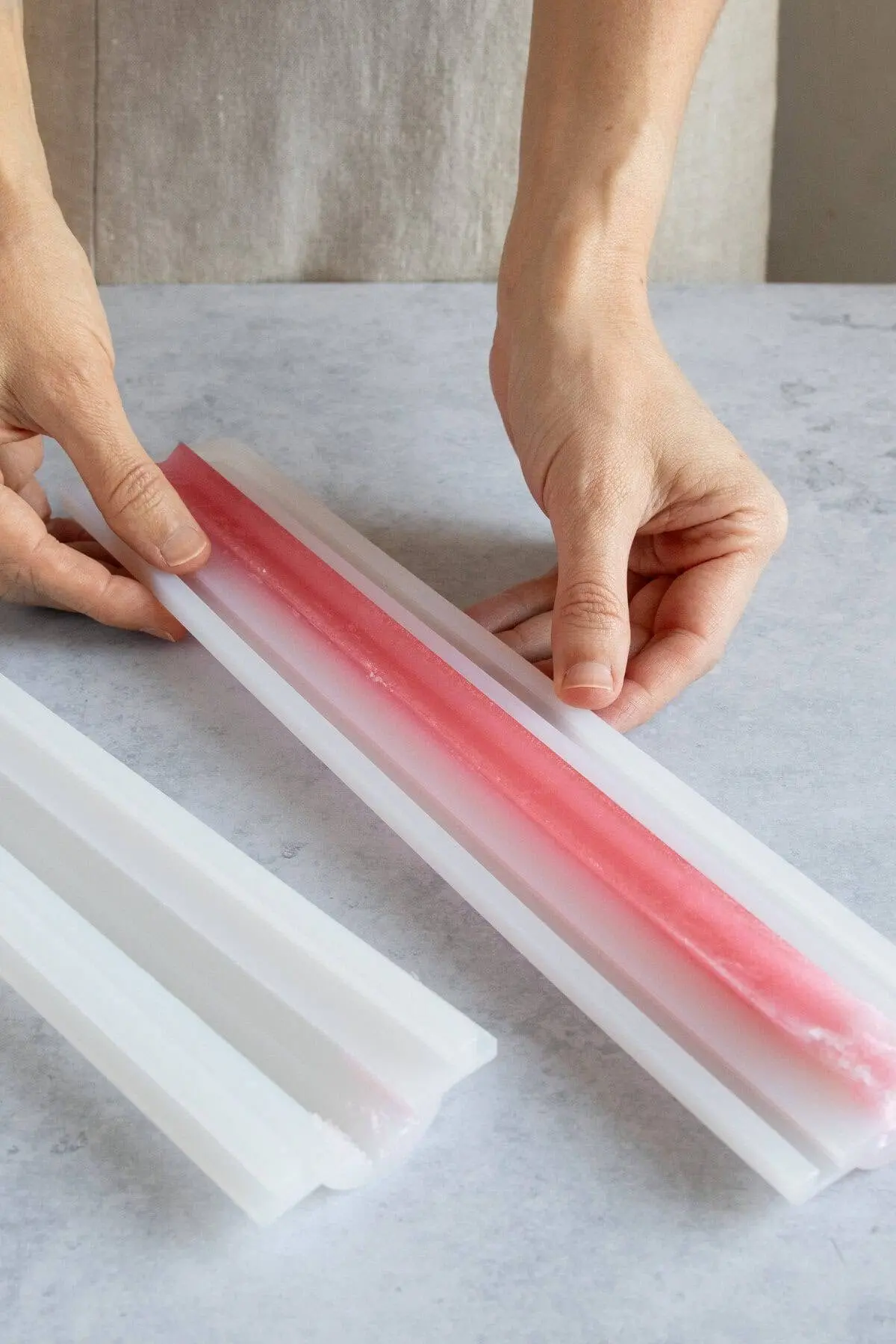
- The Thin Pour Method: Pour approximately 1/16 to 1/8 of an inch of melted soap into a loaf mold. Allow it to set partially for 5 to 10 minutes until it reaches a flexible, leather-hard state. Remove the sheet, cut it into 1-to-2-inch strips, and roll by hand before it fully hardens.
Official Recommendations: Troubleshooting Common Challenges
Transitioning from flat pours to dynamic 3D curls introduces specific manufacturing hurdles. Industry experts and experienced formulators outline key troubleshooting solutions to maintain product integrity:
- Addressing Cracked Curls: If ribbons fracture mid-peel, the soap base lacks elasticity. Solution: Incorporate 1 to 2 tablespoons of liquid vegetable glycerin into the melted soap base prior to pouring to enhance molecular flexibility.
- Mitigating Air Bubbles in Embeds: When embedding curls inside a transparent or opaque loaf, trapped air can ruin the cross-section. Solution: Position embeds at a deliberate angle to allow air pockets to escape during the pour phase. Spray both the mold and the embeds with 99% isopropyl alcohol before and immediately after pouring.
- Preventing Melt-Through: Pouring hot soap directly over delicate curls will cause them to dissolve. Solution: Ensure the over-pour soap has cooled to approximately 140°F (60°C) or lower before application.
- Stabilizing Fragile Shapes: To preserve delicate architectural curls against humidity and handling, lightly mist finished pieces with rubbing alcohol to encourage surface hardening.
Implications: The Future of Artisan Bath and Body Design
The widespread adoption of soap curls carries significant implications for micro-entrepreneurs, gift markets, and the broader DIY wellness sector.

Economic and Market Impact
For small-business owners operating on Etsy, local farmers’ markets, and boutique storefronts, aesthetic differentiation is vital. Standard melt-and-pour bars often struggle to command premium pricing due to the perception that they are "easier" to make than cold process soaps. By incorporating intricate soap curls—such as the holiday gift-box aesthetic featuring golden ribbon bows or hyper-realistic soap roses—artisans can justify higher price points, shifting their brand positioning from basic craft hobbyist to luxury gift purveyor.
Sustainability and Zero-Waste Production
Environmental consciousness continues to drive consumer purchasing decisions. The soap curl technique aligns seamlessly with zero-waste manufacturing principles. Shavings, trimmings, and failed curls do not need to enter landfills; they can be systematically re-melted, repurposed into confetti soaps, or utilized as internal structural scrap, maximizing raw material yield and minimizing overhead costs for independent producers.

The Intersection of Craft and Mindfulness
Beyond commerce, the popularity of soap curls highlights a cultural shift toward tactile, screen-free hobbies and sensory-driven self-care. The multi-week curing process required for "crunchy ASMR soap"—often taking up to five weeks in a well-ventilated space to achieve optimal auditory and tactile feedback—reflects a growing consumer appreciation for slow craftsmanship in an era of instant digital gratification.
Frequently Asked Questions (FAQ)
Q: Can I use any melt-and-pour soap base for making curls?
A: Not all bases perform equally. Bases that are overly soft will yield mushy ribbons that fail to hold their shape, while excessively hard bases tend to crack and shatter upon contact with a peeler. Experimentation across reputable brands is often required to find an optimal balance of firmness and flexibility.

Q: Is glycerin mandatory for the thin-pour method?
A: Glycerin is optional and depends heavily on the specific formulation of your chosen base. While some commercial bases offer innate elasticity, adding supplemental glycerin assists significantly when executing ultra-thin, pliable sheets.
Q: Can soap curls be customized with colorants and fragrances?
A: Yes. Colorants, micas, and cosmetic-grade fragrances should be thoroughly blended into the liquid soap base prior to pouring and setting. Care should be taken to avoid overloading the base with liquid additives, which can compromise the structural integrity of the final curl.

Q: How long must soap curls cure for ASMR applications?
A: To achieve the characteristic rigid, high-pitched crunch valued by ASMR enthusiasts, thin soap curls should be allowed to cure and dry in a well-ventilated, low-humidity environment for approximately 4 to 5 weeks.
Q: Can traditional cold process soap be used for curls?
A: Yes, fully saponified and completely cured cold process soap can be planed and curled, though it generally requires specialized planing tools due to the harder, less elastic nature of cured lye-based soap compared to melt-and-pour alternatives.