Long before the invention of the digital calendar or the glow of the smartphone screen, humanity relied on a much grander clockwork display. Across North America, Indigenous peoples looked up at the night sky and tracked time through the predictable, yet ever-changing, phases of the lunar cycle. Far from being mere poetic monikers, names like the Wolf Moon, Strawberry Moon, or Beaver Moon represent a sophisticated, millennia-old system of ecological observation, environmental stewardship, and deep cultural heritage.
Today, while mainstream society operates almost exclusively on the rigid framework of the solar Gregorian calendar, the traditional names assigned to each full moon continue to capture our collective imagination. Yet, behind these familiar calendar entries lies a complex history of Indigenous timekeeping, European colonial adaptation, and a living tradition that remains deeply relevant to modern ecological awareness.
Main Facts: The Intersection of Cosmos and Ecology
At its core, the traditional naming of full moons was an essential survival mechanism. Without digital databases or centralized weather forecasts, early communities relied on the natural world to signal when to hunt, plant, harvest, or prepare for harsh weather.
In Anishinaabe tradition, the moon is known as Nookomis Dibik-Giizis—Grandmother Moon—and is considered a primary teacher. Unlike the fixed, 12-month solar calendar, early North American lunar systems varied widely by region and tribe. Some cultures defined a year by four seasons, others by five, tracking either 12 or 13 moons depending on the lunar cycle’s alignment with the solar year.
The nomenclature most widely recognized today—popularized largely through publications like The Old Farmer’s Almanac since the late 1700s—originates primarily from the Algonquian-speaking peoples whose ancestral lands stretched from New England to Lake Superior. Among them, the Ojibwe (Chippewa) played a monumental role in preserving lunar traditions, tying vital activities such as copper mining, maple syrup harvesting, wild rice gathering, and birchbark canoe construction directly to celestial movements.
Chronology and Historical Evolution: From Indigenous Roots to Colonial Adaptation
The history of the lunar calendar is a chronicle of cultural blending, environmental adaptation, and preservation.
- Pre-Colonial Era: For thousands of years, sovereign Indigenous nations developed localized timekeeping systems tailored precisely to their geographic realities. Climate differences meant that a tribe in southeastern Ontario experienced spring thaws and animal migrations at different times than a community in North Dakota, resulting in diverse, hyper-local moon names.
- The European Encounter: When European settlers arrived in North America, they brought their own agricultural and folkloric traditions. Medieval European cultures utilized moon monikers like the "Mead Moon" in July, "Grain Moon" in August, and "Barley Moon" in September.
- Colonial Synthesis: Settlers frequently blended their own traditions—such as Celtic and Old English names like the Wolf Moon—with Indigenous observations. Over generations, this fusion created a hybridized calendar that preserved core elements of Native American ecological wisdom while adapting to the realities of a new continent.
- The Modern Era: Today, the preservation of these names faces both revitalization and commercialization. While pop culture embraces terms like "Pink Moon" or "Buck Moon" for stargazing events, Indigenous communities continue to fight for the cultural recognition and respect of these ancestral terms.
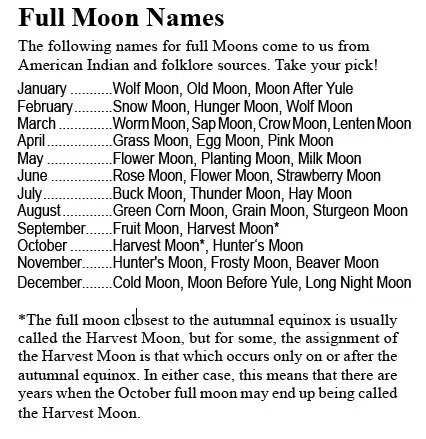
Supporting Data: A Journey Through the Twelve Moons
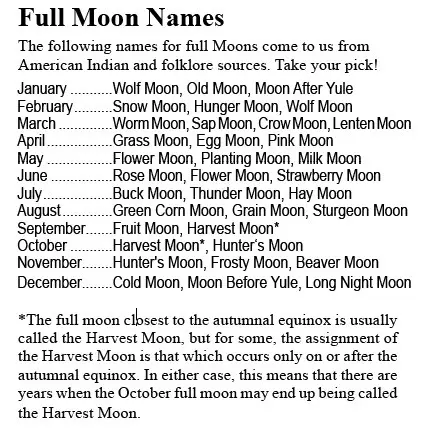
To truly understand the depth of these lunar markers, one must look at how they mirror the changing seasons. The year-long cycle tells a story of endurance, renewal, abundance, and preparation.
Winter Moons: Survival and Endurance
- January – Wolf Moon: Often attributed to Old English origins describing the howling of hungry midwinter wolves, Indigenous names for this period include the Severe Moon and Center Moon, highlighting the brutal realities of freezing temperatures.
- February – Snow Moon / Hunger Moon: Marking winter’s peak, this moon reflects scarce food sources (Hunger Moon), the birth of bear cubs (Bear Moon), or the reliance on sucker fish for winter survival, as noted by the Ojibwe.
Spring Moons: Renewal and Growth
- March – Worm Moon: Named for the reappearance of earthworm casts as the ground softens, signaling the return of robins. Northern tribes often called it the Crow Moon, alongside names like Snow Crust Moon and Sap and Sugar Moon.
- April – Pink Moon: Named after the pink phlox wildflowers blooming across early spring landscapes in North America. The Ojibwe traditionally observed this as the maple sap boiling moon, while other groups referred to it as the Breaking Ice Moon.
Summer Moons: Abundance and Activity
- May – Flower Moon: Celebrates the explosion of floral growth and serves as a traditional marker for planting corn.
- June – Strawberry Moon: Signifies the ripening of wild strawberries. Coastal tribes similarly named it the Fish Moon as shad began swimming upstream.
- July – Buck Moon / Thunder Moon: Named because male deer antlers grow at full force during this period, coinciding with frequent summer thunderstorms.
- August – Sturgeon Moon: Marks the peak catch for sturgeon in the Great Lakes region. For the Ojibwe, this moon (Manoomini-giizis) is critically important, signaling the sacred season to harvest wild rice.
Autumn Moons: Harvest and Preparation
- September – Harvest Moon: The full moon closest to the autumnal equinox, signaling the gathering of core agricultural staples like corn, beans, squash, and wild rice.
- October – Hunter’s Moon: Historically recognized as the optimal time for hunting, as game animals fattened up over the summer and cleared fields made tracking easier.
- November – Beaver Moon: Signals the time to set beaver traps before swamps froze to secure warm winter pelts, or observes the heightened dam-building activity of beavers preparing for winter.
- December – Cold Moon: Characterized by heavy snowfalls, long nights, and challenging survival conditions, occasionally referred to as the Long Night Moon.
Official Responses and Cultural Perspectives
As public interest in astronomy and native heritage grows, cultural historians, environmentalists, and Indigenous leaders have increasingly emphasized the need for ethical engagement with traditional knowledge.

Representatives from various tribal historic preservation offices emphasize that moon names are not mere novelties to be commercialized for social media stargazing events. They are sacred components of a holistic worldview.
"These names are living testaments to our ancestors’ intricate understanding of the land," notes an educator within the Anishinaabe community. "When people use terms like Manoomini-giizis or look to Gookomisinaan dibik-giiziso-mazina’igan (the traditional lunar calendar), they are tapping into an unbroken chain of environmental stewardship."
Scholars stress that modern users must move beyond passive consumption of these names. True appreciation requires recognizing the specific tribal nations—such as the Ojibwe, Cherokee, Lakota, and hundreds of others—that historically inhabited and stewarded the lands where these traditions took root.
Implications: Climate Change and the Living Tradition
The significance of the traditional lunar calendar extends far beyond historical reflection; it holds profound implications for contemporary environmental science and climate adaptation.
Because Indigenous lunar naming systems were inherently flexible and responsive to local ecosystems, they serve as historical baselines for ecological change. Today, as climate change alters seasonal patterns—shifting migration routes, throwing plant blooming schedules into disarray, and melting ice packs prematurely—many Native American communities are adapting their traditional timekeeping practices to document these shifts.
For instance, when unseasonable warmth causes maple sap to run weeks earlier than it did a century ago, the traditional alignment between the moon and seasonal harvesting is disrupted. By continuing to practice lunar-based observation, Indigenous scientists and land stewards are on the front lines of tracking ecological volatility in real-time.
Furthermore, integrating this wisdom into modern environmental education offers a path toward deeper ecological literacy. Nature enthusiasts, conservationists, and urban stargazers who learn to observe the natural world through the lens of traditional moon cycles cultivate a more profound respect for local biodiversity.
Ultimately, honoring the cultural heritage behind full moon names invites modern society to step back from rigid digital schedules and re-engage with the rhythms of the natural world. By acknowledging the Indigenous wisdom that birthed these names, we bridge the gap between ancient sky-watchers and today’s environmental guardians—reminding us that under Grandmother Moon, we all share the responsibility of listening to the earth.