







By the Roomhints Editorial Team
Part of the Roomhints Designer Spotlight Series
Main Facts
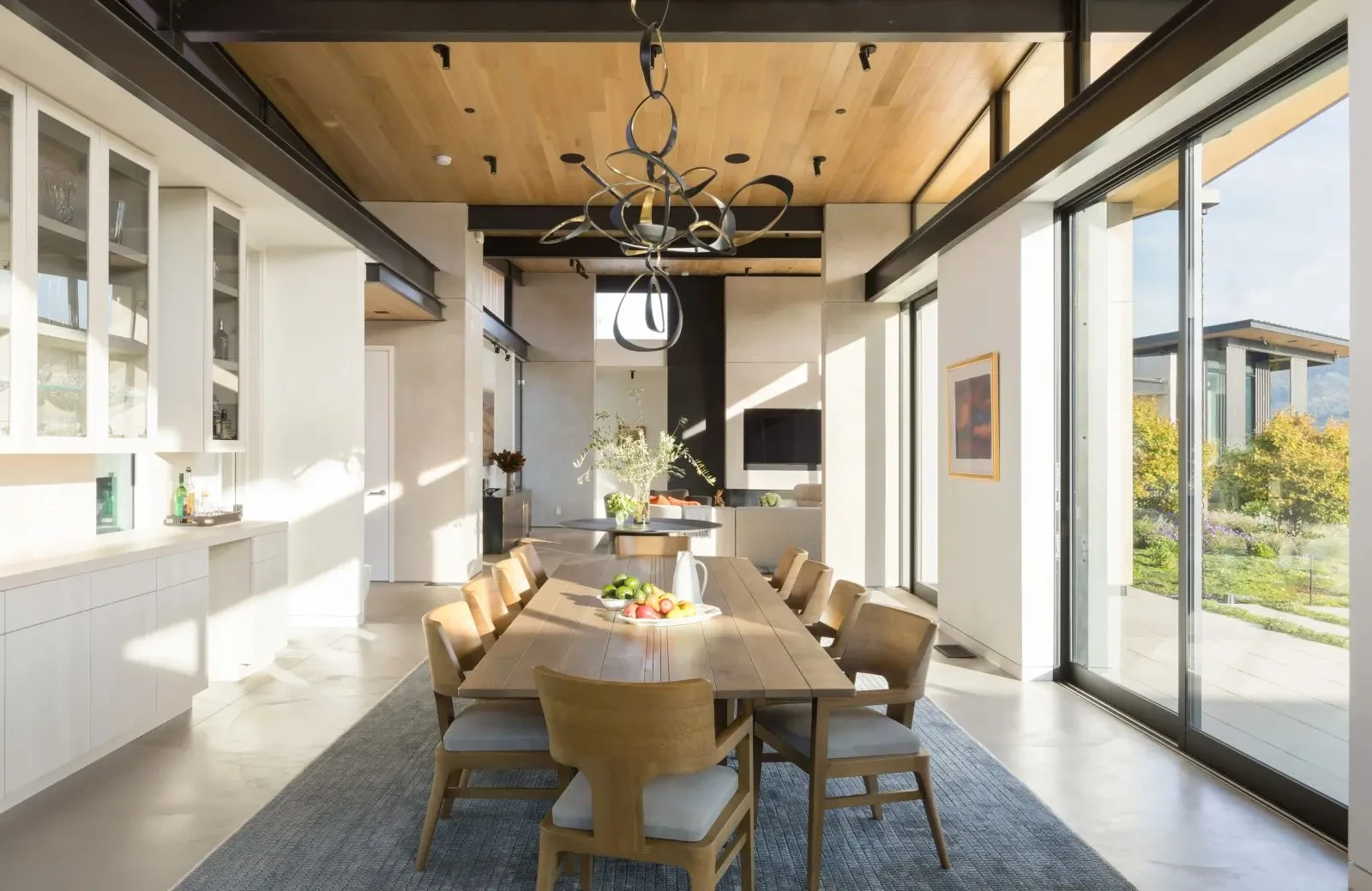
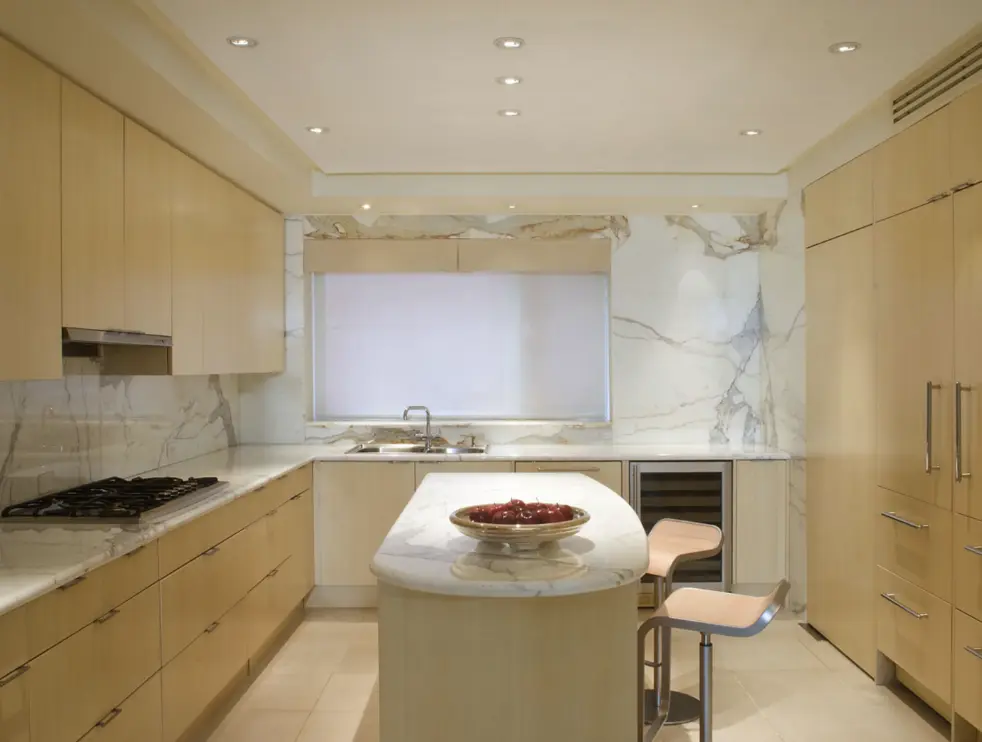
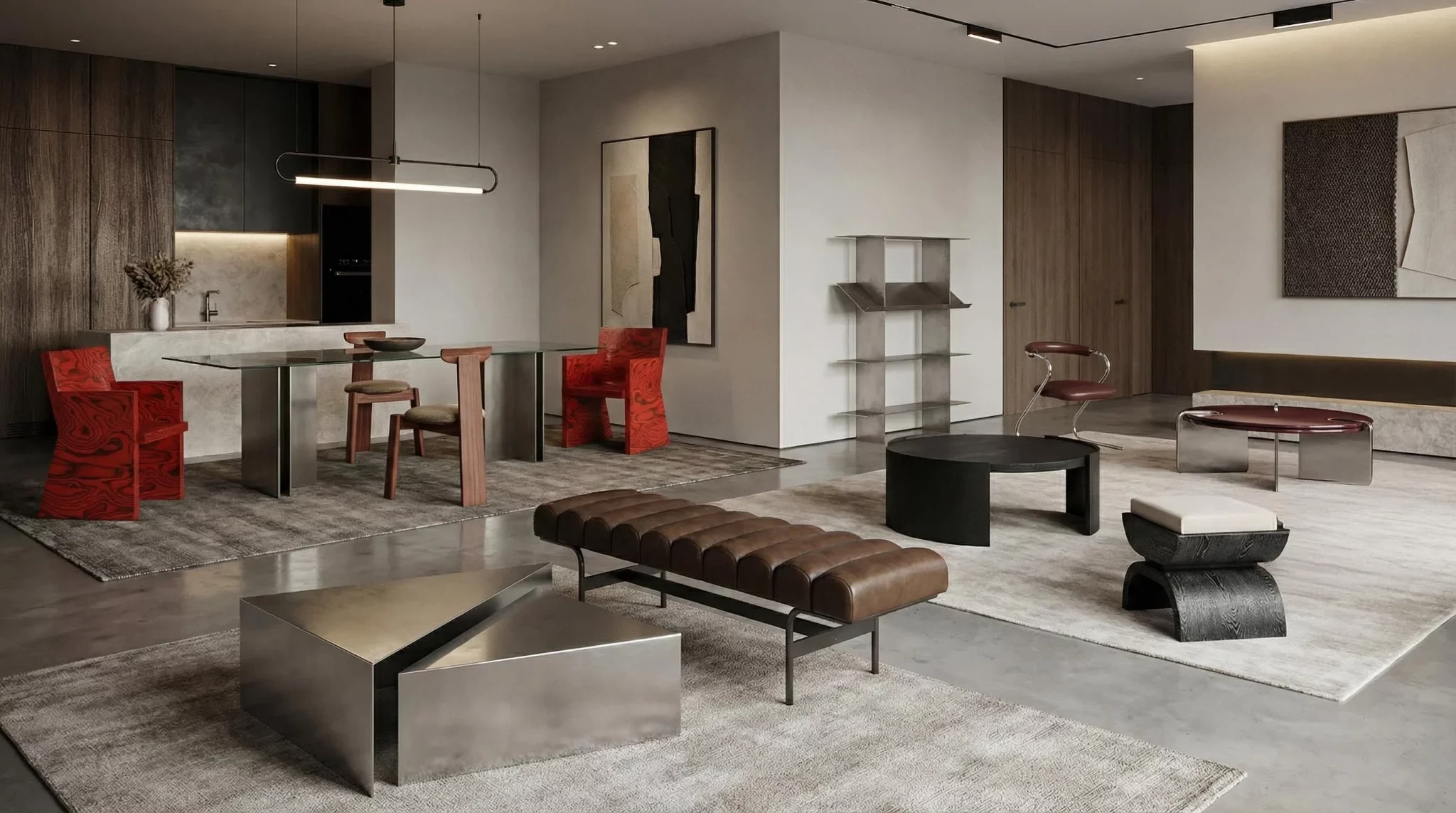
In the upper echelon of residential interior architecture, few names command the quiet reverence associated with Martin Kobus. As the principal of Kobus Interiors, the Dutch-born designer has spent decades cultivating a distinctive signature defined by three unwavering pillars: clean lines, subtle gestures, and uncompromising luxury. For Kobus, these are not merely design aspirations or fleeting trends; they represent a rigorous personal discipline and a foundational philosophy.
Operating from the United States with a distinctly European sensibility, Kobus brings a lifetime of design immersion to his high-end residential projects. His approach bridges the often-volatile gap between client desires and professional execution. Eschewing the role of a mere decorator who executes superficial updates, Kobus functions as a master builder of environments—guiding clients with a firm hand, deep psychological insight, and an unyielding commitment to spatial integrity.
Key takeaways from the designer’s philosophy include:
- The Core Aesthetic: Clean, subtle, and luxurious interiors that reject excess in favor of refined proportion.
- The Leadership Dynamic: Giving clients what they explicitly ask for while steering the project toward what it objectively needs.
- The Invisible Layer: Prioritizing holistic sensory design—most notably ambient fragrance—as the ultimate finishing touch of a room.
- The Guiding Principle: Absolute flexibility when confronting the realities of construction and client evolution.
Chronology: The Evolution of a Master Aesthetic
To understand the precision that Martin Kobus brings to modern American interiors, one must look backward across his trajectory, which spans European roots, global inspirations, and defining architectural milestones.

Early Foundations and European Precision
Born and raised in the Netherlands, Kobus was immersed in a cultural landscape that values architectural restraint, functionality, and historical respect. European design culture—particularly the Dutch tradition of maximizing light, space, and understated materiality—left an indelible mark on his worldview. Long before establishing his own firm, Kobus absorbed the nuances of spatial arrangement, developing a natural instinct for how rooms breathe and how humans interact within them.
Global Influences and Intellectual Touchstones
As his career matured, Kobus expanded his visual and structural vocabulary through extensive international travel and the study of architectural masters. Chief among his philosophical influences is the late French designer Christian Liaigre. Known for redefining high-end residential design through restrained palettes, tactile woods, and a quiet, sophisticated luxury, Liaigre provided a blueprint for how to create spaces that feel both monumental and intimately livable. Simultaneously, Kobus looked closely at the world of luxury hospitality. High-end resorts present a unique design challenge: they must feel instantly inhabitable, deeply considered, and entirely devoid of generic corporate styling. Kobus successfully translated these hospitality lessons into private residential architecture.
The Rancho Mirage Breakthrough
If a designer’s career is marked by milestones, the completion of a dream estate in Rancho Mirage, California, stands as the zenith of Kobus’s portfolio thus far. Nestled in the dramatic, sun-scorched desert landscape of Southern California, the project tested the limits of spatial confidence. Rancho Mirage is a locale where fierce, unforgiving desert light exposes every architectural flaw and highlights every design triumph. The successful completion of this estate cemented Kobus Interiors’ reputation for mastering complex lighting conditions, regional architectural integration, and grand-scale luxury.
Supporting Data and Design Philosophy
While the casual observer often reduces interior design to a matter of color palettes and furniture selection, Kobus’s operational framework treats design as a complex matrix of psychology, structural tension, and sensory engagement.
The Psychology of Space
According to Kobus, more than half of a successful residential project has nothing to do with physical materials and everything to do with human psychology. Designing a home requires decoding the client—understanding how they move through space, identifying their unspoken domestic fears, and translating hidden desires into tangible architecture.

- Listening vs. Leading: Kobus emphasizes that a designer must listen carefully during the discovery phase, yet lead with absolute conviction during execution.
- Creative Tension: The finest rooms are born in the friction between what a client imagines and what an experienced designer knows is structurally and aesthetically possible. Navigating this tension separates average decorators from elite architectural designers.
The Sensory Architecture: Beyond the Visual
Perhaps the most telling aspect of Kobus’s philosophy is his answer to what finishing touch most transforms a space. Eschewing traditional answers like statement artwork, lighting fixtures, or decorative accessories, Kobus points to fragrance.
- Olfactory Design: By treating scent as a critical layer of the design process, Kobus acknowledges that true luxury engages all five senses. A room is not merely a visual composition to be photographed; it is an immersive environment experienced through touch, sound, and smell.
Official Perspectives and Quotes
Martin Kobus’s philosophy is best understood through his own reflections on the craft of interior architecture:
"We are a design firm that believes in giving the client what they want, but to drive the project in our direction. Clean, subtle, luxurious interiors are our hallmark."
This quote encapsulates the delicate balancing act required in luxury residential commission work. It highlights a refusal to pander to superficial trends while simultaneously respecting the emotional investment of the homeowner.
On the ground-level realities of executing a vision, Kobus distills his philosophy into a single, critical word: flexibility.

"The ability to respond—to a space, to a client, to the unexpected reality of a project as it unfolds—is what separates competent interiors from exceptional ones. No plan survives contact with a real building entirely intact. The designer who can adapt without losing their vision is the one whose rooms are worth living in."
Implications for the Future of Luxury Design
The design philosophy practiced by Martin Kobus carries significant implications for the broader world of high-end interior architecture. As consumers become increasingly fatigued by fast-moving internet trends and maximalist "cluttercore" aesthetics, the demand for clean, subtle, and durable luxury is surging.
- The Shift Toward Timelessness: Kobus’s reliance on the principles championed by Christian Liaigre points to a broader industry pivot back toward sustainable, material-focused, and timeless design. Homes built today must endure culturally and structurally for decades, rejecting disposable aesthetics.
- Holistic Sensory Engagement: By introducing olfactory and tactile considerations into the primary phase of architectural planning, Kobus challenges the Instagram-driven era of interior design. Homes are increasingly evaluated not just on how well they photograph from a single angle, but on how they feel, sound, and smell to the inhabitants living within them day in and day out.
- The Redefinition of Client Relationships: As ultra-high-net-worth clients seek sanctuary from an increasingly chaotic world, the designer’s role is shifting toward that of a trusted psychological confidant. Designers who can navigate client anxieties, provide visionary leadership, and adapt fluidly to structural surprises will continue to define the pinnacle of the profession.
To explore Martin Kobus’s portfolio and learn more about his ongoing residential projects, visit martinkobushome.com.
This article is part of the Roomhints Designer Spotlight series, dedicated to profiling the visionary minds shaping the rooms that matter most.