









By Roomhints Editorial Team
Part of the Roomhints Designer Spotlight Series
Main Facts
In the rarefied world of high-end residential interior architecture, few names command the quiet, understated reverence reserved for Martin Kobus. As the principal of Kobus Interiors, the Dutch-born, US-based designer has carved out a distinct niche defined by an uncompromising trifecta of principles: clean lines, subtle gestures, and absolute luxury. For Kobus, these are not mere catchphrases tossed about in client pitches; they are disciplines—honed over a lifetime of immersion in the European design tradition—that dictate how a space should look, feel, and function.
Operating with a philosophy that balances client empowerment with unwavering professional direction, Kobus believes that true design leadership requires navigating the delicate tension between what a client thinks they want and what a space ultimately demands. His portfolio spans coast-to-coast masterpieces, punctuated most notably by a breathtaking desert estate in Rancho Mirage, California. Yet, despite his mastery over spatial geometry, material palettes, and architectural lighting, Kobus insists that more than half of his job is rooted entirely in psychology. Furthermore, he argues that the true signature of a transformative interior isn’t visual at all—it is fragrance.
Chronology
The trajectory of Martin Kobus’s career is a testament to lifelong immersion, cross-cultural influence, and the gradual refinement of an unmistakable aesthetic language.
- Early Foundations (The European Years): Immersed in the nuances of design from a young age in the Netherlands, Kobus absorbed the rigorous traditions of European craftsmanship and spatial precision. This formative environment instilled in him an innate understanding of proportion, scale, and material integrity that would later form the backbone of his American practice.
- Establishing Kobus Interiors: Relocating to the United States, Kobus founded his eponymous firm with a distinct mandate: to reject ephemeral trends in favor of timeless, sophisticated restraint. Drawing heavy inspiration from the material-focused philosophies of legendary French designer Christian Liaigre and the atmospheric perfection of high-end global resorts, Kobus began shaping residences that felt simultaneously monumental and deeply intimate.
- The Rancho Mirage Breakthrough: Years of architectural exploration culminated in the execution of a dream estate in Rancho Mirage, California. Set against the harsh, dramatic light and unforgiving landscape of the desert, this project served as a career-defining crucible where Kobus’s philosophy of marrying indoor architecture with outdoor elements was fully realized.
- Present Day & Ongoing Evolution: Today, Kobus continues to push the boundaries of luxury residential design from his US base. Through the continuous refinement of his practice—emphasizing adaptability, psychological attunement, and multisensory finishing touches—he remains a vital voice in contemporary interior architecture, featured prominently in ongoing critical spotlights such as the Roomhints Designer Series.
Supporting Data & Design Philosophy
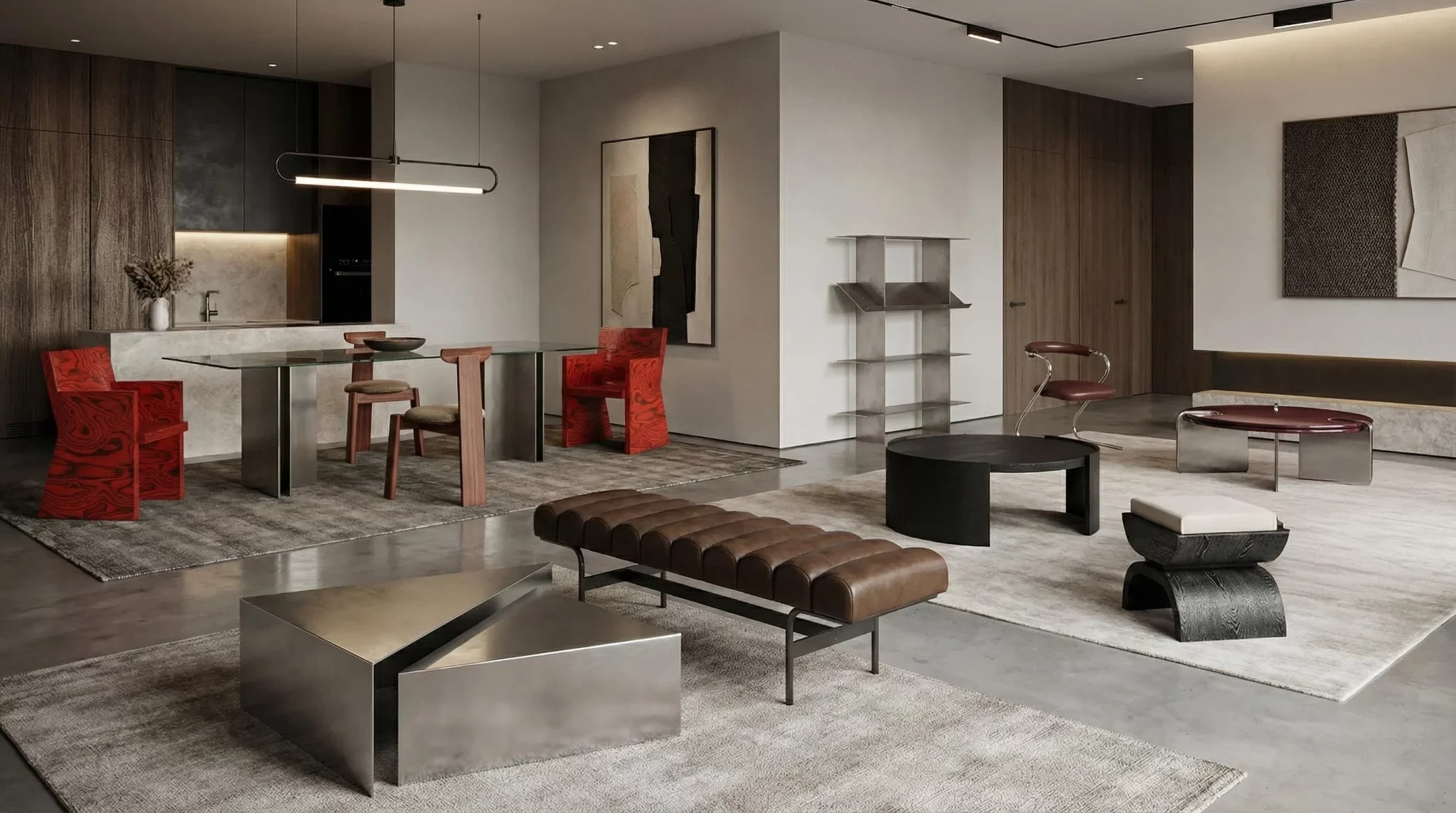
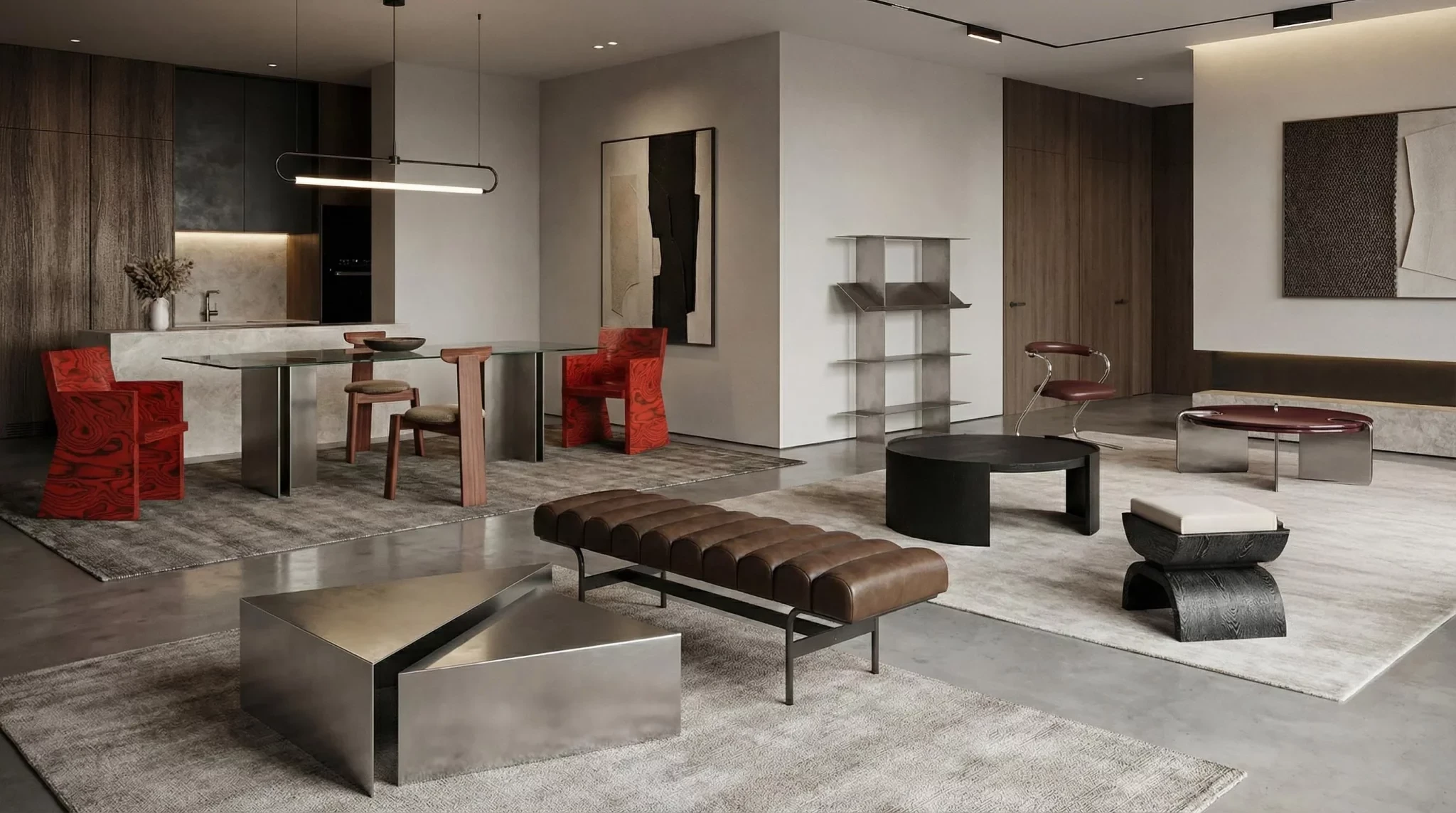
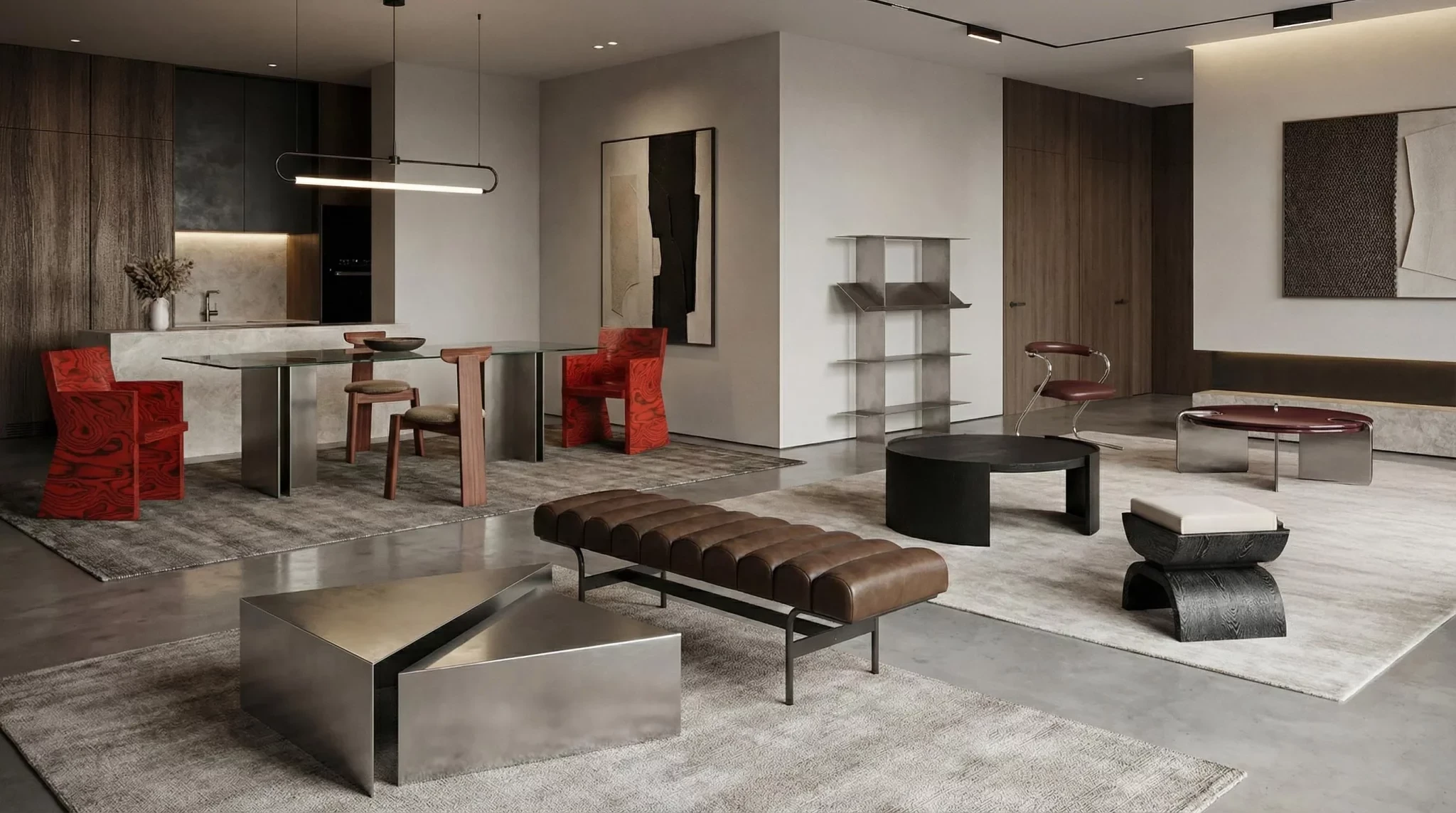
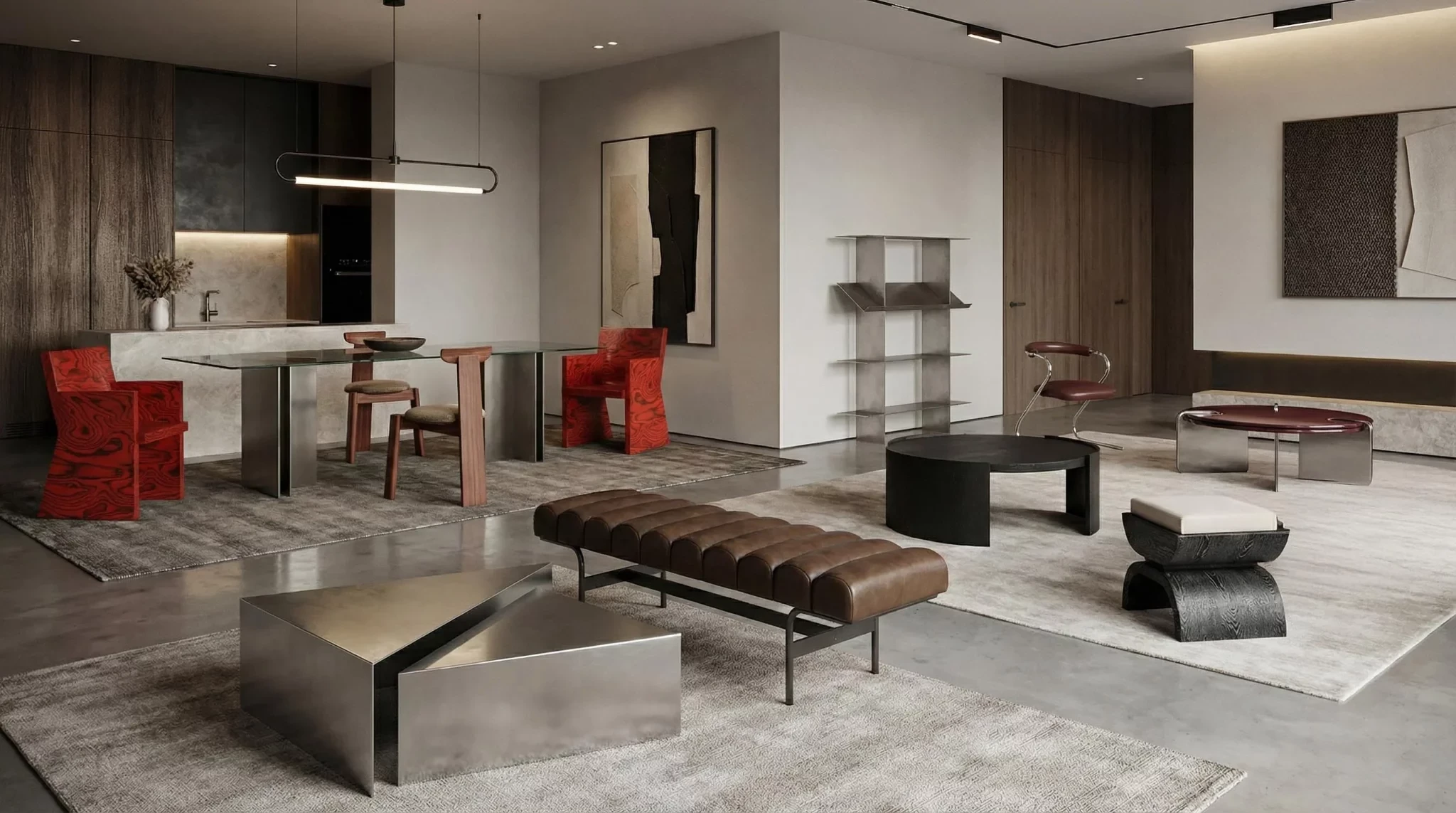
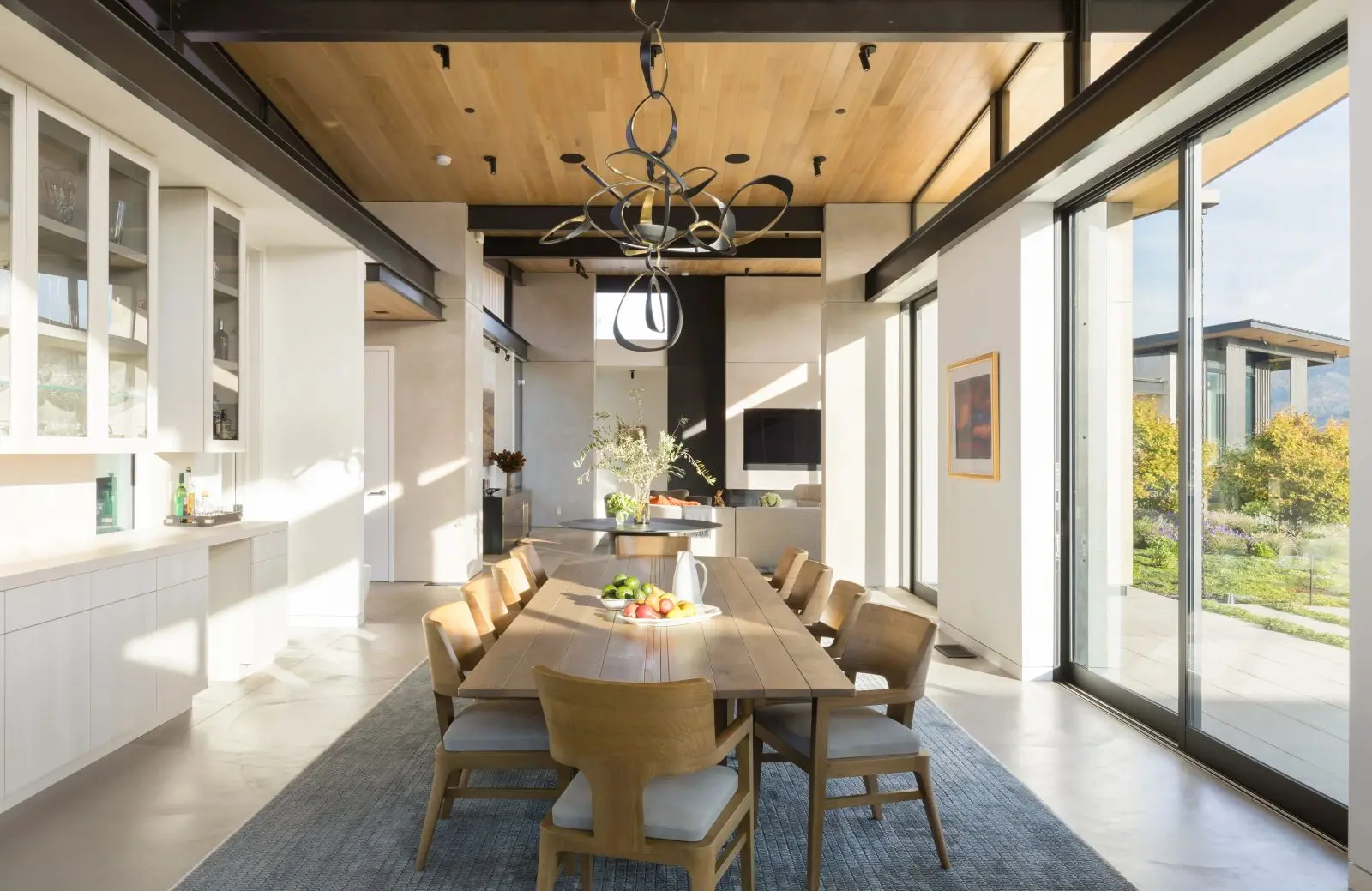
To understand a Martin Kobus interior is to examine a masterclass in reductionism. Where others might rely on ornamentation to inject personality into a room, Kobus achieves impact through subtraction, allowing materials, light, and volume to speak for themselves.

The Core Pillars of Kobus Interiors
- Clean, Subtle, Luxurious: These three descriptors form the bedrock of the firm’s visual identity. "Clean" speaks to uncluttered spatial layouts and architectural clarity; "subtle" points to a muted, sophisticated color palette and restrained detailing; "luxurious" is expressed not through ostentatious display, but through the tactile honesty of premium natural materials—rich woods, fine leathers, quiet stones, and artisanal textiles.
- The Client-Designer Dynamic: Kobus openly acknowledges the push-and-pull inherent in high-end residential commissions. His firm operates on a dual-track philosophy: “We are a design firm that believes in giving the client what they want but to drive the project in our direction.” This calibrated tension ensures that while homeowners feel heard and accommodated, they are safely guided away from myopic trends and toward timeless design solutions.
- The Psychology of Space: According to Kobus, the drafting table and material library account for less than half of an interior designer’s workload. The remainder is pure psychology. Understanding a client’s daily rhythms, hidden insecurities, unspoken desires, and lifestyle nuances is paramount. The physical room is merely the final artifact; the genuine skill lies in the therapeutic, exploratory conversations that precede it.
- The Power of Agility (Flexibility): When pressed to name his single most critical design principle, Kobus offers one word: flexibility. In the crucible of high-stakes construction, blueprints rarely survive contact with reality intact. The capacity to adapt dynamically to structural surprises, shifting client moods, and unforeseen site conditions—all without compromising the overarching vision—distinguishes a competent decorator from an elite architect.
Official Responses & Insights
In exclusive reflections shared with Roomhints, Martin Kobus delves deeper into the philosophical underpinnings of his work, revealing the unconventional inspirations and sensory benchmarks that guide his creative process.
On Inspiration and Mentorship
Kobus looks far beyond the traditional boundaries of residential interior design for creative fuel. His mood boards are populated by the austere, material-driven elegance of Christian Liaigre—the visionary who redefined modern luxury by championing understated wood finishes, leather upholstery, and clean silhouettes—alongside the world’s most exclusive luxury resorts.
"Luxury resorts represent the highest-stakes version of the hospitality problem," Kobus notes. "How do you create spaces that feel immediately inhabitable, deeply considered, and entirely un-generic to thousands of rotating guests? That level of welcoming precision is what we try to bring home to residential clients."
Coupled with the expansive perspective gained through international travel, these influences allow Kobus to construct environments that feel rooted yet worldly.
On the Multisensory Interior
Perhaps the most revealing insight from Kobus concerns the finishing touch that truly transforms a completed space. While most designers might point toward a statement art piece, a meticulously calibrated lighting scheme, or a final layer of bespoke accessories, Kobus looks entirely past the visual spectrum.

"The scent of a room is what ultimately brings it to life," Kobus explains.
This philosophy underscores a holistic approach to architecture and design. For Kobus, a room is not a static painting to be viewed from behind a velvet rope; it is an immersive, living ecosystem that must engage every human sense—sight, touch, acoustics, and olfaction—to achieve true greatness.
Implications
The design philosophy championed by Martin Kobus offers profound implications for the broader architecture and interior design industry, particularly as consumer expectations evolve in the 21st century.
1. The Shift from Display Wealth to Experiential Luxury
For decades, high-end residential design was frequently synonymous with visible opulence—grand chandeliers, gilded moldings, and overtly expensive finishes designed to impress visitors. Kobus’s work signals a definitive cultural pivot toward experiential luxury. By prioritizing tactile comfort, psychological ease, and multisensory integration (such as ambient scenting), designers like Kobus are redefining luxury as a deeply personal, restorative state of being rather than a public status symbol.
2. The Evolution of the Designer-Client Relationship
As clients become increasingly exposed to global design trends via digital platforms, they often arrive at initial consultations with rigid, highly curated Pinterest boards and preconceived notions. Kobus’s model—acknowledging client desires while firmly steering the ship—provides a vital blueprint for modern practitioners. It demonstrates that the value of an elite designer lies not in acting as a passive ordering service, but in serving as a trusted psychological guide and artistic director.

3. Desert Modernism and Environmental Harmony
The completion of the Rancho Mirage estate highlights the growing demand for architectural sensitivity in extreme climates. As developers and homeowners increasingly look to desert environments, the traditional rules of suburban or urban building fall short. Kobus’s success in Rancho Mirage proves that contemporary interiors must engage in a sophisticated dialogue with harsh natural light and unforgiving landscapes, utilizing restraint and material gravity to ground expansive, sun-drenched structures.
Martin Kobus is based in the United States. To explore his portfolio and architectural projects, visit martinkobushome.com.
This feature is part of the ongoing Roomhints Designer Spotlight series, dedicated to profiling the visionary architects and designers shaping the rooms that matter most.