





BOSTON, MA — For centuries, plant-based medicine served as the foundation of human healthcare, bridging the gap between survival and wellness. Today, as contemporary society experiences a profound renaissance in holistic health, alternative therapies, and natural remedies, public interest in herbalism has skyrocketed. Yet, this renewed enthusiasm introduces a complex challenge for modern practitioners and hobbyists alike: navigating the vast, often overwhelming landscape of botanical medicine safely.
With thousands of medicinal plants available globally, each possessing multiple species variations, distinct preparation methods, and diverse pharmacological profiles, stepping into the world of herbalism can easily intimidate newcomers. Recognizing this critical barrier to entry, the acclaimed Herbal Academy has introduced a definitive solution. Through its newly unveiled Herbal Safety Intensive, hosted within its digital membership portal, The Herbarium, the institution aims to establish an industry standard for responsible, empirical, and empowered plant-based practice.
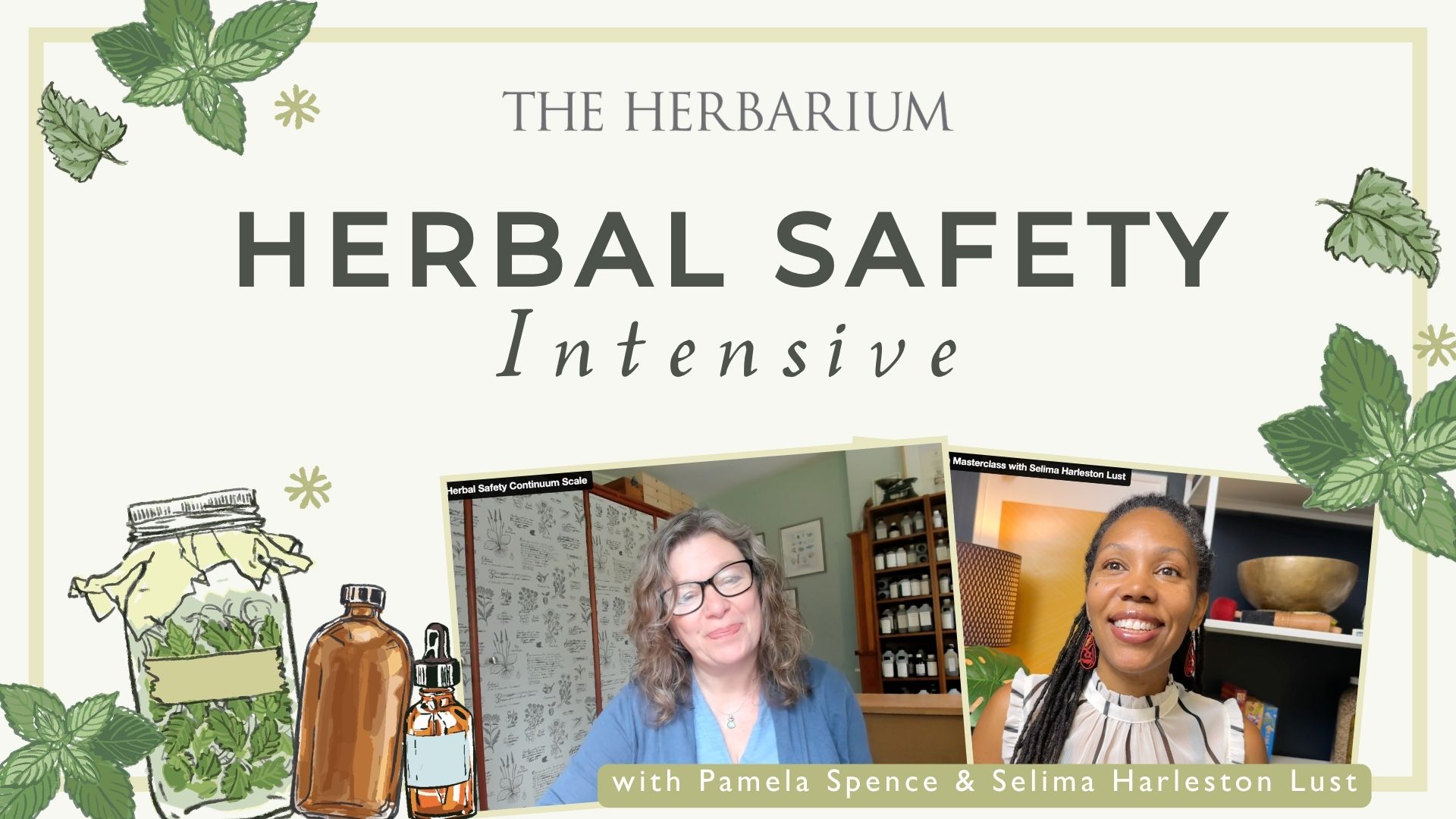
Spearheaded by veteran clinical herbalists and lead educators Pamela Spence, MNIMH, and Selima Harleston Lust, the new curriculum introduces specialized pedagogical tools—chief among them the Herbal Safety Continuum Scale—designed to demystify dosages, mitigate herb-drug interactions, and teach aspiring herbalists how to discern credible research from internet misinformation.
Main Facts: The Core of the Herbal Safety Intensive
At its core, the newly released Herbal Safety Intensive is structured to bridge the gap between traditional herbal wisdom and modern clinical safety. The program tackles the fundamental anxieties faced by individuals eager to incorporate plants into their wellness routines: Which herbs are safe? How much should I take? How do I know my sources are reliable?
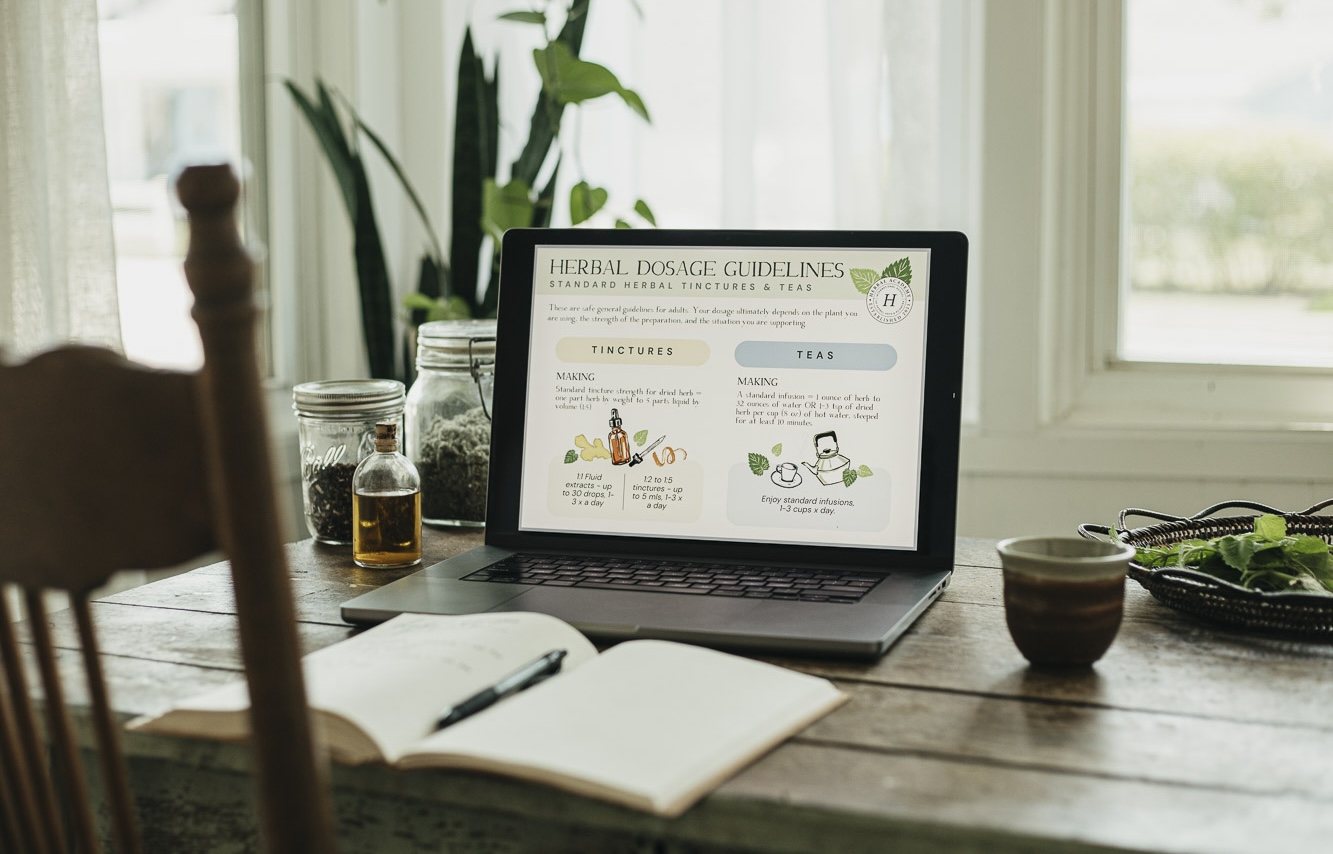
The curriculum is divided into five targeted educational sessions, each addressing a critical pillar of clinical herbalism:
- The Herbal Safety Continuum Scale: A visual and practical ranking system categorizing botanicals by potency.
- Determining Herbal Dosage: Step-by-step methodologies for calculating safe amounts based on plant preparation and concentration.
- Dosing Acute-Use Herbs: Guidelines for safely administering short-term botanicals during active illnesses.
- Sensitive Populations & Herb-Drug Interactions: Tailored protocols for children, pregnant women, the elderly, and those on pharmaceutical regimens.
- Finding Safe Herbal Information: Critical evaluation tools to help students spot red flags and identify evidence-backed resources.
These modules are integrated directly into The Herbarium, the Herbal Academy’s expansive digital library, joining an extensive catalog of masterclasses, monographs, and specialized intensives.
Chronology: The Evolution of Modern Herbal Education
To understand the significance of the Herbal Safety Intensive, it is helpful to trace the modern evolution of herbal education from isolated folk traditions to structured clinical instruction.
- Pre-2010s (The Era of Fragmented Information): For decades, individuals interested in herbalism relied heavily on localized folklore, out-of-print field guides, or unverified online blogs. While passionate communities existed, standardized safety metrics regarding dosages and contraindications were rarely unified.
- The Rise of Digital Learning Platforms: As the wellness industry expanded, organizations like the Herbal Academy stepped in to bridge institutional herbalism and accessible home education. The creation of digital portals like The Herbarium transformed how students accessed verified monographs and clinical data.
- The Shift Toward Rigorous Clinical Standards: Over the last decade, the integration of herbalism with mainstream healthcare underscored an urgent need for formal safety boundaries. Clinicians increasingly demanded frameworks that could safely address potential interactions between botanical remedies and pharmaceutical drugs.
- The Launch of the Herbal Safety Continuum Scale (Present Day): Culminating years of clinical observation and educational refinement, educators Pamela Spence and Selima Harleston Lust codified a spectrum-based approach to herbal potency. The subsequent release of the Herbal Safety Intensive marks a milestone in standardizing how everyday practitioners learn to assess, source, and administer plants safely.
Supporting Data: Understanding the Herbal Safety Continuum Scale
The cornerstone of the new curriculum is the Herbal Safety Continuum Scale, a specialized ranking model developed by the Herbal Academy’s clinical team. Designed to replace guesswork with empirical structure, the scale ranks botanicals from 1 to 5 based on their intrinsic potency, physiological impact, and required level of user expertise.
Breaking Down the Scale:
- Levels 1 & 2 (Nourishing and Gentle): These categories encompass everyday culinary and wellness herbs—such as chamomile, peppermint, and oat straw—that are exceptionally safe, gentle, and generally suitable for long-term daily consumption. They carry minimal risk of adverse side effects, making them ideal starting points for beginners.
- Levels 3 & 4 (Active and Systemic Support): These botanicals possess more pronounced physiological effects and require a moderate understanding of herbal actions. They are typically indicated for specific seasonal adjustments or targeted support and may carry minor contraindications.
- Level 5 (Potent and Specialized): Representing the most powerful botanicals in the pharmacopeia, Level 5 herbs demand advanced clinical training, precise weight-based or volumetric dosing, and strict adherence to duration limits. Misuse of these plants can lead to adverse reactions or toxicity.
By grounding their practice in this framework, students learn to restrict their early home use to Levels 1 and 2, systematically building competence before engaging with more potent flora.
Official Responses and Expert Insights
The development of the intensive draws heavily upon the extensive clinical backgrounds of its creators, who emphasize that empowerment in herbalism must always walk hand-in-hand with responsibility.
"The first step in becoming a confident herbalist is to have an in-depth understanding of the herbs you are working with," explains Pamela Spence, MNIMH, lead herbalist educator at the Herbal Academy. "This can feel overwhelming initially, as there are so many herbs, multiple ways to use each one, and a range of safety considerations to keep in mind. By introducing frameworks like the Herbal Safety Continuum Scale, we aim to empower practitioners to move forward with absolute clarity and confidence."
In tandem with dosage and scaling, the curriculum places equal emphasis on information literacy—a vital concern in an era dominated by unverified social media wellness trends. Selima Harleston Lust, co-educator and clinical herbalist, highlights the importance of intellectual discernment:
"Trusted herbal information is just as important as foundational tools," Lust notes. "Teaching students how to find reputable, experience-backed herbal sources as they research an herb’s characteristics ensures they can trust what they are learning and steadily develop true clinical discernment."
Implications: What This Means for Practitioners, Consumers, and Modern Healthcare
The introduction of structured safety frameworks like the Herbal Safety Intensive carries wide-ranging implications for the broader wellness landscape.
1. Elevating Home Herbalism Standards
For the everyday consumer and kitchen herbalist, access to a standardized scale removes the fear of trial-and-error. Rather than abandoning natural remedies out of caution, individuals are equipped with clear boundaries that encourage safe experimentation within low-risk categories.
2. Bridging the Gap with Conventional Medicine
One of the greatest points of friction between herbalists and conventional medical practitioners is the management of herb-drug interactions. By dedicating specific curriculum modules to vulnerable populations—such as pregnant individuals, pediatric groups, the elderly, and patients taking prescription pharmaceuticals—the Herbal Academy fosters a culture of integrative responsibility. Educated herbalists are better prepared to communicate transparently with conventional healthcare providers, reducing the risk of adverse physiological interactions.
3. Combatting Misinformation in the Digital Age
With wellness content proliferating across social media platforms, distinguishing between safe advice and dangerous folklore is increasingly difficult. By training students to recognize editorial red flags, evaluate peer-reviewed ethnobotanical literature, and cross-reference traditional uses with modern pharmacology, the intensive builds an analytically rigorous generation of practitioners.
Access and Availability
The Herbal Safety Intensive is currently available to members of The Herbarium, the Herbal Academy’s comprehensive virtual library. Alongside this new release, members receive immediate access to over 200 searchable herbal monographs, masterclasses, and an array of specialized intensives covering topics ranging from botanical nootropics and kitchen herbalism to regenerative agriculture and holistic grief support.
For those looking to deepen their botanical journey, quarterly and annual subscription options to The Herbarium provide full access to the video modules, downloadable safety worksheets, and reference guides.
As modern society continues to embrace the healing potential of the natural world, educational initiatives like the Herbal Safety Intensive ensure that the ancient art of herbalism is practiced not only with passion, but with precision, safety, and profound respect for the natural world.