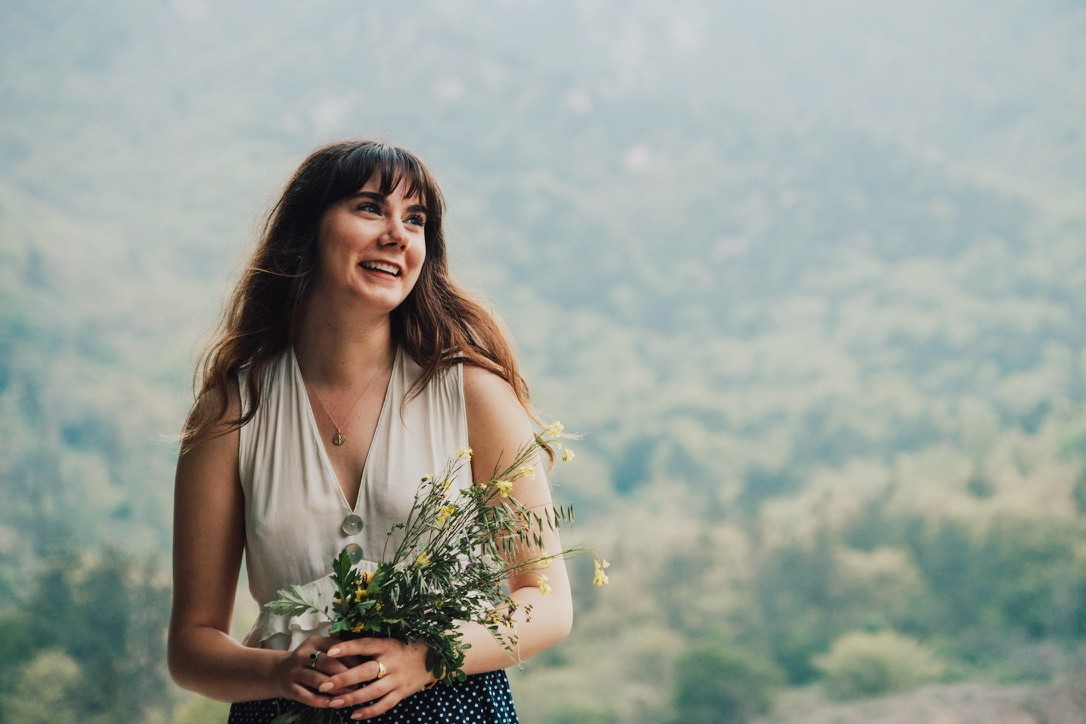
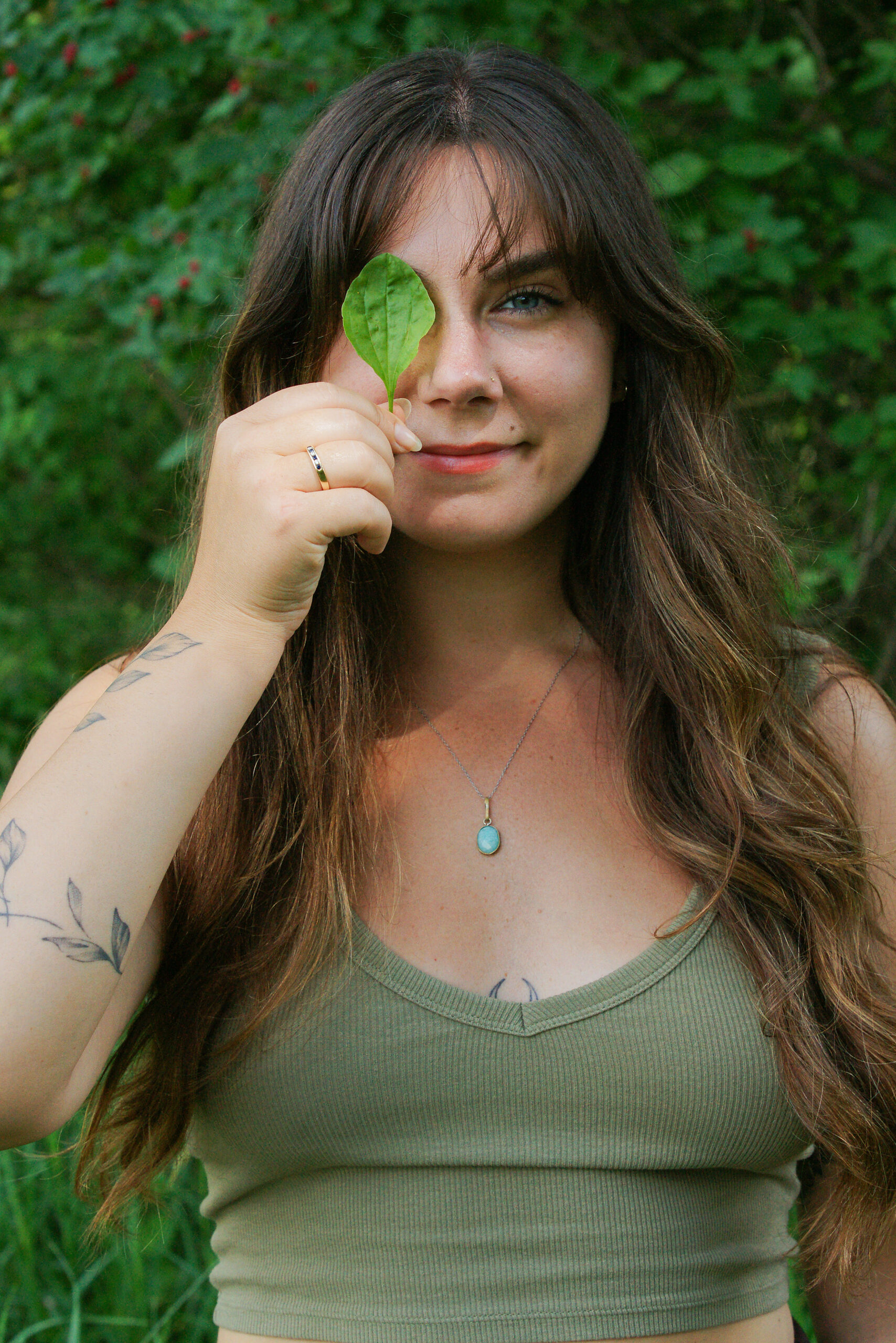
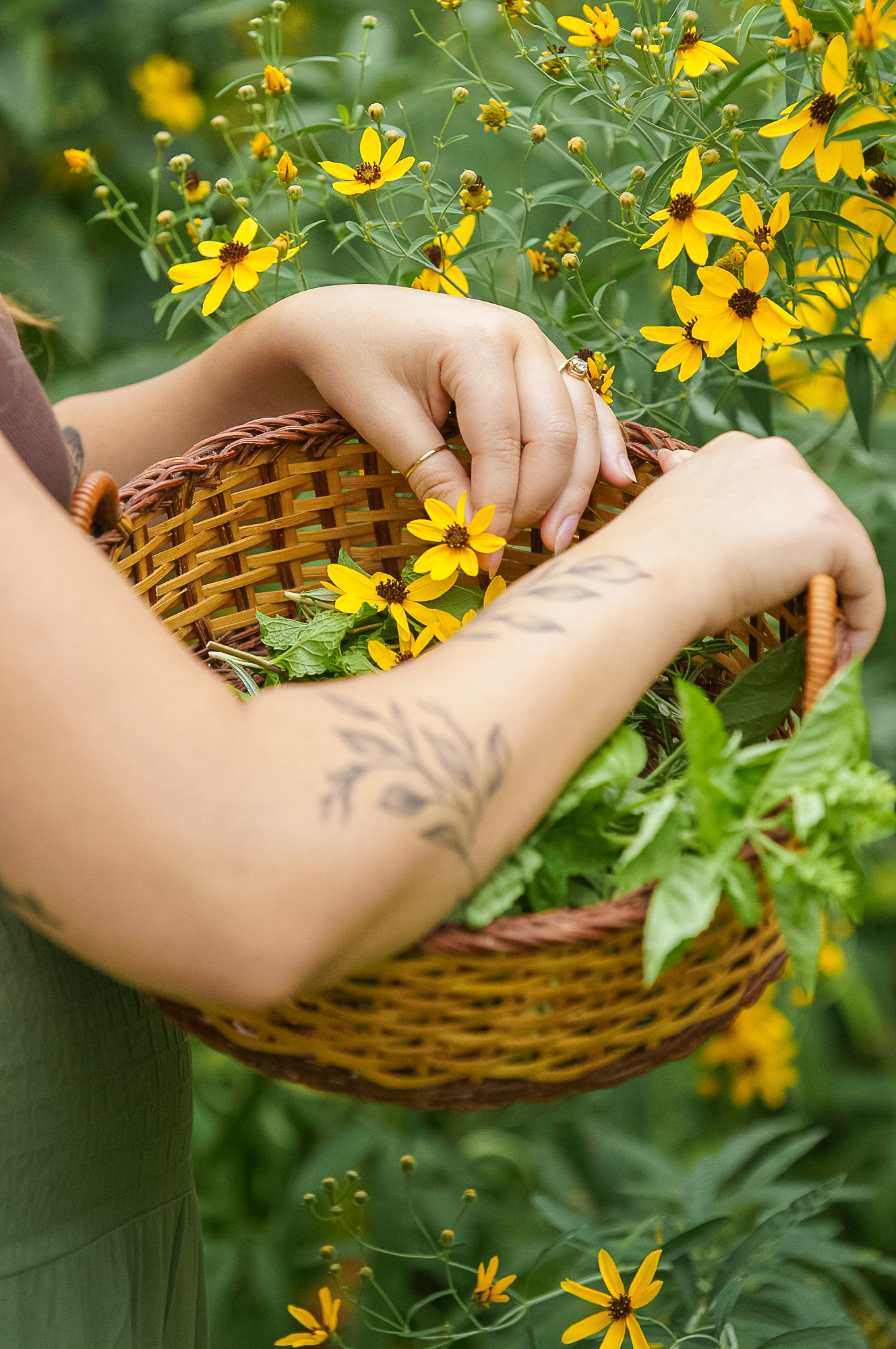
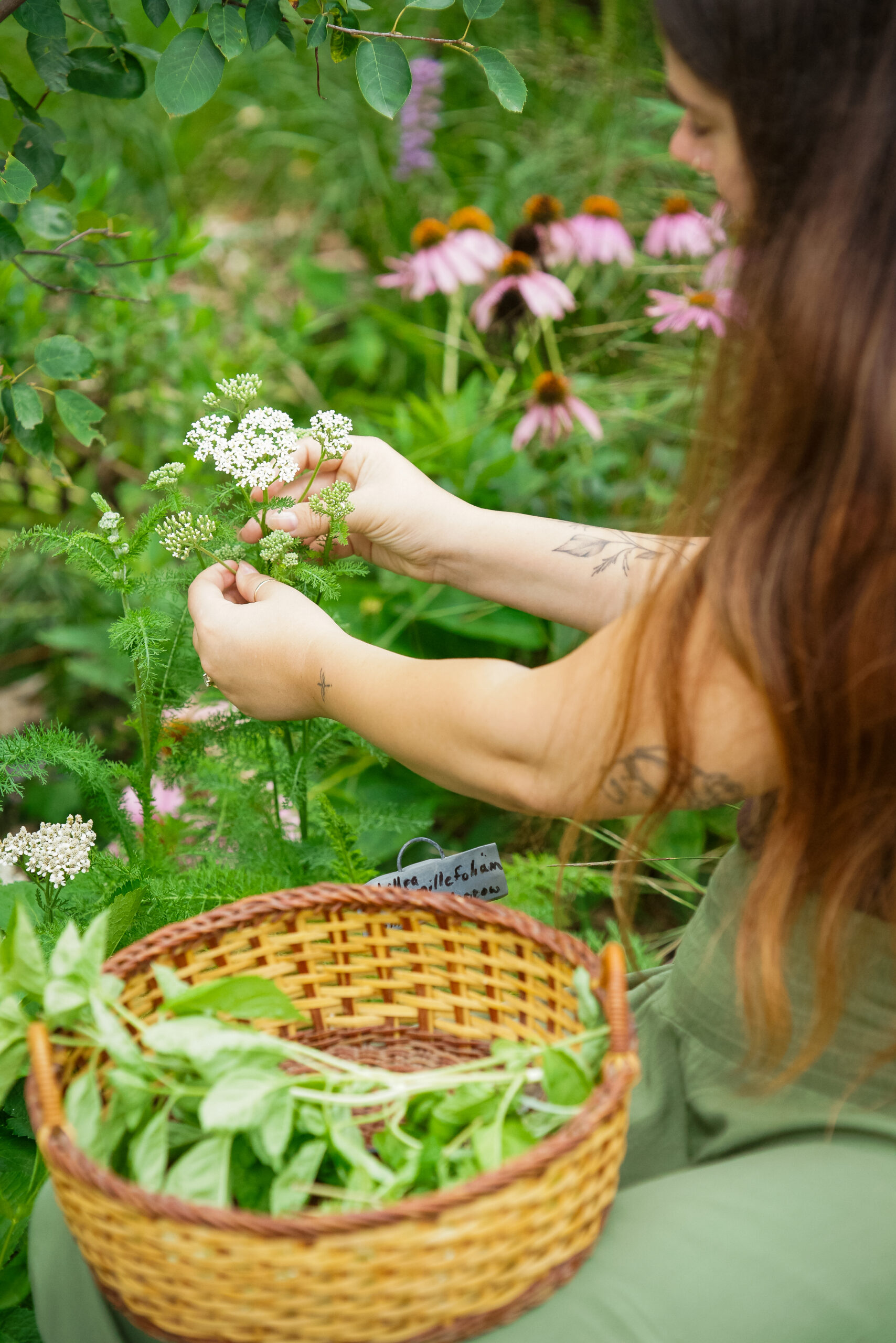
In an era dominated by rapid-fire digital communication, pharmaceutical quick fixes, and an increasingly indoor lifestyle, a quiet counter-revolution is taking root in gardens, forests, and online communities worldwide. At the forefront of this movement is Victoria Buzzalini, a Detroit-native-turned-global-herbalist, environmental scientist, and founder of Wise Witch Herbs.
Through her digital platform—and her forthcoming line of handcrafted botanical remedies—Buzzalini represents a new generation of practitioners who are blending rigorous scientific inquiry with ancient plant-based traditions. Her journey from studying environmental science to navigating a personal health crisis abroad, and ultimately building a blossoming herbal enterprise, offers a compelling look at the intersection of modern wellness, ecological consciousness, and botanical education.
Main Facts: The Intersection of Science, Nature, and Business
At its core, Victoria Buzzalini’s story is a testament to the resilience of the human body and the enduring utility of the natural world.
The Practitioner: Victoria Buzzalini, an American herbalist born and raised in Detroit, Michigan. She is the founder of Wise Witch Herbs (@wisewitchherbs) and an accomplished student of the prestigious Herbal Academy.
Educational Foundation: Buzzalini holds a background in Environmental Science and is completing a Bachelor of Science (BSc Hons) in Clinical Herbalism from an academic institution in England. Her studies through the Herbal Academy include the Introductory Herbal Course, Botanical Skin Care Course, Becoming an Herbalist Mini Course, and the Herbal Bitters Mini Course.
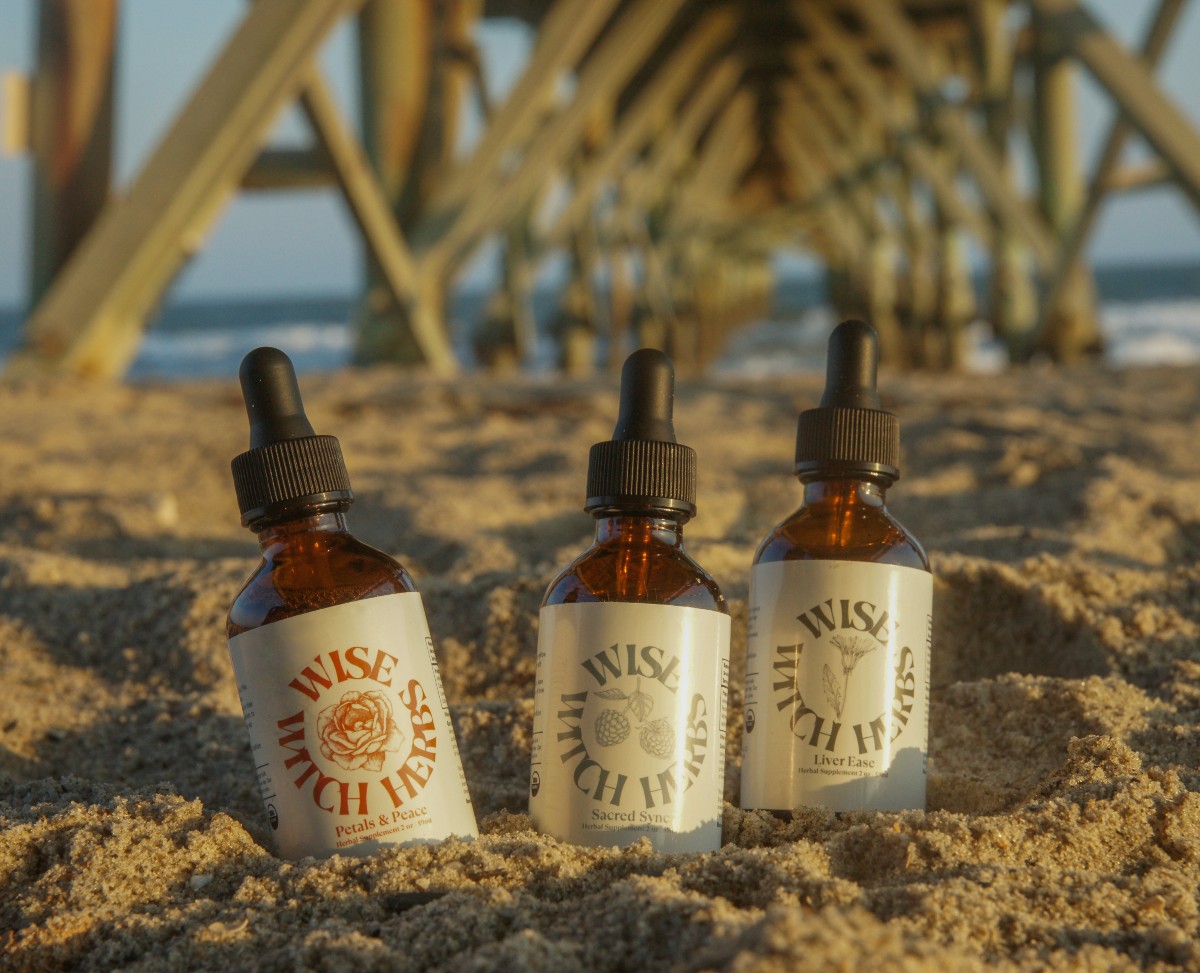
Business Venture: Established in 2022, Wise Witch Herbs began as an educational online space sharing daily botanical insights and DIY recipes. It is currently expanding into a commercial product line featuring small-batch tinctures, body care items, and eventually handmade ceramic goods.
Core Philosophy: Buzzalini advocates for "community wellness," emphasizing that herbalism should be accessible, empowering, and deeply rooted in seasonal living and attentive self-care rather than symptom-masking.
Chronology: From Detroit Out-Doors to International Clinical Practice
To understand Buzzalini’s unique approach to herbalism, one must trace her geographical and intellectual evolution across continents.
Early Roots and Environmental Science
Growing up in Detroit, Buzzalini developed an early affinity for the outdoors and the rhythms of nature. This passion initially directed her toward formal academia, where she earned a degree in Environmental Science. This foundational education gave her a structural understanding of ecosystems, sustainability, and human impact on the planet—concepts that would later inform her sustainable harvesting and ethical sourcing practices as an herbalist.
Global Exploration and Health Crisis
Driven by a desire to explore diverse cultures and share her language skills, Buzzalini moved abroad several times, living and teaching English in Costa Rica, Spain, and South Korea.
However, her trajectory shifted dramatically during her time in South Korea. Experiencing a severe decline in her health, Buzzalini found conventional local hospitals unequipped to resolve her underlying issues. Forced to advocate for her own well-being, she turned inward and began deeply researching alternative healing modalities. It was during this vulnerable period that she discovered the profound efficacy of plants. By experimenting with herbs tailored to her body’s unique needs, she sparked a lifelong passion that transformed her personal healing journey into a professional vocation.
The Educational Pivot: Herbal Academy and British Academia
Seeking a structured, reliable foundation to formalize her self-taught knowledge, Buzzalini enrolled in the Herbal Academy. Drawn in by the comprehensive course catalog, she methodically worked her way through multiple programs, appreciating the self-paced, visually engaging layout that allowed her to balance rigorous study with an active lifestyle.
Simultaneously, Buzzalini pursued a rigorous BSc Hons in Clinical Herbalism in the United Kingdom. This dual educational track—blending the accessible, community-focused curriculum of the Herbal Academy with the intense, research-heavy demands of British clinical academia—uniquely positioned her to bridge the gap between traditional folk herbalism and modern clinical practice.
The Launch of Wise Witch Herbs
In 2022, Buzzalini launched Wise Witch Herbs as an Instagram-based educational blog (@wisewitchherbs). For years, the platform functioned purely as a digital bulletin board where she shared daily botanical insights, foraging tips, and natural recipes. Now, entering its next phase of growth, the brand is transitioning into a physical product line, preparing to offer consumers carefully formulated tinctures, botanical skincare products, and custom-made ceramic vessels.
Supporting Data: Insights from the Herbalist’s Desk
Buzzalini’s educational and entrepreneurial philosophy is built on specific methodologies, favorite botanicals, and practical formulas developed through her extensive coursework.
The Power of Nettle (Urtica dioica)
When asked about her favorite plant ally, Buzzalini points immediately to stinging nettle. Widely available across North America, nettle is celebrated by clinical herbalists as a nutritional powerhouse.
Multisystem Support: Every part of the nettle plant—leaves, roots, and seeds—offers distinct herbal actions, ranging from deep mineral nourishment to renal support.
Ecological Intelligence: Buzzalini views nettle’s signature sting not as a deterrent, but as an ingenious evolutionary defense mechanism that protects the plant while allowing it to thrive in diverse ecosystems.
Signature Formulations: Botanical Skin Care
Among the myriad recipes encountered during her studies, Buzzalini highlights the formulations found in the Botanical Skin Care Course as staples of her daily routine. By crafting her own body butters, lotions, and sprays, she maintains complete control over the purity of ingredients, fragrance profiles, and active botanical properties, avoiding the synthetic additives common in commercial cosmetics.
The 12-Plant Method for Beginners
For aspiring herbalists overwhelmed by the vast encyclopedia of medicinal flora, Buzzalini offers a practical, stress-reduced strategy:
Pace Yourself: Avoid trying to memorize hundreds of plants at once.
The One-Plant-Per-Month Rule: Choose a single herb to focus on for an entire month.
Immersive Study: Plant it in a garden, brew it into a tea, ingest it as a tincture, and observe its life cycle.
Cumulative Mastery: By committing to this rhythm, a student will intimately understand 12 robust botanicals by the end of a single year, building a secure foundation for lifelong learning.
Official Responses & Expert Perspectives: Navigating the Industry
During her transition from student to professional practitioner, Buzzalini has gained valuable insights into the regulatory, scientific, and community-oriented dimensions of the modern herbal industry.
Regulatory Awareness and Cross-Cultural Practice
Moving between the United States and the United Kingdom exposed Buzzalini to stark differences in how herbalism is practiced and discussed. Through her coursework at the Herbal Academy, she gained early, crucial awareness of supplement regulations and compliance—specifically regarding the precise language herbalists are legally permitted to use when describing product benefits in the U.S. This education helped her sidestep regulatory missteps as she prepared to launch her commercial product line.
The Scientific Deficit in Herbal Research
As a student navigating rigorous British clinical academia, Buzzalini has encountered a notable systemic hurdle: the scarcity of robust, human clinical trials backing herbal medicines.
"Through writing all of these different papers… I have found that the science-backed research on herbalism is lacking," Buzzalini notes. "There is not enough funding for herbal clinical trials, and the animal and in-vitro studies don’t supply enough evidence to back up herbal claims. I would love to see more companies investing in researching the therapeutic actions of herbs."
Despite this gap, Buzzalini emphasizes that the intelligence of plants and the historical precedent of traditional use remain valid frameworks, even as she advocates for increased corporate and institutional investment in botanical science.
Implications: The Future of Community Wellness
Victoria Buzzalini’s journey from a health-compromised expatriate in South Korea to a clinically trained herbalist and entrepreneur carries several broader implications for the contemporary wellness landscape:
The Shift Toward Slow Living and Seasonality: Buzzalini’s practice underscores a growing cultural desire to sync human life with natural rhythms. By learning to scale down energy in winter and expand in summer—much like the plants she studies—she models an antidote to modern burnout.
Democratizing Plant Medicine: Through platforms like Wise Witch Herbs and accessible educational models like the Herbal Academy, specialized botanical knowledge is being returned to the public domain. Herbalism is increasingly viewed not as an esoteric secret, but as a fundamental pillar of household self-reliance and community care.
The Rise of the Integrative Practitioner: As consumers grow weary of symptom-masking solutions that ignore root causes, practitioners trained in both traditional herbal wisdom and modern clinical science—like Buzzalini—are uniquely equipped to bridge the gap between conventional medicine and holistic wellness.
As she prepares to graduate with her BSc in Clinical Herbalism and launch her physical product line this summer, Victoria Buzzalini stands as an inspiring example of how curiosity, resilience, and a deep respect for the natural world can converge to build a meaningful, empowering career in modern herbalism.