WASHINGTON — In an era dominated by high-tech synthetic serums, complex chemical multi-step regimens, and clinical dermatological procedures, a growing segment of wellness seekers is returning to botanical roots. Skin, as the human body’s largest and most exposed organ, serves as an active barrier against the external environment while simultaneously acting as an internal mirror reflecting overall health, metabolic function, and stress levels.
For centuries, traditional herbalism has championed the philosophy that true dermal health cannot be achieved solely through surface-level interventions. Instead, modern holistic practitioners and botanical experts argue that radiant skin is the byproduct of comprehensive internal nourishment combined with mindful, plant-based external care.
Main Facts: The Holistic Framework of Botanical Skincare
The modern renaissance of herbal skincare is built upon a simple yet profound premise: what goes on the body goes in the body, and what goes inside the body inevitably manifests on the skin. Achieving and maintaining a healthy dermal barrier requires a multi-pronged approach encompassing nutrient-dense whole foods, stress management, restorative sleep, adequate physical movement, and the strategic deployment of targeted botanical remedies.
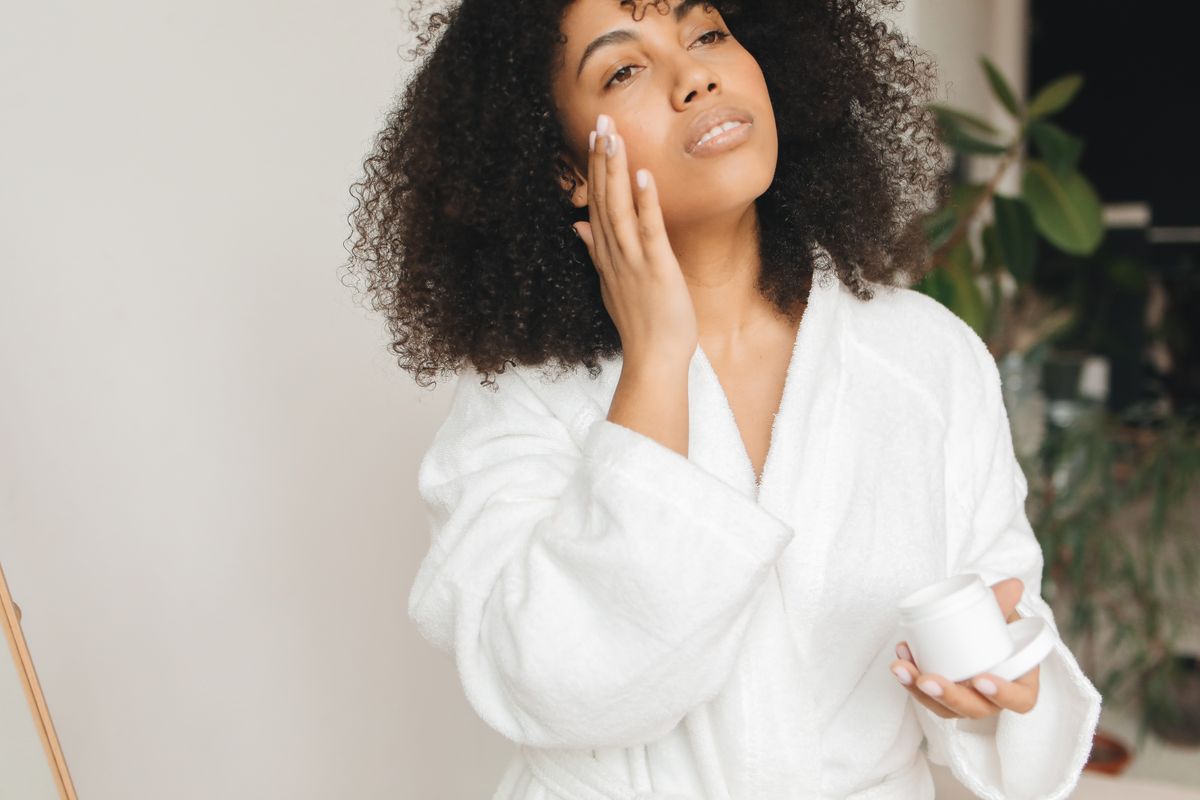
Unlike conventional cosmetics that often rely on synthetic fragrances, parabens, and petroleum-derived occlusives, herbal preparations utilize the complex biochemical constituents of plants—such as flavonoids, polyphenols, mucilage, and phytoestrogens—to work synergistically with the skin’s natural microbiome and lipid barrier.
[Holistic Skin Health Model]
 ├── Internal Nourishment (Nutrient-Dense Foods, Hydration)
 ├── Lifestyle Factors (Stress Management, Sleep, Exercise)
 └── Botanical Integration (Topical Serums, Internal Teas, Steams)
       └── Result: Enhanced Dermal Barrier & Radiant Skin
Chronology: From Ancient Herbal Traditions to Modern Botanical Science
The use of plants for cosmetic and therapeutic purposes is as old as human civilization itself, evolving through distinct historical phases:
- Ancient Antiquity (c. 3000 BCE – 400 CE): Civilizations in ancient Egypt, Mesopotamia, China, and India laid the groundwork for botanical dermatology. Egyptians utilized lily, castor, and sesame oils to protect their skin from the harsh desert sun, while ancient Ayurvedic and Traditional Chinese Medicine (TCM) practitioners categorized plants by their energetic properties—cooling, heating, drying, or moistening—to treat skin imbalances.
- The Medieval and Renaissance Eras (500 – 1600 CE): Monastic gardens across Europe preserved and expanded the knowledge of medicinal and cosmetic herbs. Distillation techniques improved, allowing for the widespread creation of floral waters like rose water and lavender hydrosols, which were prized for their skin-softening and purifying qualities.
- The Synthetic Boom (Mid-20th Century): The post-WWII industrial expansion introduced petroleum-based ingredients, synthetic detergents, and mass-produced cosmetics. While these products offered extended shelf-lives and lower production costs, they largely divorced skincare from holistic health traditions.
- The Contemporary Botanical Revival (Late 20th Century – Present): Driven by consumer demand for transparency, clean beauty, and sustainable practices, modern herbalism has merged with evidence-based dermatology. Contemporary research increasingly validates what traditional herbalists have known for centuries: specific plant compounds possess potent anti-inflammatory, antioxidant, and tissue-regenerative properties.
Supporting Data: The 8 Best Herbs for Radiant Skin
Botanical academies, herbalists, and holistic dermatologists frequently point to a specific cohort of plants renowned for their skin-supporting phytochemistry. Below are eight of the most effective herbs utilized in modern herbal skincare, both topically and internally.
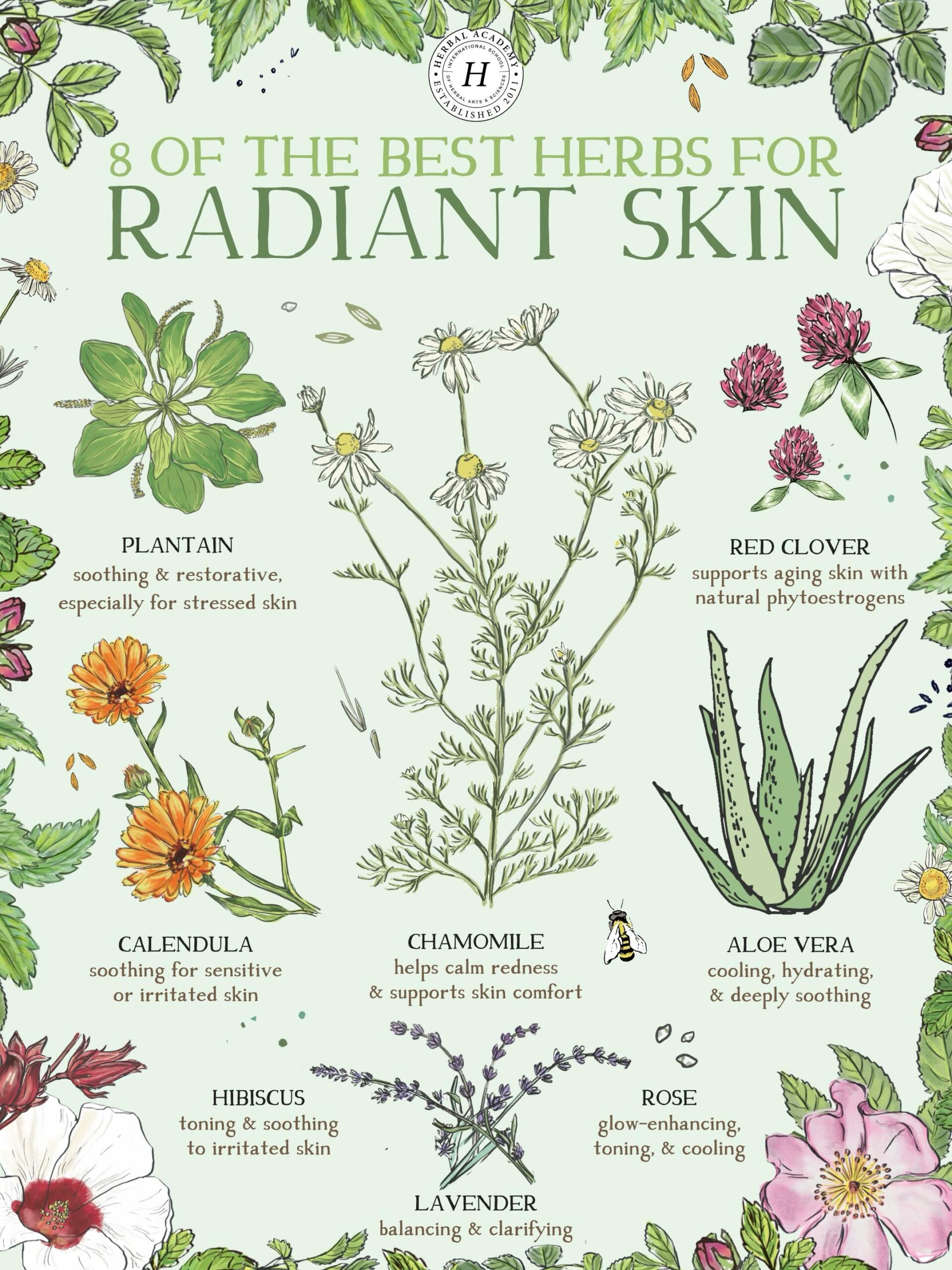
1. Rose (Rosa spp.)
Valued for centuries as a symbol of beauty, rose petals offer gentle toning and cooling support, encouraging cellular softness and a natural, healthy glow.
- Phytochemistry: Rich in flavonoids, phenolic compounds, and powerful antioxidants that combat oxidative stress and support healthy aging in mature skin. Its natural astringent and anti-inflammatory properties make it exceptionally effective for reducing under-eye puffiness.
- Applications: Can be incorporated via a Homemade Probiotic Rose Milk Cleanser, a Rose Helichrysum Skin Serum, a Wild Rose Undereye Firming Cream, or classic distilled Rose Water.
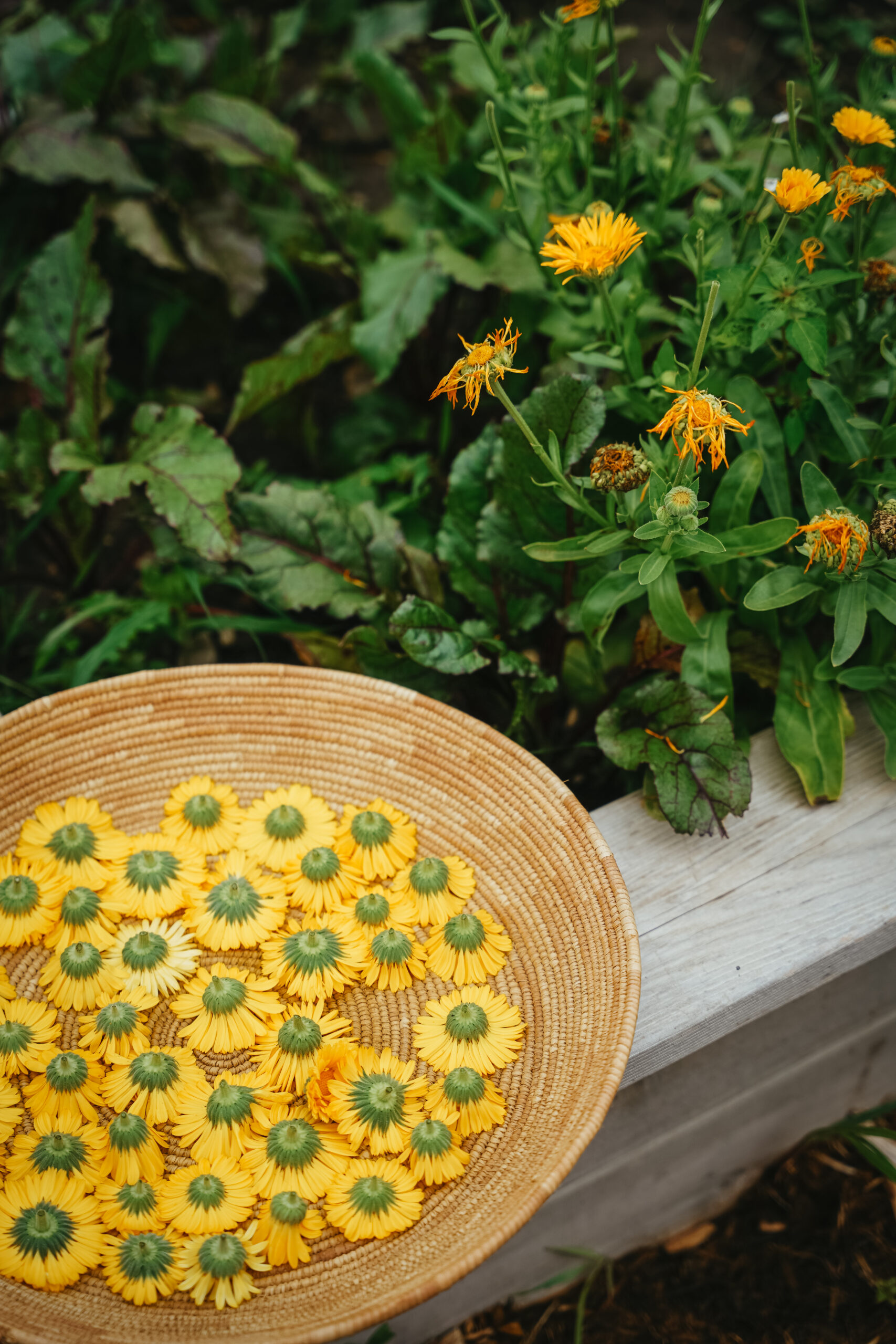
2. Calendula (Calendula officinalis)
Recognizable by its vibrant golden-orange blossoms, calendula is a cornerstone herb for dry, delicate, or compromised skin.
- Phytochemistry: Packed with triterpenoid saponins and carotenoids that accelerate tissue recovery, soothe irritation, and promote skin hydration.
- Applications: Highly effective in formulations such as a Gentle Calendula Lotion or a shelf-stable Calendula Cream designed for dry and inflamed skin conditions.
3. Plantain (Plantago spp.)
Often overlooked as a common garden weed, plantain leaf is a powerhouse vulnerary (an herb that encourages the healing of wounds).
- Phytochemistry: Exceptionally high in mucilage, a complex polysaccharide that provides a deeply emollient, moistening quality, alongside iridoid glycosides that reduce inflammation.
- Applications: Frequently utilized in a Plantain Leaf Face Mask to calm stressed skin and support rapid barrier recovery.
4. Aloe (Aloe barbadensis)
As a desert succulent, aloe is nature’s ultimate response to heat and dehydration.
- Phytochemistry: The inner leaf gel contains polysaccharides, amino acids, and vitamins that provide deep hydration, cool overheated skin, and stimulate collagen synthesis to smooth fine lines.
- Applications: Best used in hydrating formulas like an Aloe-Calendula Cleanser that clears pores while locking in essential moisture.
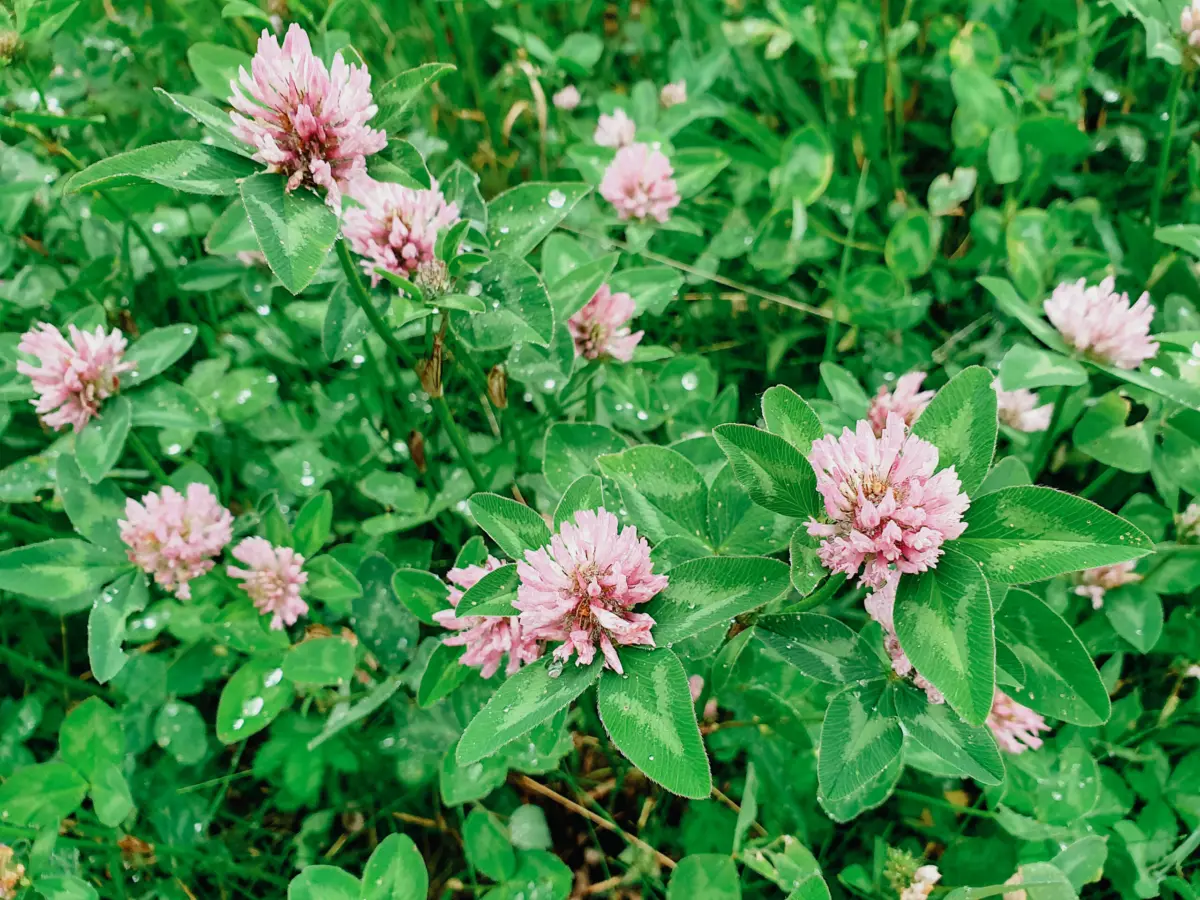
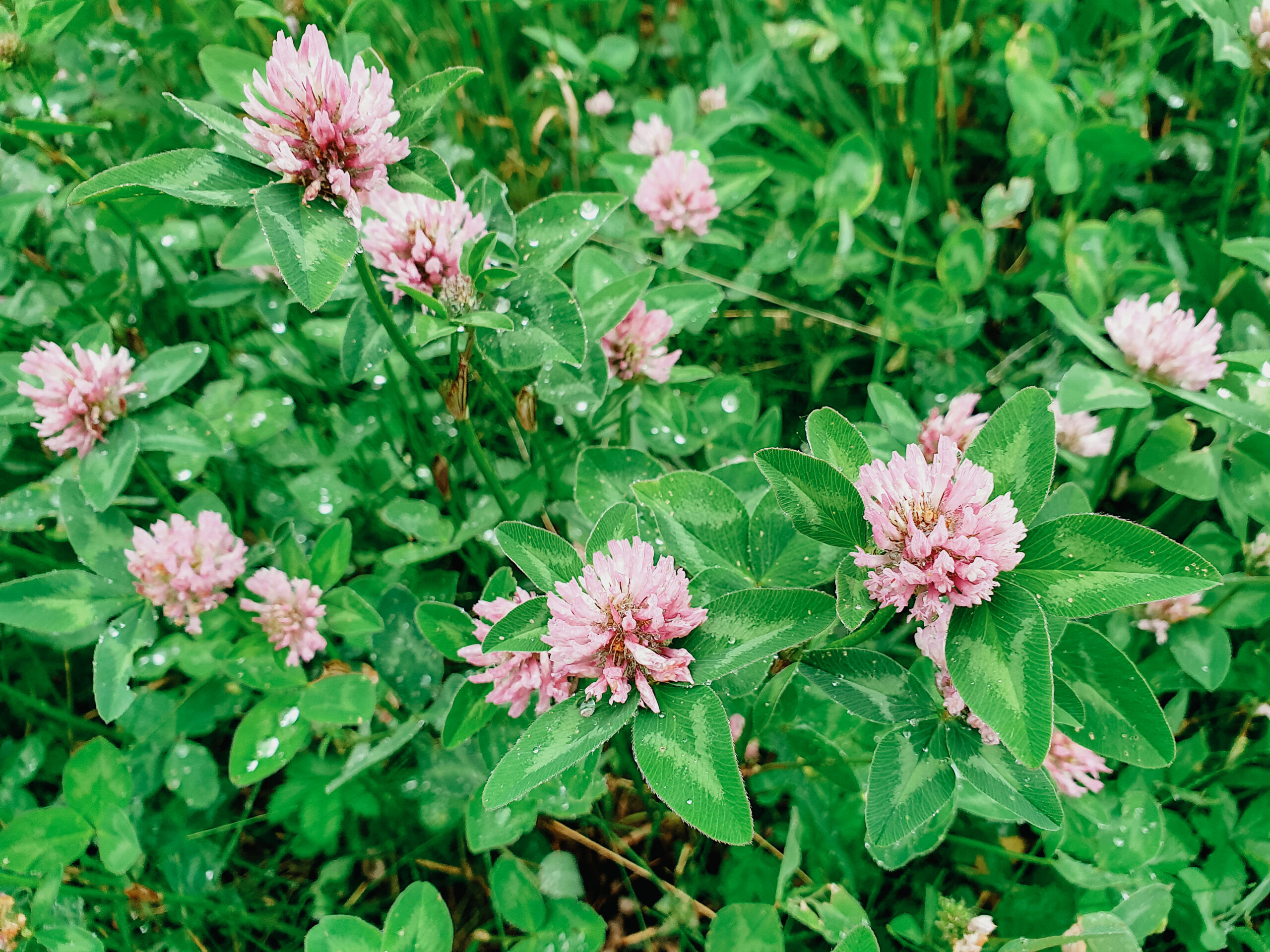
5. Red Clover (Trifolium pratense)
As the human body ages, natural hormonal shifts—specifically declining estrogen levels—can lead to skin thinning, loss of elasticity, and increased wrinkle formation.
- Phytochemistry: Red clover aerial parts are rich in isoflavones, which act as plant-based phytoestrogens to support skin thickness, elasticity, and moisture retention.
- Applications: Typically consumed internally as a Red Clover Flower Tea or a concentrated herbal tincture to nourish the skin from within.
6. Chamomile (Matricaria chamomilla)
Renowned for its gentleness, chamomile is one of the safest and most versatile herbs available for sensitive dermatological profiles.
- Phytochemistry: Contains bisabolol and chamazulene, two potent anti-inflammatory compounds that rapidly soothe irritated, dry, or hypersensitive skin.
- Applications: Enjoyed topically through a calming Herbal Bath Tea with Chamomile and Rose, or utilized as a facial Chamomile Steam to clear and relax pores.
7. Hibiscus (Hibiscus sabdariffa)
Often referred to as "botox plant" in natural skincare circles, hibiscus calyces are visually striking and biochemically potent.
- Phytochemistry: Brimming with natural organic acids (alpha-hydroxy acids or AHAs) and anthocyanin antioxidants, it gently exfoliates dead skin cells, enhances cellular turnover, and promotes a vibrant, luminous complexion.
- Applications: Consumed internally as a nutrient-dense beverage, such as a Hibiscus Jujube Tea Recipe, to flood the body with systemic antioxidants.
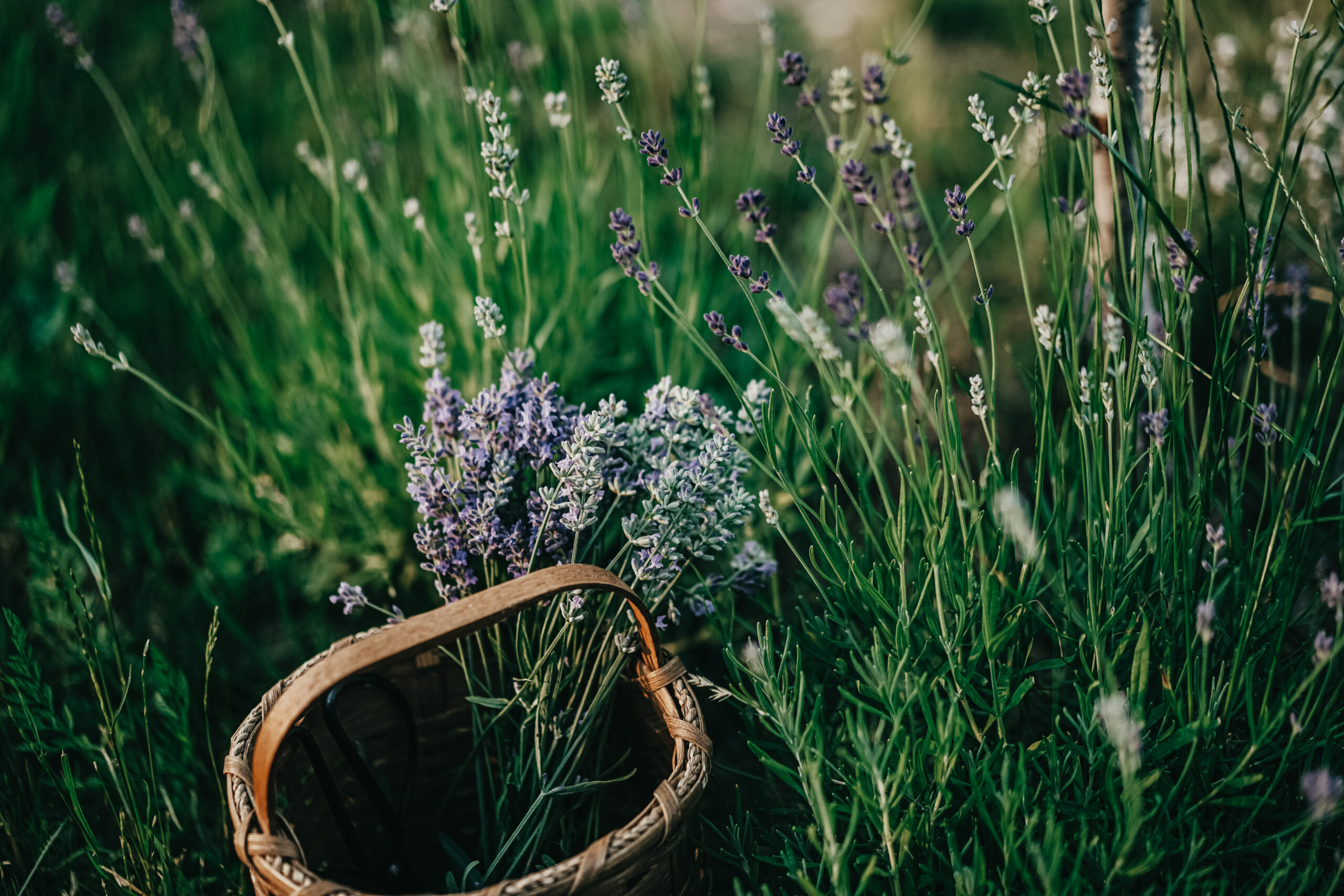
8. Lavender (Lavandula spp.)
Beyond its celebrated aromatherapeutic benefits, lavender is a multi-talented botanical for skin health.
- Phytochemistry: Contains linalool and linalyl acetate, which exhibit antimicrobial, cooling, and microcirculation-boosting properties.
- Applications: Ideal for balancing oily or combination skin through a Lavender-Infused Oil (often called "heaven in a bottle"), DIY Lavender Bath Salts, or soothing Lavender Shower Steamers.
Official Responses and Expert Perspectives
The integration of botanical medicine into mainstream dermatology has generated significant dialogue within the medical and wellness communities.
Dr. Elena Vance, a board-certified dermatologist specializing in integrative skin health, notes a distinct shift in patient preferences: "For decades, dermatology relied almost exclusively on harsh synthetic actives to force skin transformation. While ingredients like retinoids and prescription acids have their place, we are seeing a massive paradigm shift. Patients are experiencing barrier burnout from over-exfoliation. Botanical remedies like calendula, chamomile, and aloe offer a gentler, biomimetic approach that repairs the skin matrix rather than stripping it."
Meanwhile, clinical herbalists emphasize that the efficacy of plant-based skincare lies in synergy. Herbalist and educator Marisa Thorne explains: "When you isolate a single vitamin from a plant in a laboratory, you lose the hundreds of co-factors that nature packaged alongside it. Herbs don’t just treat a symptom on the surface; they communicate with our biology, supporting internal detoxification, hormonal balance, and nervous system regulation—all of which directly dictate how our skin looks and feels."
Implications: The Future of Clean Beauty and Sustainable Self-Care
The burgeoning popularity of herbal skincare carries profound implications for consumers, the cosmetic industry, and environmental sustainability.
- Consumer Empowerment and Education: As individuals seek out transparent alternatives to commercial cosmetics, educational platforms—ranging from traditional herbal academies to specialized botanical skincare courses—are experiencing record enrollment. Consumers are no longer passive buyers; they are becoming active formulators, learning how to craft custom botanical oils, salves, and teas tailored to their specific dermatological needs.
- Shift Toward Sustainable Agriculture: The high demand for organic botanicals such as calendula, rose, and chamomile incentivizes regenerative agricultural practices. Unlike petrochemical extraction, which depletes fossil fuels and generates hazardous waste, cultivating healing herbs promotes biodiversity, supports pollinator populations, and encourages local, small-scale farming.
- The Rise of "In-Out" Wellness: The false dichotomy between internal health and external beauty is rapidly dissolving. The wellness market is witnessing an explosive growth of ingestible botanicals—herbal teas, adaptogenic elixirs, and nutrient-dense dietary additions—cementing the reality that true radiance originates from a balanced lifestyle, mindful stress management, and the enduring wisdom of the plant kingdom.