









As the crisp edge of autumn begins to weave its way into the late-summer air across the Northern Hemisphere, millions of students, educators, and lifelong learners face the annual transition known as the back-to-school season. Whether stepping onto a physical campus, returning to a structured corporate learning environment, or diving into a self-paced online curriculum, the shift from the expansive, leisurely days of summer to structured academic focus can test even the most resilient nervous systems.
To navigate this seasonal pivot successfully, wellness experts suggest that establishing supportive daily rituals does not require elaborate overhauls or time-consuming regimens. Instead, integrating simple, achievable, and rhythm-aligned herbal practices can foster sustained mental clarity, cognitive endurance, and deep physiological rest.
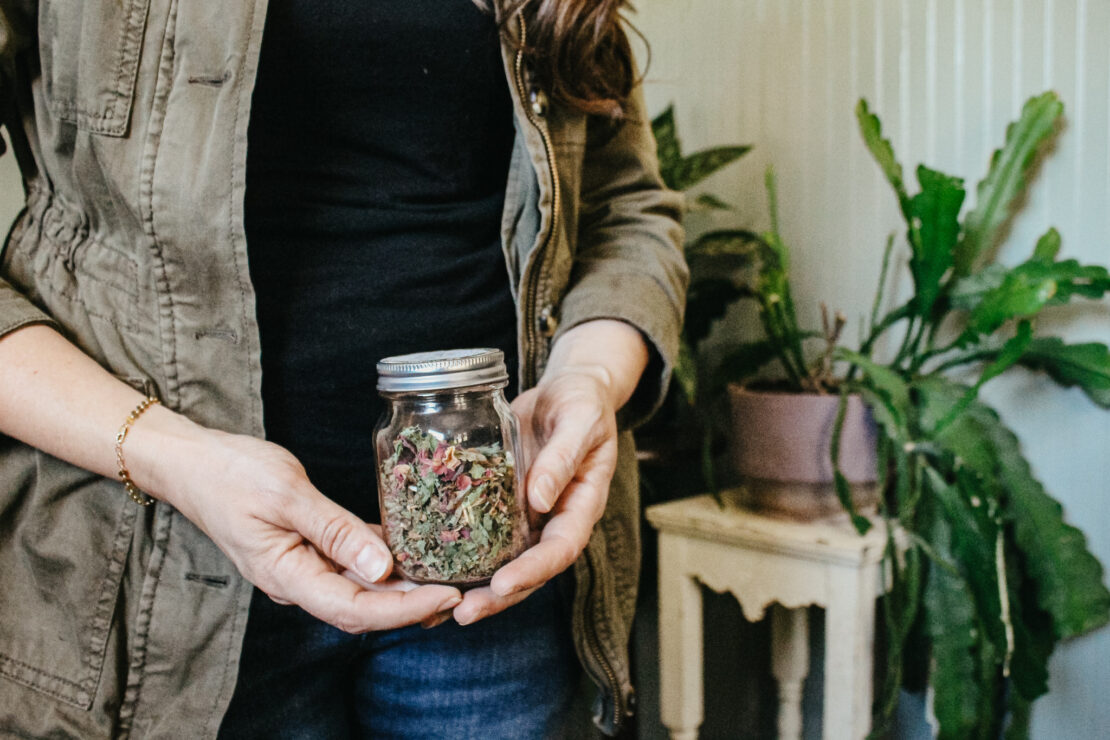
To mark the academic transition, educational institutions like the Herbal Academy are leaning into the seasonal shift by offering sitewide promotions—such as up to 40% off courses through September 15, 2026—encouraging students to embark on new learning journeys like the Family Herbalist Path Package or The Mushroom Course. Alongside expanding one’s academic horizons, experts emphasize the importance of pairing intellectual pursuits with intentional self-care routines. Below are five practical, herbal-infused rituals designed to support mental focus and overall well-being as the school year gets underway.
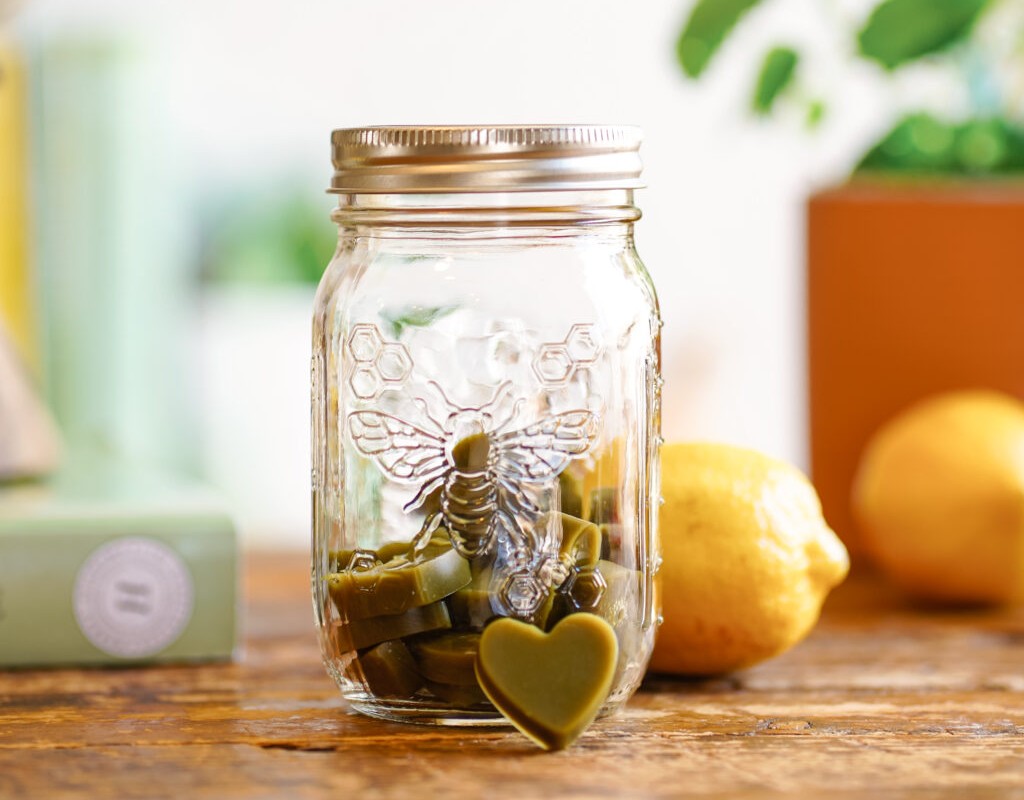
1. Matcha Lemon Balm Gummies: A Cognitive Boost for Morning Studies
Mental fatigue is one of the most common hurdles faced by students tackling intensive reading assignments or long lecture hours. Traditional stimulants like coffee often provide a sharp spike in energy followed by an equally sharp crash, leaving learners feeling jittery and depleted.

Enter the Matcha Lemon Balm Gummy—a delightful, targeted functional treat designed to bridge the gap between calm relaxation and sharp cognitive focus.
- The Mechanism: Matcha, finely ground green tea leaves, provides a sustained, smooth release of energy paired with L-theanine, an amino acid known to promote alert relaxation without overstimulation. Paired with lemon balm (Melissa officinalis), a renowned nervine herb of the mint family traditionally used to soothe the mind and support memory, these gummies create a synergistic cognitive tonic.
- How to Use Them: Pop a tart, refreshing gummy first thing in the morning to set a clear mental tone for the day, or enjoy one right before diving into a heavy study session. Because they are simple to prepare at home, making a batch can also double as a tactile, grounding kitchen ritual.
2. Aromatherapy Companions: Scent-Sational Focus and Stress Relief
Olfactory stimulation offers a direct, rapid pathway to the limbic system—the emotional center of the brain. When hours of studying begin to induce mental fatigue or low-level anxiety, targeted aromatherapy can serve as an instantaneous reset button.
- Practical Application: Aromatherapy is remarkably versatile and can be tailored to fit any learning environment. Students can utilize a personal essential oil roll-on applied to pulse points, place a discreet herbal sachet near their desk, or run a desktop room diffuser.
- Key Botanicals:
- Rosemary (Salvia rosmarinus): Historically associated with remembrance, modern herbalism and aromatherapy point to rosemary as a premier ally for enhancing mental focus, clarity, and memory retention.
- Lavender (Lavandula spp.): Ideal for mitigating acute study-induced stress and anxiety, bringing a sense of grounded calm to high-pressure environments.
- Mint (Mentha spp.): Delivers a crisp, invigorating mental awakening when brain fog sets in during long afternoon study blocks.
3. Sunlight and Grounding Breaks: Counteracting Screen Fatigue
While online courses and digital textbooks offer unprecedented flexibility—allowing students to study from virtually anywhere and connect with global learning communities—they also come with hidden physiological costs. Extended hours staring at blue-light screens frequently trigger nervous system dysregulation, tension headaches, digital eye strain, and general feelings of isolation or anxiety.
- The Remedy: Intentional, screen-free sensory breaks. Stepping away from the desk to re-engage with the physical world is crucial for maintaining long-term academic stamina.
- Actionable Ideas:
- Take a brisk 10-minute walk outside, turning your face upward to absorb natural sunlight.
- Stroll through a garden, a local park, or your neighborhood, paying active attention to tactile textures and natural sounds.
- Sit quietly at the base of a mature tree, engaging in slow, diaphragmatic breathing.
- Engage in a hands-on tactile activity, such as sketching a botanical specimen observed outside or preparing a wholesome, nourishing snack.
4. Herbal Foot Soaks: Rejuvenating Weary Bodies After Class
Whether walking briskly between physical classrooms, standing on laboratory floors, or pacing while reviewing lecture notes, the physical body absorbs a significant amount of stress during the school year. For those venturing outdoors to forage for wild herbs and mushrooms as part of their botanical studies, tired feet require dedicated, restorative attention.

- The Ritual: An herbal foot soak is a classic hydrotherapy practice that draws blood flow back to the lower extremities while melting away tension in the muscles and fascia.
- How to Prepare:
- Ingredients: ½ cup of fresh herbs (or ¼ cup of dried herbs, or a combination) and 1 cup of Epsom salt. Ideal botanicals include lavender flower buds, calendula flowers (Calendula officinalis), or chamomile flowers (Matricaria chamomilla).
- Instructions: Add the botanicals and Epsom salt to a basin. Pour hot water (just off the boil) over the mixture and allow it to steep for a few minutes to release the plant constituents. Adjust the temperature with cool water until it reaches a comfortable, warm soaking level. Submerge your feet and rest for 15 minutes.
5. Nighttime Unwinding Rituals: Signaling the Nervous System for Deep Rest
Perhaps the most critical yet frequently overlooked component of academic success is quality sleep. Without adequate rest, cognitive retention plummets, immune resilience wanes, and stress tolerance diminishes. Establishing a firm boundary between active study mode and restorative sleep is essential.
- The Science of Routine: By engaging in a consistent nightly ritual, you effectively condition your nervous system, signaling that the demands of the day are over and it is safe to transition into deep, restorative rest.
- Top Recommendations:
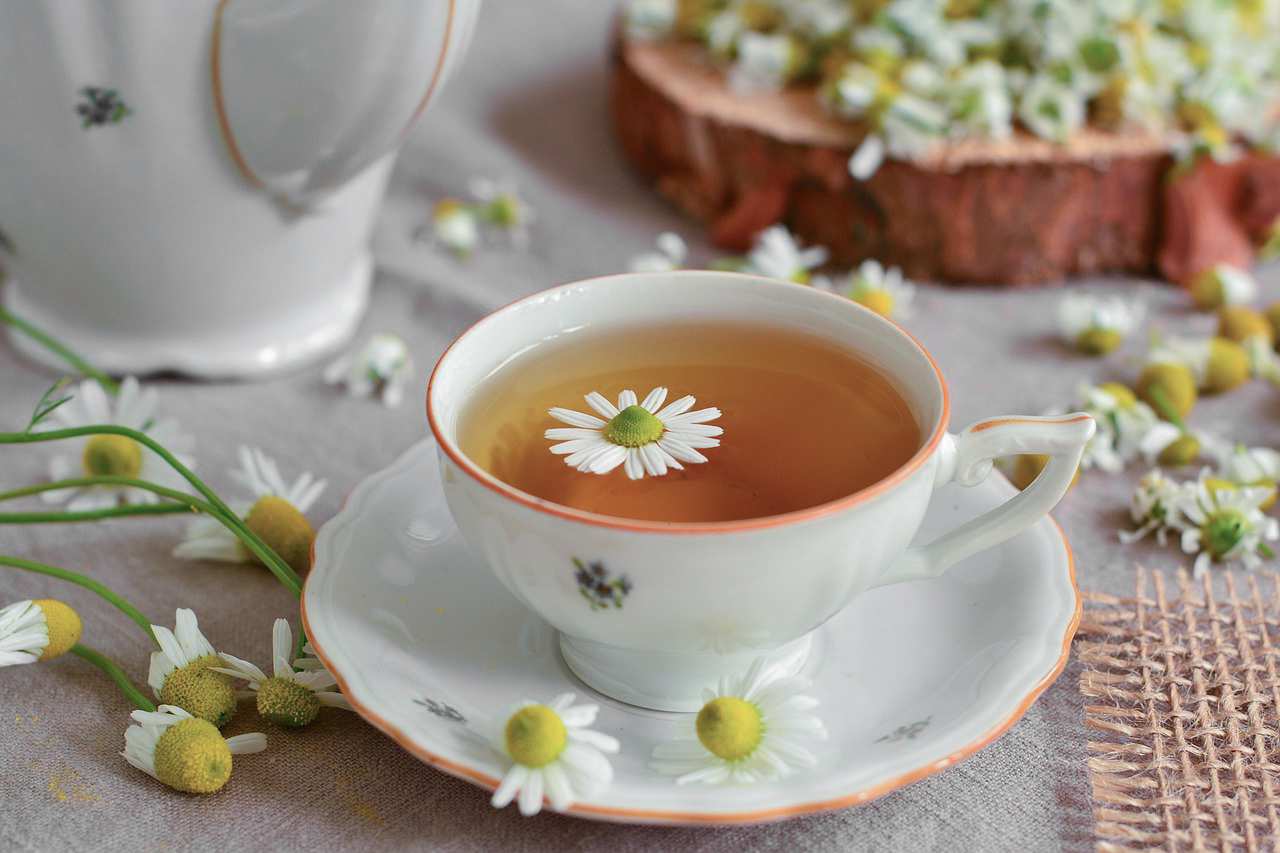
- Herbal Teas: Sip a warm mug of chamomile, passionflower, or skullcap tea. The physical warmth combined with the sedative properties of these nervine herbs gently coaxes the body toward slumber.
- Calming Herbal Baths: Draw a warm bath infused with magnesium salts and a soothing herbal infusion to release physical tension accumulated over the course of the day.
Implications: Investing in Holistic Self-Care
The commencement of the back-to-school season carries profound implications beyond the acquisition of academic credits or professional certifications. It serves as a cultural and personal inflection point—a moment when individuals consciously choose to invest in their personal development.
However, cultural narratives surrounding education often glorify burnout, equating late-night cramming and chronic stress with dedication. By reframing the back-to-school season through the lens of holistic well-being, learners can reject the false dichotomy between productivity and self-care. Integrating simple herbal rituals into a daily study schedule demonstrates that sustainable learning relies on nourishment, nervous system regulation, and deep physiological rest.
As learners embark on new educational paths this autumn—whether mastering herbal medicine, computer science, literature, or the culinary arts—they do so with a powerful toolkit. By honoring the body’s needs through intentional, plant-based rituals, students can cultivate a cozy, calm, and highly successful academic year.