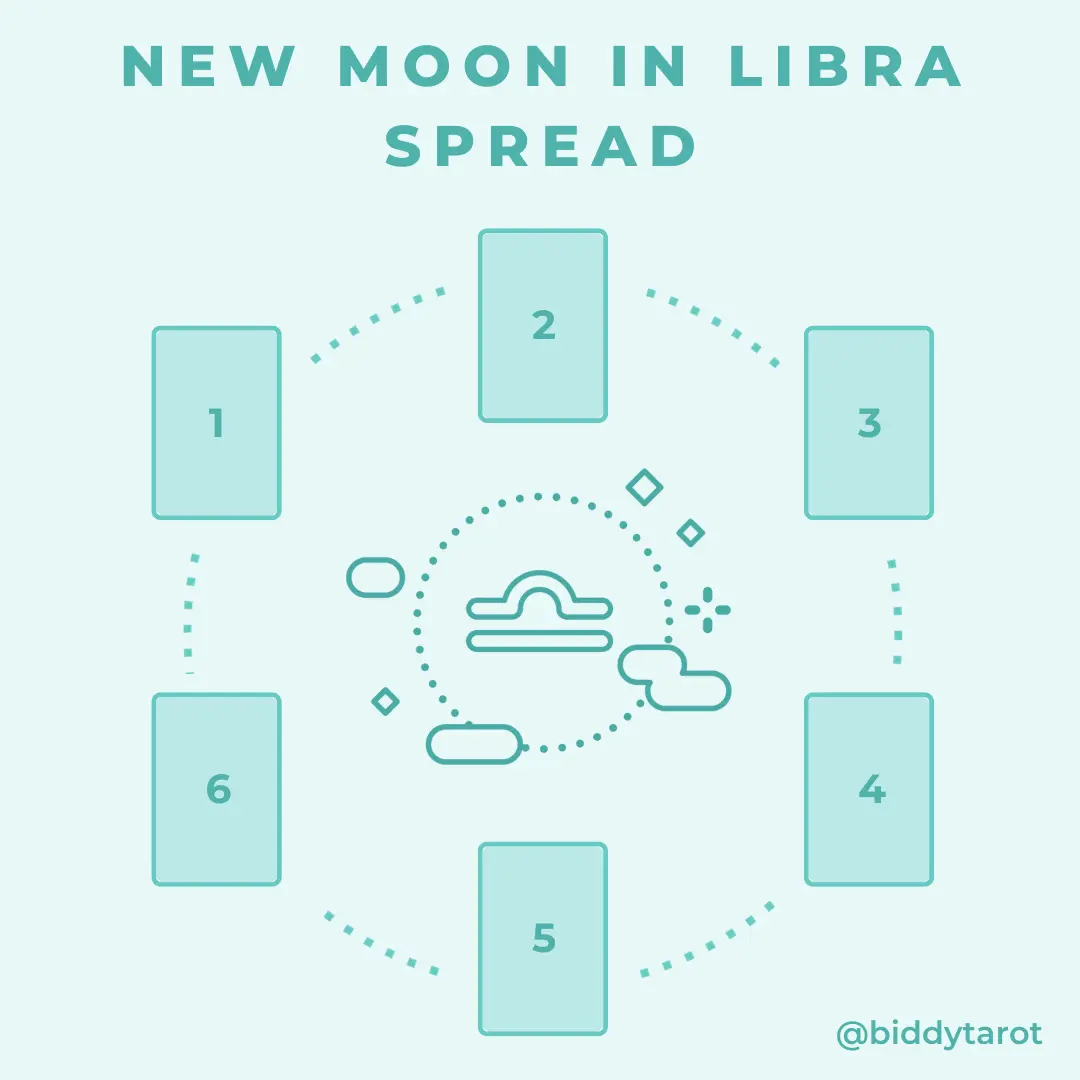
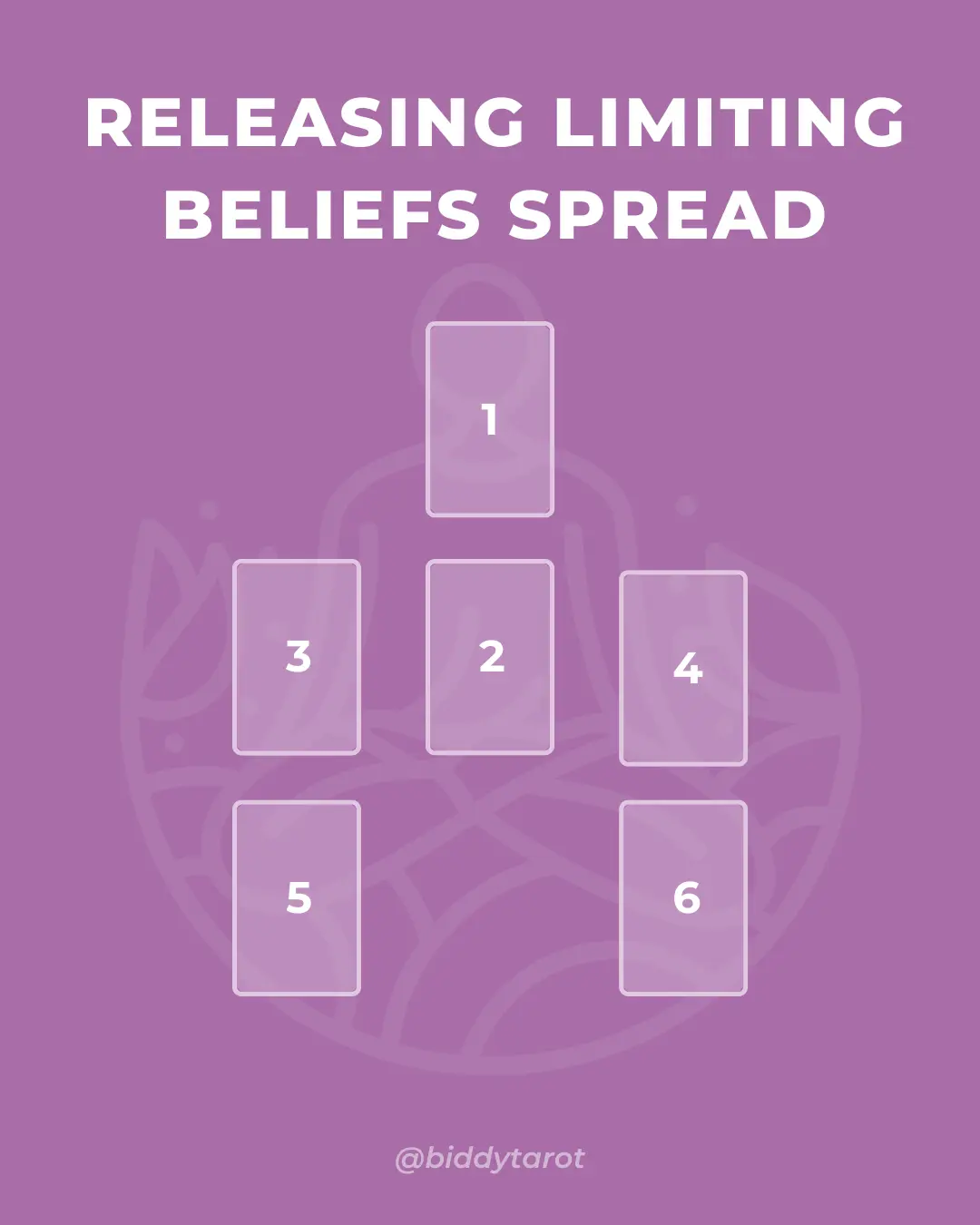
In an era defined by hyper-connectivity and the relentless pace of modern life, maintaining healthy, thriving relationships—whether romantic, platonic, or professional—has become an intentional practice rather than an automatic state. Amid a booming global wellness industry that increasingly values mental health, emotional introspection, and spiritual self-care, a growing demographic of individuals is turning to non-traditional tools to foster deeper interpersonal bonds. Among these, tarot reading has emerged as a prominent framework for structured reflection.
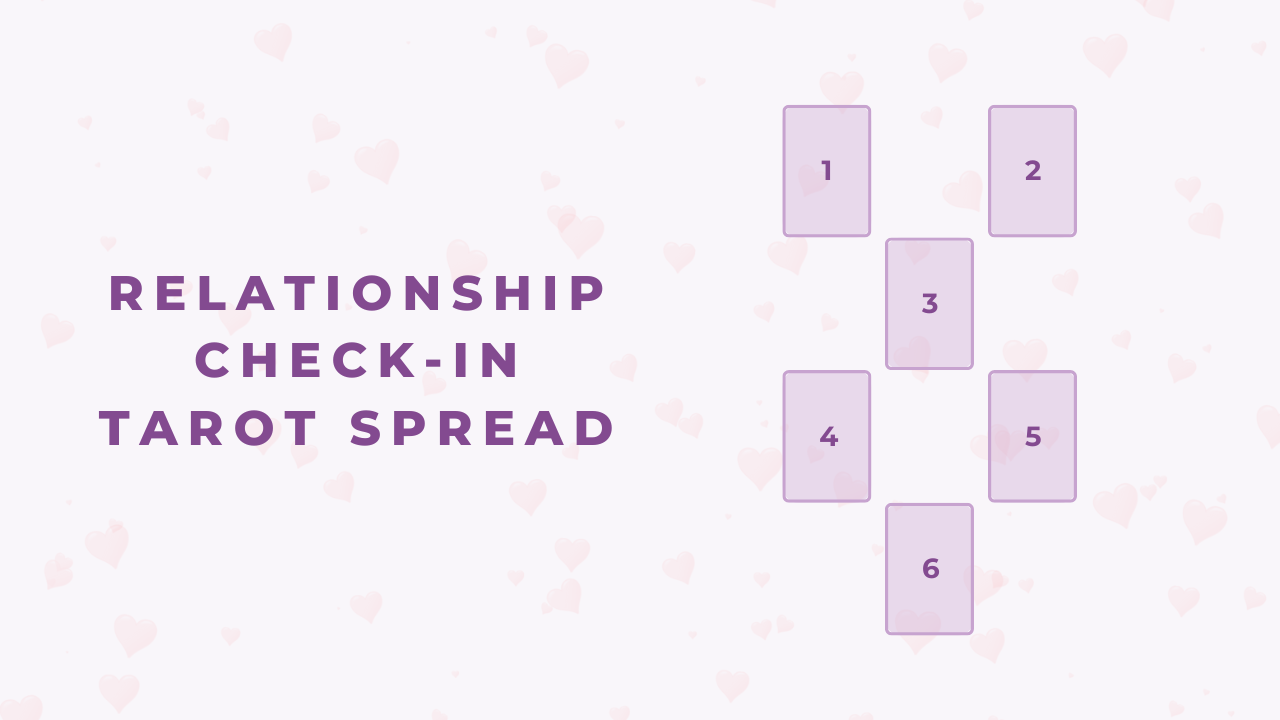
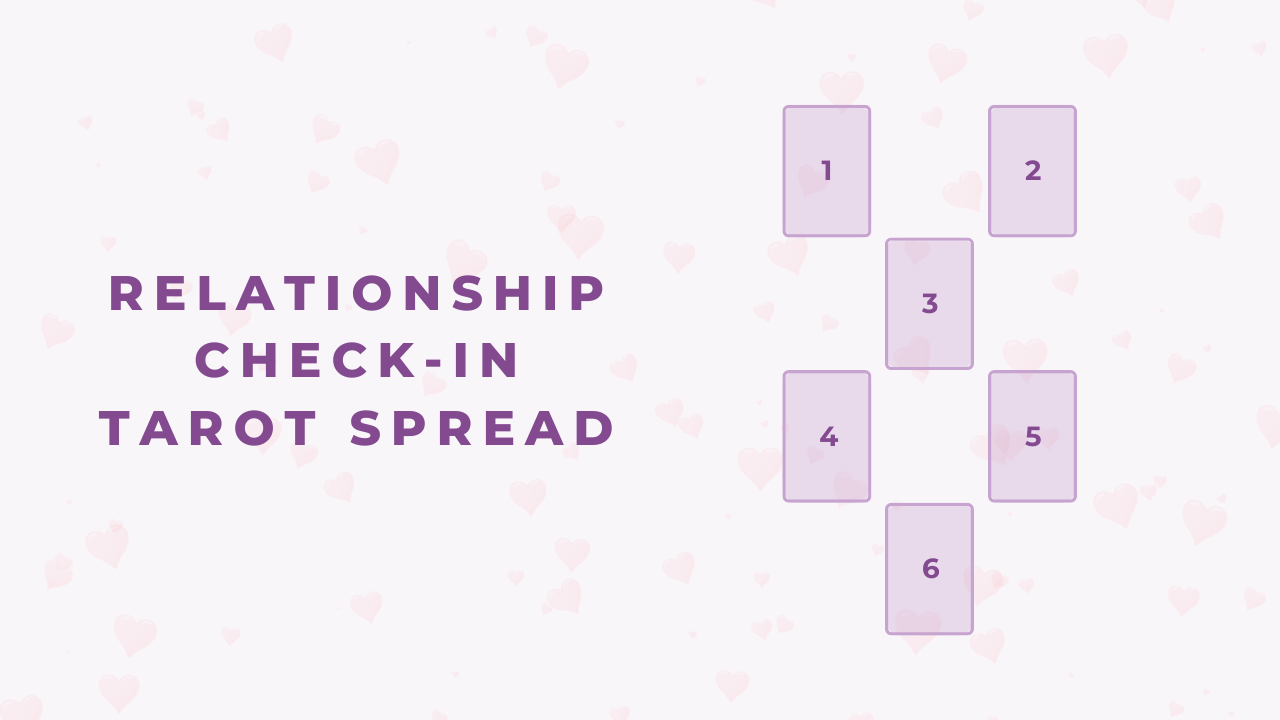
Recent wellness trends highlight the introduction of specialized diagnostic tools, such as the newly released Relationship Check-In Tarot Spread by Biddy Tarot. Designed to serve as a meditative check-in for couples, close friends, and vital partnerships, this practice moves away from the historical, sensationalized use of tarot for fortune-telling. Instead, it positions the ancient practice as a psychological and emotional mirror.
The core facts of this phenomenon include:
The Purpose: To provide partners and companions with structured "space to breathe, reflect, and reconnect," offering clarity on current dynamics, individual needs, and collective paths forward.
The Versatility: Unlike traditional spreads focused strictly on romantic futures, this modern framework is intentionally adaptable for romantic relationships, close friendships, and any significant interpersonal connection.
The Methodology: The practice utilizes visual archetypes and symbolic card positions to bypass cognitive defenses, encouraging vulnerable, honest communication between individuals who may otherwise struggle to articulate complex emotional states.
The Cultural Shift: The widespread adoption of these spreads reflects a broader sociological movement toward micro-wellness, emotional literacy, and decentralized self-help tools that individuals can practice in the comfort of their homes.
Chronology
To understand how tarot evolved from a secretive parlor game and medieval card game into a mainstream psychological and relational wellness tool, it is necessary to examine the timeline of its integration into modern self-care culture.
15th to 19th Century: From Gaming to Occult Symbolism
The Origins: Tarot cards originated in the mid-15th century in various regions of Europe, notably Italy, where they were initially played as a simple card game known as Tarocchi.
The Esoteric Turn: It wasn’t until the late 18th and 19th centuries, largely influenced by French occultists like Antoine Court de Gébelin and Jean-Baptiste Alliette (Etteilla), that the cards were reinterpreted as repositories of ancient mystical wisdom, astrology, and kabbalistic philosophy.
Early to Mid-20th Century: The Rider-Waite-Smith Revolution
1909: The publication of the Rider-Waite-Smith tarot deck, illustrated by Pamela Colman Smith and guided by academic Arthur Edward Waite, revolutionized the practice. Smith’s evocative, narrative-driven illustrations on the Minor Arcana made the cards accessible, laying the groundwork for emotional and psychological interpretation rather than rigid, fatalistic divination.
Mid-20th Century: Carl Jung’s psychological theories heavily influenced modern esoteric practices. Jung viewed tarot archetypes as keys to the collective unconscious, transforming the cards from tools of prediction into instruments of self-awareness and shadow work.
Late 20th to Early 21st Century: The Digital Demystification
The 2010s: The wellness boom of the 2010s saw a massive resurgence in alternative spirituality. Platforms like Instagram and Pinterest democratized tarot, stripping away its archaic, intimidating aura and repackaging it as an aesthetic, accessible component of daily self-care.
The 2020s: Global disruptions, including the COVID-19 pandemic and subsequent shifts in workplace and social dynamics, triggered a mental health reckoning. Individuals sought out low-cost, accessible modalities for introspection, giving rise to specialized spreads targeted at burnout, boundary-setting, and relational health.
Present Day: The Introduction of Relational Check-In Spreads
February 2026: Leading educational tarot platforms, notably Biddy Tarot, formalize this evolution by launching structured, multi-position frameworks specifically engineered for interpersonal check-ins. These tools bridge the gap between solitary meditation and shared relational dialogue, encouraging users to document and share their insights within digital community spaces.
Supporting Data and Psychological Insights
While skeptics often dismiss tarot as mere superstition, a growing body of psychological research, sociological data, and wellness trend analysis validates the utility of using symbolic projection tools in relationship counseling and self-reflection.
The Power of Projection and Archetypes
Psychologists have long utilized projective tests—such as the Rorschach inkblot test or the Thematic Apperception Test (TAT)—to help individuals articulate thoughts and feelings that reside beneath the surface of conscious awareness. Tarot cards function in a remarkably similar manner. When presented with a complex, archetypal image, the human brain immediately projects its current emotional state, hidden anxieties, and suppressed desires onto the card.
According to relationship therapists who integrate mindfulness tools into their practices, structured tarot spreads offer several quantifiable psychological benefits:
De-escalation of Defensiveness: Direct questioning in relationships ("Why are you pulling away?") can trigger a defensive, fight-or-flight response. By using a neutral third-party object (a tarot card) as the focal point of discussion ("What does this card suggest about our current distance?"), couples can discuss sensitive topics indirectly and safely.
Enhanced Emotional Vocabulary: Many adults struggle to articulate nuanced emotional needs. Tarot decks featuring rich visual imagery provide a vocabulary of symbols, colors, and narratives that help individuals name feelings like grief, anticipation, stagnation, or creative renewal.
Structured Reflection Time: Data from modern wellness surveys indicates that couples who carve out dedicated, ritualized time for reflection report higher levels of long-term relationship satisfaction. A tarot spread acts as a physical boundary and a timer for deep, uninterrupted conversation.
Market Trends in Interpersonal Wellness
The Self-Care Economy: The global wellness market, valued at trillions of dollars, has seen an exponential surge in spending on mental health apps, journaling guides, and spiritual wellness tools.
Community Engagement: Digital metrics surrounding modern tarot content demonstrate massive engagement. Platforms report millions of impressions on educational tarot guides, with younger demographics (Millennials and Gen Z) leading the charge in adopting these practices not as dogma, but as mindfulness exercises.
Official Responses and Expert Perspectives
The intersection of esoteric practices and professional mental health frameworks has elicited diverse commentary from psychologists, relationship coaches, and cultural commentators.
Mental Health Professionals and Therapists
Licensed marriage and family therapists (LMFTs) note a notable shift in how clients approach modern relationship maintenance.
"People are exhausted by superficial interactions and digital fatigue," explains Dr. Elena Vance, a clinical psychologist specializing in relational dynamics. "When individuals bring tools like tarot into their relationship check-ins, they aren’t necessarily looking for supernatural prophecy. They are utilizing a structured prompt to break out of routine conversational loops. Anything that encourages active listening and vulnerability without judgment is a net positive for emotional health."
Therapists emphasize that while tarot spreads cannot replace clinical intervention for deep-seated trauma or severe conflict, they serve as effective "preventative maintenance" for healthy partnerships.
Wellness Educators and Modern Practitioners
Pioneers in the modern tarot movement emphasize the democratization of intuition. Brigittet Heller, founder of Biddy Tarot, has long advocated for moving away from predictive readings toward empowering, intuitive self-reflection.
"Every relationship needs space to breathe, reflect, and reconnect," notes the guiding philosophy behind modern relationship spreads. "A gentle check-in isn’t about judging where you are or assigning blame. It is about building a shared language of awareness and alignment. Whether you are navigating the nuances of a romantic partnership, checking in with a lifelong friend, or evaluating a creative business collaboration, the cards simply act as a mirror to reflect what you both already know deep down."
Cultural Critics
Sociologists observing the trend point out that the popularity of tarot reflects a broader disillusionment with traditional institutional advice and a turn toward autonomous, customizable spiritual frameworks. As traditional community structures evolve, individuals are inventing their own rituals to mark milestones, resolve conflicts, and foster intimacy.
Implications
The mainstreaming of relational tarot spreads carries significant implications for the future of interpersonal communication, the wellness industry, and modern relationship culture.
1. The Democratization of Emotional Literacy
By lowering the barrier to entry for deep introspection, tools like the Relationship Check-In Tarot Spread empower individuals to take charge of their own relational health. This DIY approach to emotional alignment encourages proactive communication, potentially reducing the stigma associated with seeking guidance or expressing vulnerability in relationships.
2. Evolution of the Wellness Industry
The blending of ancient esoteric traditions with contemporary psychology points to a lucrative, expanding niche within the wellness market. Brands and educators that successfully bridge the gap between mystical practices and grounded, actionable self-care will continue to capture the attention of a generation that values holistic, aesthetic, and non-dogmatic approaches to well-being.
3. Redefining Intimacy in the Digital Age
As we spend more time interacting through screens, the need for tactile, grounded rituals has never been greater. Shuffling a physical deck of cards, sitting face-to-face with a partner, and engaging in structured dialogue provides a much-needed antidote to digital fragmentation. It transforms abstract relationship goals into a tangible, creative, and shared experience.
Ultimately, whether utilized by romantic partners navigating a busy season of life, close friends setting boundaries, or creative collaborators aligning their visions, the modern relationship tarot spread represents more than just a passing wellness trend. It is a testament to our enduring human desire to be seen, to understand one another deeply, and to move forward together with intention, awareness, and grace.