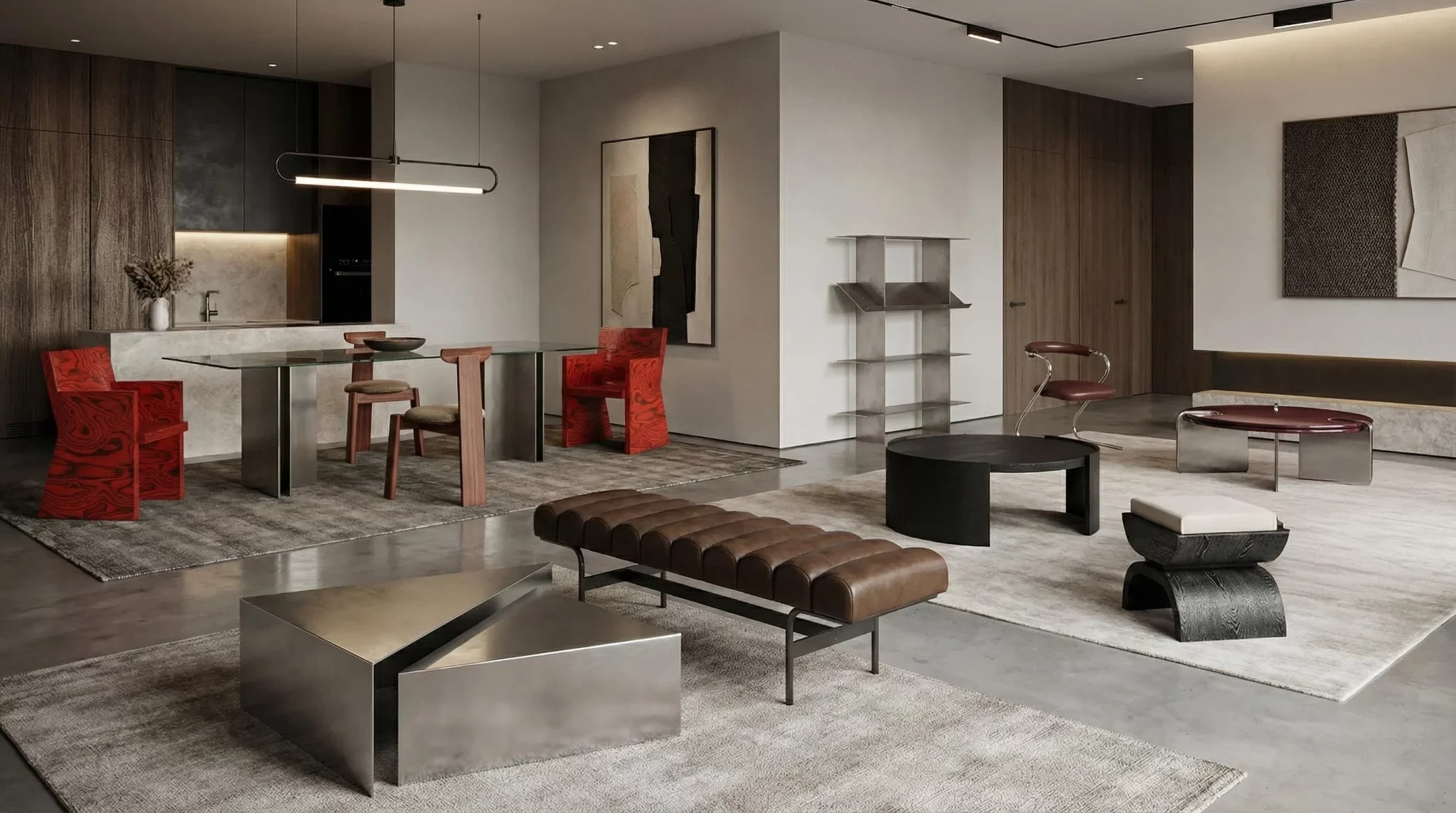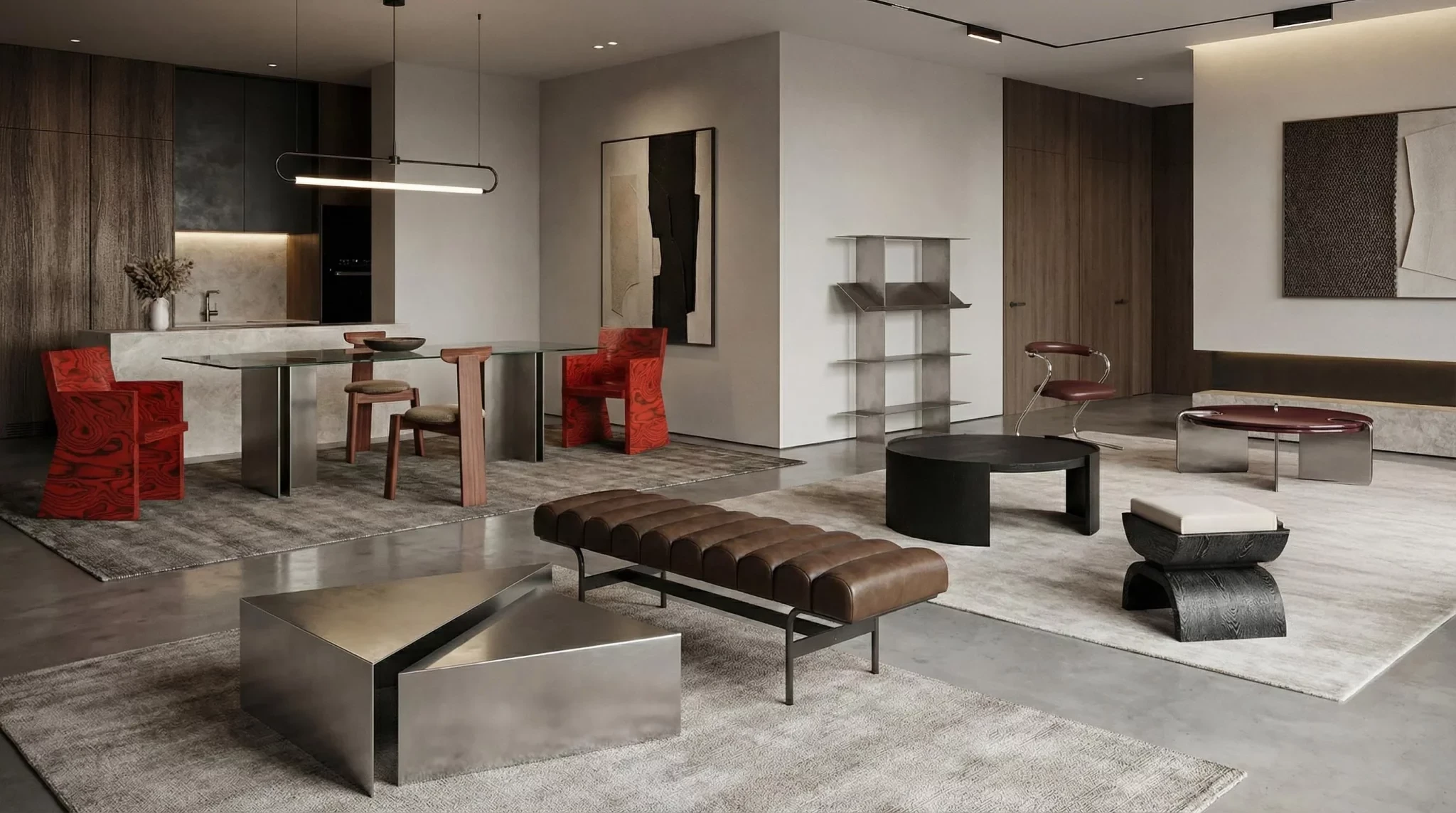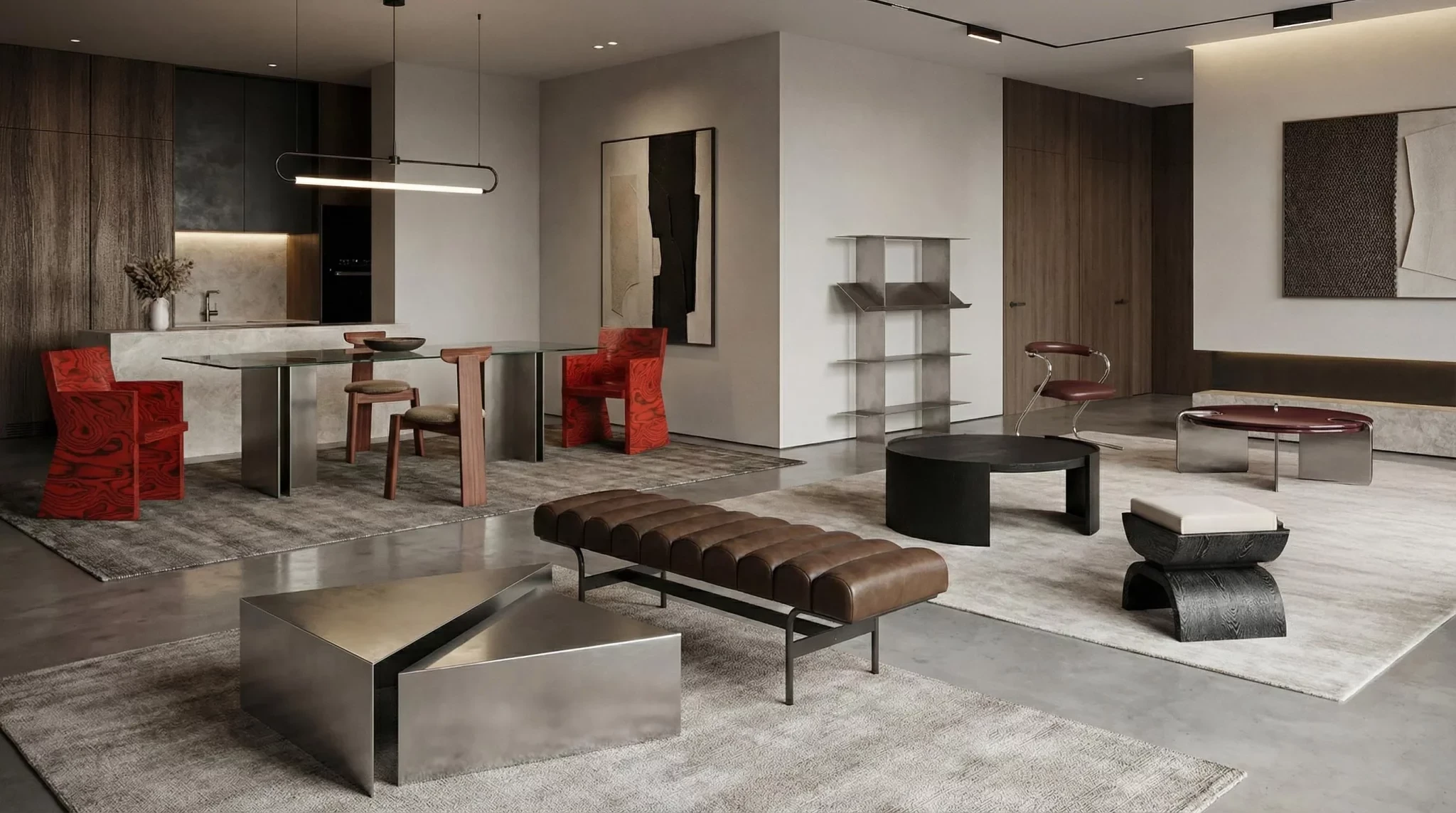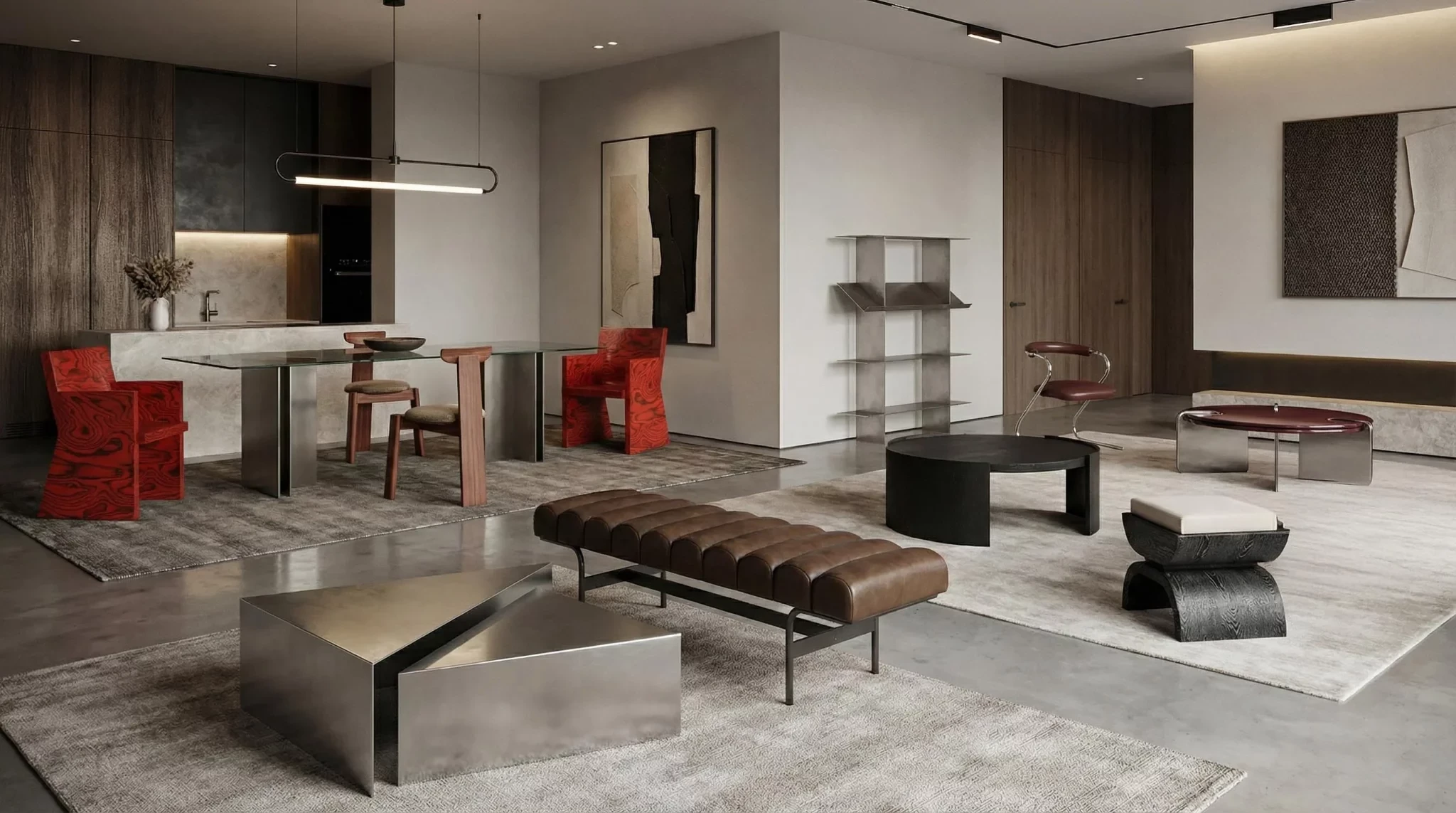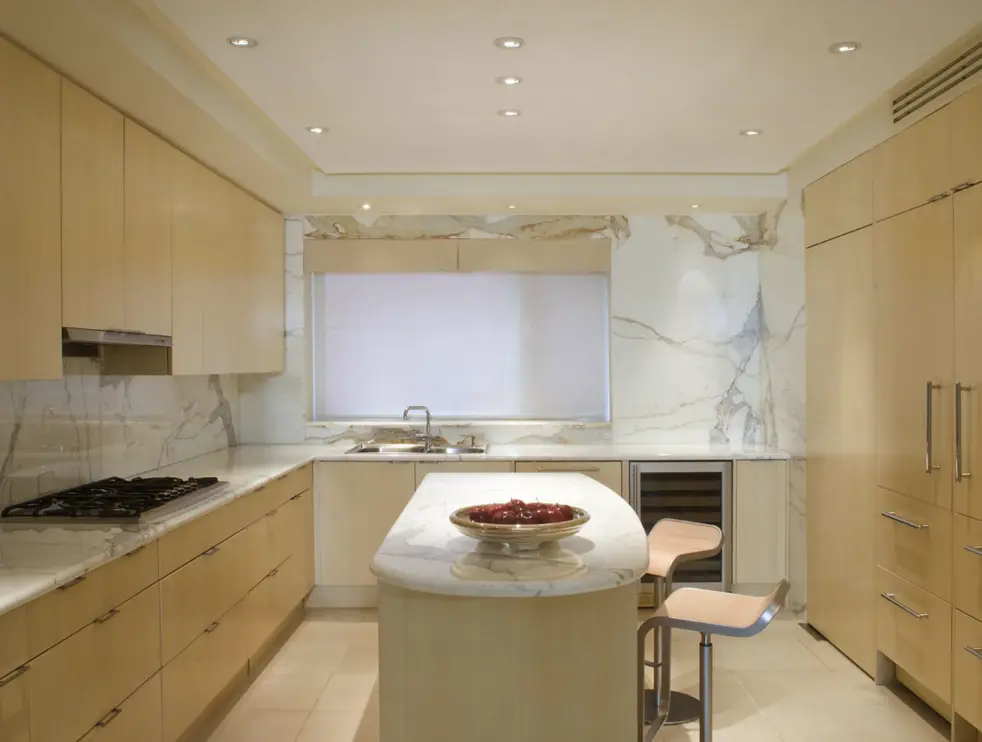
SAN FRANCISCO BAY AREA — In the world of high-end residential and commercial design, true masters are defined not merely by the portfolio they compile, but by the philosophy that anchors their work. For over four decades, Jerry Jacobs has stood at the vanguard of American interior design and architecture. Operating primarily out of Belvedere-Tiburon, California, Jacobs has quietly shaped the architectural and aesthetic fabric of the West Coast and beyond.
As part of the Roomhints Designer Spotlight series—an ongoing editorial feature highlighting the visionaries crafting the spaces that define modern living—this profile explores the trajectory, insights, and unvarnished truths of a career built on precision, passion, and an unwavering commitment to the craft.
Main Facts: A Legacy Built on Scale and Detail
Jerry Jacobs is an anomaly in modern design: an architect by training who seamlessly crossed the threshold into high-end interior architecture and design. His credentials are among the most robust in the industry, holding designations as an International Associate AIA (American Institute of Architects), an ASID (American Society of Interior Designers) professional, and a Certified Interior Designer in the State of California.
His professional footprint spans diverse typologies and geographies. Before focusing exclusively on residential luxury, Jacobs designed large corporate structures, clubhouses, and influential retail environments. Most notably, he conceptualized the globally renowned Aca Joe stores across 30 states and three continents, including an iconic corner flagship location in San Francisco’s Union Square, whose historic façade remains a landmark to this day.
Since pivoting his full attention to high-end residential work in 1991, Jacobs has built one of the Bay Area’s most respected design practices. His completed projects read like a travelogue of architectural prestige:
- Waterfront villas nestled along the rugged coast of Marin County.
- Sweeping penthouses overlooking the San Francisco skyline in Pacific Heights.
- Tailored, contemporary custom homes across Silicon Valley.
- Luxurious resort residences in Mexico.
His excellence has not gone unnoticed by his peers or cultural tastemakers. Among his many accolades, Jacobs captured the prestigious San Francisco Decorators Showhouse Room Award from House Beautiful—widely regarded as one of the most intensely competitive recognitions in American residential design.
Chronology: From Corporate Scale to Residential Sanctuary
The evolution of Jerry Jacobs’ career offers a fascinating glimpse into how a designer’s perspective shifts over decades of practice.
Phase I: Foundations and Global Retail (Pre-1991)
Jacobs began his professional life designing large-scale buildings and commercial environments. This early architectural training instilled a profound understanding of structural integrity, spatial flow, and large-format engineering. His work on the Aca Joe retail empire thrust him into international commercial design, teaching him how physical spaces communicate brand identity to thousands of consumers daily across disparate cultures and geographies.
Phase II: The Residential Pivot (1991)
In 1991, Jacobs made a deliberate transition toward high-end residential architecture and interior design. This shift allowed him to trade the impersonal scale of corporate retail for the deeply intimate, emotional landscape of private homes. During this era, he also dedicated himself to shaping the future of the industry, serving as a professor of architecture and eventually ascending to the role of President of ASID Northern California.
Phase III: Mastery and Synthesis (Present Day)
Today, operating from his California base, Jacobs balances residential architecture, selective commercial interiors, and continuous mentorship. His multi-decade journey has transformed him from a traditional architect into a holistic spatial artist who understands that a home is not merely constructed—it is experienced.
Supporting Data & Professional Insights
To understand Jacobs’ enduring success is to understand his perspective on the mechanics of design, client relations, and the realities of running a creative enterprise.
The Art of Listening
For Jacobs, the design process does not begin with a sketchpad or a material swatch; it begins with deep, analytical listening.
"Listen to the client. Often they do not know what they want, but listening you help them by suggesting approximations, and they will say, that is it."
Clients rarely walk through a designer’s door with a fully articulated architectural vocabulary. Instead, they arrive burdened—or inspired—by abstract feelings, fragmented memories, personal anxieties, and disparate visual references pulled from magazines or Pinterest boards. Jacobs views the designer’s primary role as a translator: sifting through emotional noise, proposing accurate spatial approximations, and refining concepts until a genuine design truth emerges. This process demands immense patience, hyper-attentiveness, and the quiet confidence to suggest rather than impose.
What Drives Great Design?
When asked what drives exceptional design, Jacobs answers without hesitation: passion. He argues that raw talent, formal training, and elite credentials pale in comparison to a genuine, burning love for the work.

Yet, Jacobs remains refreshingly candid about the unglamorous day-to-day reality of the profession. Most high-end designers operate as solitary entities or small teams acting as "jacks of all trades." The job requires wearing dozens of hats simultaneously: creative director, procurement specialist, client psychologist, project manager, and accountant.
"Keep seeking perfection and design as art, beauty. Hard to achieve but keep trying. Hope for the best but be prepared to struggle."
It is a sobering, realistic philosophy forged through more than forty years in the trenches of the industry.
Official Responses & Industry Advocacy: The Value of Professional Work
One of the most defining aspects of Jacobs’ public commentary is his willingness to address subjects that the design industry historically sweeps under the rug. Chief among these is the trap of free labor and undervalued creative services.
"Do not work for free or do things for nothing. It does not only affect your budget and survival, but it hurts the profession and the industry. Value yourself and your time."
Jacobs’ stance is not rooted in arrogance or inflated ego; it is a defense of a rigorous discipline. Designing a home or commercial space requires years of specialized education, technical certification, legal compliance, project management experience, and continuous professional development. When young or established designers agree to speculative, unpaid work to secure a client, they inadvertently devalue the entire ecosystem, setting unrealistic expectations that harm every practitioner in the field.
Implications: The Core Elements and Rules of Engagement
For clients embarking on a project, Jacobs distills decades of spatial mastery into a framework that dictates what truly matters in a room—and how a client-designer partnership should function.
The Hierarchy of Spatial Elements
When asked which products or architectural components exert the most transformative power over a room, Jacobs offers a carefully layered hierarchy:
- Light: While not a physical object you can hold, light is the master controller of perception. Without intelligent lighting design, no material, color, or furniture arrangement can perform as intended.
- The Floor:
"You really can’t walk into a space without it. Ceiling can go and wall can be transparent, but all rooms need a floor."
Whether rich wood planks, pristine marble, modern glass, or a bespoke area rug, the flooring grounds the architecture and sets the emotional tone before a single chair is placed. It is the element occupants look at least, but feel most profoundly. - Art: Jacobs treats art as a critical, emotional investment that outlasts transient furniture and finishes. Furthermore, he champions the power of negative space: leaving a wall completely bare is often superior to displaying mediocre art. The restraint to leave a surface untouched is, in itself, a sophisticated design decision.
Three Rules for Working with a Designer
To ensure a successful collaboration, Jacobs outlines three non-negotiable principles for incoming clients:
- Do Your Homework: Arrive prepared. Establish a brief, define your core priorities, thoroughly research prospective designers, and study their historical portfolios before making contact. Chemistry is vital, but mutual preparation ensures a productive start.
- Respect the Budget:
"This is an important and substantial investment. Don’t try to do too much with too little. You get what you pay for."
Realistic financial planning prevents project compromise and structural disappointment. - Practice Patience: Trust the professionals working on your behalf. Constructive support breeds productivity; artificial pressure degrades the quality of the work and creates friction where there should be synergy.
Conclusion
Jerry Jacobs’ storied career—spanning coast-to-coast architectural marvels, retail landmarks, and deeply personal residential sanctuaries—serves as a masterclass in professional integrity. By wedding uncompromising technical expertise with emotional intelligence, Jacobs continues to elevate the standard of American design.
Jerry Jacobs is based in Belvedere-Tiburon, California. His comprehensive portfolio can be explored online at jerryjacobsdesign.com.
This feature is part of the Roomhints Designer Spotlight series—dedicated conversations with the visionary minds shaping the spaces that matter.