In an era dominated by hyper-digital consumption and fast-paced lifestyles, a quiet revolution is taking place in domestic kitchens across the globe. Home enthusiasts are increasingly trading screen time for tactile, slow-craft hobbies. From sourdough baking and botanical fabric dyeing to artisanal soap making, consumers are seeking mindfulness through tactile creation. At the forefront of this movement is a burgeoning corner of the internet dedicated to high-end cosmetic dupes, highlighted most recently by a viral DIY project: a handcrafted, skin-nourishing copycat of Lush’s cult-favorite "Snow Fairy" soap.
Combining the ease of melt-and-pour soap bases with the luxurious properties of shea butter, rice bran oil, and aloe vera, this project bridges the gap between commercial luxury and accessible home craftsmanship.
The Main Facts: The Intersection of Self-Care and Domestic Craft
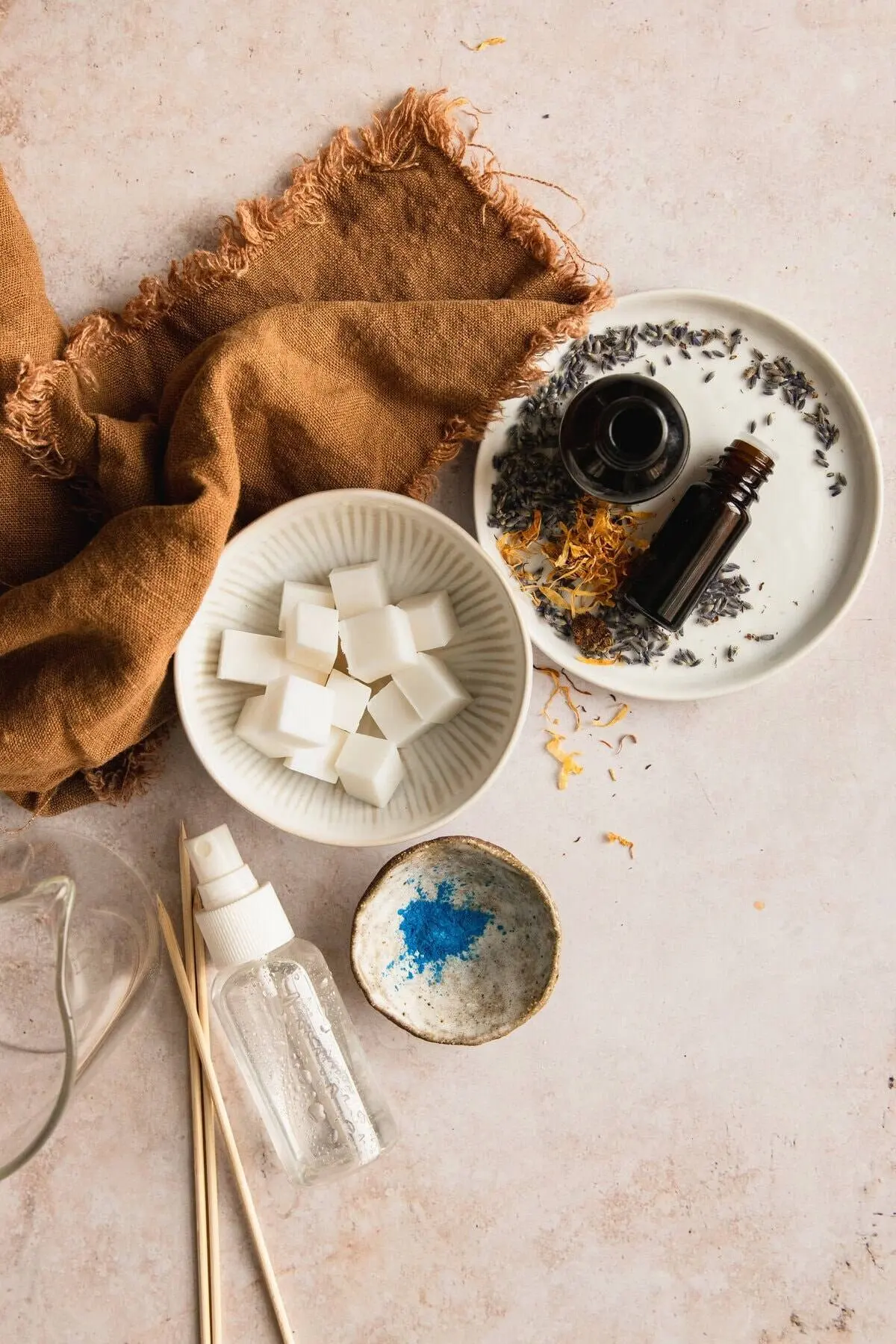
The modern DIY cosmetics market has expanded exponentially over the past five years. Driven by transparency in ingredients, a desire for sustainable packaging, and the therapeutic benefits of crafting, consumers are turning away from mass-produced commercial soaps laden with synthetic detergents. Instead, they are utilizing beginner-friendly methods—chiefly the melt-and-pour technique—to achieve professional-grade results at home.
The focal point of this trend is the replication of high-end retail phenomena, specifically Lush Cosmetics’ seasonal "Snow Fairy" line. Known for its distinct bright pink hue, sweet bubblegum-like fragrance, and festive presentation, the original product commands a dedicated seasonal following. However, for crafters looking to control their ingredient decks while capturing the same visual magic, the DIY shea-peppermint soap dupe offers an appealing alternative.
Unlike traditional cold-process soap making, which requires handling caustic sodium hydroxide (lye) and a curing period of four to six weeks, the melt-and-pour method utilizes pre-saponified soap bases. This allows creators to focus entirely on design, layering, and skin-conditioning additives without the safety hazards or steep learning curves associated with scratch soap manufacturing.
Chronology: Step-by-Step Artisanal Production
Creating a multi-layered, embedded-shape soap loaf is an exercise in patience and precision. While the active hands-on time is manageable, the entire process takes approximately 3 to 5 hours due to mandatory cooling and setting periods between layers.
Phase 1: Creating the Embedded Shapes
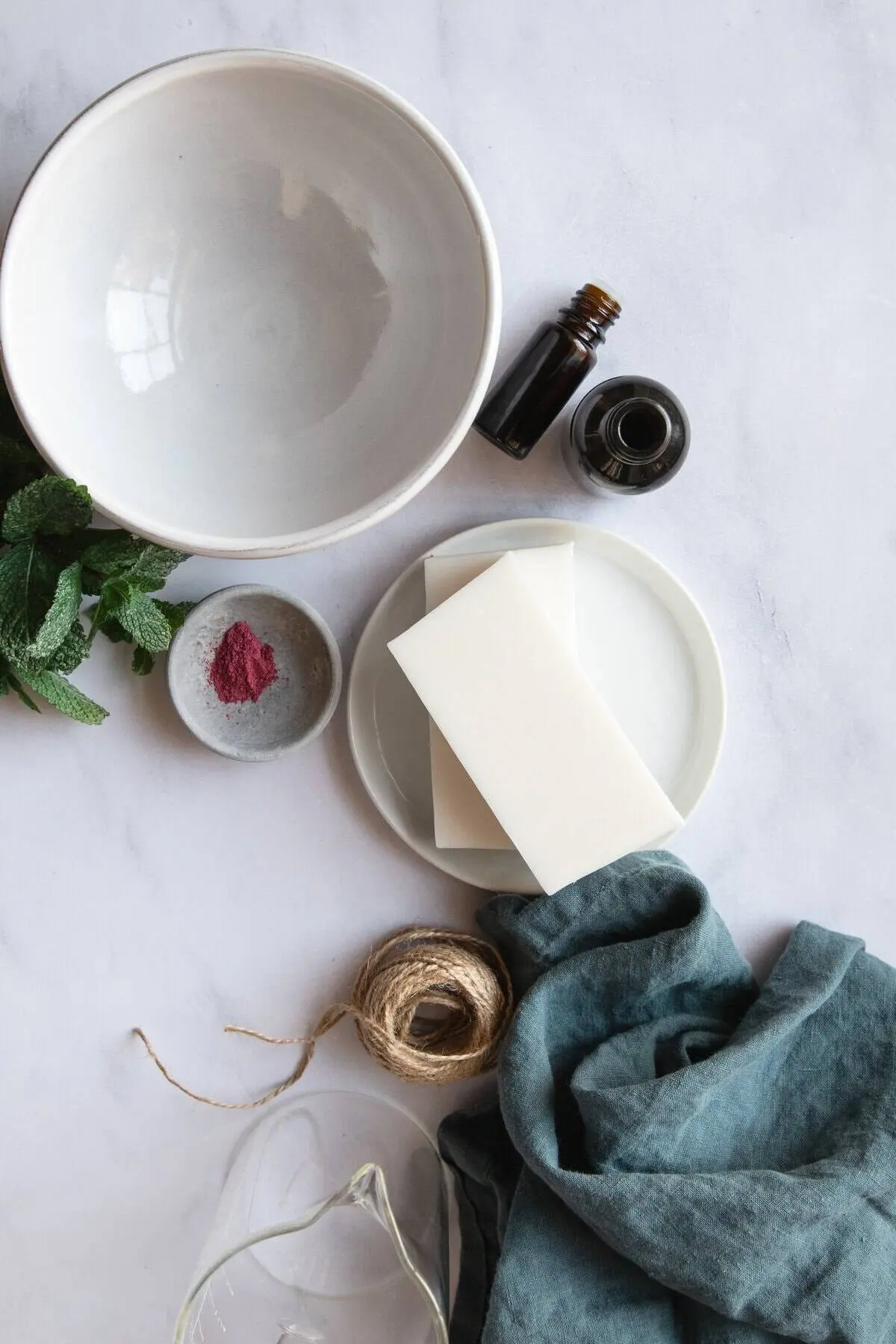
Melting the Clear Base: Chunks of clear glycerin melt-and-pour soap base are placed in a microwave-safe measuring container and heated in 30-second increments until completely liquefied.
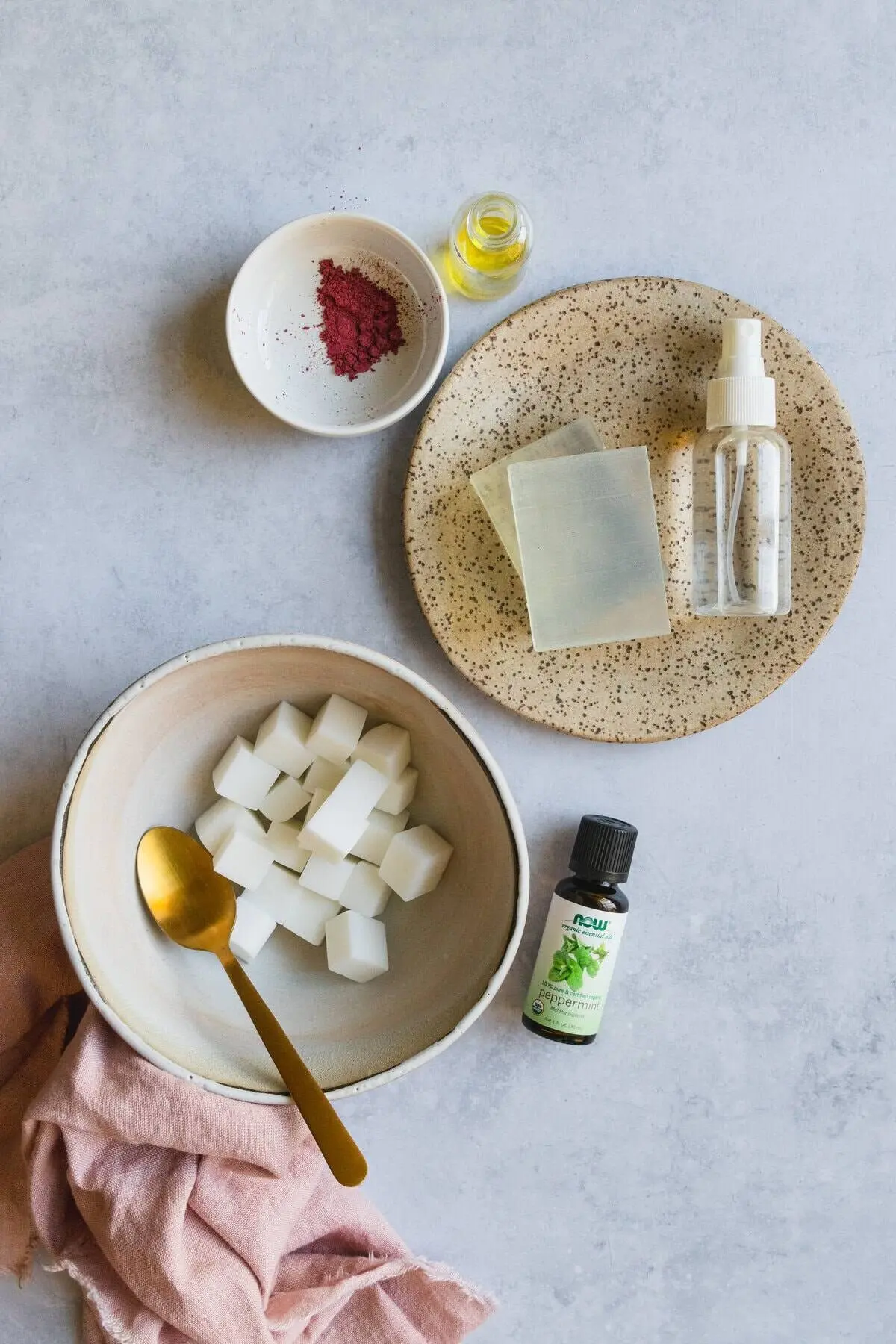
Coloring: Approximately one-third of a teaspoon of pink mica powder is whisked thoroughly into the melted base to achieve a vibrant, translucent foundation.
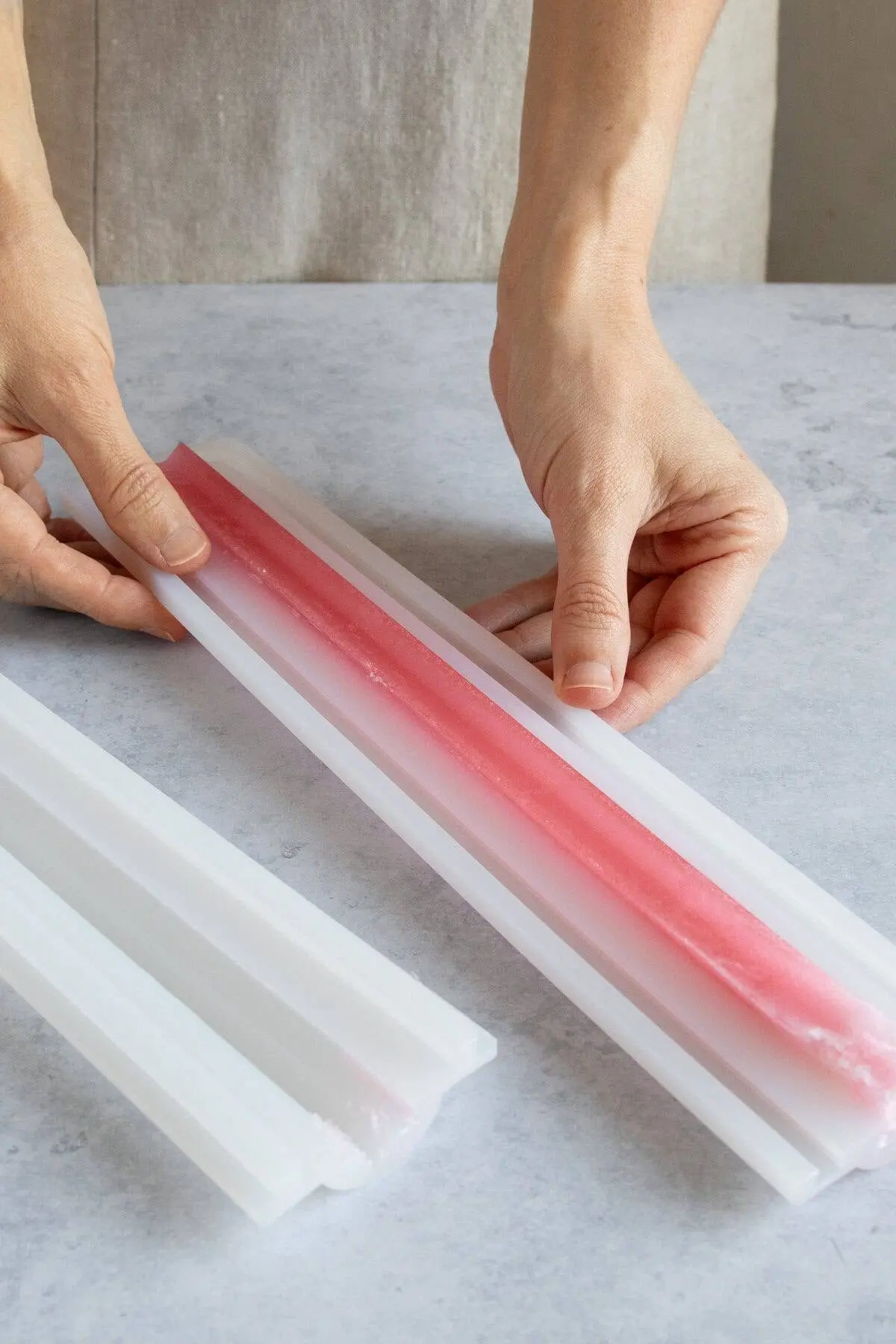
Pouring the Column Mold: The tinted soap is poured into a specialized column mold (such as a star-shaped pillar) resting on a stabilizing cookie sheet. Any remaining soap is poured into a shallow 1-inch layer in a rectangular loaf mold.
Cooling and Demolding: The shapes are allowed to rest for roughly one hour until solidified. Once cooled, the star pillar is carefully unraveled, and the flat soap layer is diced into geometric squares, triangles, and rectangles.
Phase 2: Formulating the Outer Loaf
Melting the Shea Base: Opaque shea butter melt-and-pour base is cubed and melted in controlled intervals. Shea butter is chosen for its superior emollient properties, offering deep moisturization compared to standard glycerin bases.
Infusing Actives: Peppermint essential oil is added for a refreshing, cooling scent profile, alongside rice bran oil and aloe vera gel to target dry, winter skin.
Tinting and Temperature Control: A minimal amount of pink mica is incorporated to achieve a softer pastel pink. Crucially, the mixture must cool to approximately 140°F to 145°F. Pouring the soap while too hot will melt or warp the previously cast geometric inserts.
Phase 3: Layering and Final Assembly
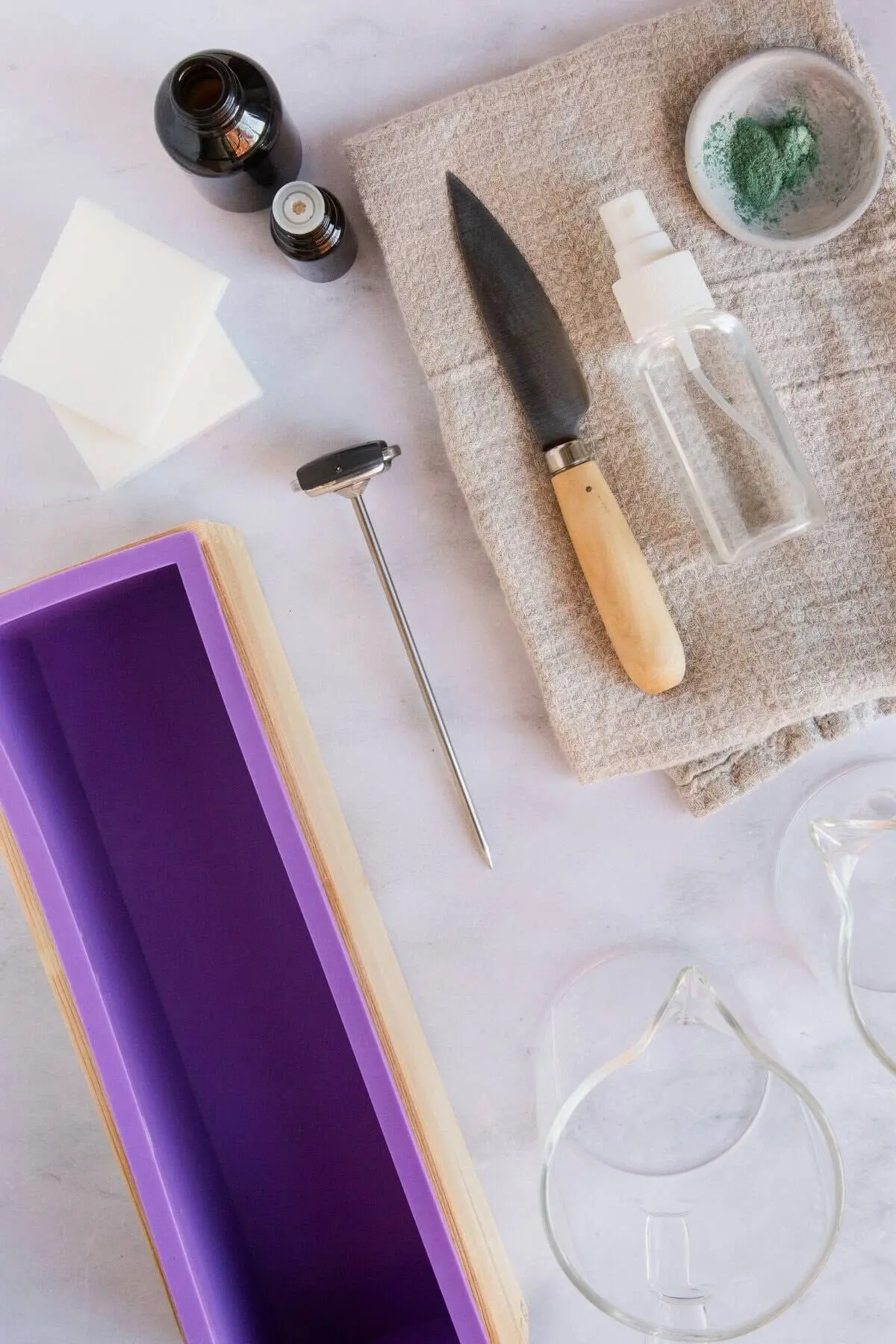
The Foundation Layer: A shallow base of white or light-pink shea soap is poured into the rectangular loaf mold, spritzed immediately with rubbing alcohol to eliminate surface air bubbles, and left to set for 15 to 20 minutes.
Embedding the Elements: Crafters spritz the pre-made stars and geometric shapes with rubbing alcohol—a vital step that ensures chemical bonding between separate soap pours—and arrange them along the semi-solid base.
Incremental Pours: Alternating layers of melted shea soap and embedded shapes are built up gradually. Each new layer must be spritzed with alcohol to prevent the formation of unsightly boundary lines or trapped air bubbles.
Final Slicing: Once the full loaf has cured for 2 to 3 hours (or ideally overnight), it is released from the mold and sectioned using a bench scraper or sharp knife into rich, 1-inch-thick bars.
Supporting Data: Ingredients and Their Dermatological Benefits
What elevates this DIY project from a simple craft to an effective skincare regimen is the careful selection of raw ingredients. Traditional commercial cleansers often strip the skin’s natural lipid barrier due to harsh synthetic surfactants like sodium lauryl sulfate (SLS). In contrast, this formulation prioritizes skin health:
Shea Butter Melt-and-Pour Base: Rich in vitamin A and E, shea butter provides intensive fatty acids that lock in moisture, making it ideal for combating winter dryness and irritation.
Glycerin Base: As a potent humectant, vegetable glycerin draws ambient moisture into the skin, maintaining hydration levels long after washing.
Rice Bran Oil: Packed with antioxidants, vitamin B, and squalene, rice bran oil helps nourish the skin barrier without leaving a heavy, greasy residue.
Aloe Vera Gel: Celebrated for its anti-inflammatory properties, aloe vera soothes redness and calms compromised skin, making the soap gentle enough for frequent hand-washing.
Peppermint Essential Oil: Beyond providing an invigorating, holiday-inspired aroma, natural menthol stimulates microcirculation and delivers a cooling sensation on contact.
Official Responses and Expert Insights
Aromatherapists and cosmetic formulators have increasingly endorsed melt-and-pour crafting as a gateway to sustainable personal care. Industry experts emphasize that while commercial "dupes" often rely on synthetic fragrance oils and artificial dyes that can trigger contact dermatitis, DIY formulations allow users to swap in pharmaceutical-grade essential oils and mineral-based colorants.
"The primary advantage of modern melt-and-pour formulations is customizability," notes clinical aesthetician and product formulator Elena Vance. "By controlling the lipid ratios—such as integrating unrefined shea butter and nourishing plant oils—consumers can tailor mass-market aesthetic trends to their exact skin barrier requirements without sacrificing sensory appeal."
Master soap makers also stress adherence to technical parameters, noting that temperature management is the single most common pitfall for beginners. Failing to let the outer pour cool to the recommended 140°F threshold compromises the structural integrity of the design, resulting in blurred internal shapes or collapsed structural layers.
Implications: The Shift Toward Intentional Consumerism
The popularity of projects like the Lush-inspired peppermint soap reflects a broader cultural shift toward intentional consumerism. As inflation impacts the retail sector and shoppers grow increasingly skeptical of corporate greenwashing, home-crafting offers a dual benefit: financial economy and creative empowerment.
At an estimated material cost of approximately $30 for a yield of eight substantial bars, the project undercuts equivalent luxury retail pricing while offering superior ingredient transparency. Furthermore, the meditative nature of multi-step crafting addresses a rising demand for analog hobbies that combat digital fatigue and burnout.
As consumers continue to seek comfort in tactile, sensory-rich experiences, the boundary between commercial manufacturing and domestic creation will continue to blur. Whether gifted during the holiday season or kept as a daily luxury in the bath, these artisanal creations prove that high-end self-care is no longer confined to the shopping mall—it can be forged right on the kitchen counter.