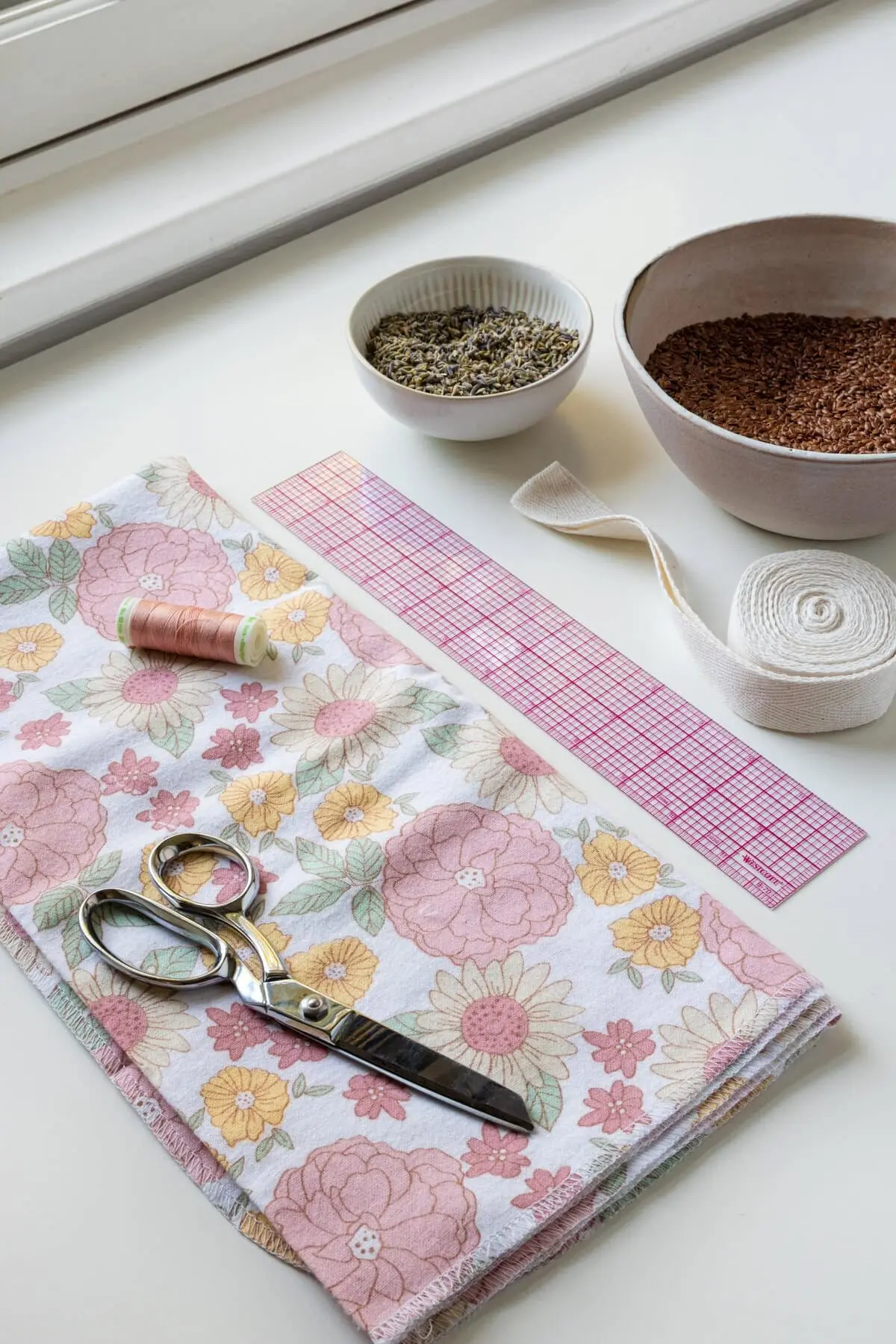
In an era defined by fast-paced desk jobs, screen fatigue, and the relentless creep of modern stress, physical tension has become an unwelcome universal companion. Millions of people carry their daily anxieties and ergonomic strain directly in their shoulders and necks. While commercial heating pads and luxury spa treatments offer temporary relief, a growing wellness movement champions the art of self-soothing through handcrafted, natural remedies. Enter the DIY heated herbal neck wrap—a simple, highly customizable, and deeply therapeutic project that marries basic sewing skills with the ancient principles of heat therapy and aromatherapy.

Main Facts: The Anatomy of a Therapeutic Neck Wrap
At its core, a DIY heated herbal neck wrap is a segmented fabric pouch filled with high-heat-retention grains and aromatic botanicals. Designed to contour comfortably to the cervical spine and shoulders, this natural wellness tool delivers targeted thermal therapy combined with olfactory relaxation.

Unlike electric heating pads, which can be cumbersome, tethered to a wall, and prone to mechanical failure, a microwaveable herbal wrap offers cordless mobility. Users can drape it over their shoulders while working at a standing desk, reading on the sofa, or winding down before sleep.

The primary components of this craft include:

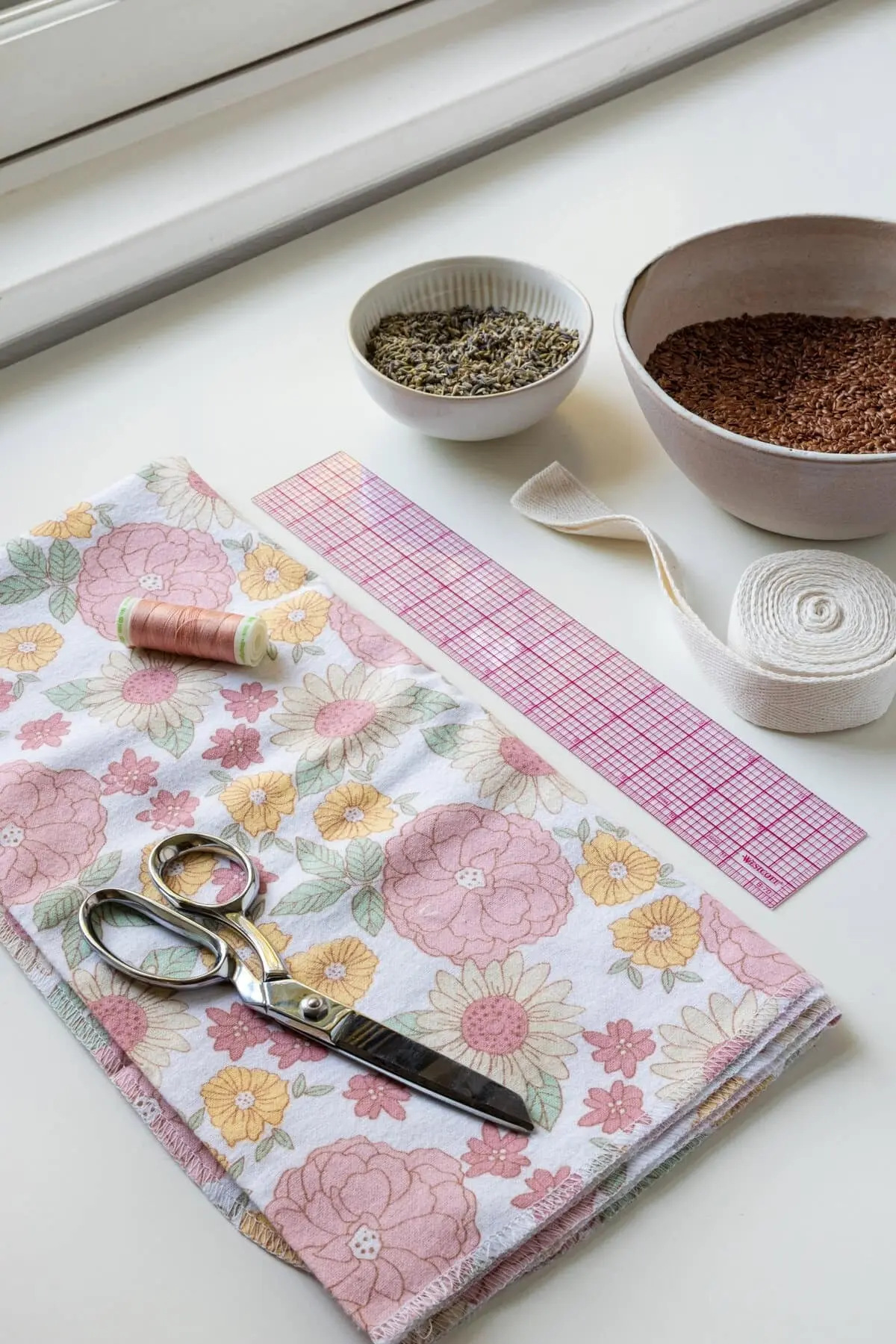
- Natural Fiber Fabrics: 100% cotton, flannel, or linen. Synthetic materials like polyester or nylon are strictly avoided because they can melt, degrade, or release toxic off-gases when exposed to microwave heat.
- Thermal Fillers: Flaxseed is widely considered the gold standard due to its high natural oil content, which helps it retain heat longer and conform fluidly to the body. White rice serves as a budget-friendly alternative.
- Aromatherapeutic Botanicals: Dried lavender blossoms, chamomile, rose petals, or jasmine. When heated, these botanicals release gentle essential oils that calm the nervous system.
- Structural Design: Divided internal channels (usually three columns) that prevent the filling from shifting or pooling at the ends, ensuring even weight and heat distribution across the neck.
Chronology: Step-by-Step Construction of Your Herbal Wrap
Creating this therapeutic accessory requires roughly one hour and basic sewing proficiency—specifically, the ability to sew a straight line on a sewing machine.

Phase 1: Preparing the Fabric Tube
- Select and Cut: Choose a breathable, natural-fiber fabric. Cut the material to the desired dimensions for a standard adult neck wrap.
- The Initial Fold: Fold the fabric in half lengthwise ("hot dog style") with the right sides facing together, ensuring the long edges align precisely.
- The Long Seam: Using a ½-inch seam allowance, sew down the length of the open edge. Turn the fabric right-side out and press it flat with an iron for a crisp finish.
Phase 2: Adding Ties and Structuring Channels
- Hemming the Ends: Fold the raw edge of one short end inward by ½ inch and press with an iron.
- Securing the Ties: Insert the ends of sturdy cotton twill tape into the folded opening to act as secure closures or optional ties, then pin them in place.
- Top-Stitching: Sew across the short end to close it securely and lock the twill tape in place. Remove all pins.
- Drafting the Channels: Measure 1.5 inches down from the top closed edge and draw a faint horizontal guideline. From that line, mark two equidistant vertical lines running down the length of the wrap, stopping 2 inches short of the bottom edge.
- Stitching the Channels: Sew along these vertical lines. This creates three distinct internal columns that will keep the flaxseed evenly distributed during use.
Phase 3: Filling and Finishing
- Blending the Mixture: In a mixing bowl, combine flaxseed with your choice of dried lavender or floral blossoms.
- Filling the Wrap: Using a wide-neck funnel or a small scoop, pour approximately ½ cup of the mixture into each of the open channels. Shake the fabric downward to settle the contents. Fill the wrap until it is comfortably full but retains enough flexibility to drape smoothly around a human neck.
- Final Closure: Fold the raw edges of the open end inward by ½ inch, press, insert the remaining twill tape ends, and top-stitch the final edge closed.
Supporting Data: Why Heat and Aromatherapy Work
The efficacy of a heated herbal neck wrap is supported by decades of physiological and psychological research regarding thermal therapy and botanical aromatherapy.

The Science of Heat Therapy
Applying localized heat to tense or sore muscles induces vasodilation—the widening of blood vessels. This biological response significantly increases blood circulation to the affected area, delivering essential oxygen and nutrients while clearing out metabolic waste products like lactic acid. Improved blood flow relaxes skeletal muscles, reduces spasms, and alleviates the stiffness associated with poor posture, arthritis, or age-related joint discomfort.

The Power of Olfactory Aromatherapy
Aromatherapy engages the limbic system, the emotional center of the brain, via the olfactory bulb. Dried lavender (Lavandula angustifolia), the most common inclusion in herbal wraps, contains active compounds such as linalool and linalyl acetate. Clinical studies have consistently demonstrated that inhaling lavender scent can reduce heart rate, lower blood pressure, and decrease cortisol (stress hormone) levels. Combined with the physical weight of the wrap—which provides gentle deep-pressure stimulation—the user experiences a profound neuro-calming effect.

Official Recommendations and Safety Guidelines
While crafting and using a microwaveable heating pad is straightforward, safety experts and consumer safety agencies emphasize the importance of proper usage to prevent domestic accidents or injuries.

Microwave Safety Protocols
- Time Limits: Standard heating guidelines recommend warming the wrap in 30-second increments, not exceeding a total of 90 seconds. Overheating can scorch the internal botanicals, damage the fabric, or ignite the contents.
- The Rice Caution: If substituting flaxseed with white rice, safety guidelines strongly recommend placing a small, microwave-safe cup of water inside the appliance alongside the wrap. Because rice has a lower natural oil content than flaxseed, it dries out rapidly under microwave radiation, increasing the risk of scorching or fire.
- Temperature Checks: Always test the temperature of the wrap against the sensitive skin of your inner wrist before draping it across your neck to avoid thermal burns.
Material Integrity
Experts advise inspecting the wrap periodically for signs of wear, thinning fabric, or unusual odors. Because natural fibers degrade over time with repeated exposure to heat, a well-used neck wrap should typically be replaced every few years.

Implications: The Shift Toward Holistic, Sustainable Self-Care
The rising popularity of handcrafted wellness tools like the herbal neck wrap reflects a broader cultural shift toward mindful consumption, sustainability, and self-reliance.

Economic and Environmental Impact
In a consumer market saturated with mass-produced, petroleum-based plastic heating pads shipped from overseas, making a localized textile project reduces carbon footprints and packaging waste. By utilizing scrap fabrics, bulk organic flaxseed, and locally foraged or dried culinary herbs, crafters can produce a high-end therapeutic device for a fraction of retail cost—usually around $15 in raw materials.

Mental Health and the Slow Living Movement
Engaging in tactile, creative hobbies such as sewing serves as a meditative practice in its own right. Psychologists note that handcrafting items lowers acute anxiety by demanding focused, rhythmic attention. Consequently, the therapeutic journey begins long before the wrap ever reaches the microwave; it starts at the sewing machine.

Ultimately, whether deployed to soothe an aching neck after an eight-hour shift at the computer, ease the discomfort of a tension headache, or simply provide comfort on a cold winter evening, the DIY heated herbal neck wrap stands as a testament to the healing power of thoughtful craftsmanship and natural science.