





As modern lifestyles demand prolonged hours at desks and digital screens, physical strain has become an inescapable reality for millions. Chronic tension, sore shoulders, and aching joints are no longer ailments reserved for the elderly; they plague remote workers, students, and professionals alike. In response to this widespread discomfort, a quiet wellness revolution is taking place in homes across the country. People are increasingly turning away from costly commercial therapies and synthetic pharmaceutical quick-fixes, opting instead for tactile, handmade remedies.

At the forefront of this trend is the DIY heated herbal neck wrap—a simple yet remarkably effective fusion of heat therapy, aromatherapy, and traditional crafting. Requiring little more than a sewing machine, natural fabric, flaxseed, and dried botanicals, this weekend project offers a sustainable, highly customizable approach to self-care and pain management.

Main Facts: The Anatomy of a DIY Heat Pack
The heated herbal neck wrap is designed to contour effortlessly to the body, resting snugly against the tense nooks and crannies of the cervical spine and shoulders. When warmed in a microwave, the internal filling retains heat for up to 30 minutes, delivering targeted thermal therapy that dilates blood vessels, increases circulation, and relaxes contracted muscles.

Core Components:
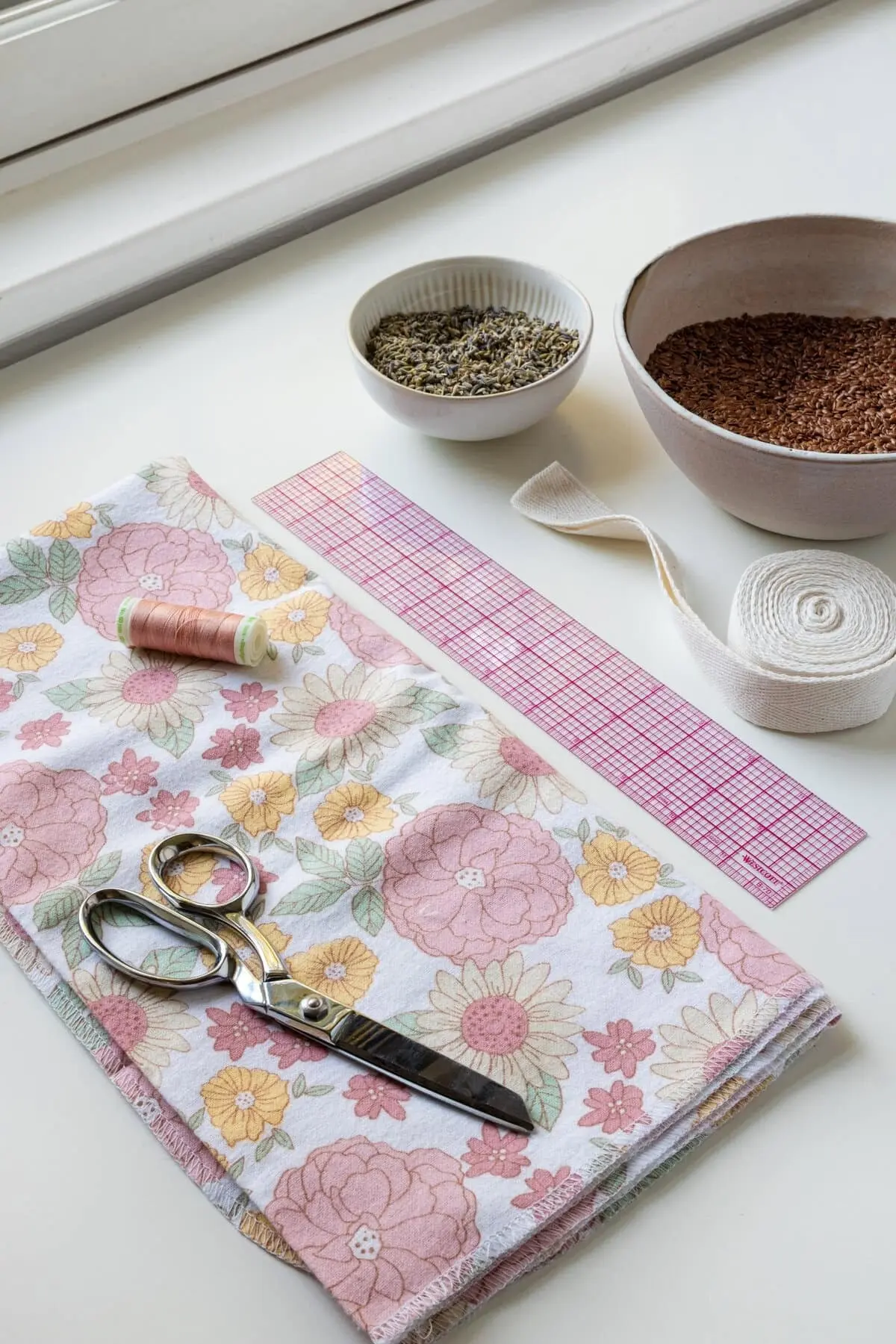
- The Filling: Flaxseed is widely considered the gold standard for microwave heat packs. Its high natural oil content allows it to absorb and retain heat efficiently while molding smoothly to the contours of the body. White rice serves as a budget-friendly alternative.
- The Aromatherapy: Dried lavender blossoms are traditionally mixed into the filling to release a calming scent when heated, leveraging aromatherapy to reduce stress and promote relaxation. Chamomile, rose, and jasmine offer alternative aromatic profiles.
- The Enclosure: Natural, breathable fibers such as cotton, flannel, or linen are essential. Synthetic materials—like polyester or nylon—must be strictly avoided, as they can melt, trap odors, or pose fire hazards in the microwave.
- Structural Integrity: Internal vertical stitching divides the wrap into channels (typically three columns), ensuring the flaxseed remains evenly distributed rather than pooling at the ends.
Chronology: From Concept to Cozy Reality
Creating a therapeutic herbal neck wrap is an accessible project that typically takes about an hour from start to finish. Below is the sequential breakdown of the construction process.

Phase 1: Preparing the Fabric
- Cutting and Folding: Select a durable, heat-safe natural fabric. Fold the fabric in half lengthwise (right sides together) so that the long edges line up evenly.
- Seaming: Using a standard half-inch seam allowance, sew along the long open edge to create a fabric tube. Turn the tube right-side out and press it flat with an iron.
- Edge Preparation: Fold the raw edge of one short end inward by half an inch and press it flat.
- Adding Ties: Insert the ends of two pieces of twill tape (used for securing the wrap around the neck) into the folded short end and pin them securely in place.
- Initial Closure: Top-stitch across the short end to seal it and anchor the twill tape, then remove the pins.
Phase 2: Structuring the Channels
- Drafting Guidelines: Measure 1.5 inches down from the newly closed top edge and draw a light horizontal guideline.
- Vertical Divisions: Measure 1.5 inches in from the left edge and draw a vertical line running down the length of the wrap, stopping 2 inches short of the bottom edge. Repeat this process 1.5 inches to the right to create two equidistant vertical lines.
- Stitching Channels: Sew straight lines along these marked vertical tracks. This creates three distinct columns that prevent the filling from shifting or sinking to the bottom.
Phase 3: Filling and Finishing
- Blending the Mixture: In a mixing bowl, combine flaxseed with dried lavender blossoms (or your preferred herbal blend).
- Filling the Wrap: Pour the mixture into the open end of the wrap, utilizing a wide-neck funnel if necessary. Shake the fabric to distribute the filling down the three columns.
- Maintaining Flexibility: Fill the wrap until it is almost full, leaving enough empty space for the wrap to remain pliable and drape comfortably around the neck.
- Final Sealing: Fold the raw edges of the open end inward, press with an iron, insert the remaining ends of the twill tape into the outer corners, and top-stitch the end completely closed.
Supporting Data: The Science of Heat and Aromatherapy
Thermal therapy has long been validated by clinical research as a non-invasive treatment for musculoskeletal pain. Applying localized heat triggers sensory receptors in the skin, blocking pain signals from reaching the brain and simultaneously stimulating blood flow to speed up tissue recovery.

When paired with aromatherapy, the physiological benefits expand. Lavender (Lavandula angustifolia) has been extensively studied for its anxiolytic (anti-anxiety) properties. Inhalation of lavender scent has been shown to reduce heart rate, lower cortisol levels, and promote a state of calm. By combining thermal relief with olfactory relaxation, the herbal neck wrap addresses both physical stiffness and mental fatigue—a dual-action benefit that explains its enduring popularity among remote workers and wellness enthusiasts alike.

Official Guidelines and Safety Protocols
Because heated packs are placed directly against the skin and heated via household appliances, safety is a primary concern for makers and users. Health and safety experts recommend adhering strictly to specific protocols to prevent accidents:

- Microwave Limitations: Heating times should be monitored closely. Standard wraps should be heated in 30-second intervals, never exceeding 90 seconds total. Overheating can cause the organic material to scorch, dry out, or ignite.
- The Rice Caveat: For those using white rice instead of flaxseed, safety experts advise placing a small ceramic cup of water inside the microwave alongside the wrap during heating. Because rice contains less natural oil than flaxseed, it dries out rapidly under microwave radiation; the accompanying water cup prevents internal scorching and potential fire risks.
- Material Selection: Only 100% natural fibers (cotton, linen, flannel) should be used. Synthetic blends can release toxic chemical off-gases when heated or melt against the skin.
- Temperature Testing: Always test the temperature of the wrap on the inner wrist before draping it around the neck to avoid thermal burns.
Implications: The Shift Toward Sustainable Self-Care
The surging interest in DIY wellness items like the herbal neck wrap reflects a broader cultural shift. As consumers navigate economic uncertainties and environmental concerns, mass-produced, disposable commodities are losing their luster. In their place, handmade, reusable, and locally sourced items are gaining momentum.

Economic and Environmental Impact
- Cost-Effectiveness: Commercial heat packs often retail for $30 to $60, whereas a handmade version can be crafted for roughly $15 using leftover fabric scraps, bulk flaxseed, and dried garden herbs.
- Waste Reduction: Making durable items at home minimizes packaging waste and encourages a circular mindset of repair and reuse. When the herbs eventually lose their scent after a few years of service, the wrap can easily be emptied, washed, and refilled, extending its lifespan indefinitely.
- Mental Health Benefits: Beyond physical comfort, the act of crafting—engaging in rhythmic sewing, measuring, and tactile creation—serves as a form of active meditation. It offers individuals a tangible way to disconnect from digital screens and reclaim agency over their personal well-being.
Ultimately, the heated herbal neck wrap is much more than a simple sewing project. It is a practical tool for modern stress relief, a nod to traditional botanical remedies, and a testament to the enduring power of handmade comfort in a fast-paced world.